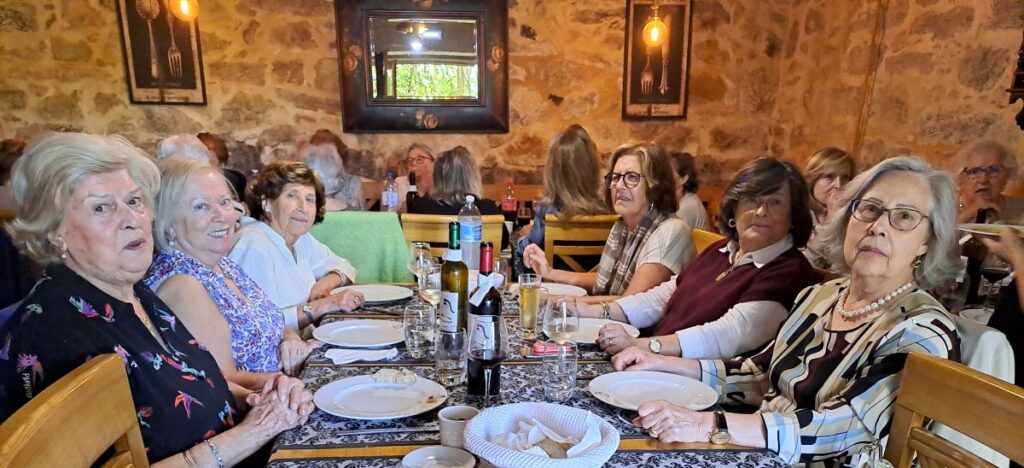
From 15 to 17 October, the Club organised a trip to Viseu and some of its parishes, beginning with lunch at the restaurant People’s Fountain in Almodafa – Tarouca.



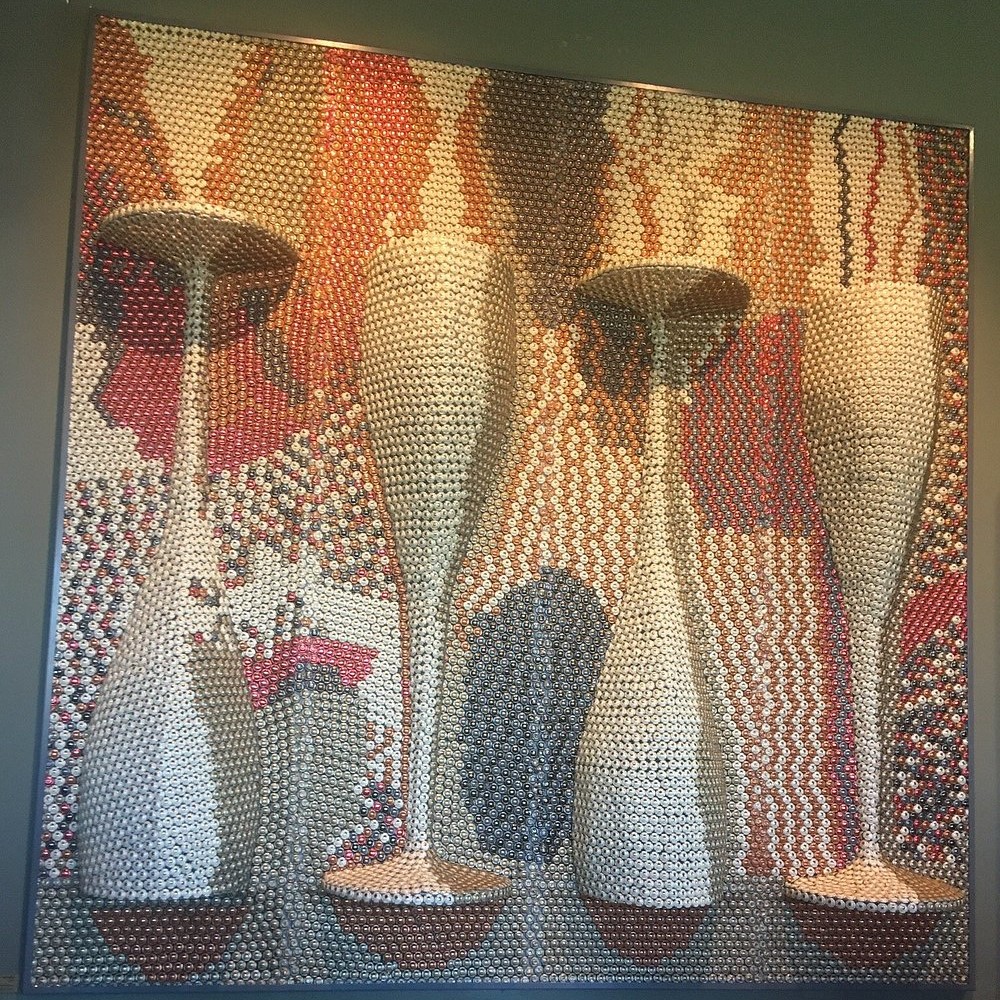
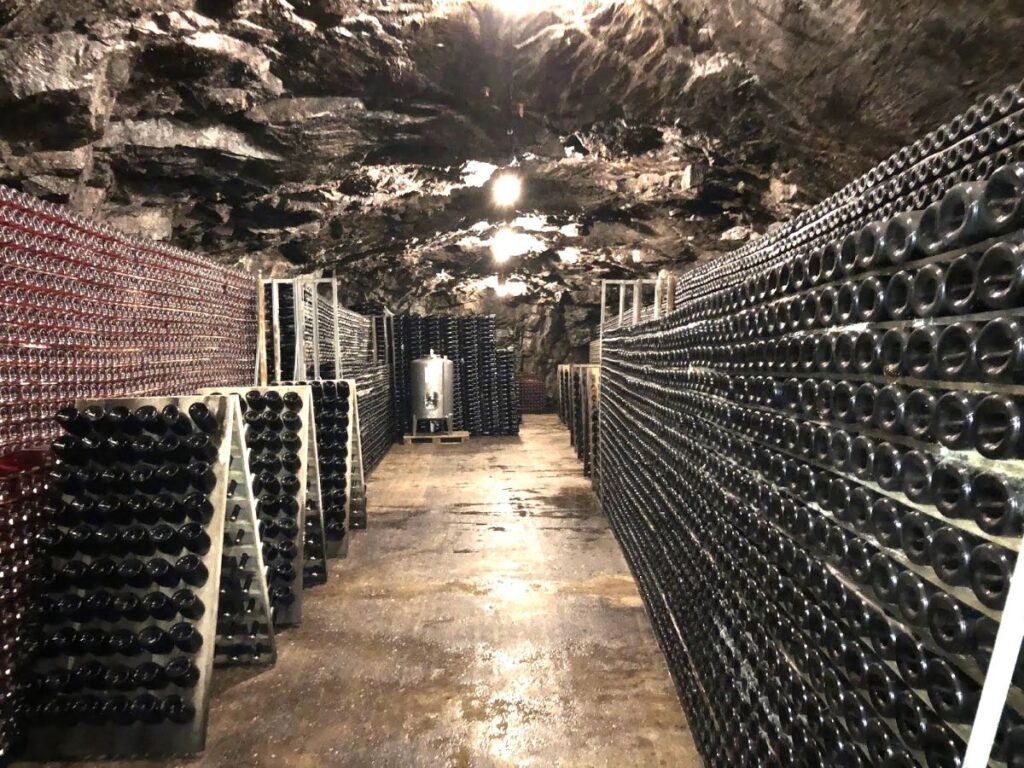
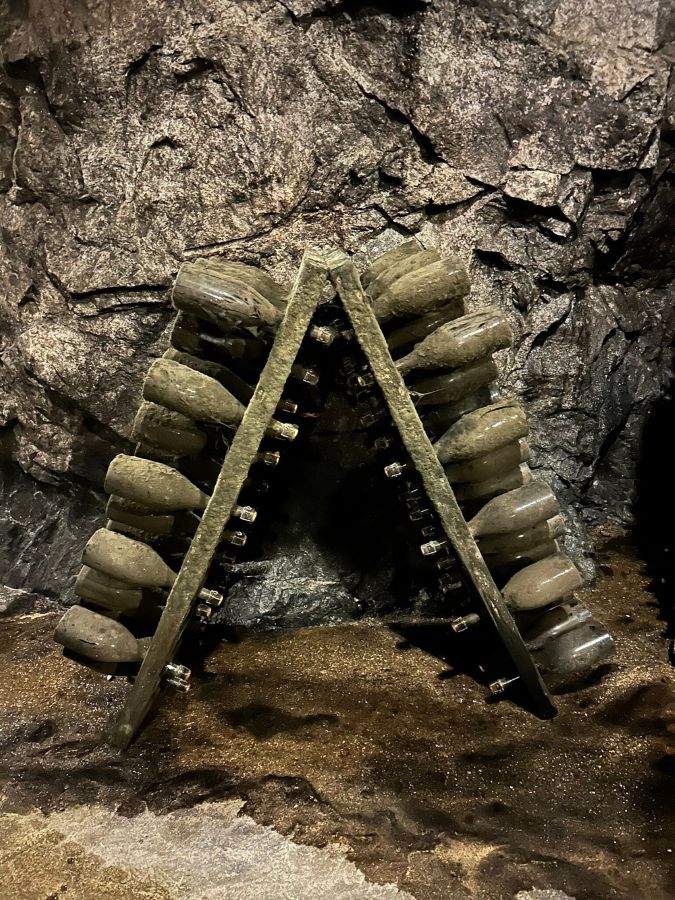
Murganheira Cellars
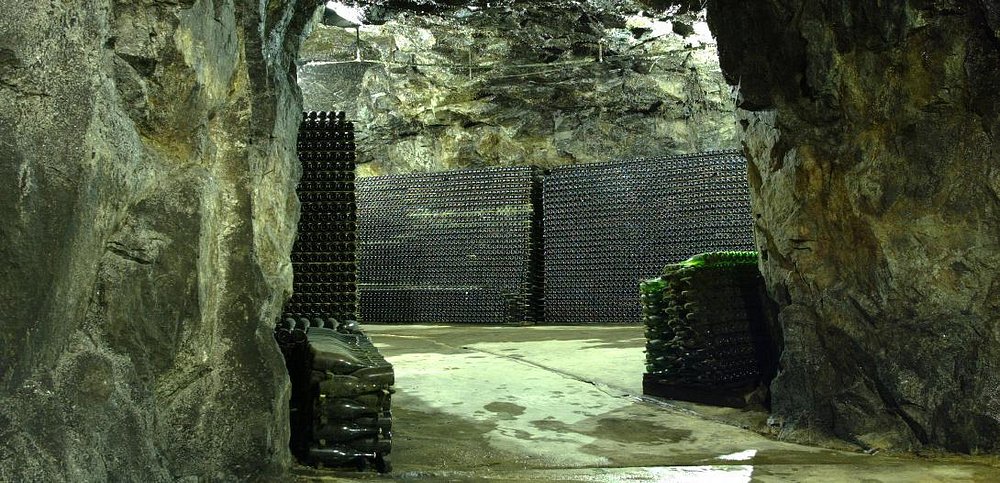
After lunch, we headed to the Murganheira Cellars, carved out of blue granite rock, where the bottles are carefully lined up, forming ‘glass walls.’ The sparkling wine maturation process takes three years, using a manual method of expelling the yeasts that is unique in Portugal. At the end of the visit, there was a sparkling wine tasting.
Monastery of Saint John of Tarouca
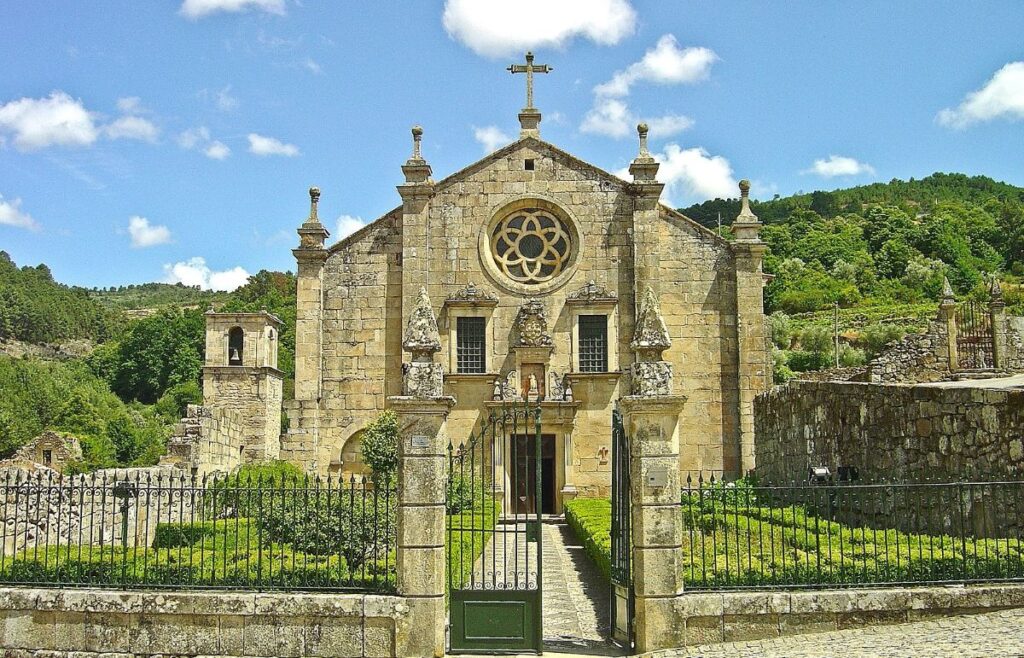
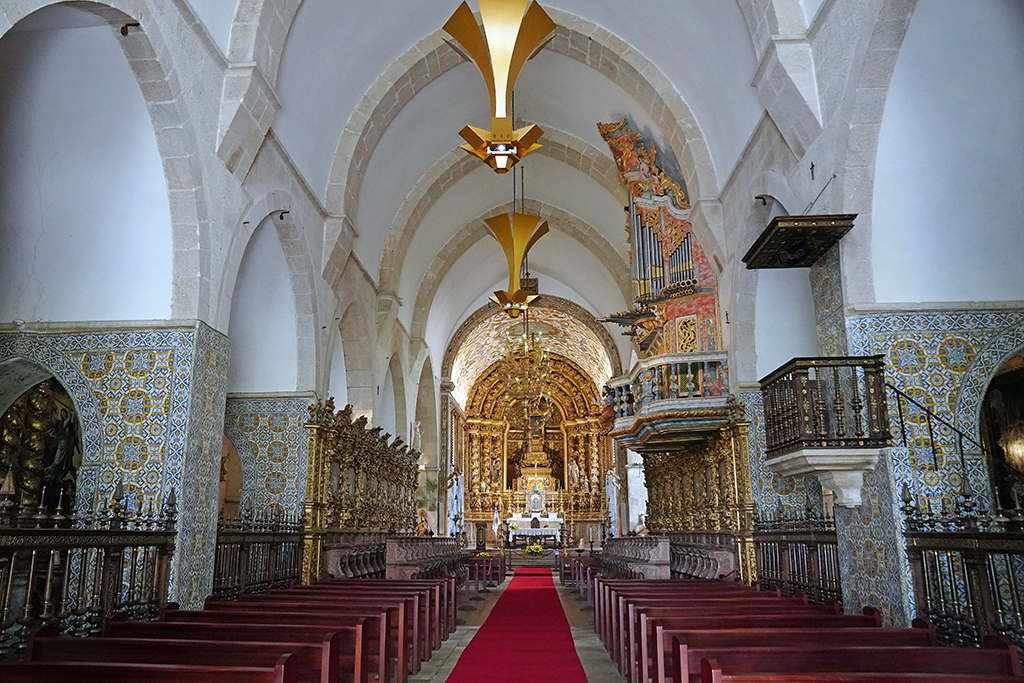
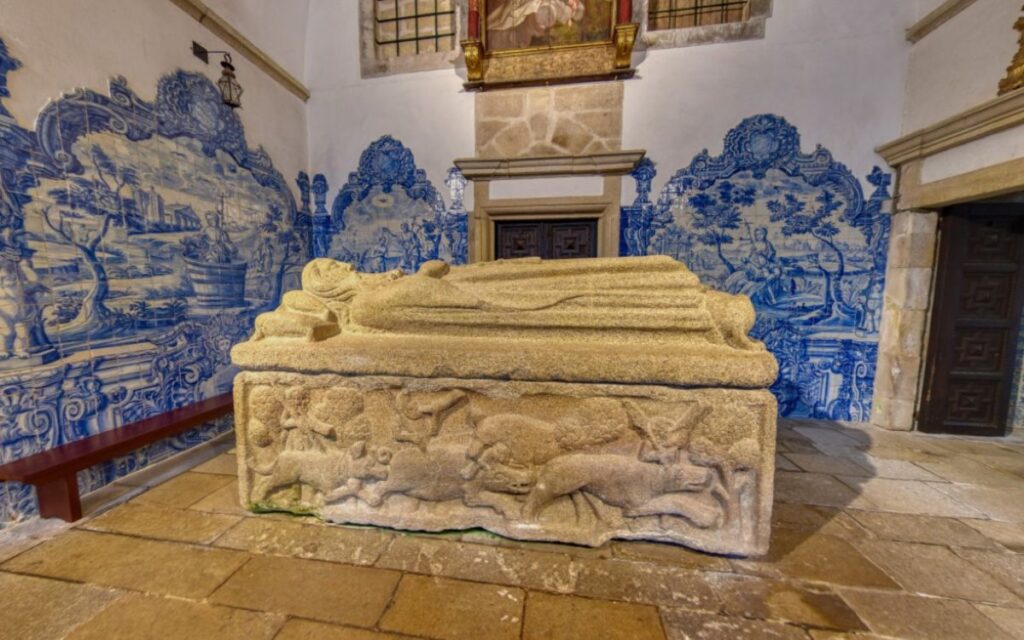
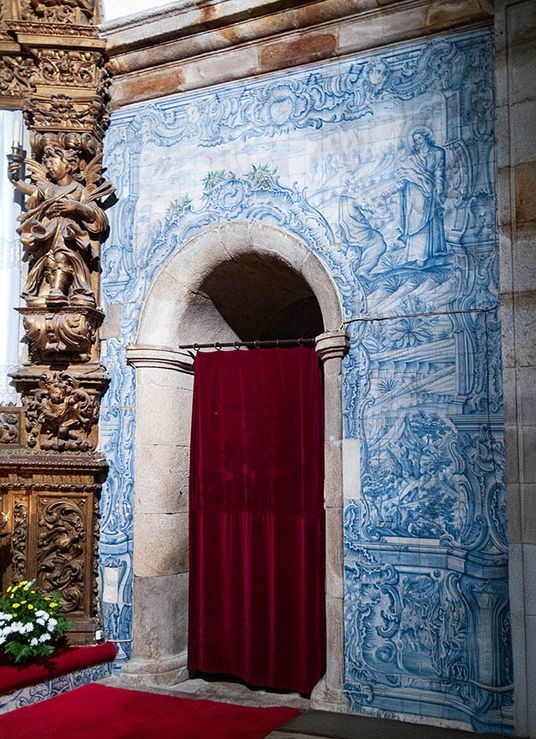
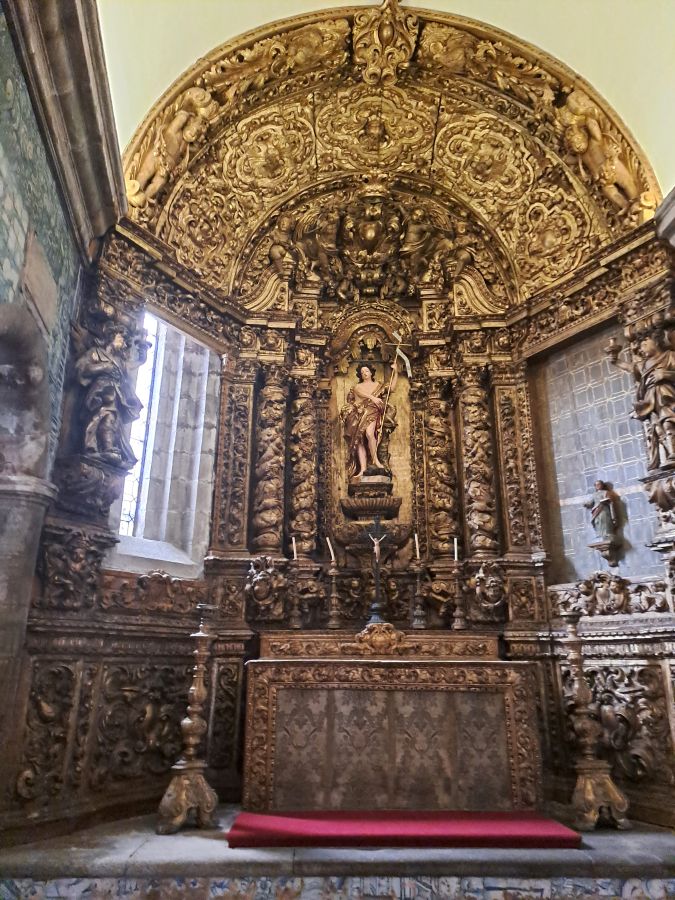
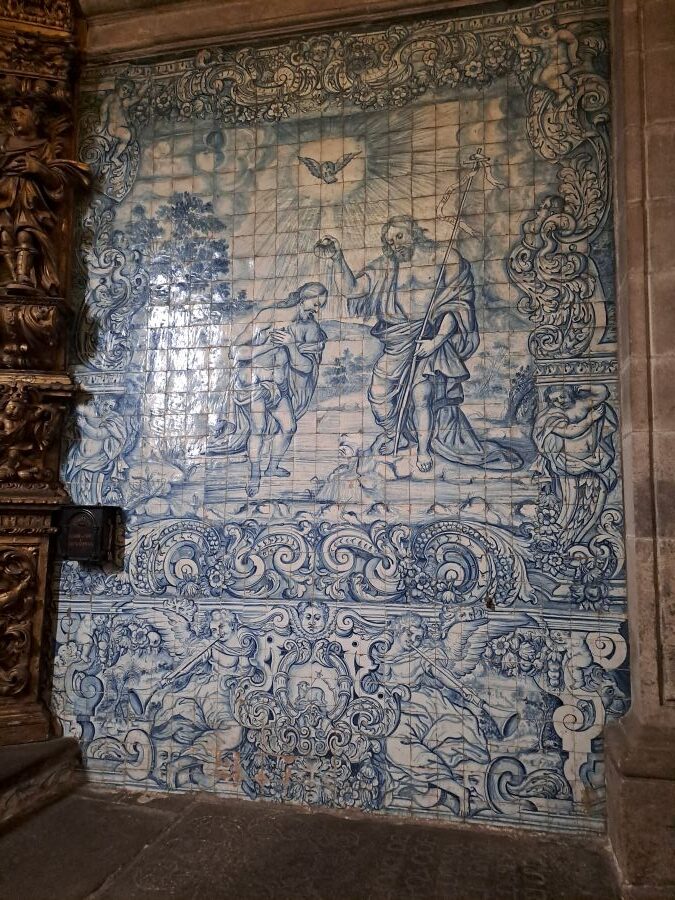
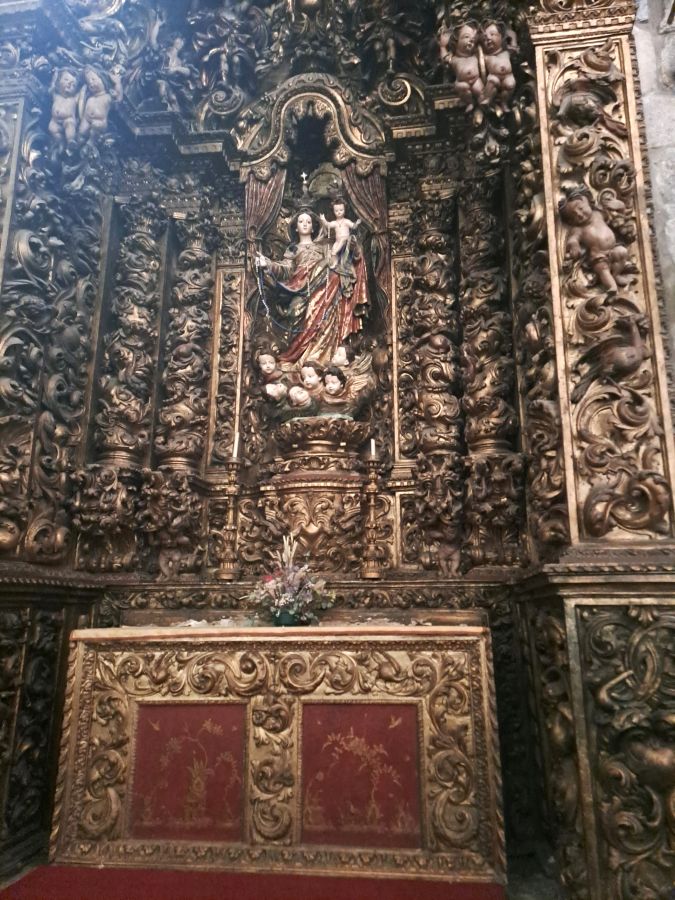
In the late afternoon, we visited the 12th-century Monastery of Saint John of Tarouca, whose church features Romanesque, Mannerist, and Baroque styles. In 1834, with the extinction of religious orders in Portugal, the church was converted into a parish church, and the monastic buildings were used as a quarry until the early 20th century.
Chapels on the Epistle side
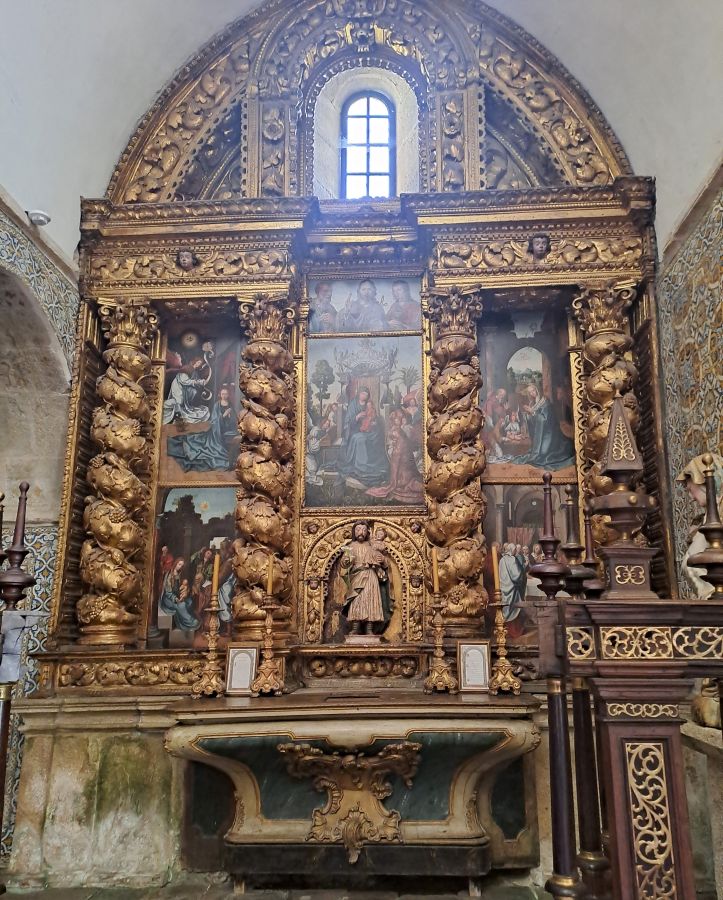
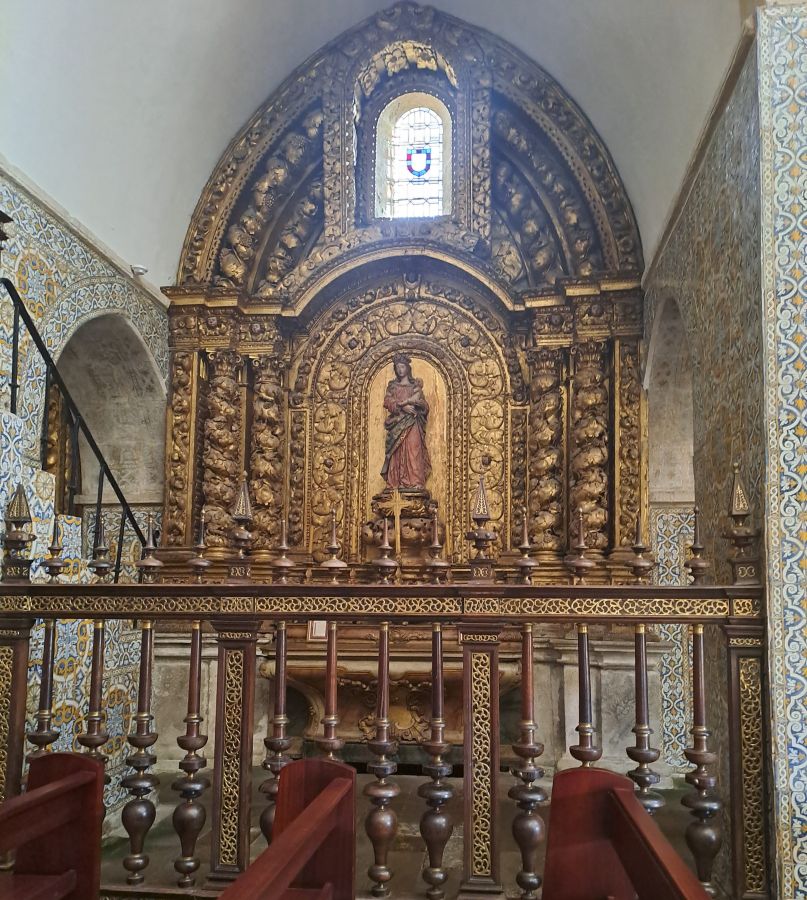
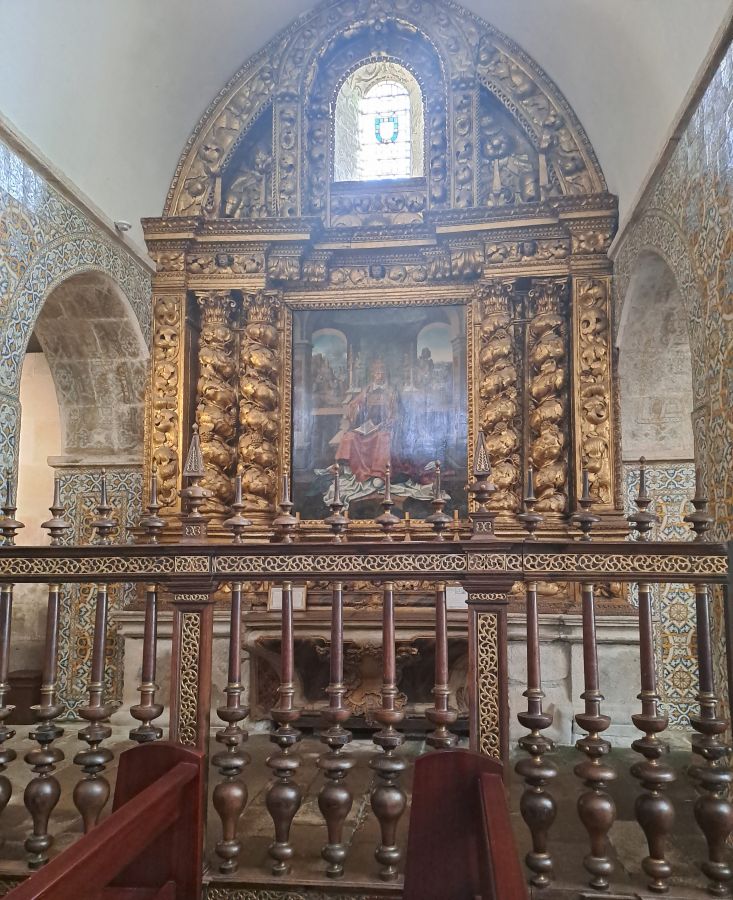
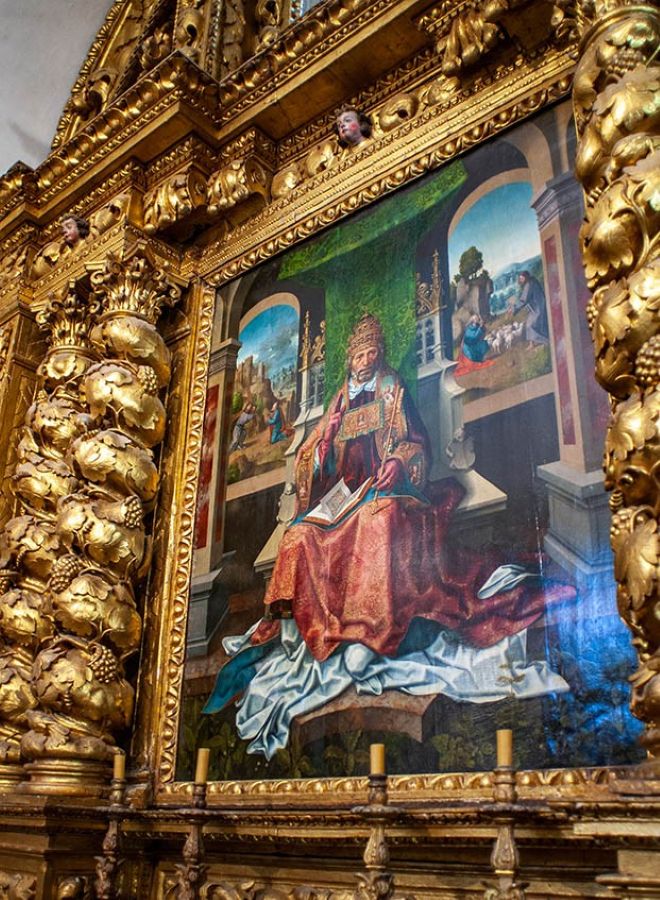
Chapels on the Gospel side
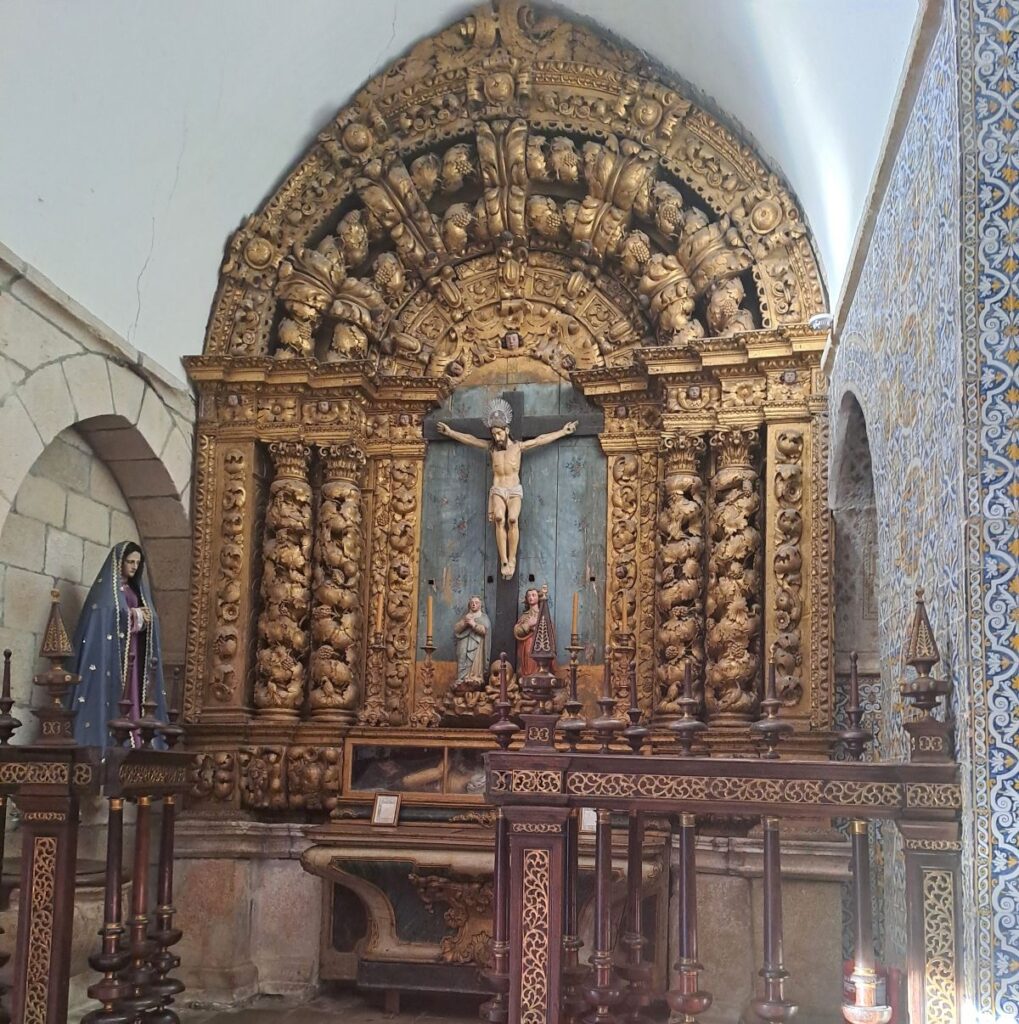
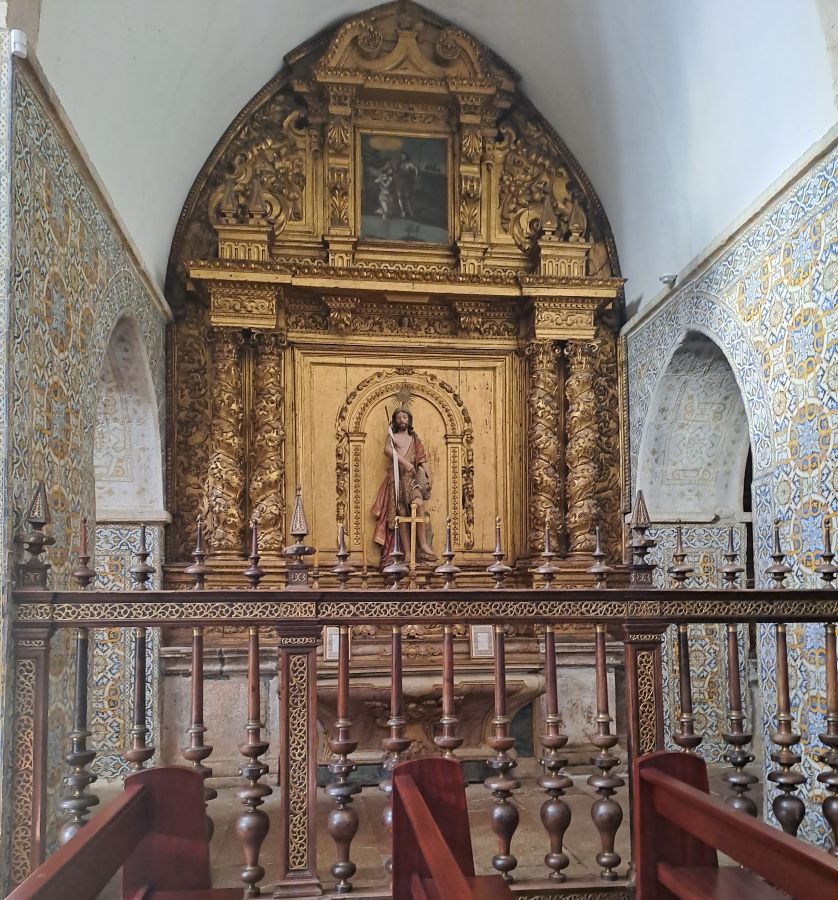
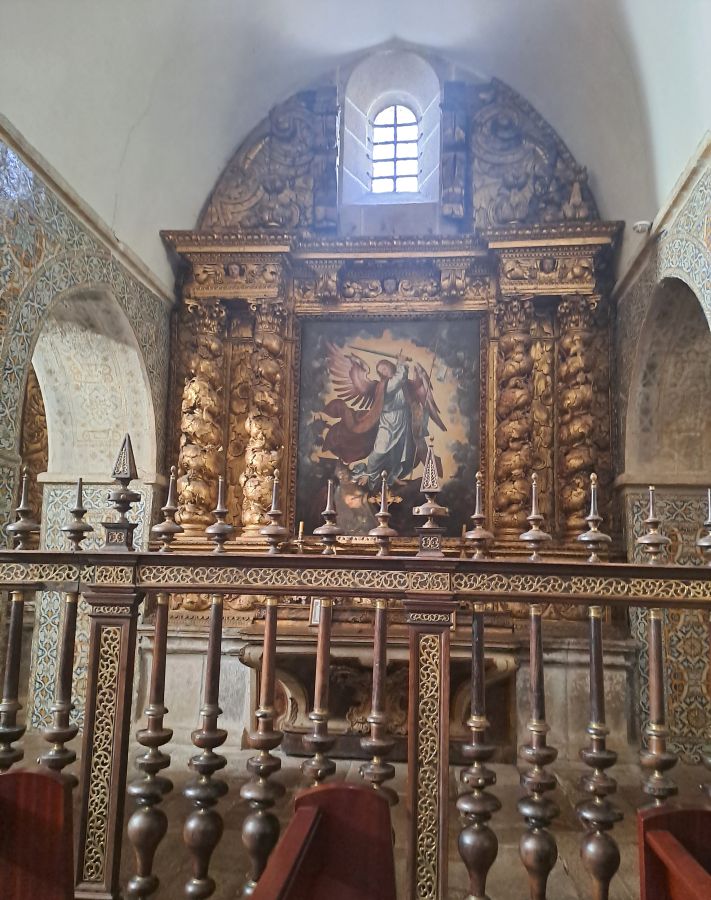
Transept
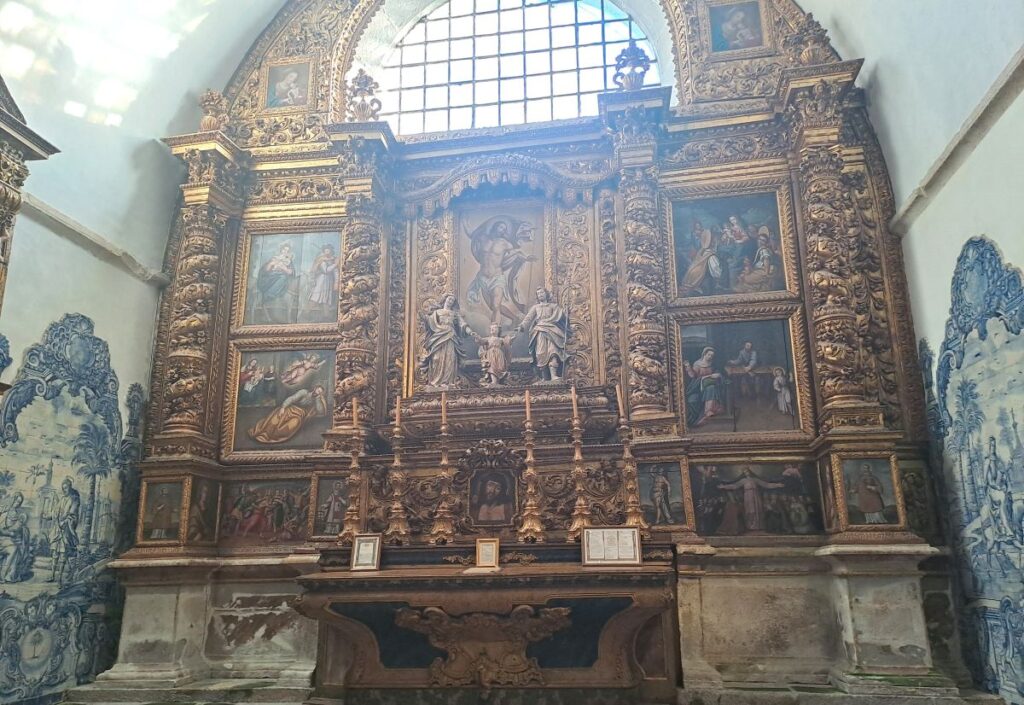
On the Gospel side
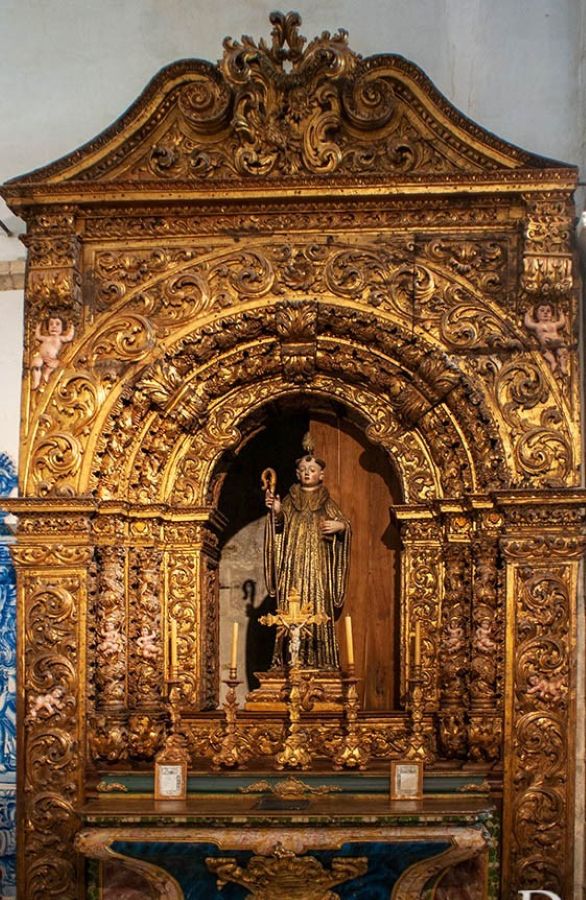
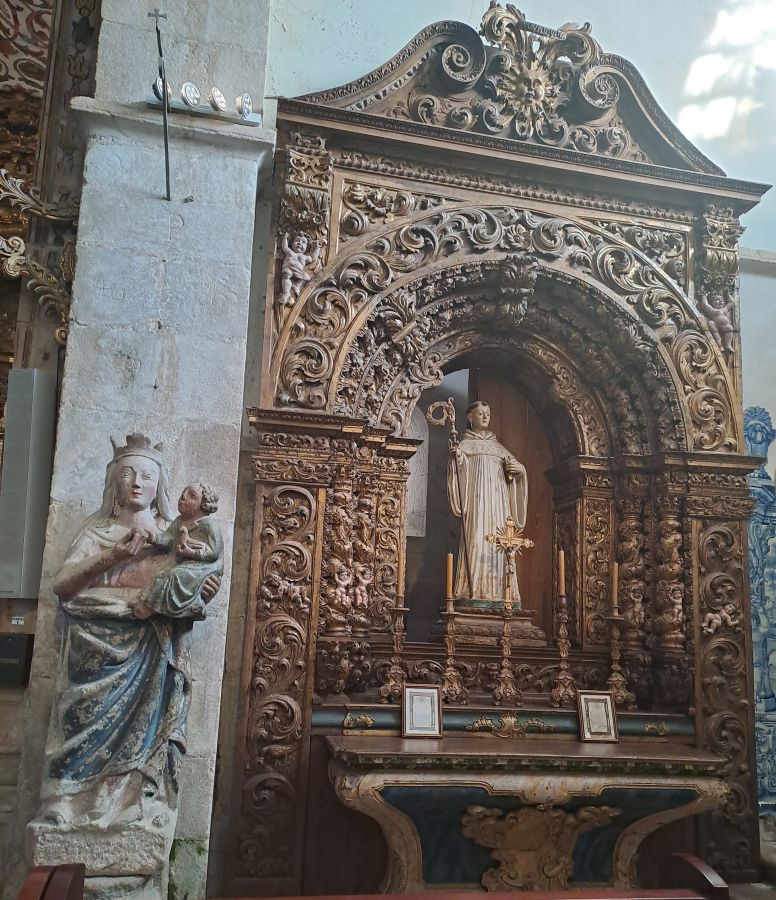
On the Epistle side
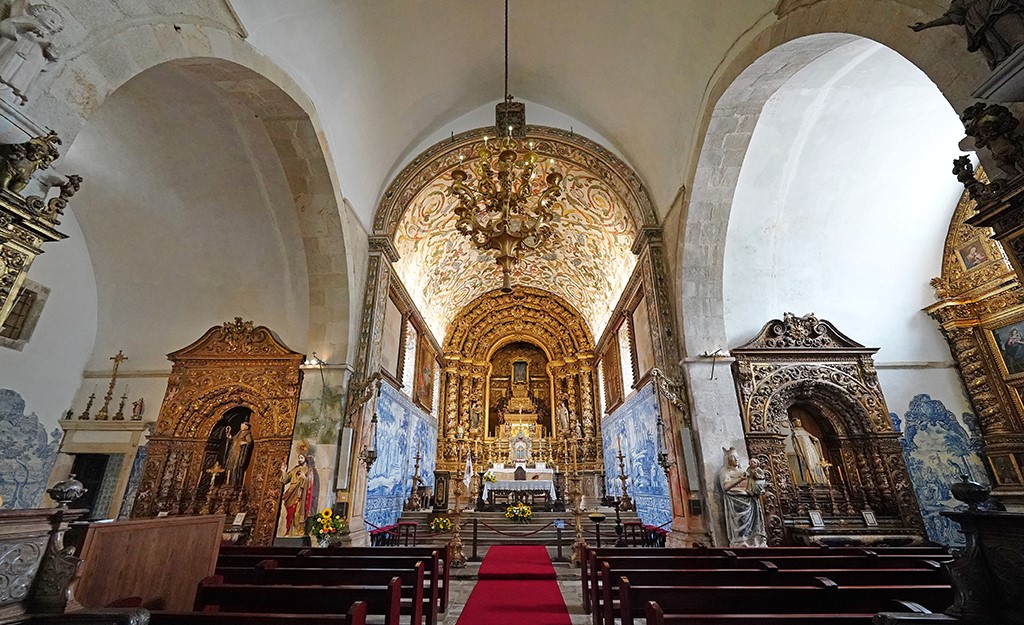
Chancel
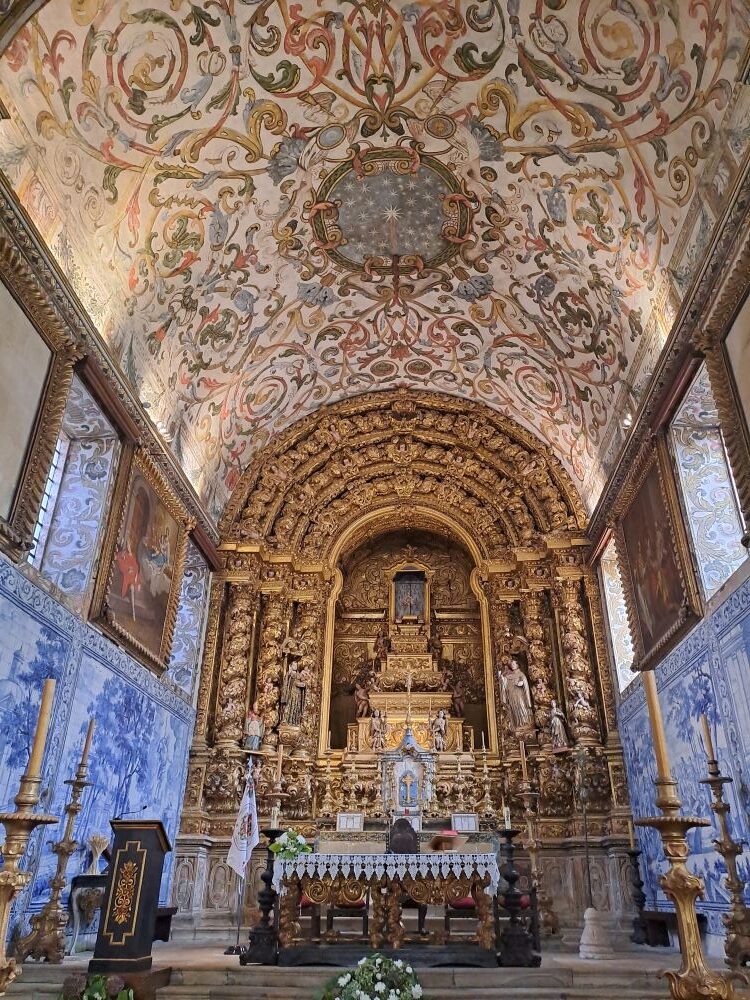
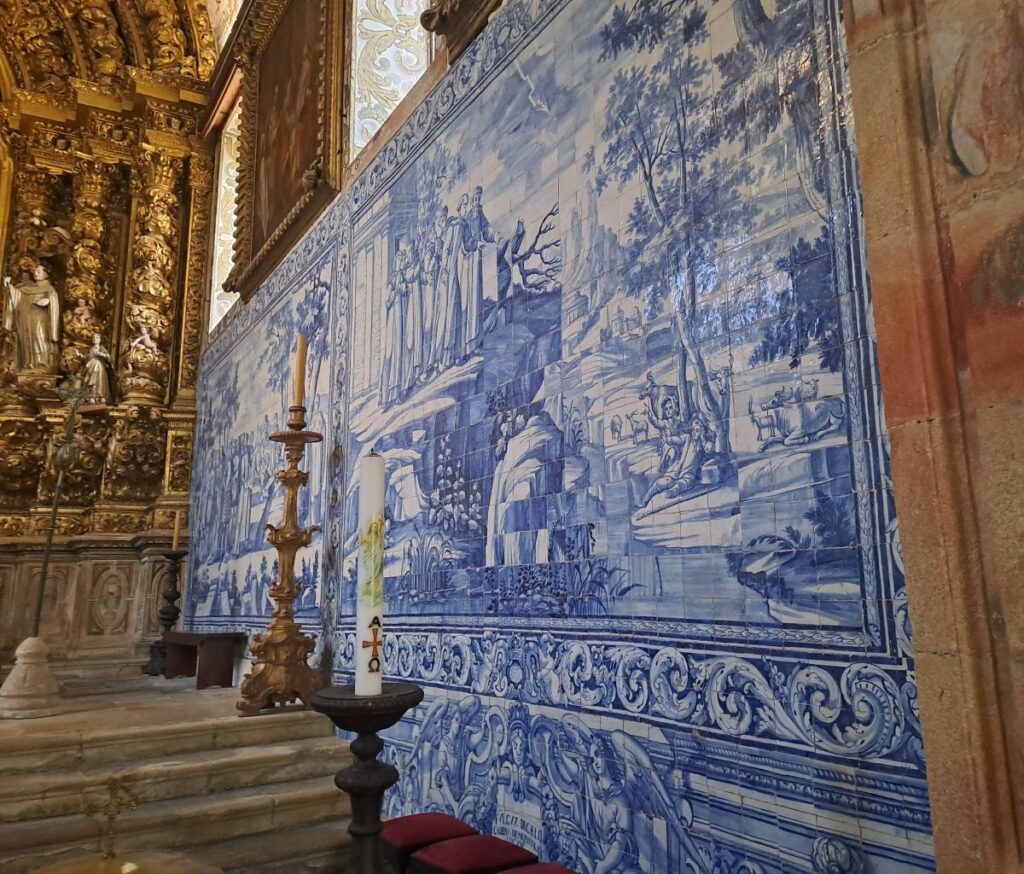
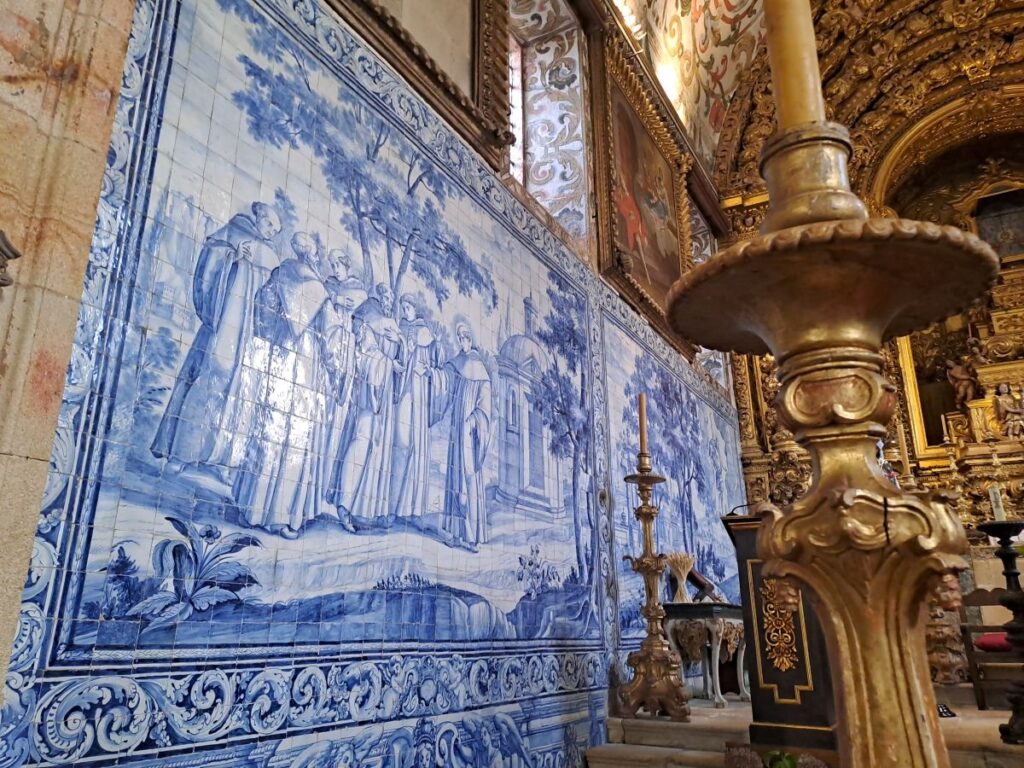
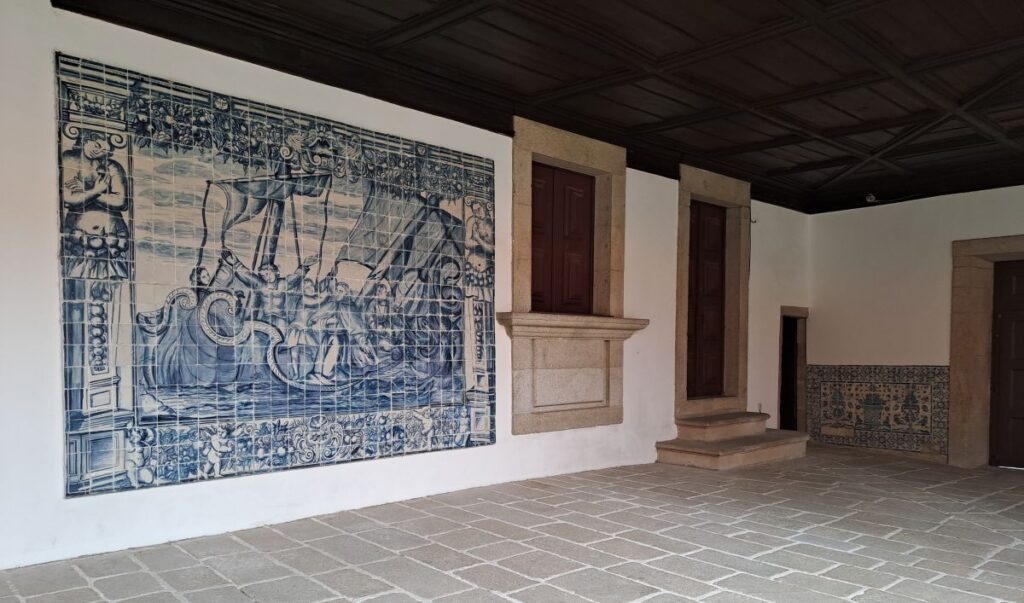
Below, the 17th-century gilded chancel. On the side walls, two altarpieces of Saint Benedict and Saint Bernard and four fantastic 18th-century tile panels depicting the legend associated with the founding of the monastery.
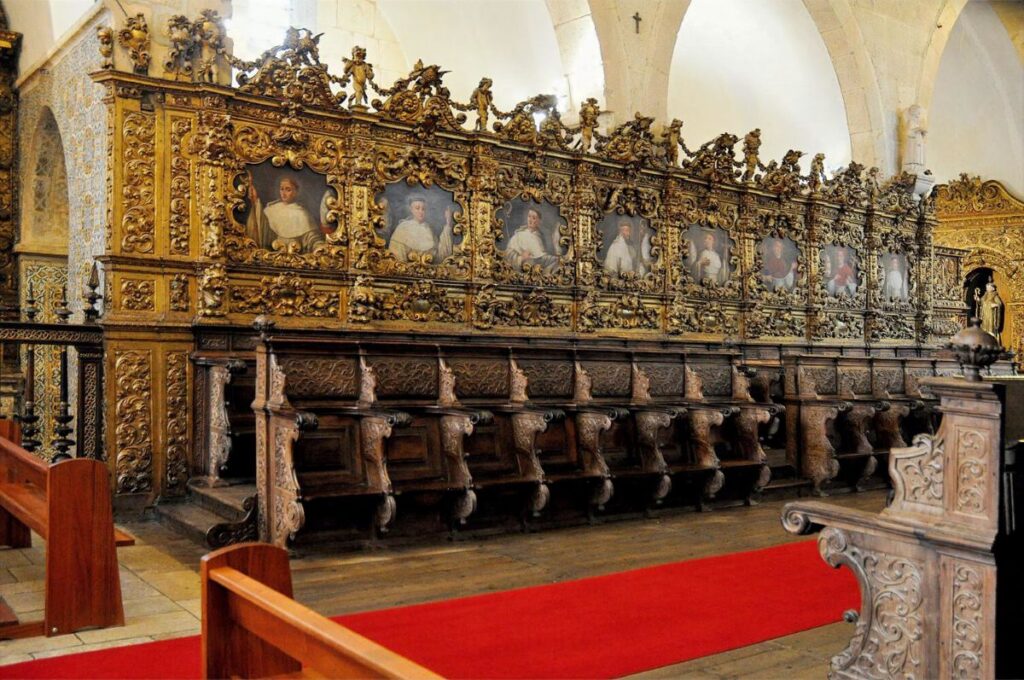
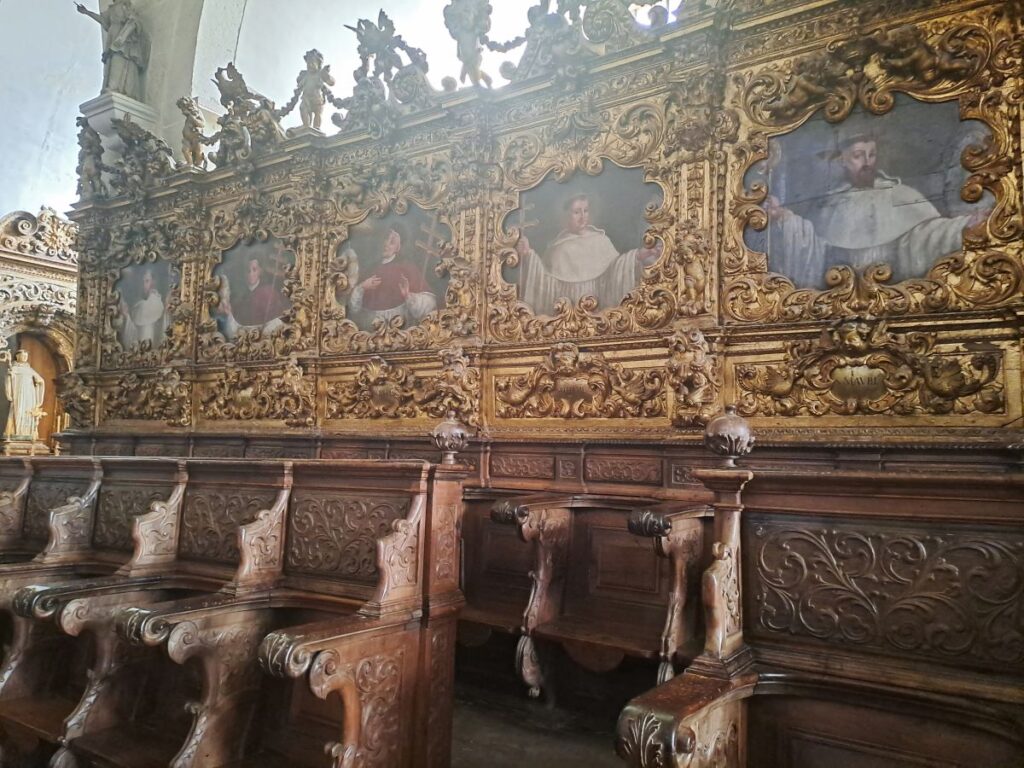
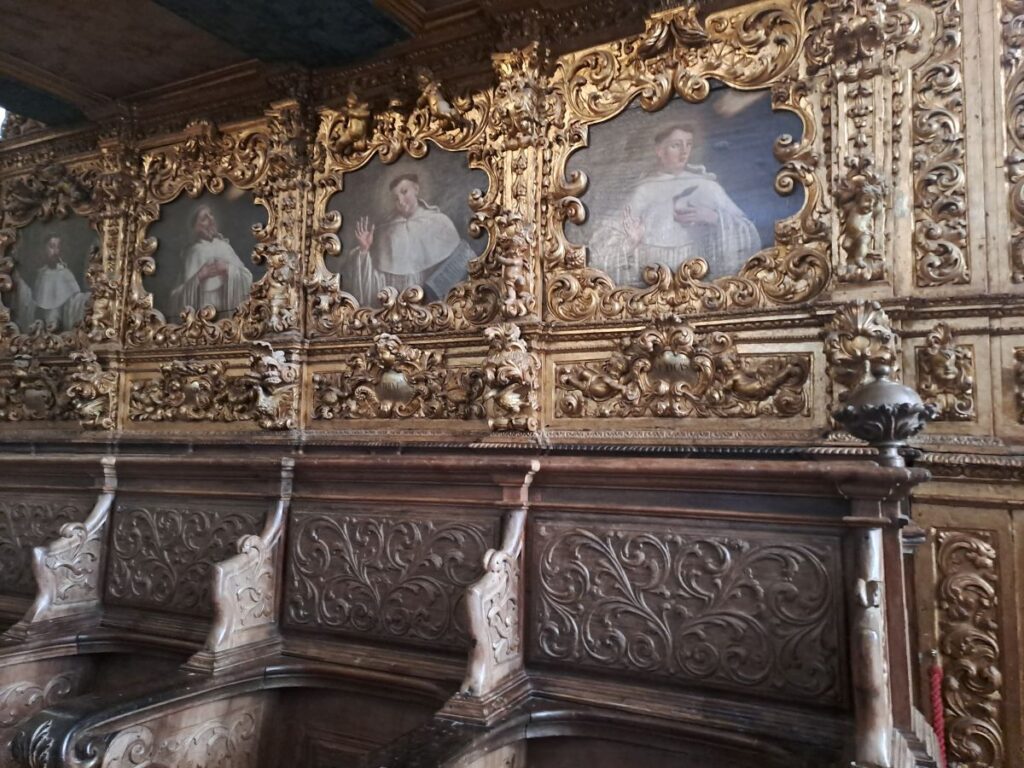
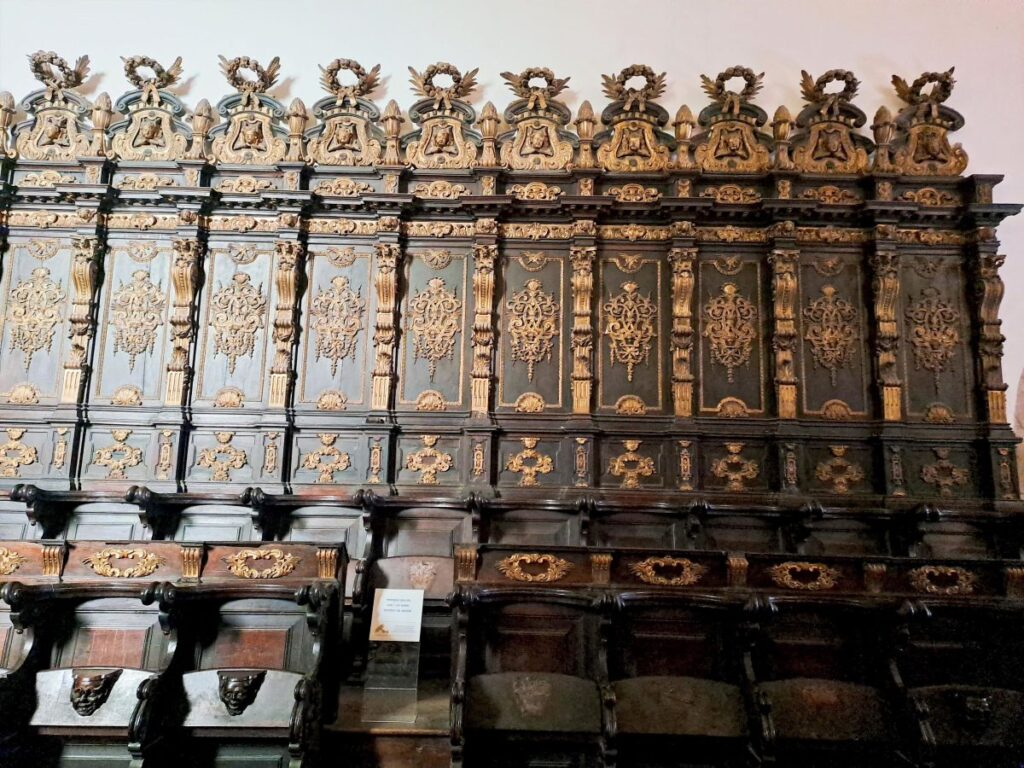
Below, baroque chairs made of rosewood, comprising 60 seats and gilded backrests with eight paintings of Cistercian abbots, bishops and popes on each side.
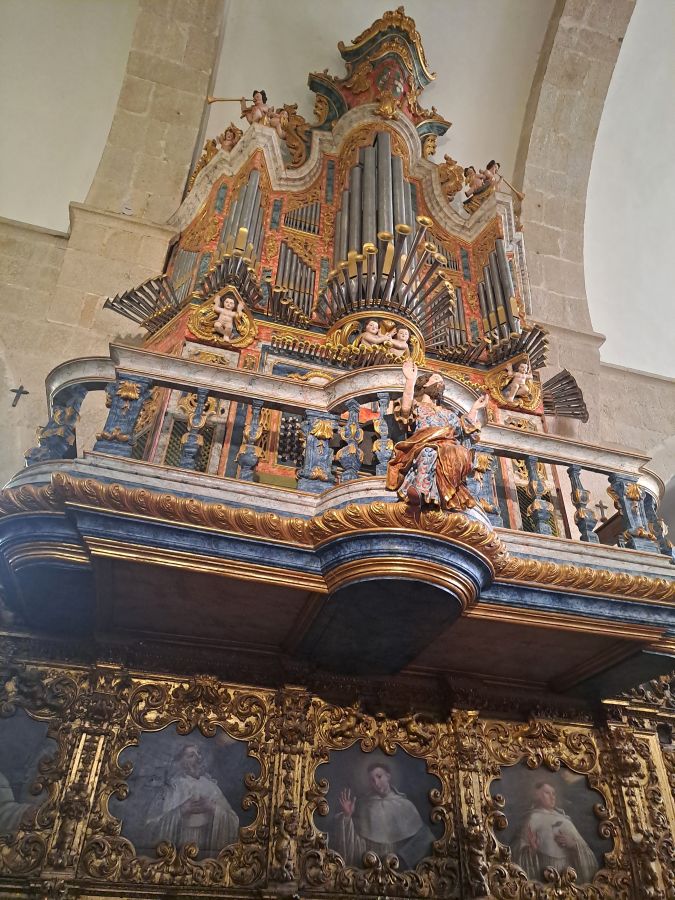
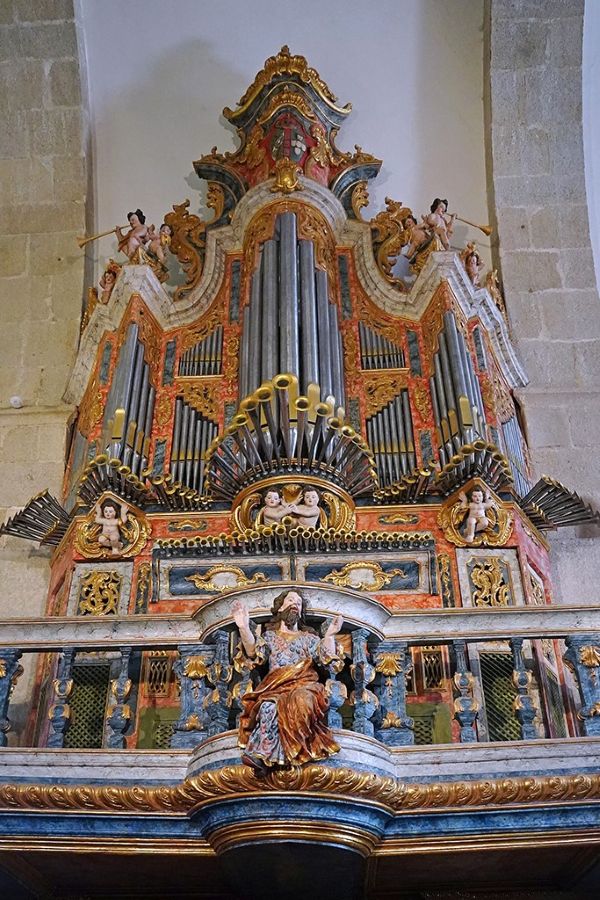
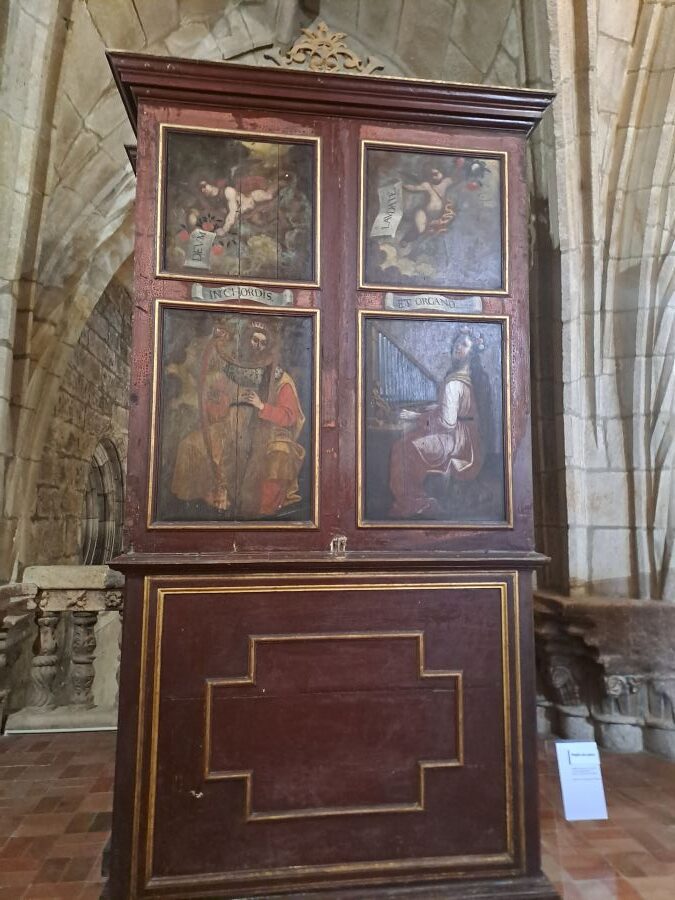
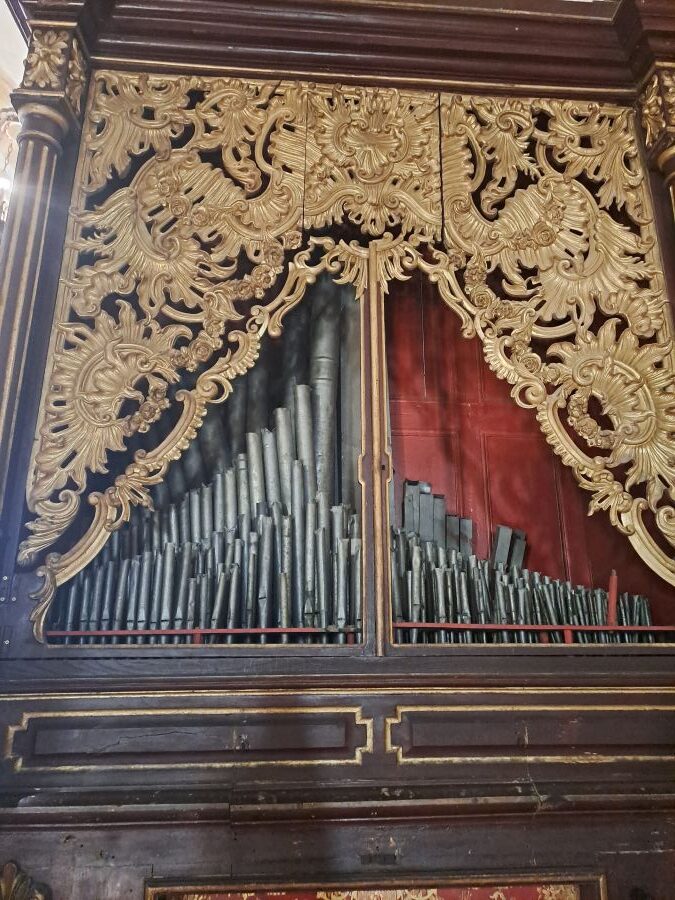
The Baroque organ from 1767 was restored in 2023. In the centre, there is an animated figure that opened its mouth and marked the beat with its arms.
Sacristy
The Sacristy features 2,000 individual tiles on its walls, each one different, and paintings by Arcaz with eight panels depicting scenes from the life of Saint Bernard.
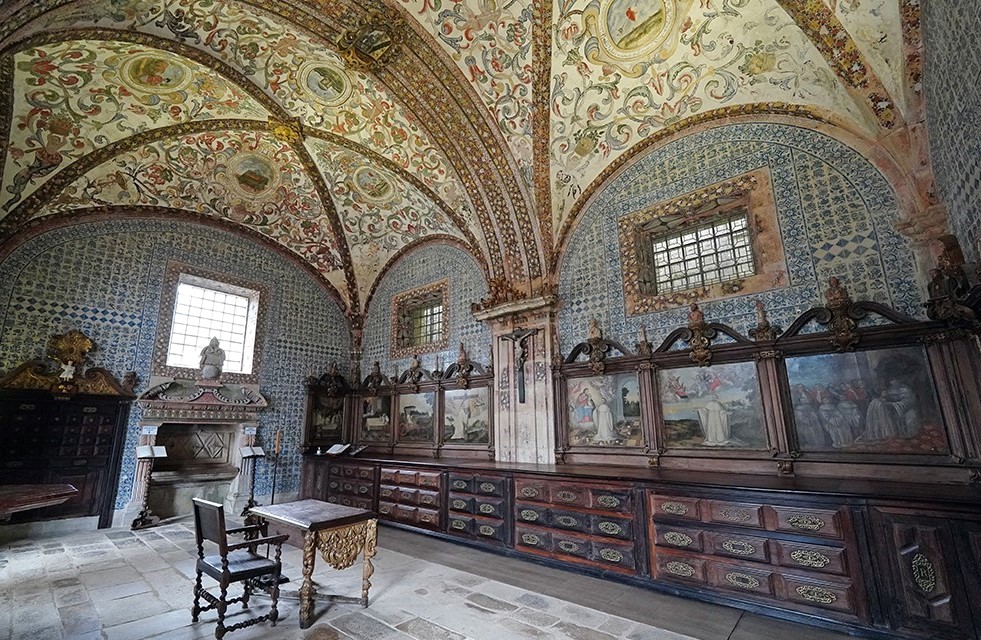
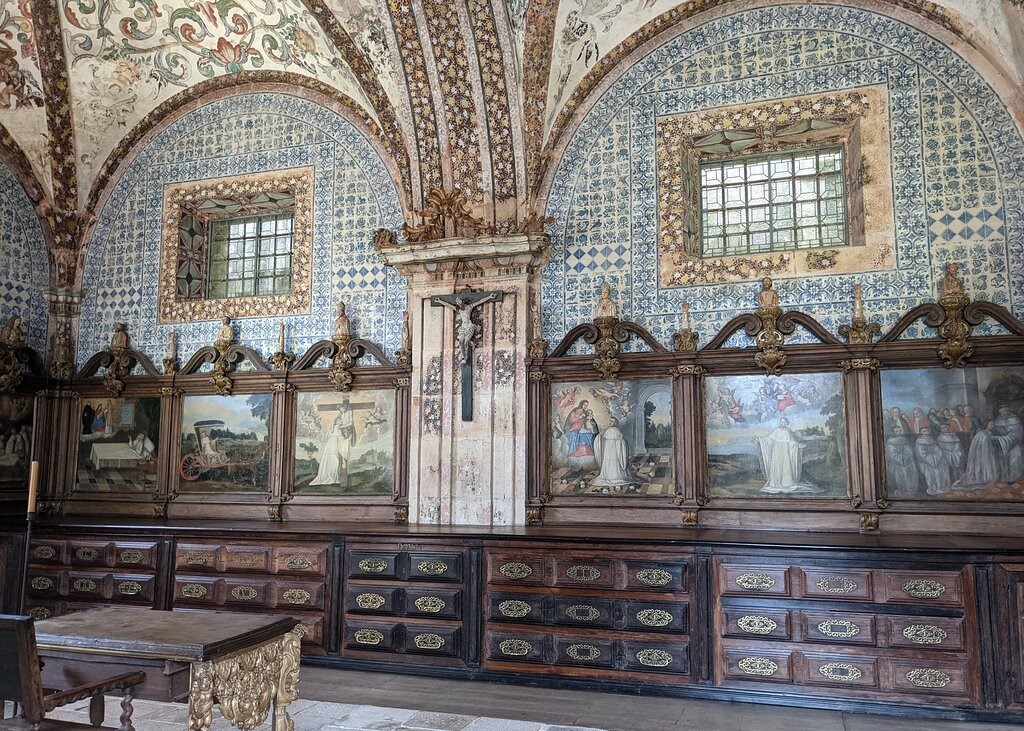
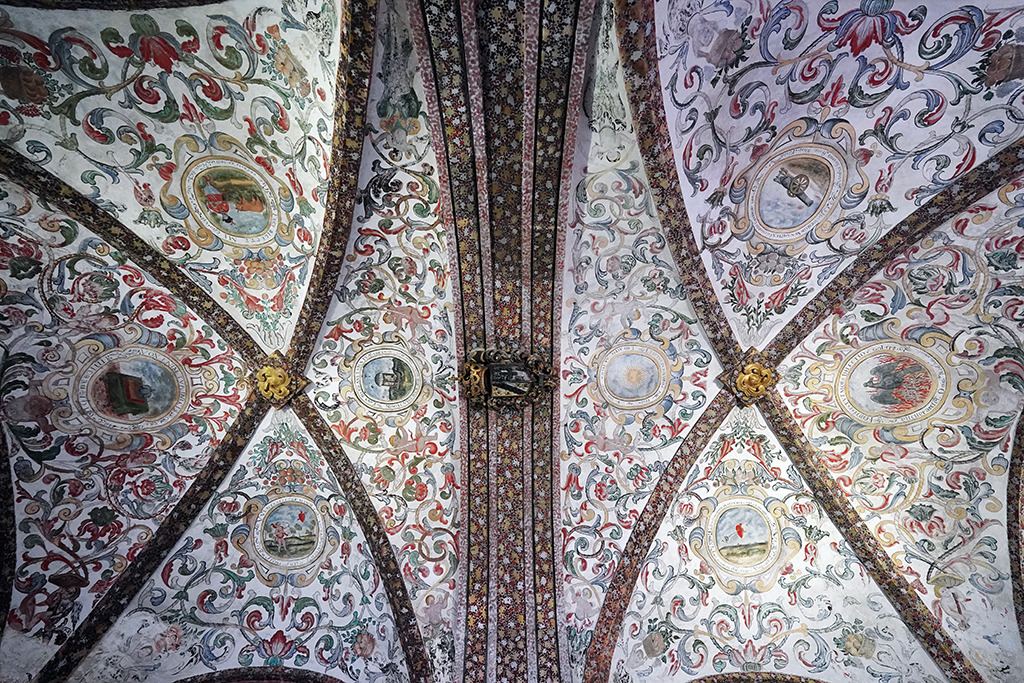
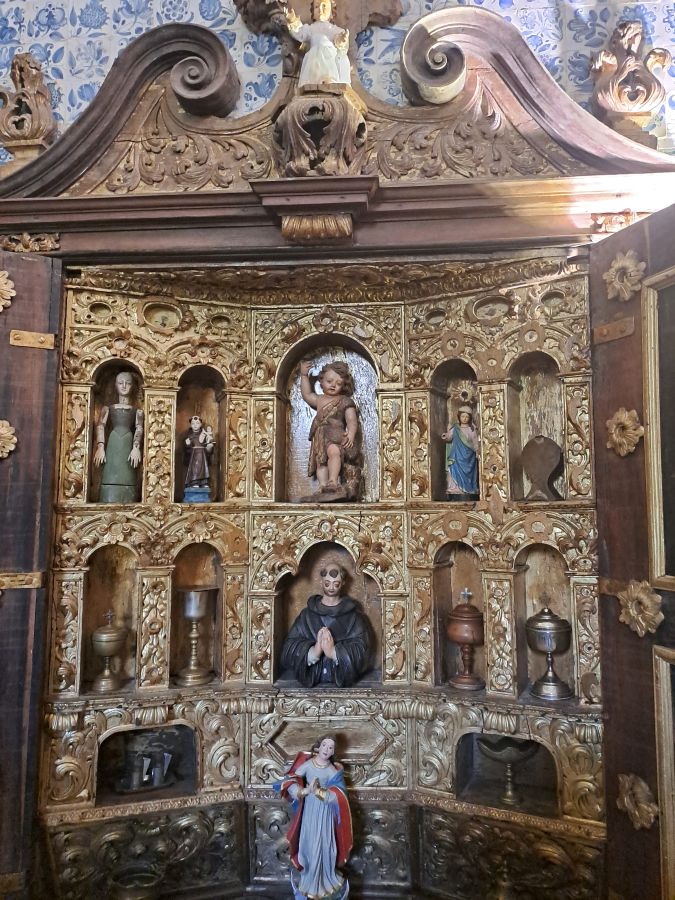
The 18th-century reliquary, made of rosewood, contained relics of saints that the monks removed when the religious orders were abolished.
Viseu Cathedral
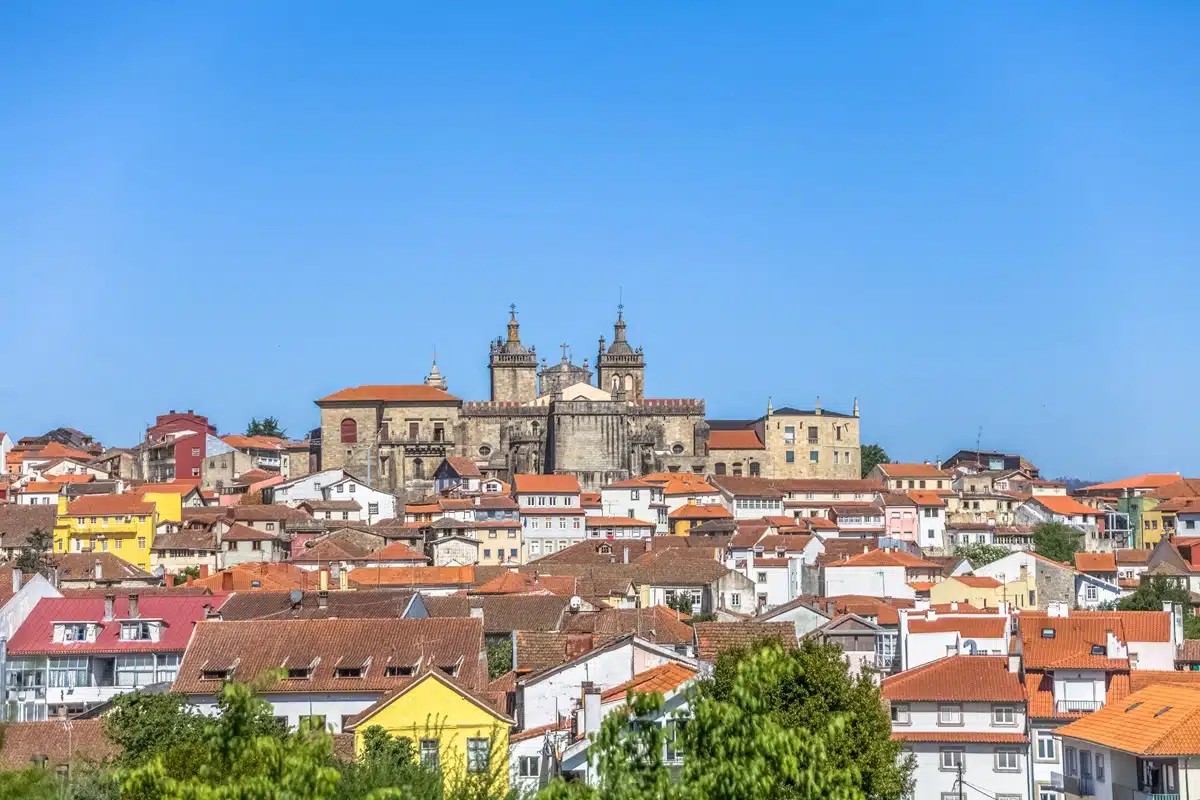
The following morning was spent visiting the Cathedral and the Treasure and Grão Vasco Museums in Viseu. After lunch, we went to Mangualde to visit the Palace of the Counts of Anadia.
The Cathedral of Viseu, built in Gothic, Manueline and Baroque styles, was begun in the 12th century by Afonso Henriques and underwent several renovations over the centuries.
Interior
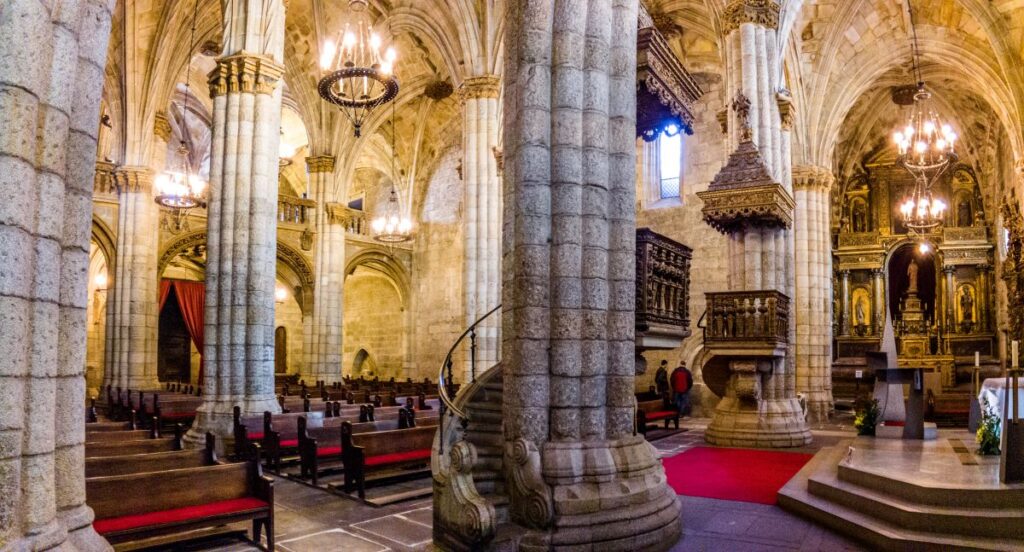
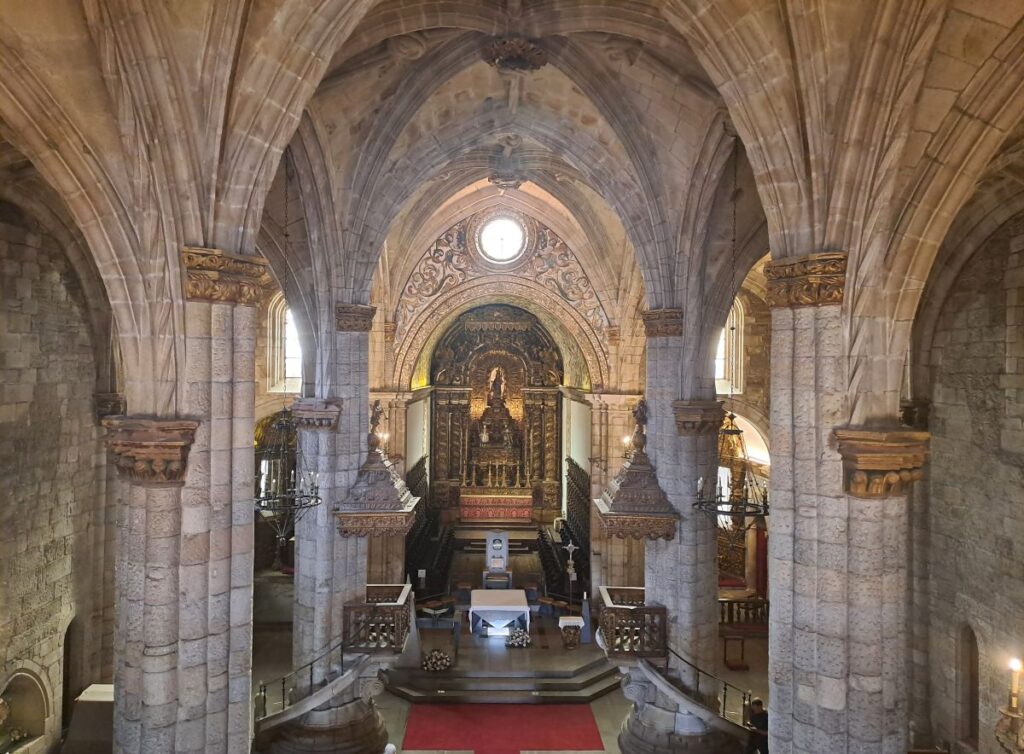
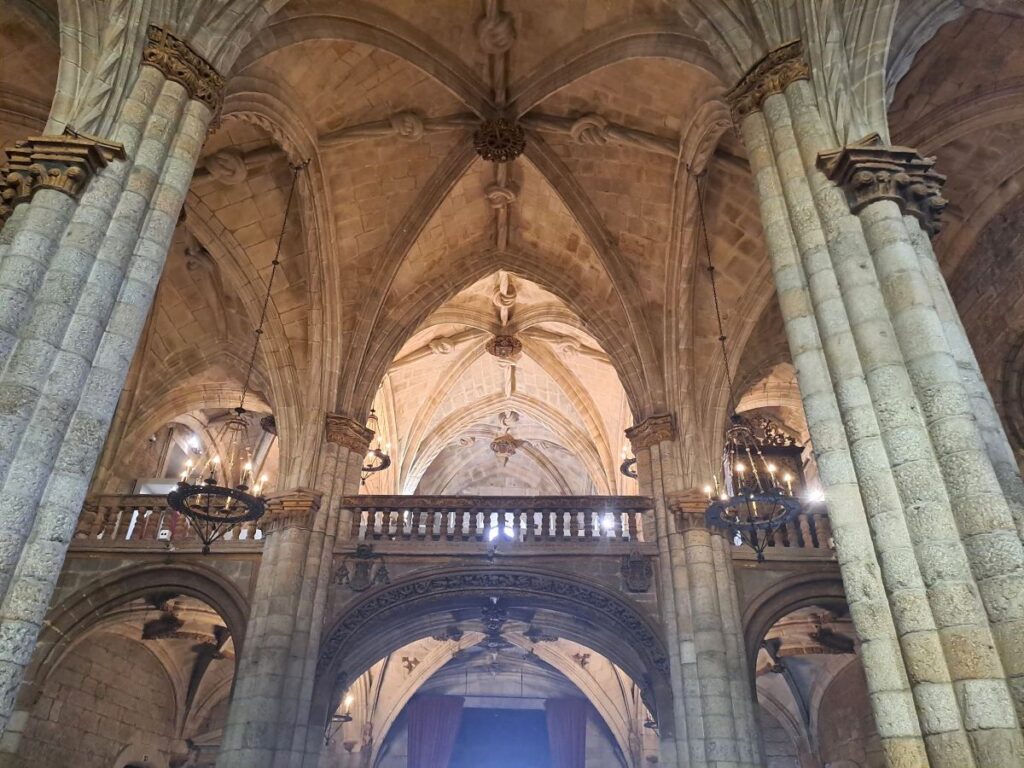
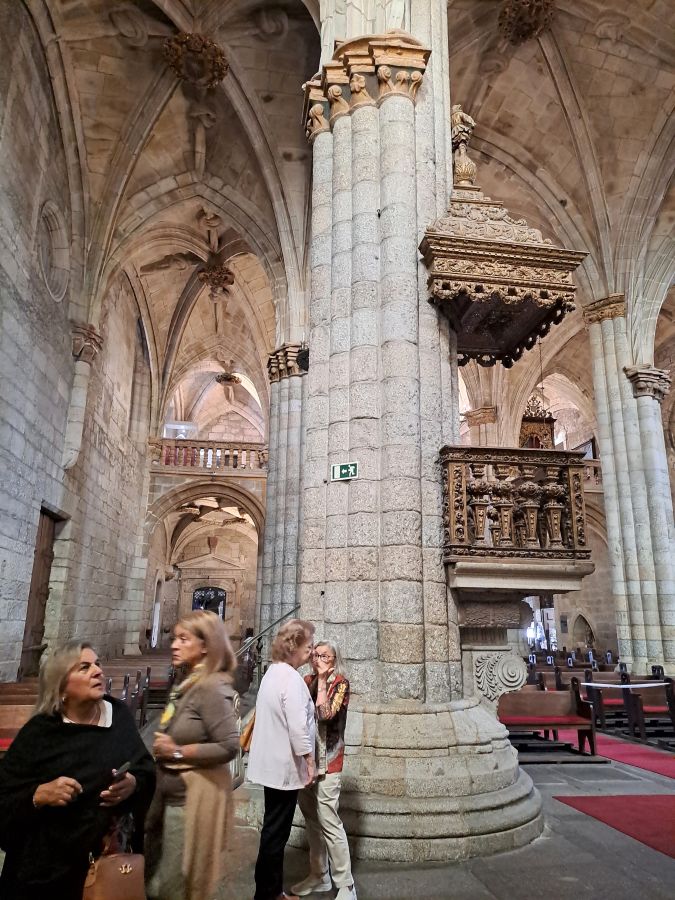
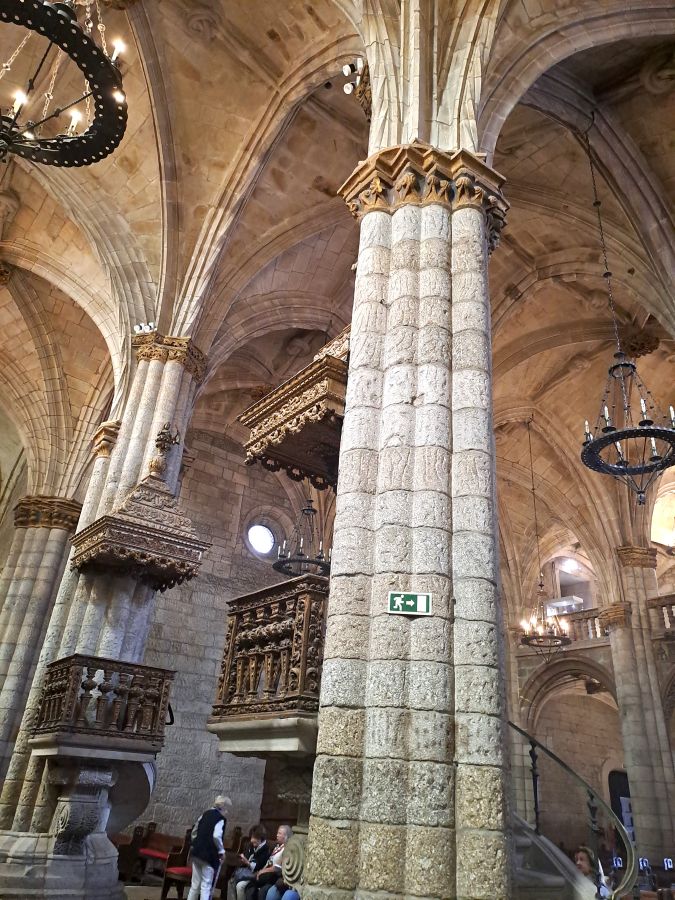
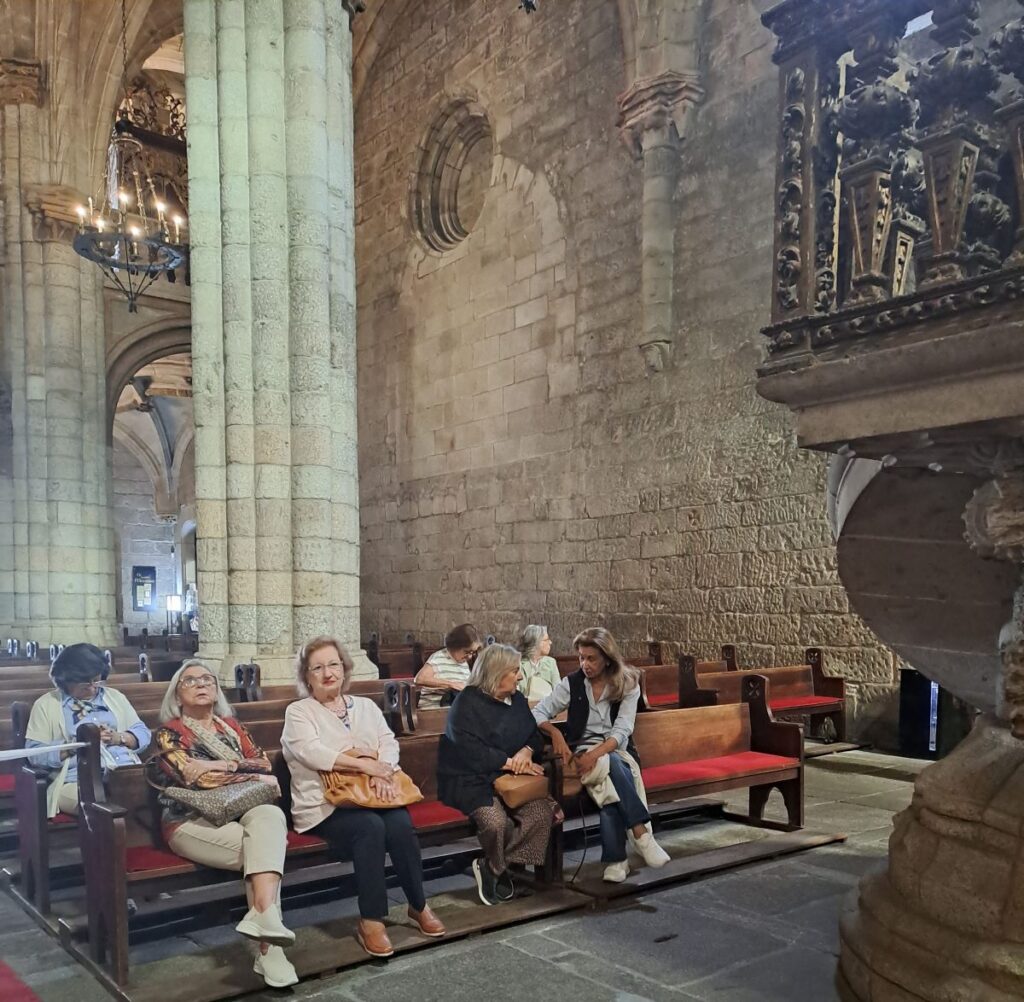
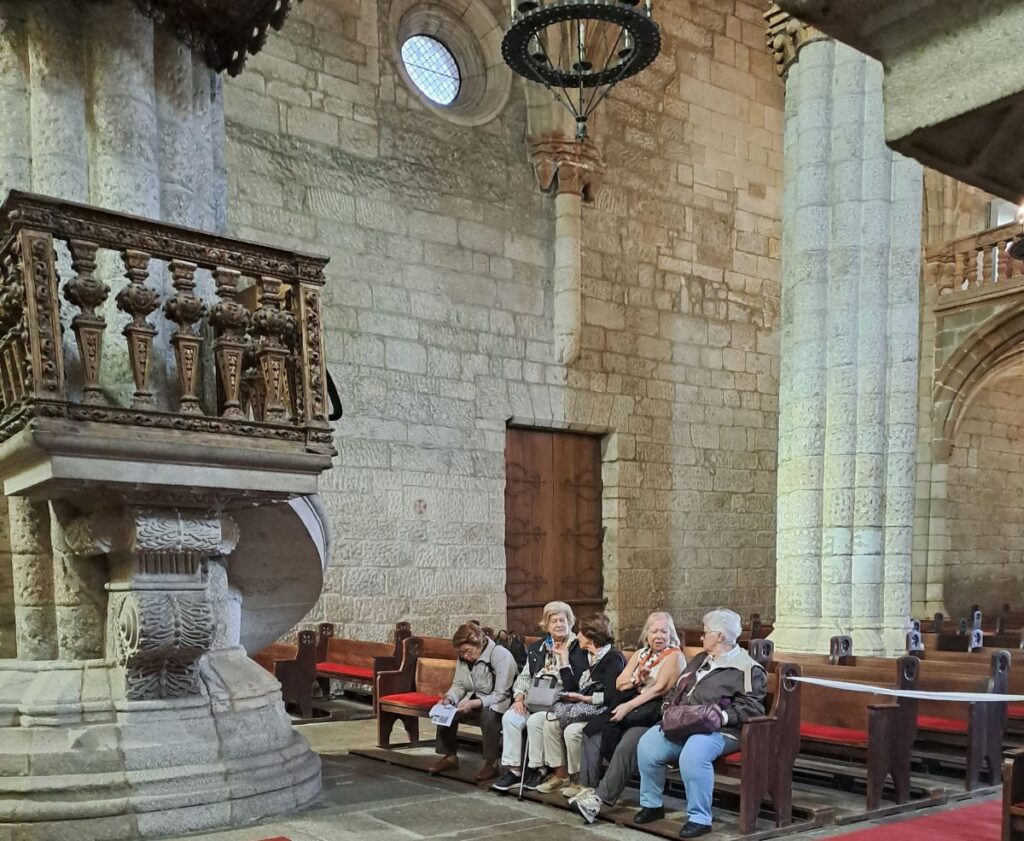
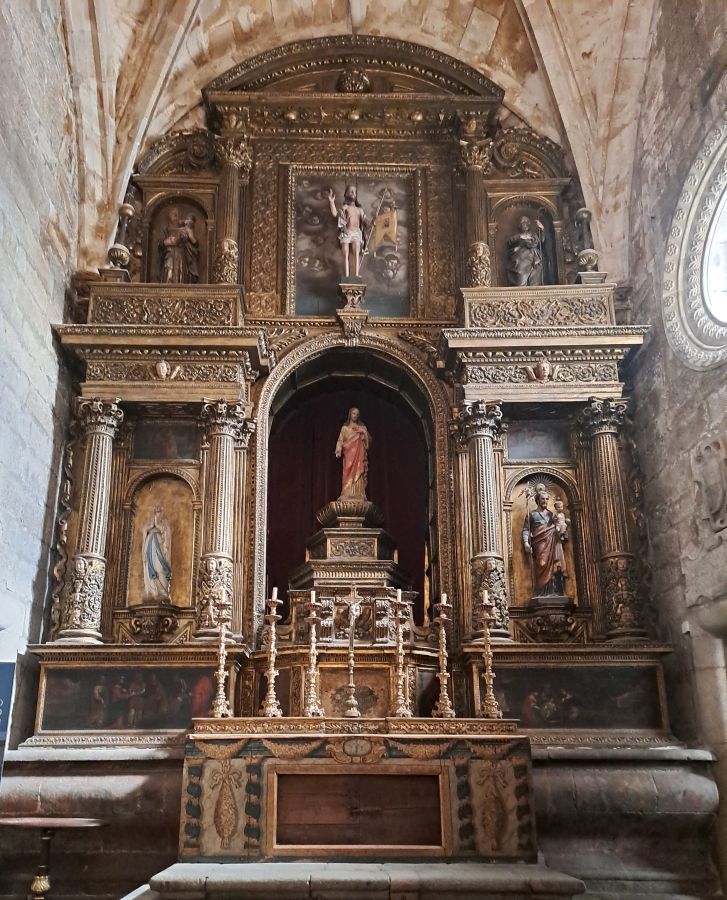
High altar
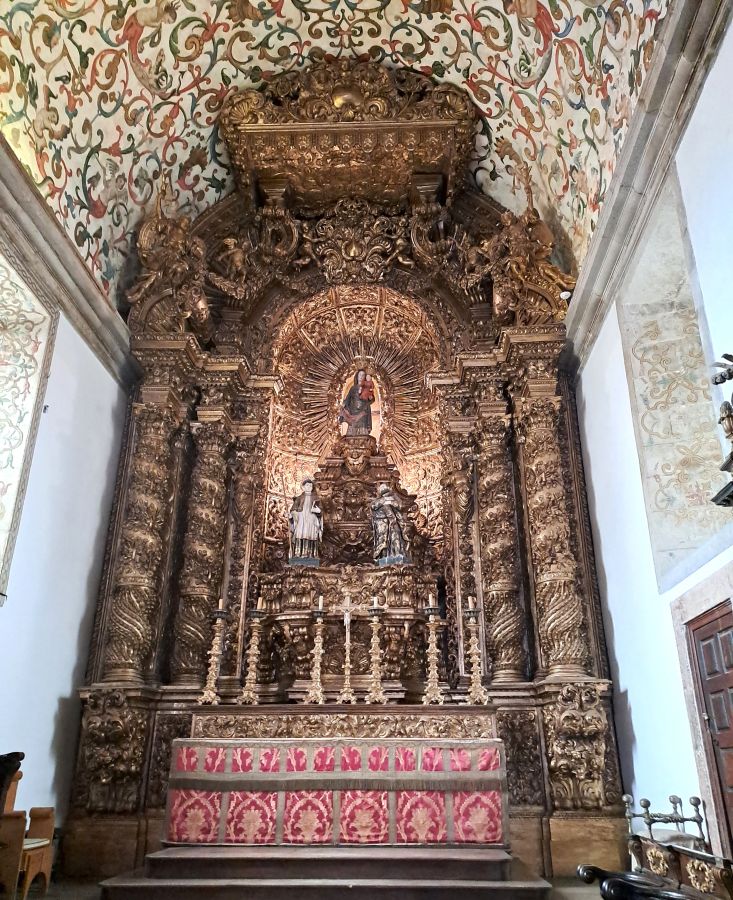
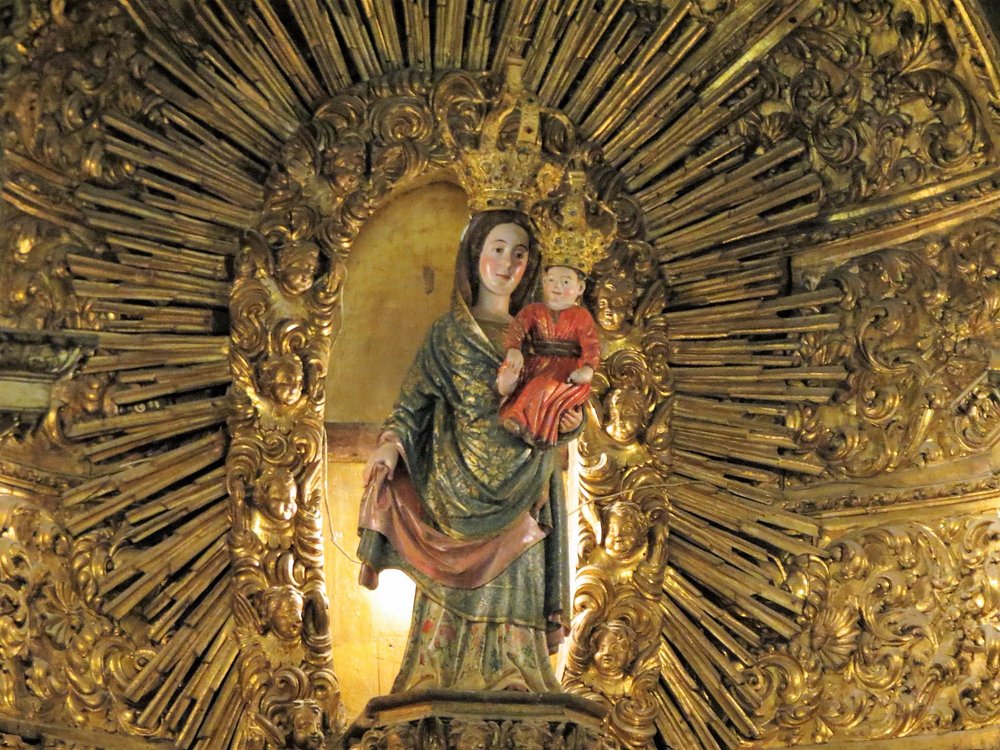
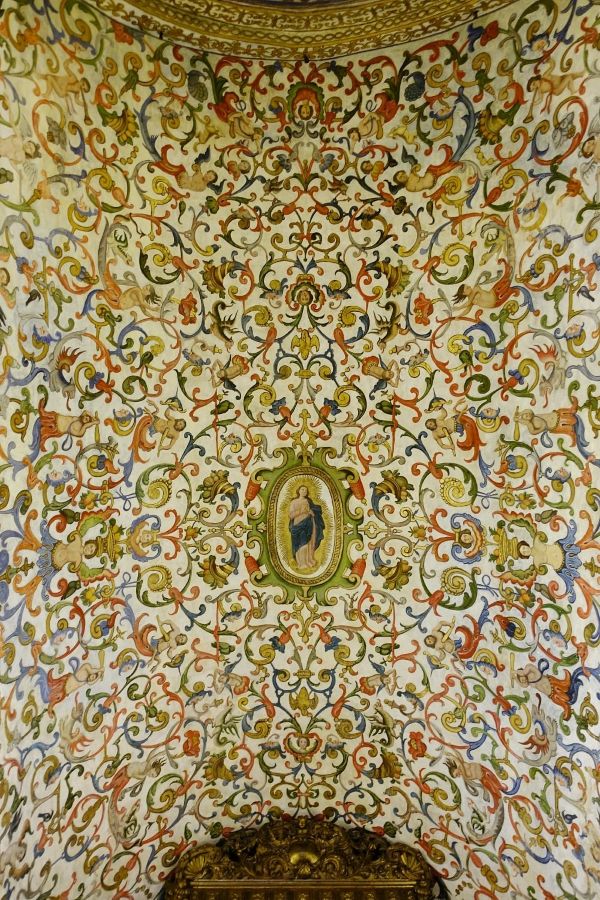
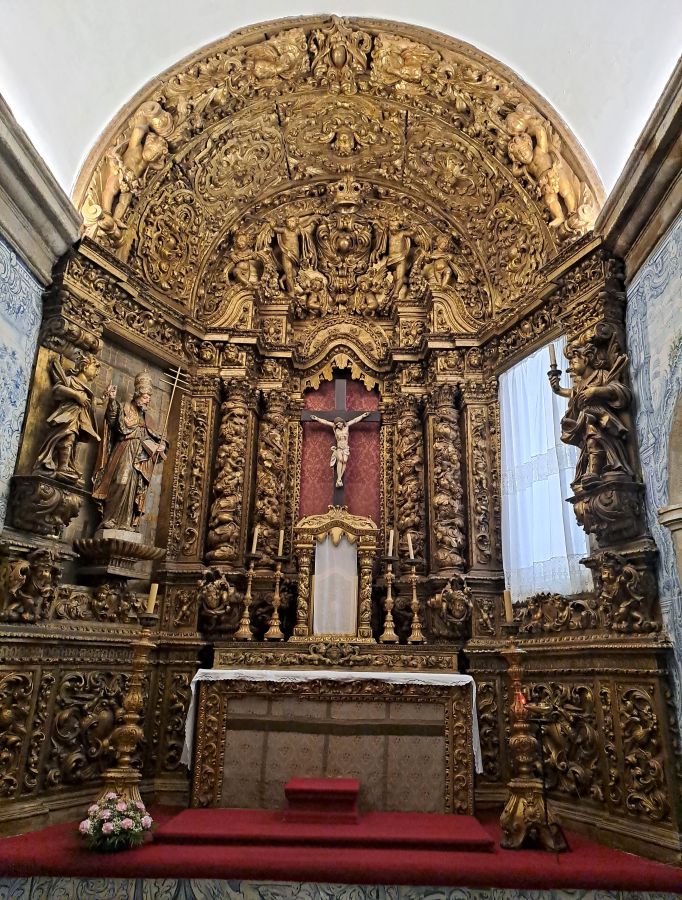
Altars of the transept
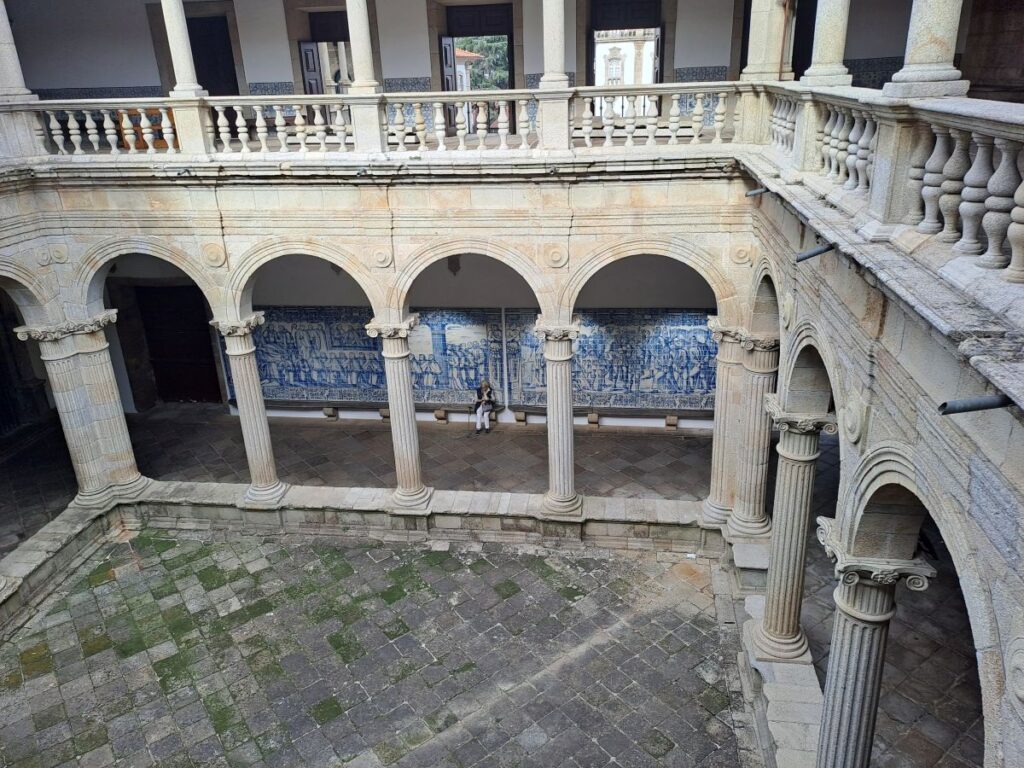
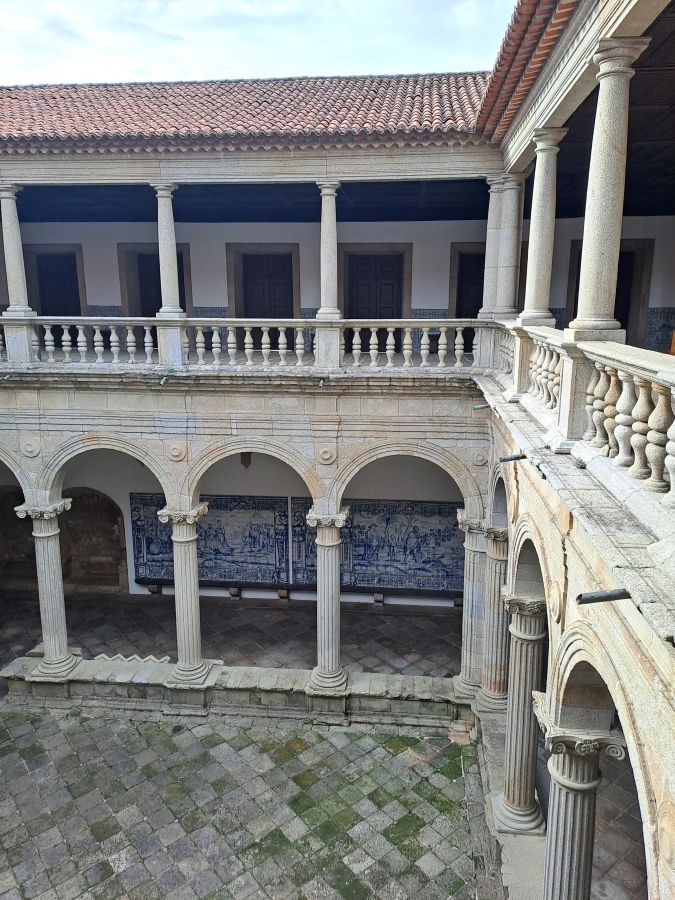
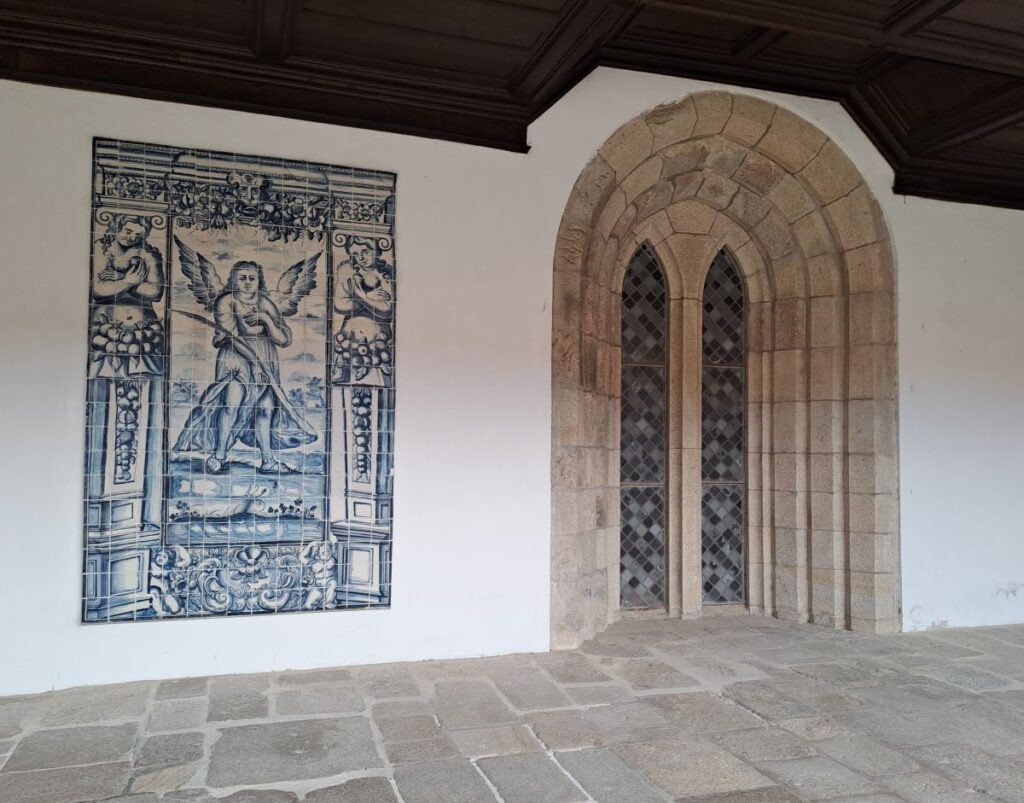
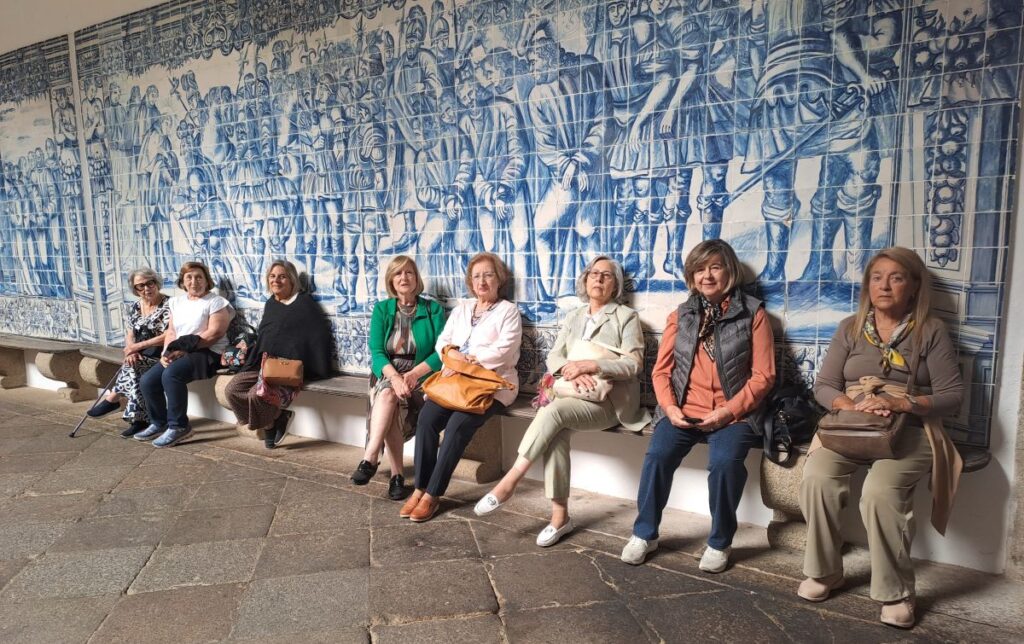
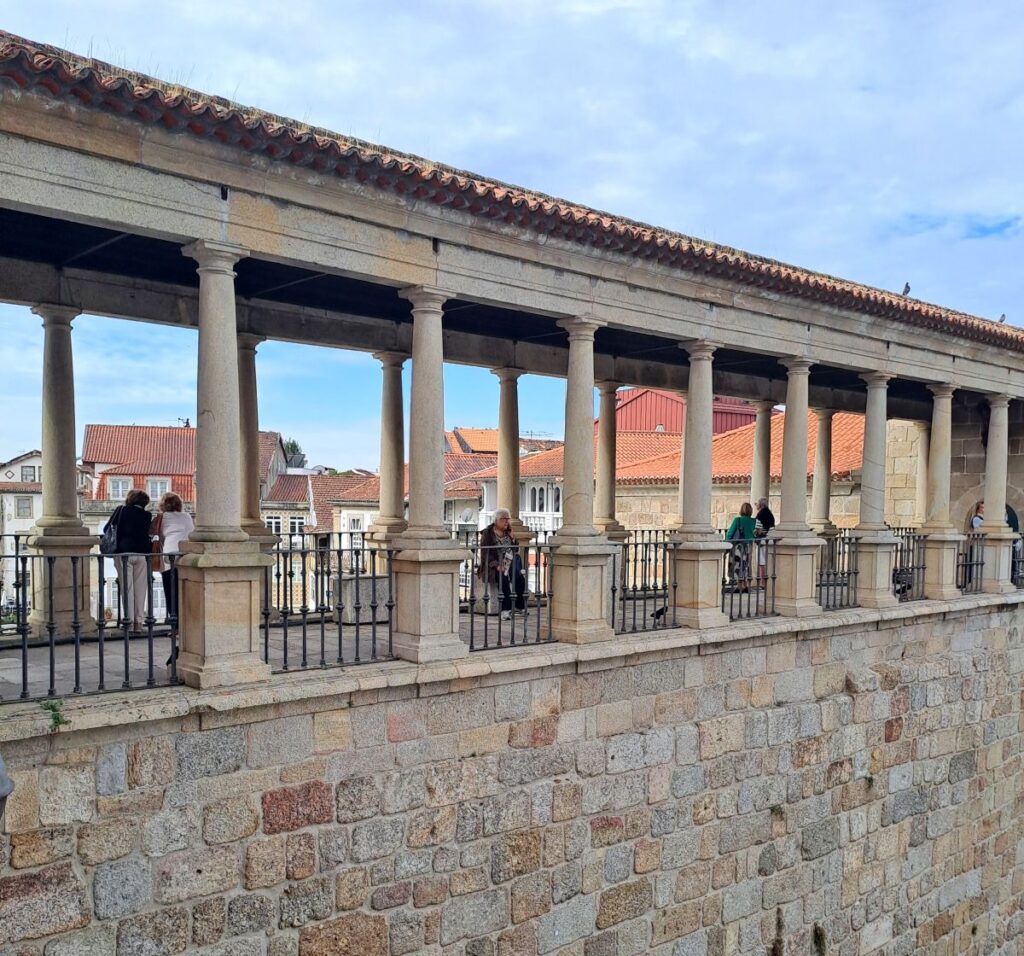
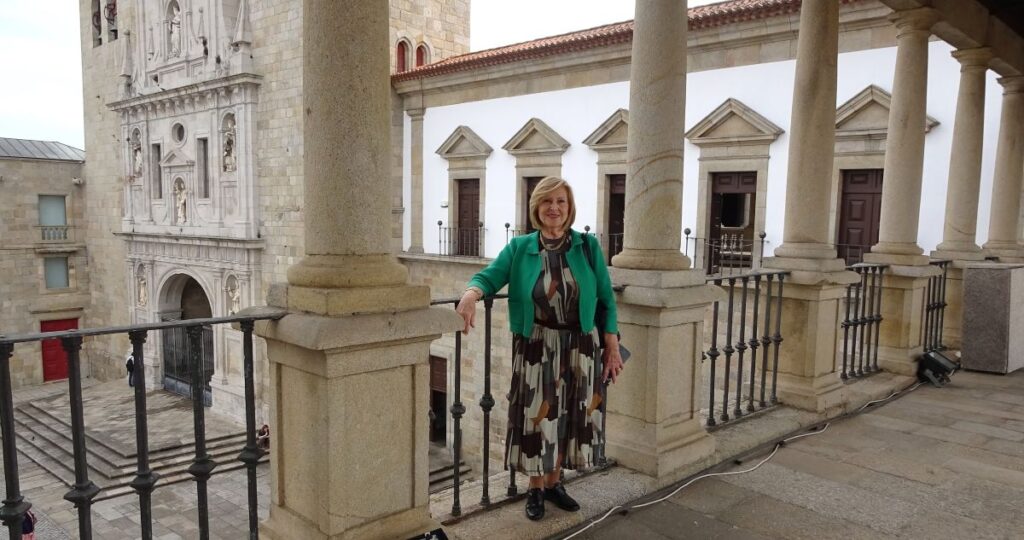
Cloisters of the Cathedral
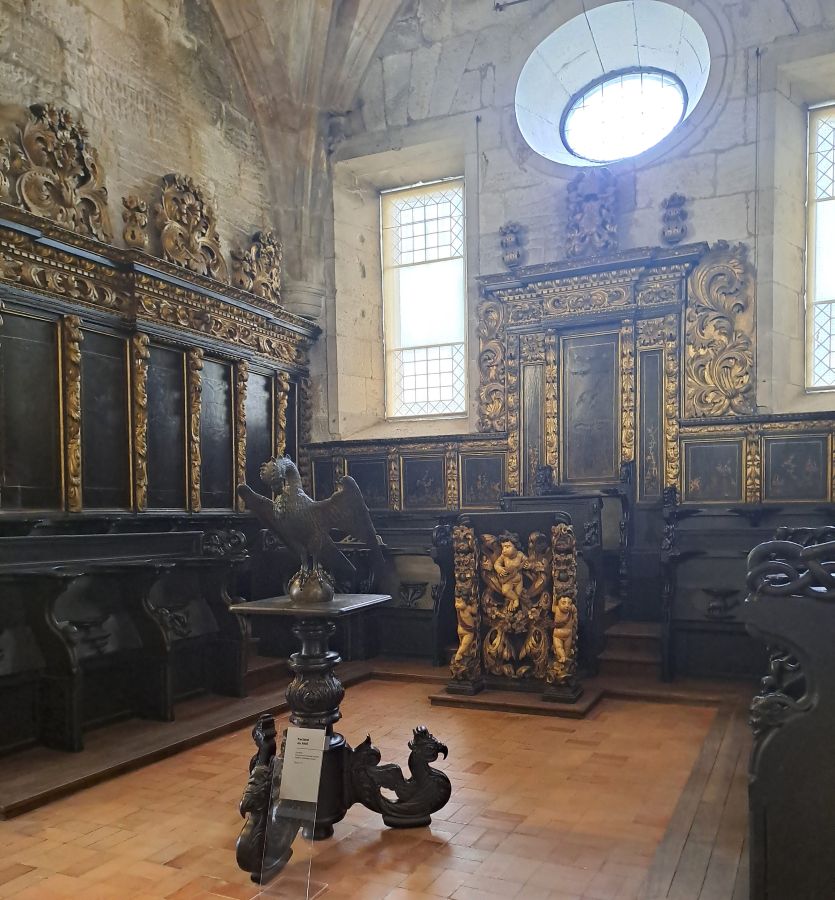
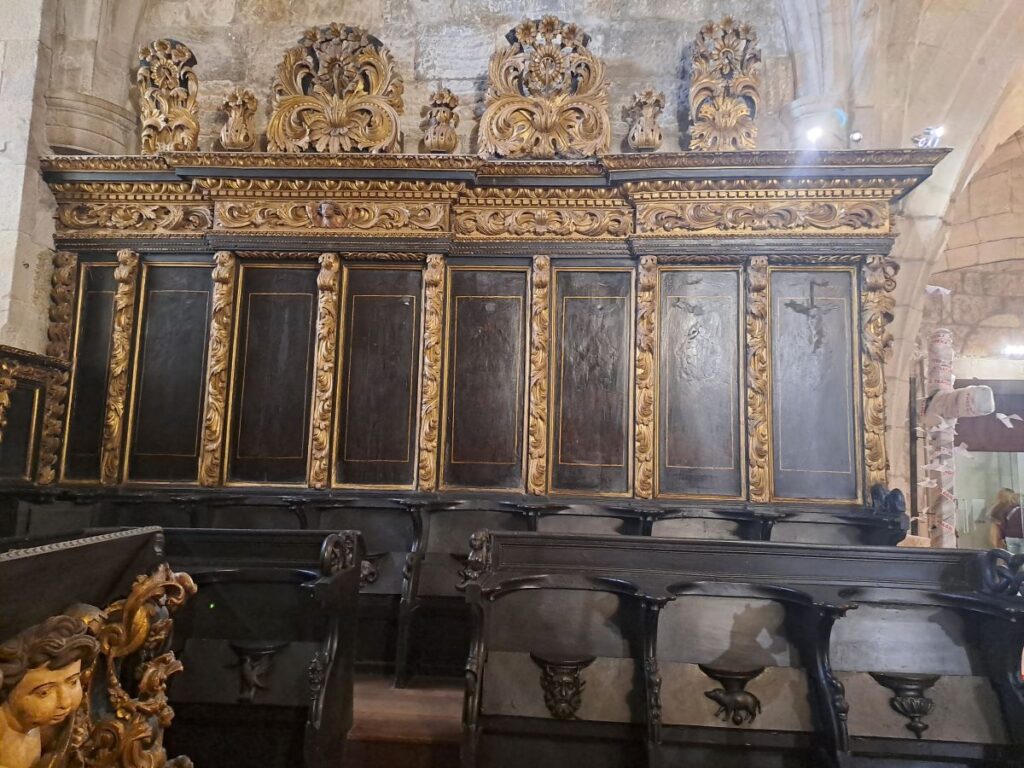
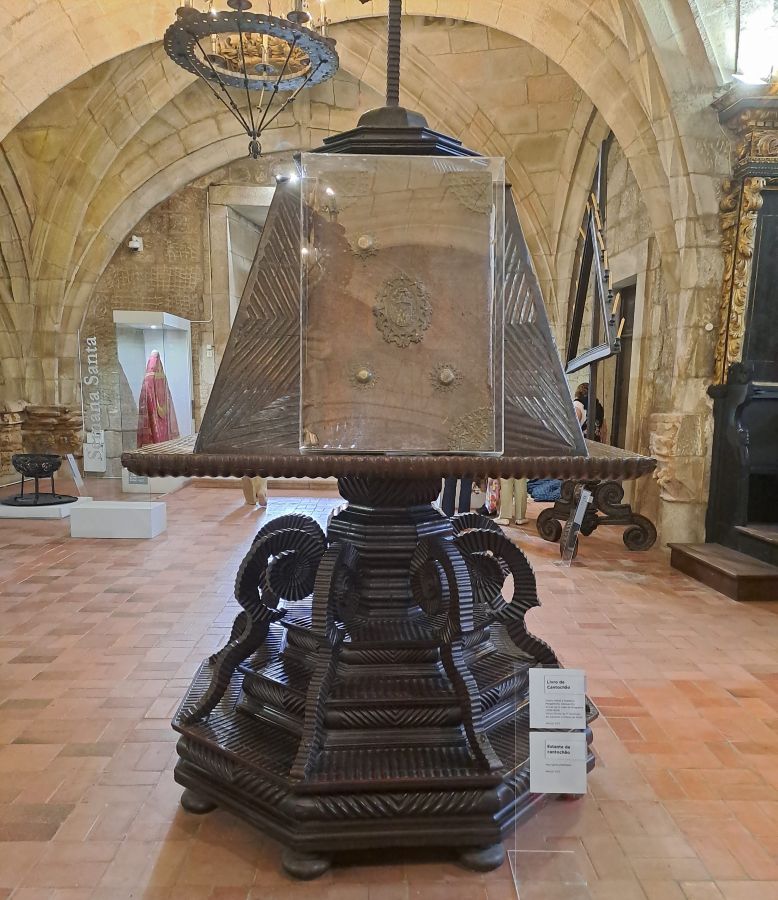
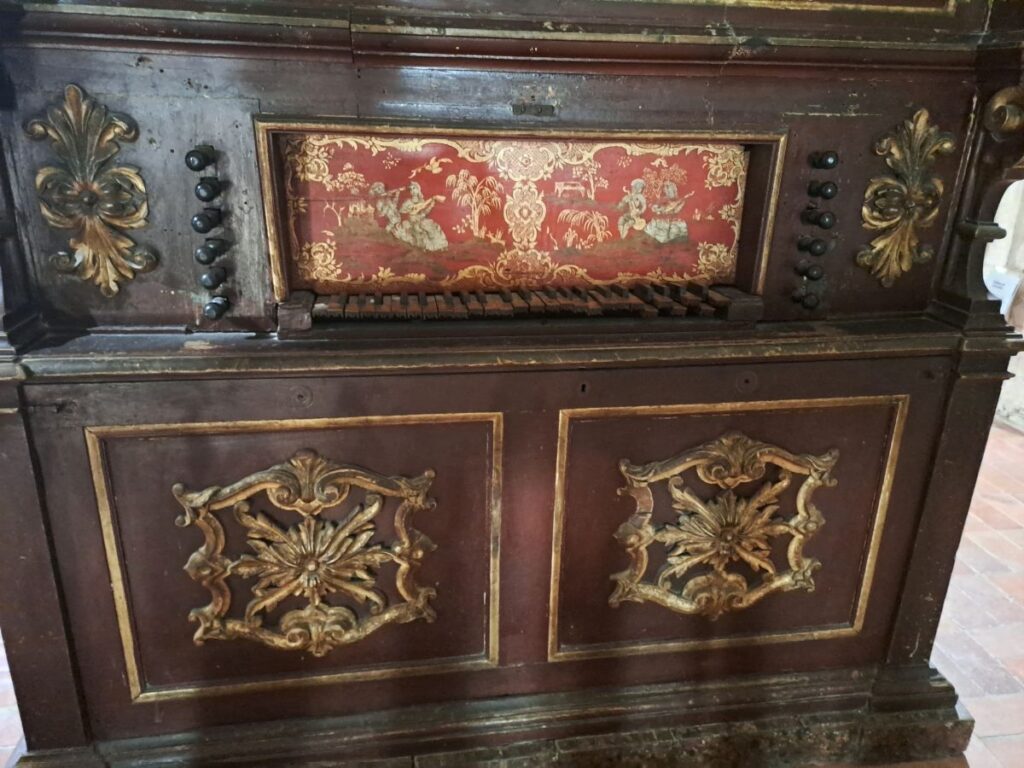
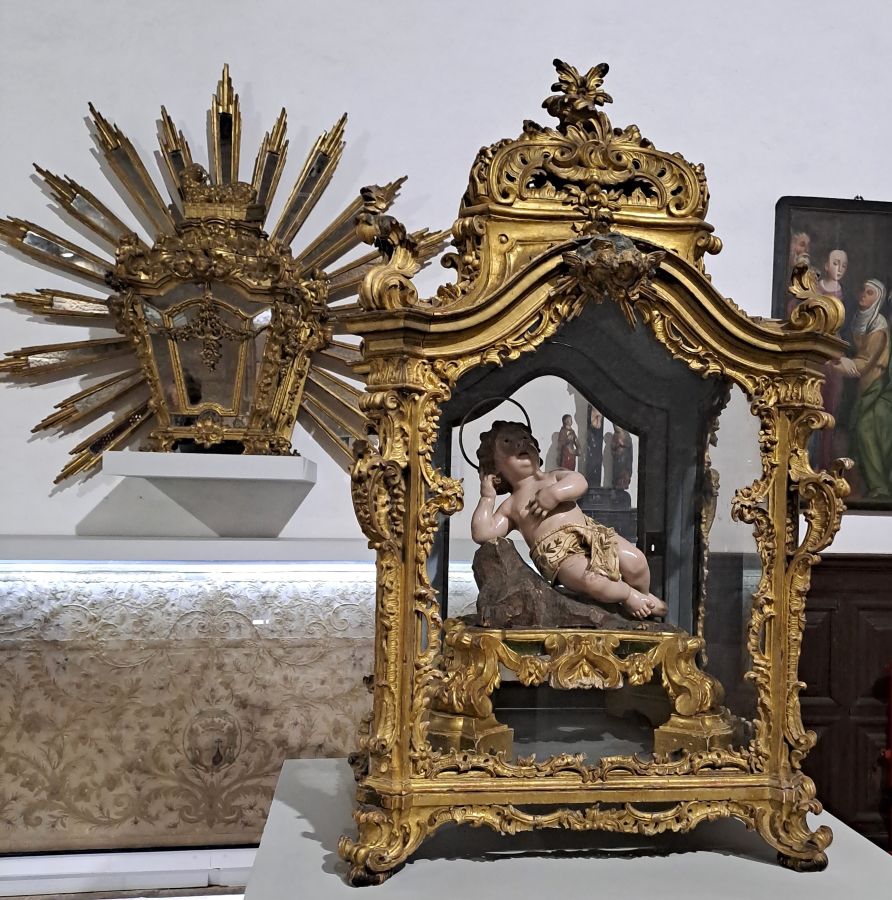
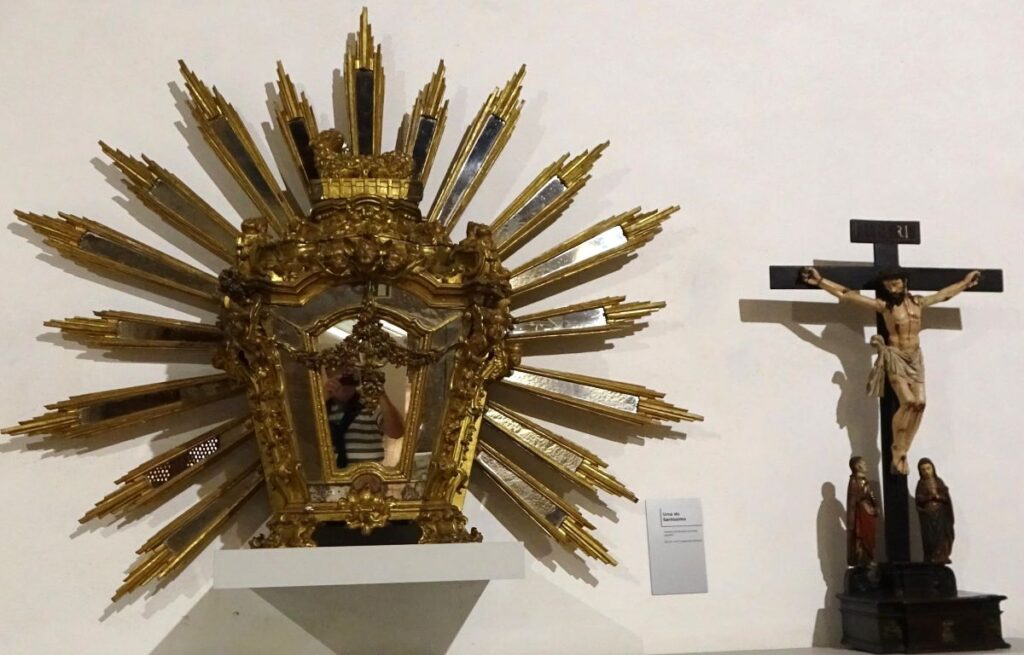
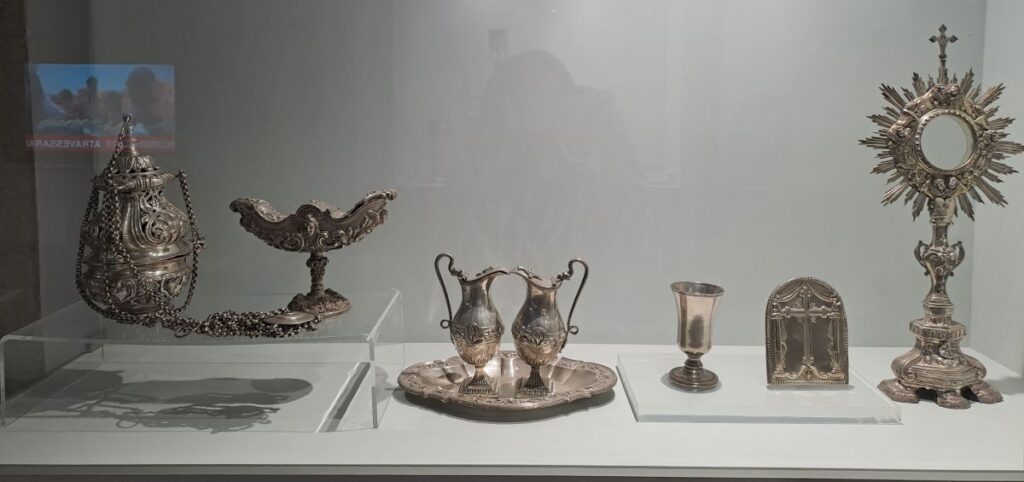
Treasure Museum
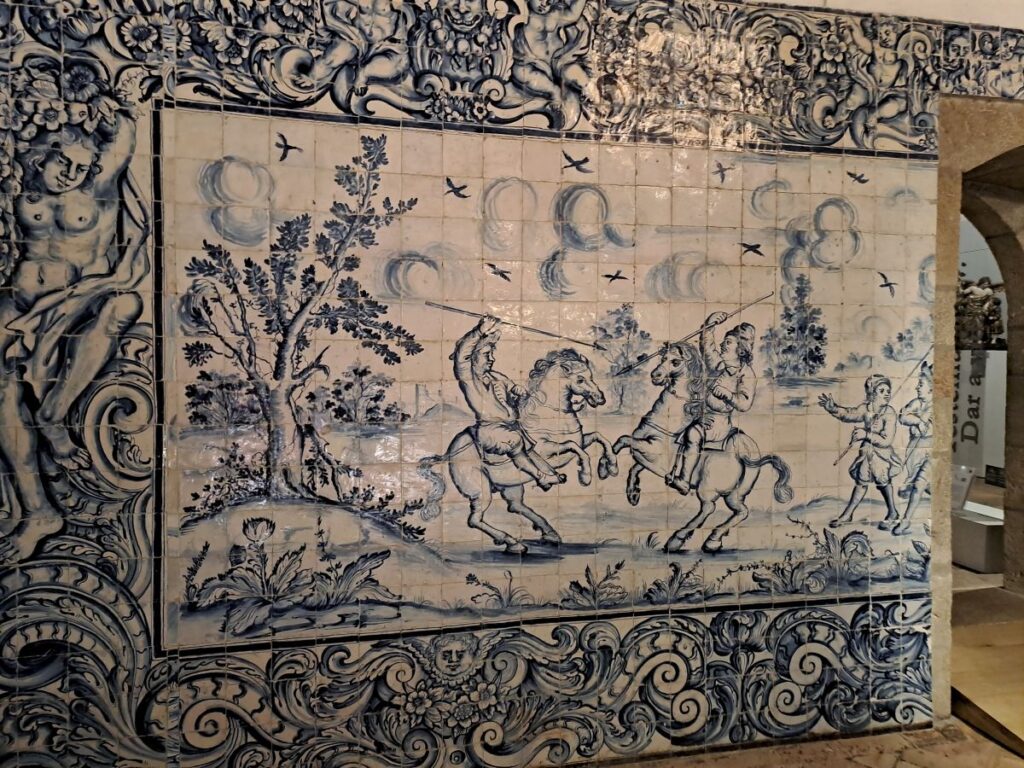
Grão Vasco Museum
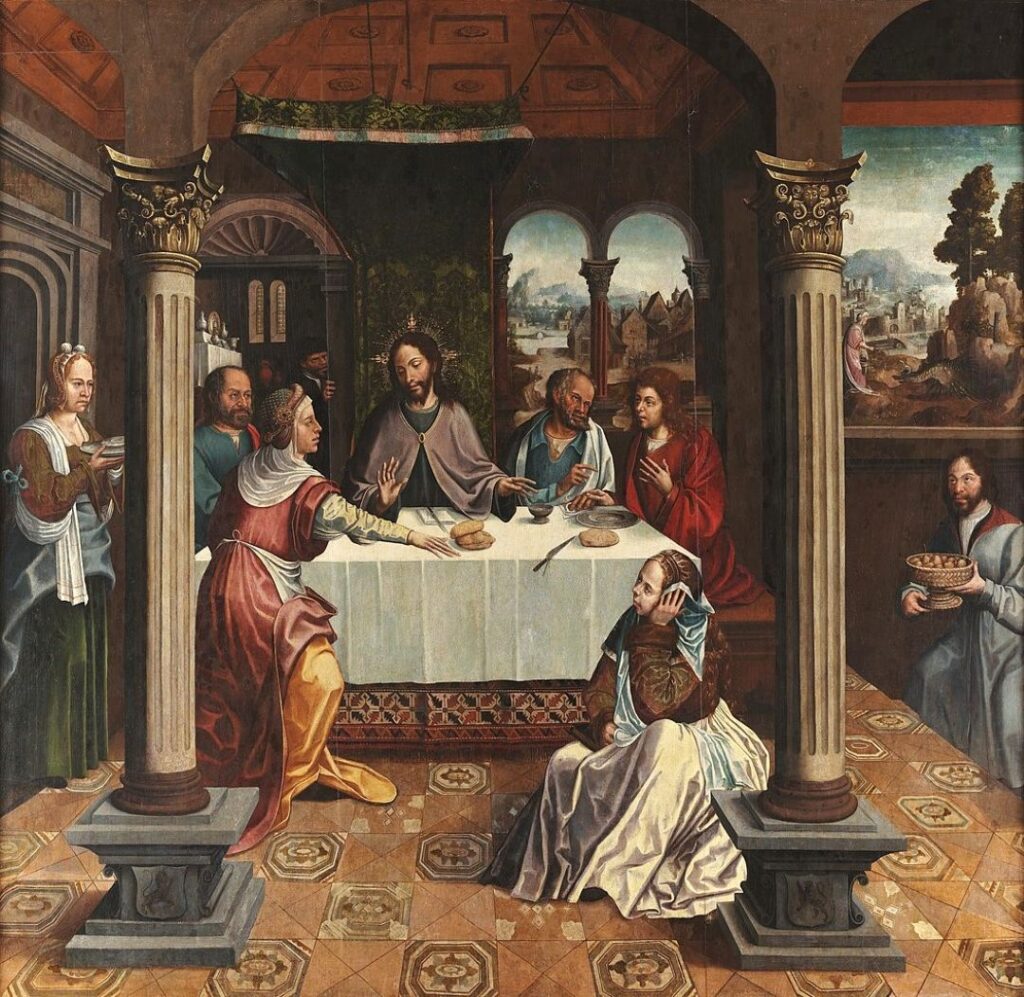
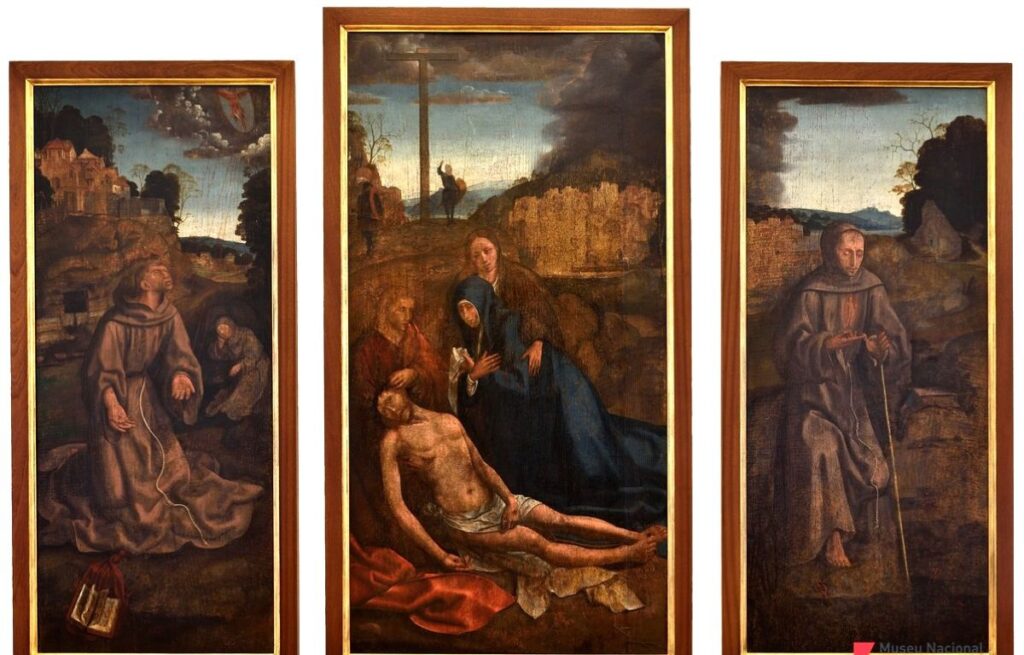
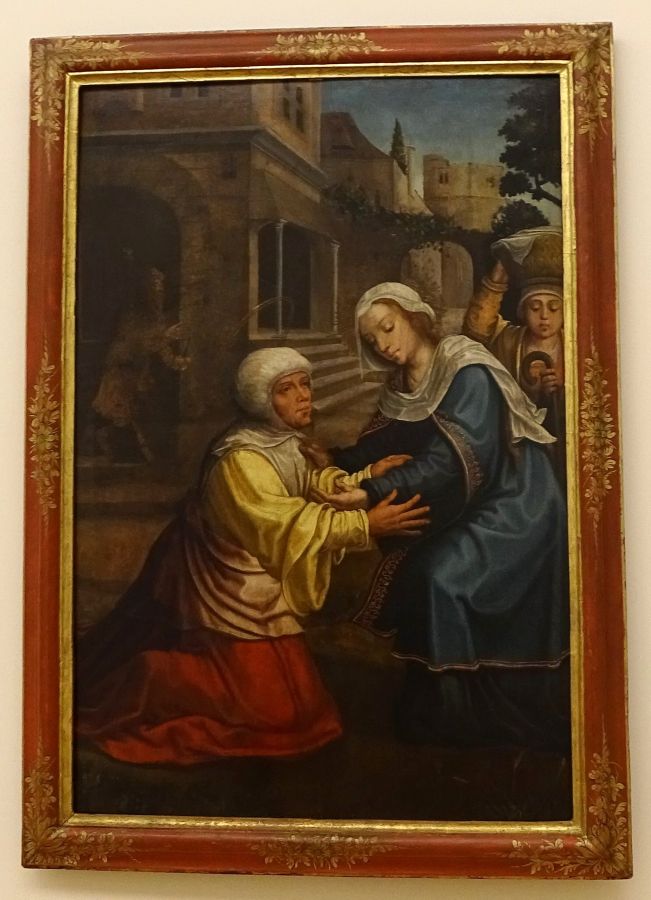
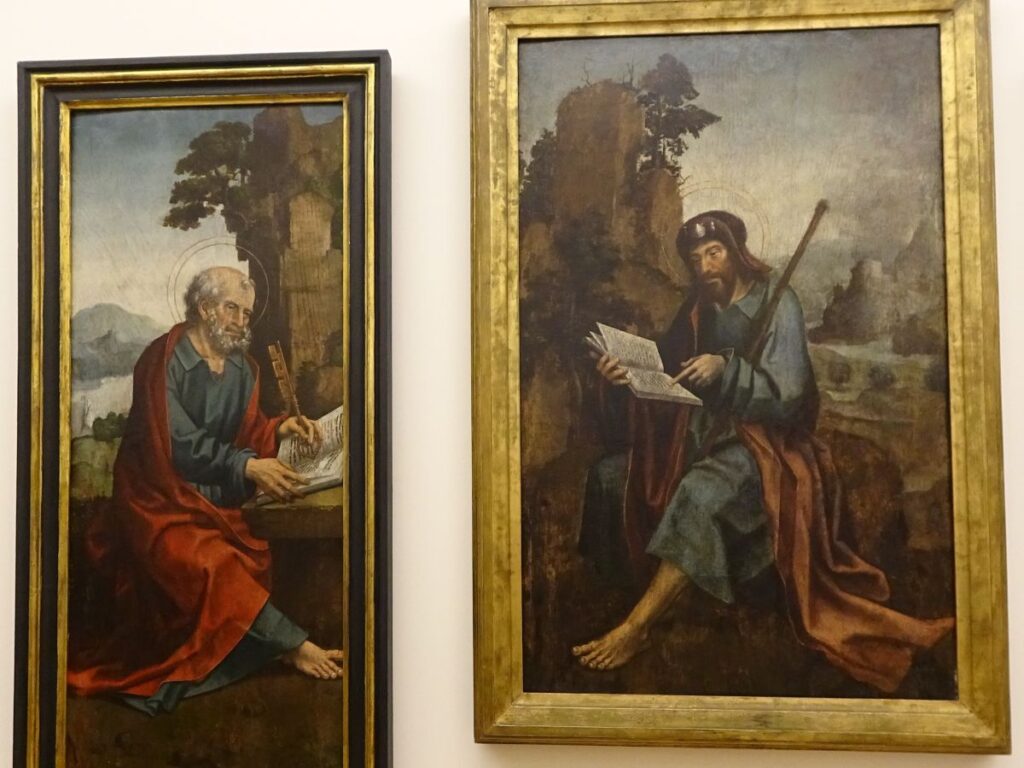
The Grão Vasco Museum has twenty-four pieces classified as ‘Movable Cultural Assets of National Interest’; they are commonly known as ‘National Treasures’ and are located in the Grão Vasco and Collaborators Room.
Altarpiece of the Main Chapel of Viseu Cathedral – painted between 1501 and 1506, it now consists of fourteen paintings depicting scenes from the birth and death of Jesus Christ.
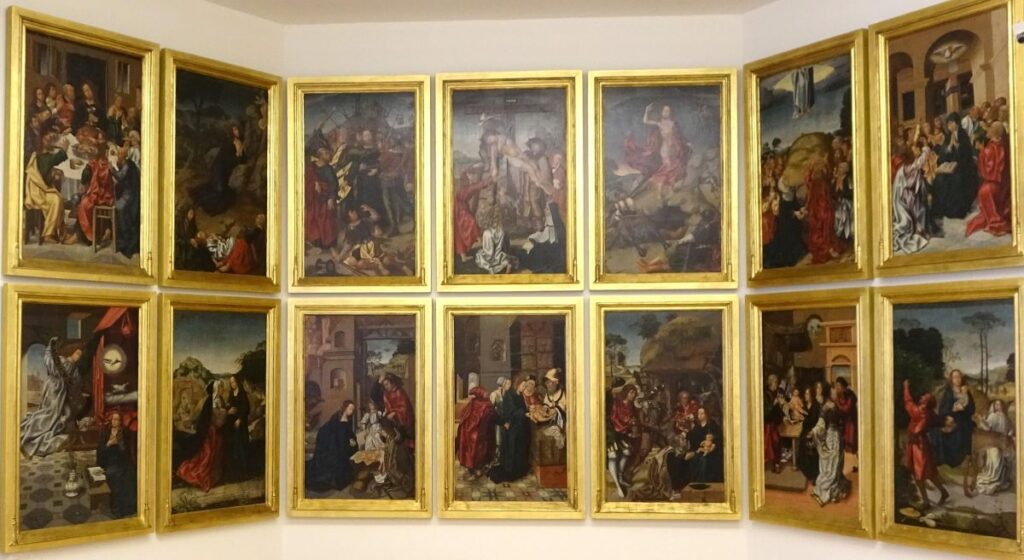
Other altarpieces painted for the chapels of Viseu Cathedral, commissioned from Grão Vasco by Bishop Miguel da Silva.
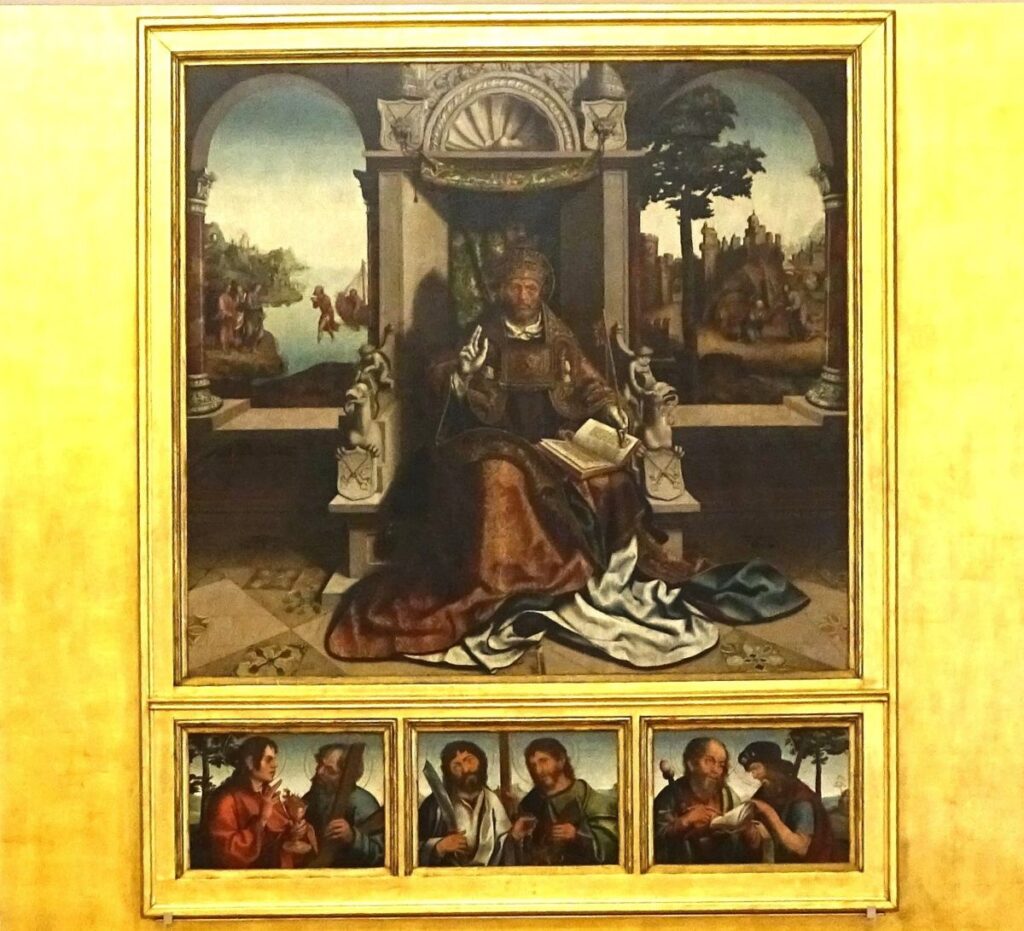
Altarpiece of St. Peter – At the bottom of the painting, on the predella, three small paintings depict the apostles: St. John the Evangelist and St. Andrew, St. Bartholomew and St. Thomas, St. Paul and St. James.
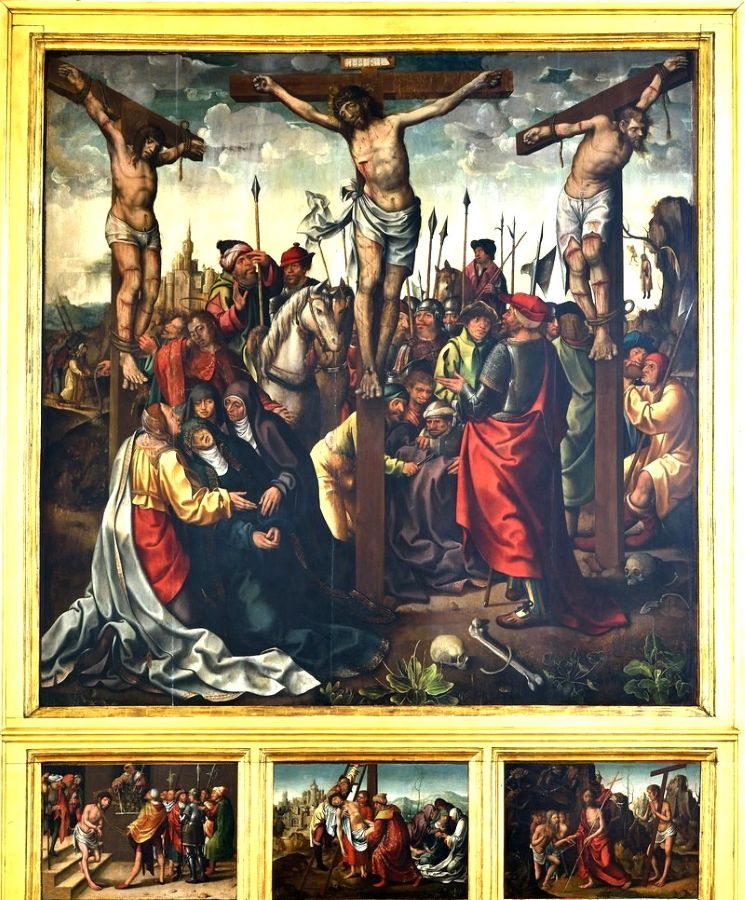
Calvary Altarpiece – Christ crucified between the Good and Bad Thieves. The predella paintings depict Christ before Pilate, the Descent from the Cross, and Christ’s Descent into Limbo.
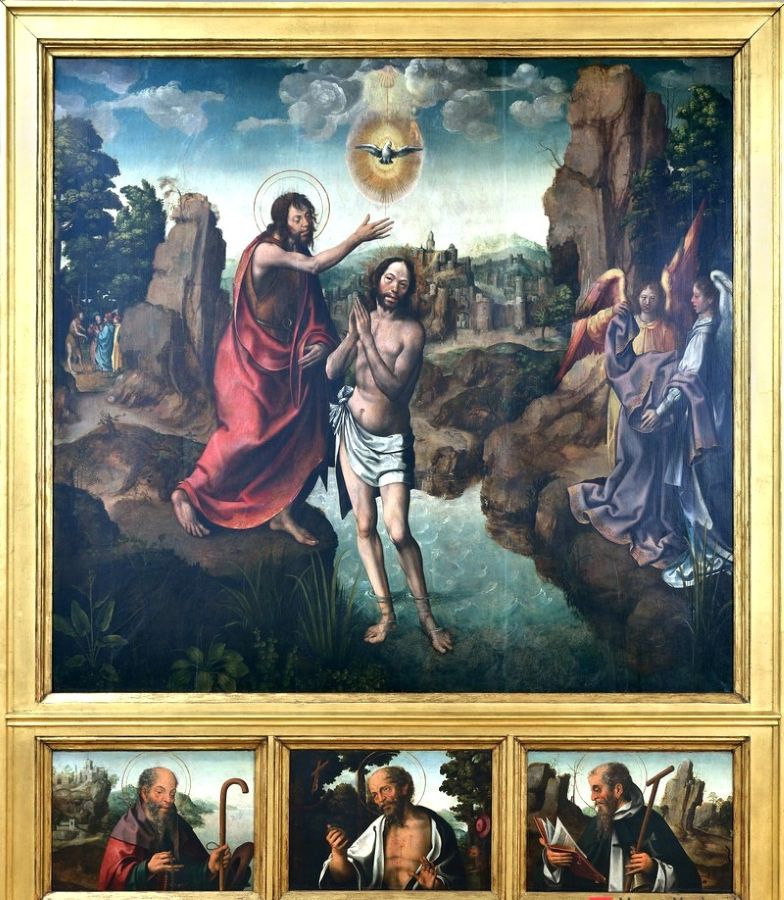
Altarpiece of the Baptism of Christ – Saint John baptising Christ in the River Jordan. The tripartite predella features Saint Paul the Hermit, Saint Jerome and Saint Anthony.
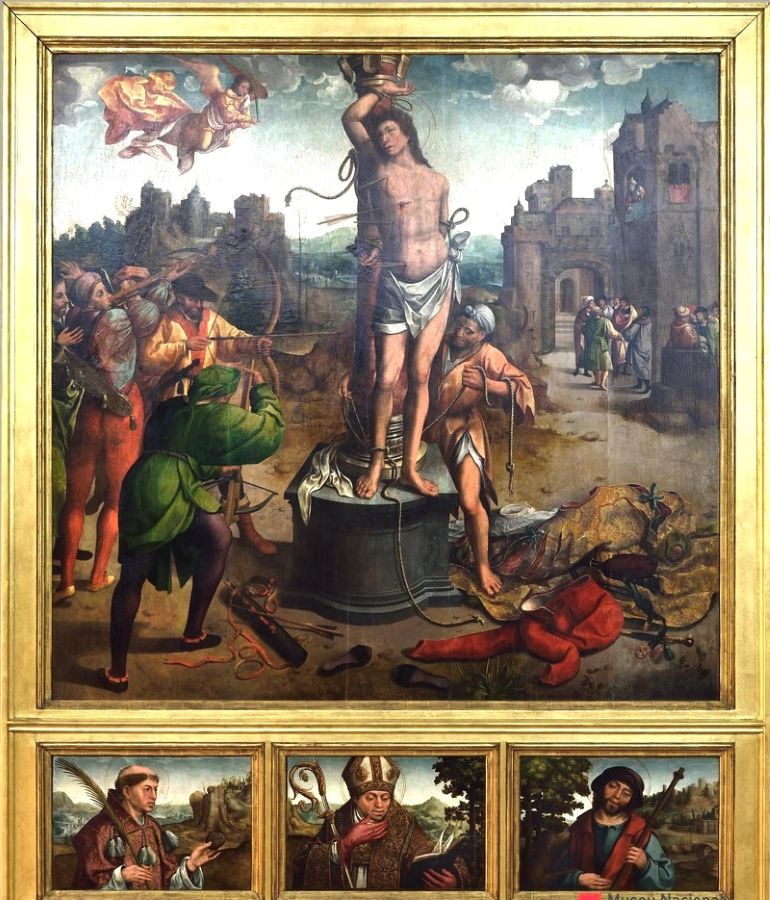
Altarpiece of Saint Sebastian – the torture of Saint Sebastian, who was tied to a tall column on a pedestal, and the precise moment when his executioners shoot him with arrows.
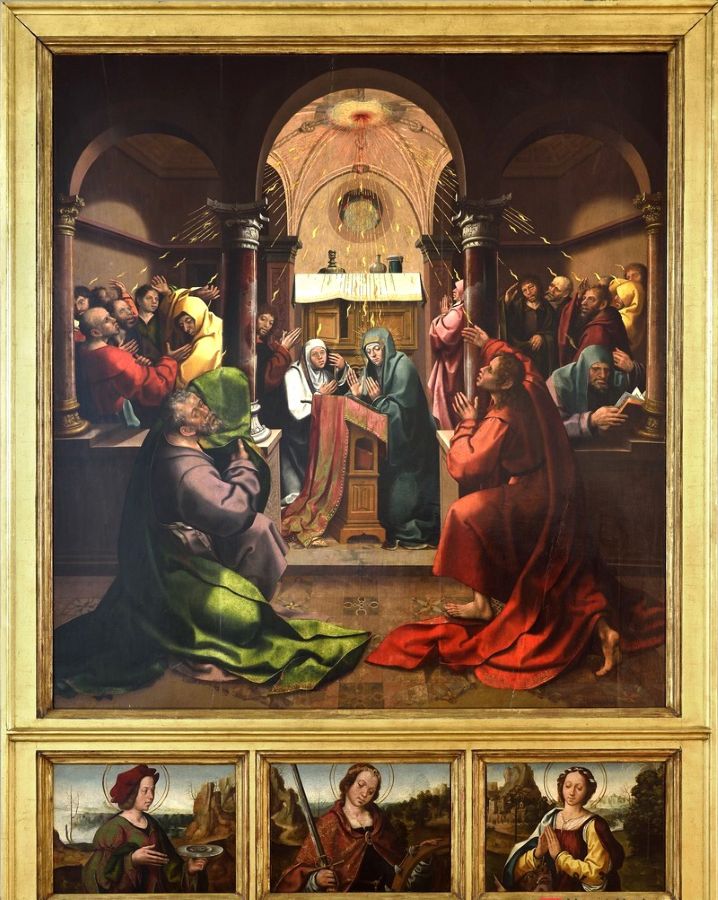
Pentecost Altarpiece – depicts the descent of the Holy Spirit on the day of Pentecost.
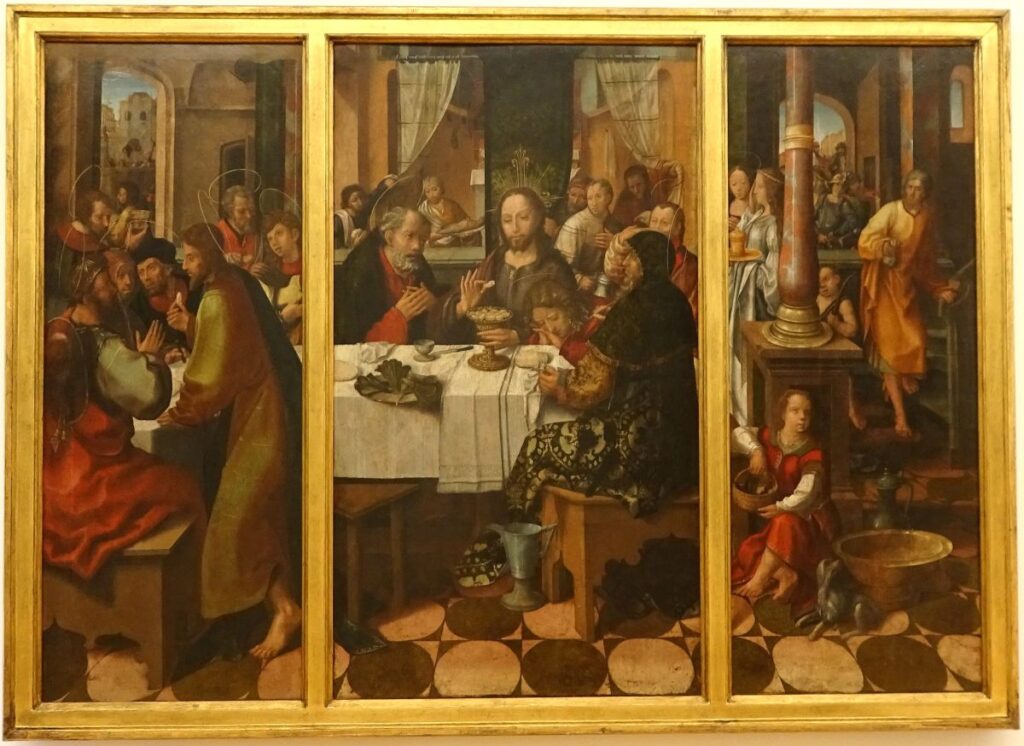
The Last Supper – Christ stands out in the central panel, holding the Eucharistic chalice, flanked by Saint Peter and Saint John. On the left, Judas appears in yellow clothing, holding a bag of coins, symbolising his betrayal. On the right is Saint Mary Magdalene, carrying a container of perfume.
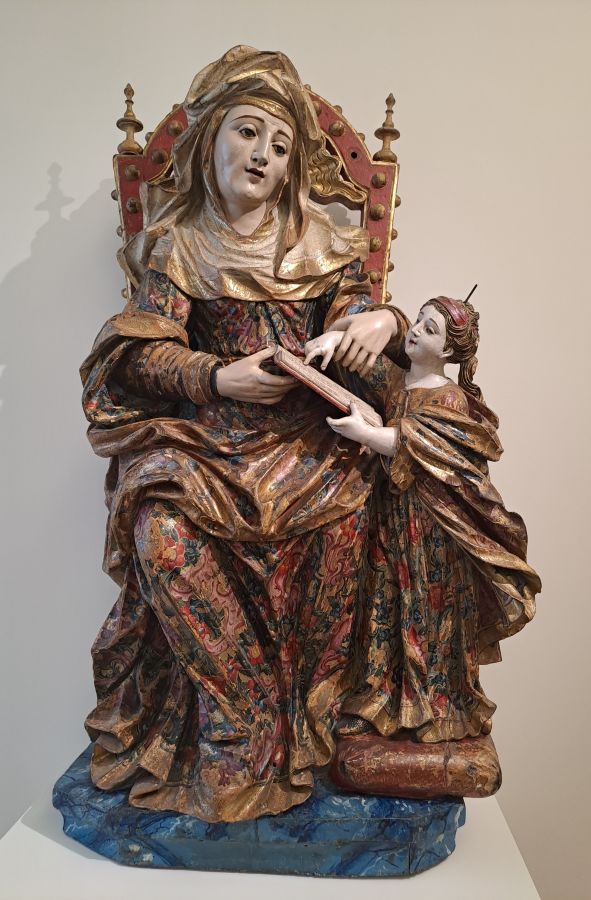
Saint Anne and the Virgin – sculpture by Claude Joseph Courrat Laprade depicting Saint Anne holding the hand of her daughter Mary, helping her to read the sacred texts.
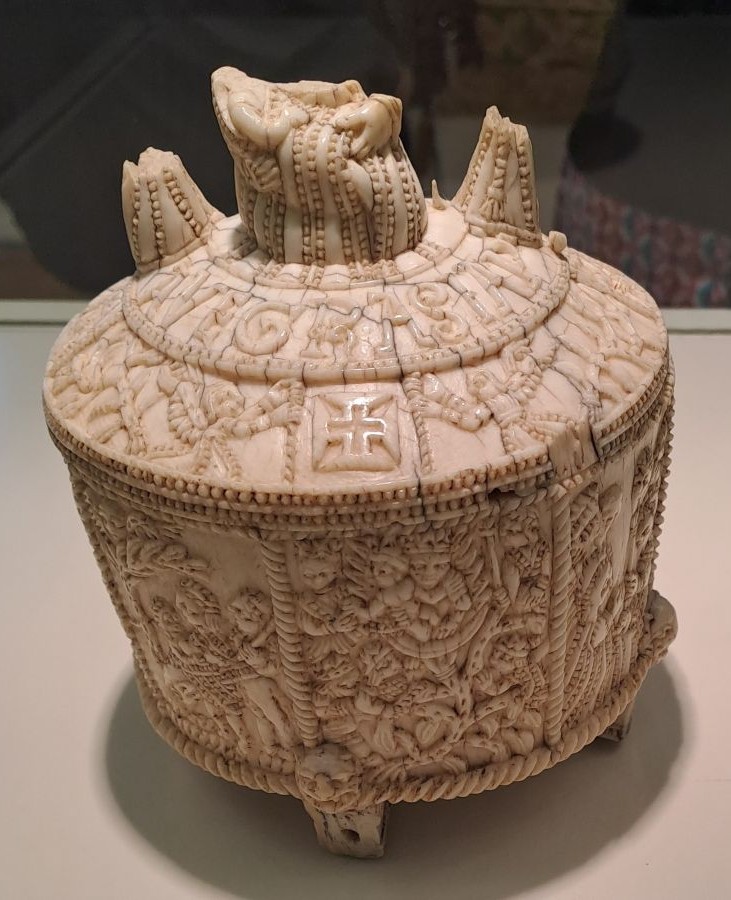
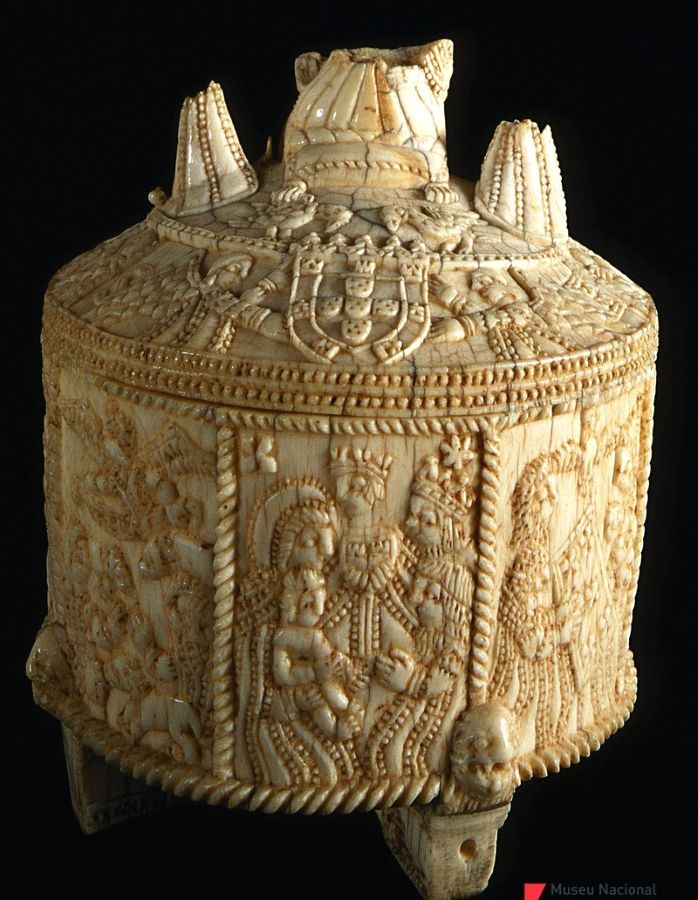
Pyx / Host box – from Sierra Leone, made of ivory decorated with scenes related to the birth of Christ. The Pyx at the Grão Vasco Museum is a testament to the influence of the Portuguese in West Africa in the 15th and 16th centuries. Of the only three examples of this type of pyx in the world, this is the most complete.
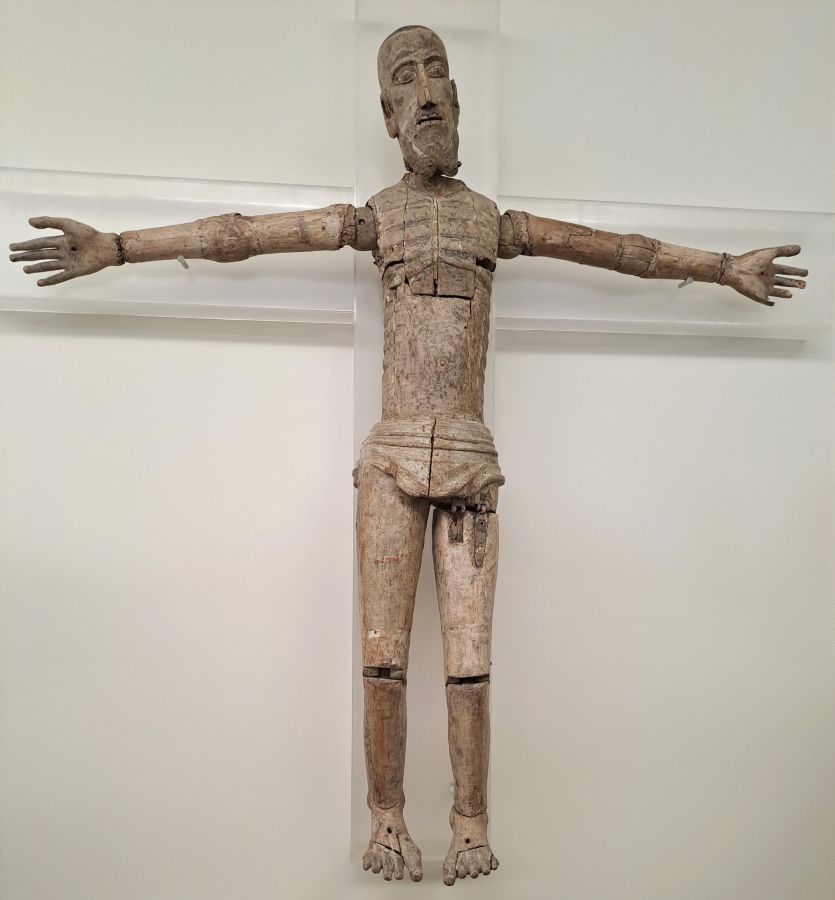
Articulated Christ – this life-size image of Christ Crucified, carved in wood and dating from the 13th century, has the unique feature of being articulated in different parts of the body. It was used in the Descent from the Cross ceremony held during Holy Week.
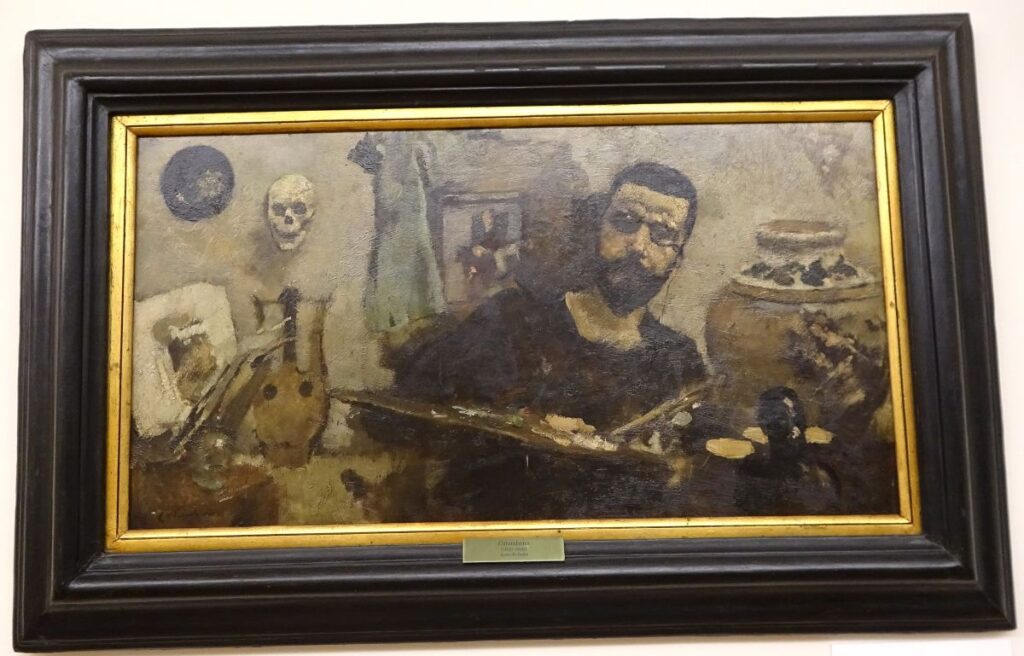
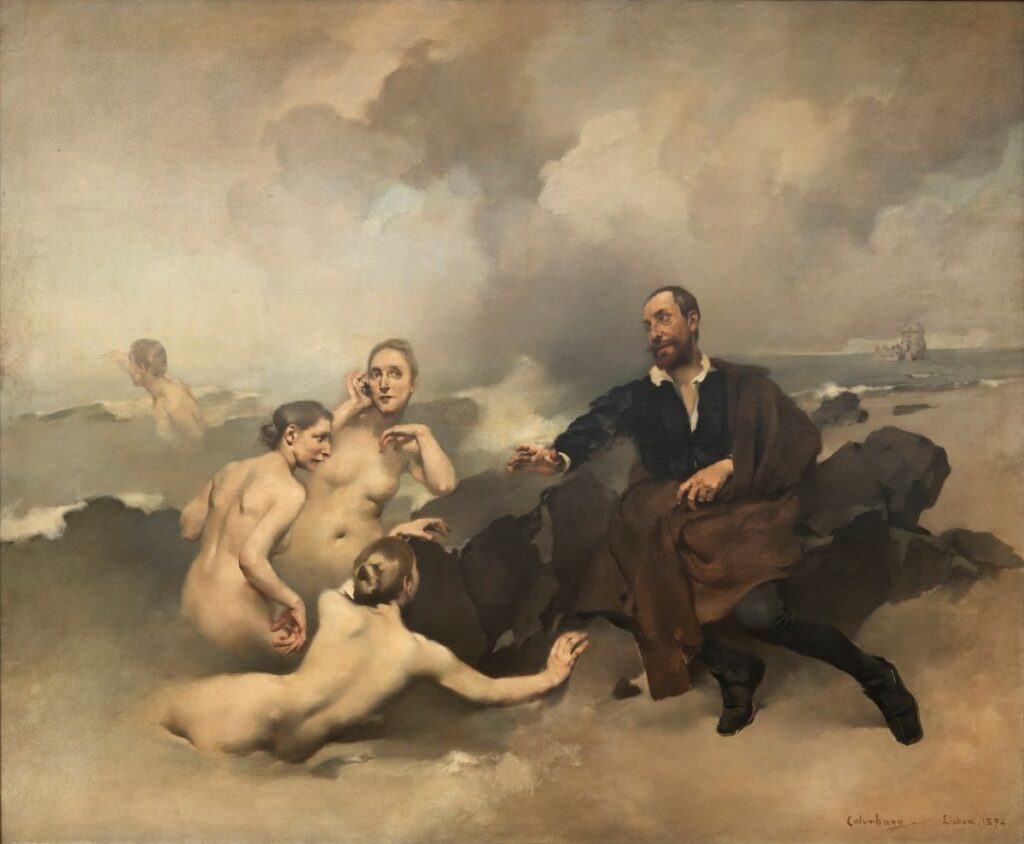
In My Studio – is one of Columbano Bordalo Pinheiro’s earliest works and also his first self-portrait.
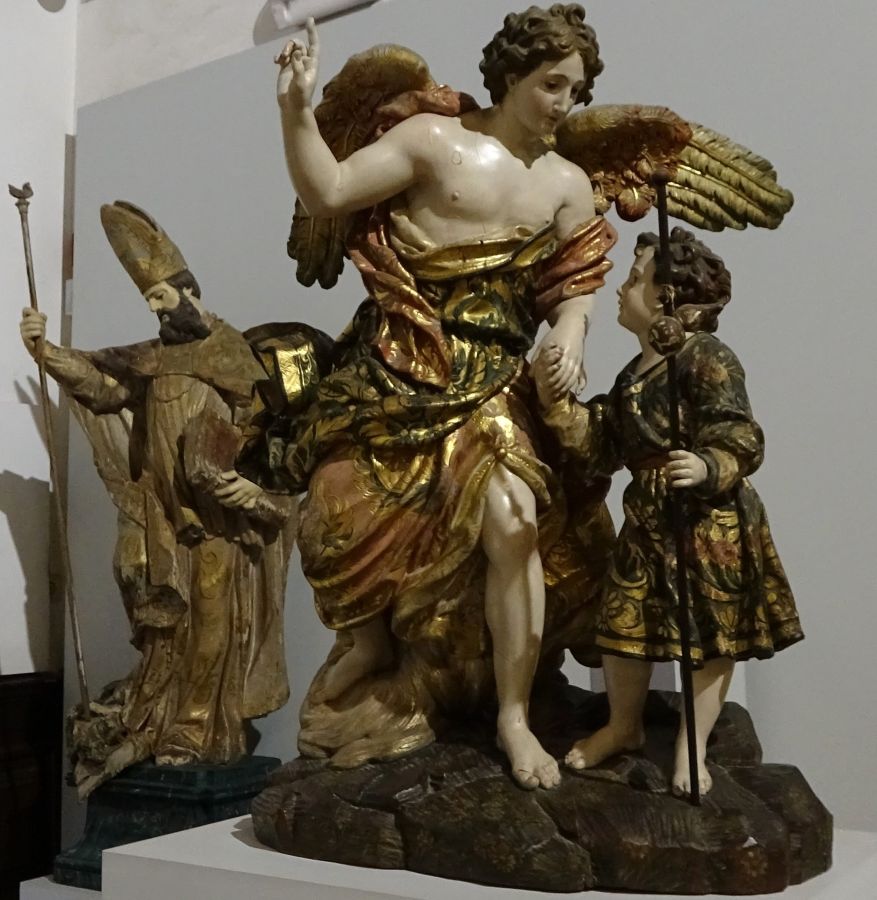
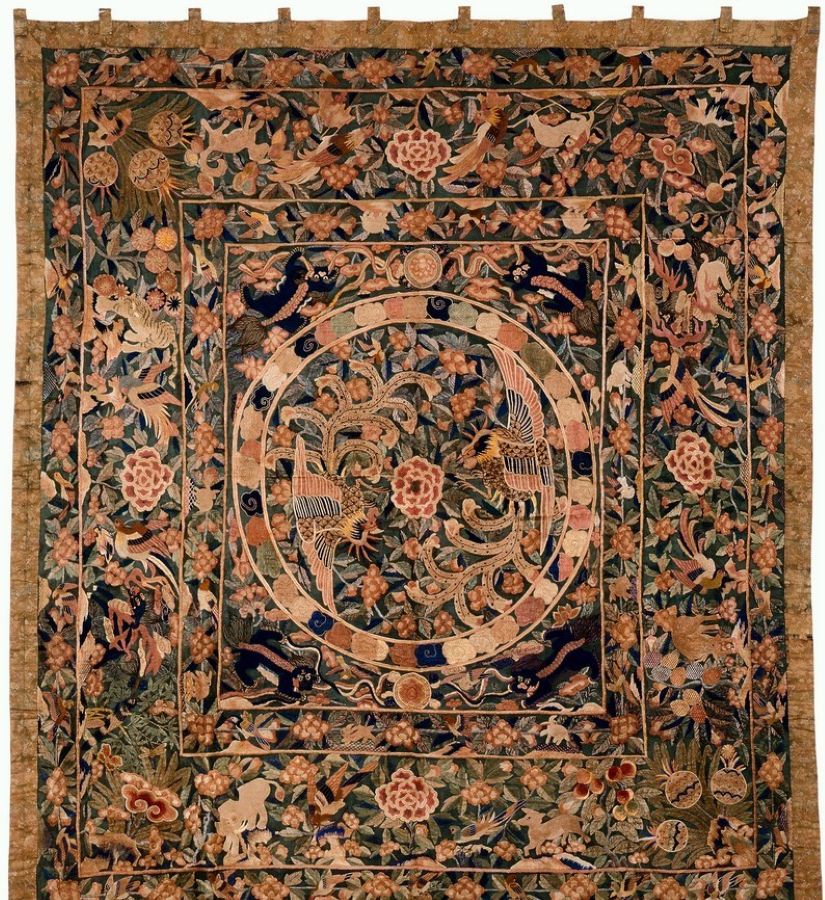
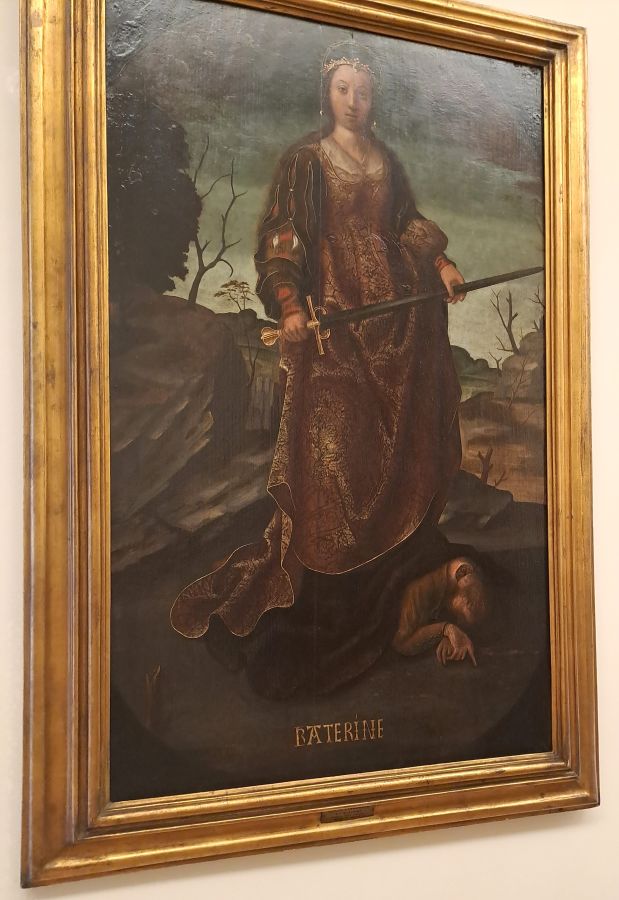
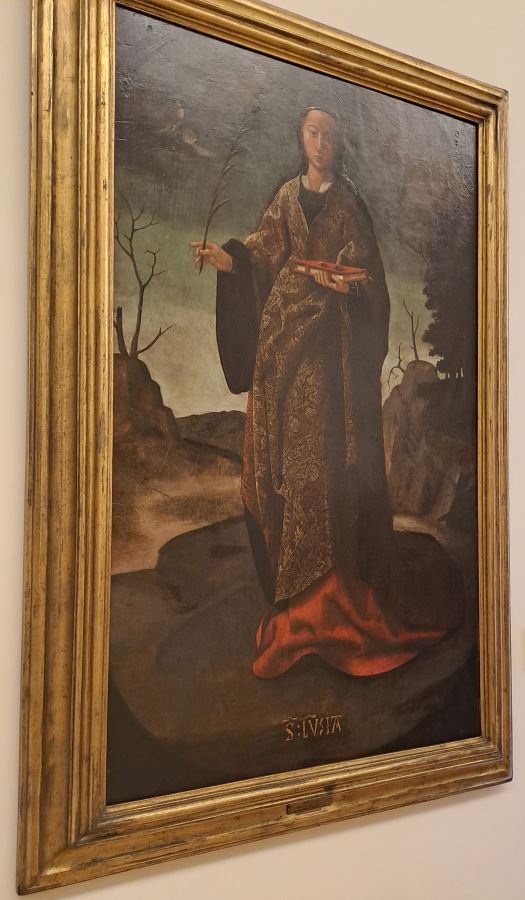
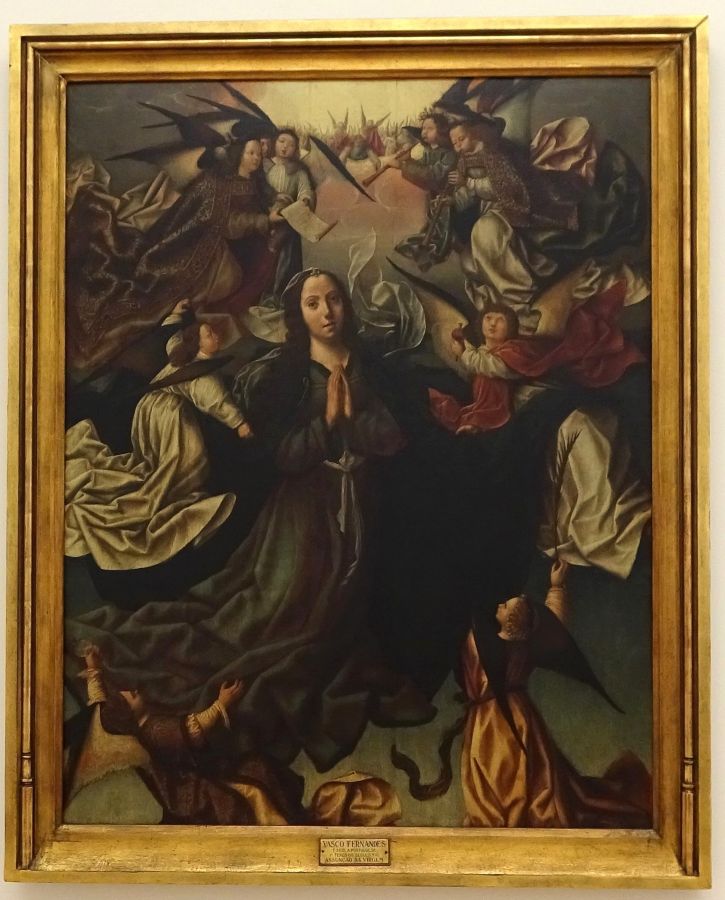
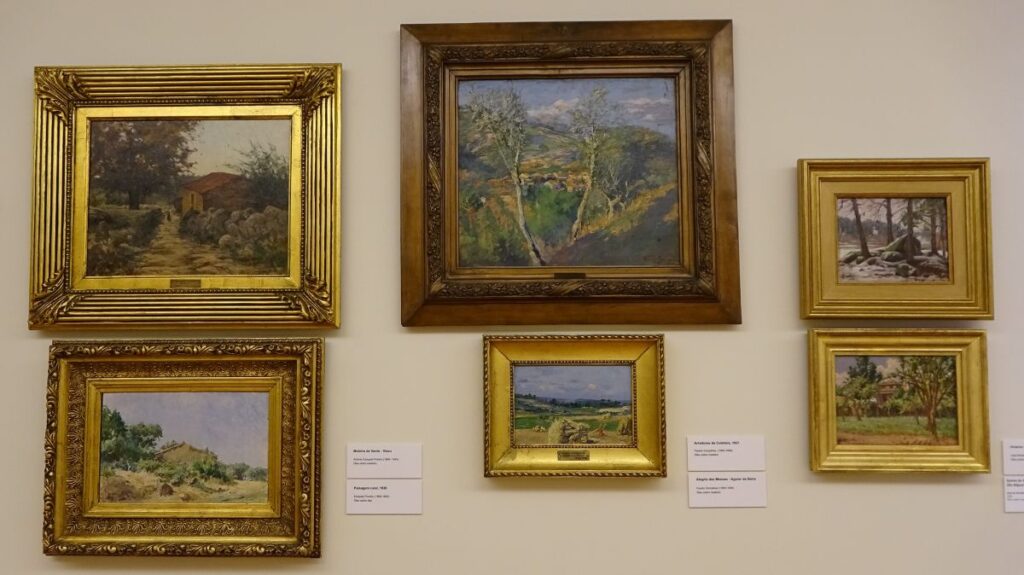
Below are some other sculptures and paintings that do not belong to the ‘National Treasures’ collection.
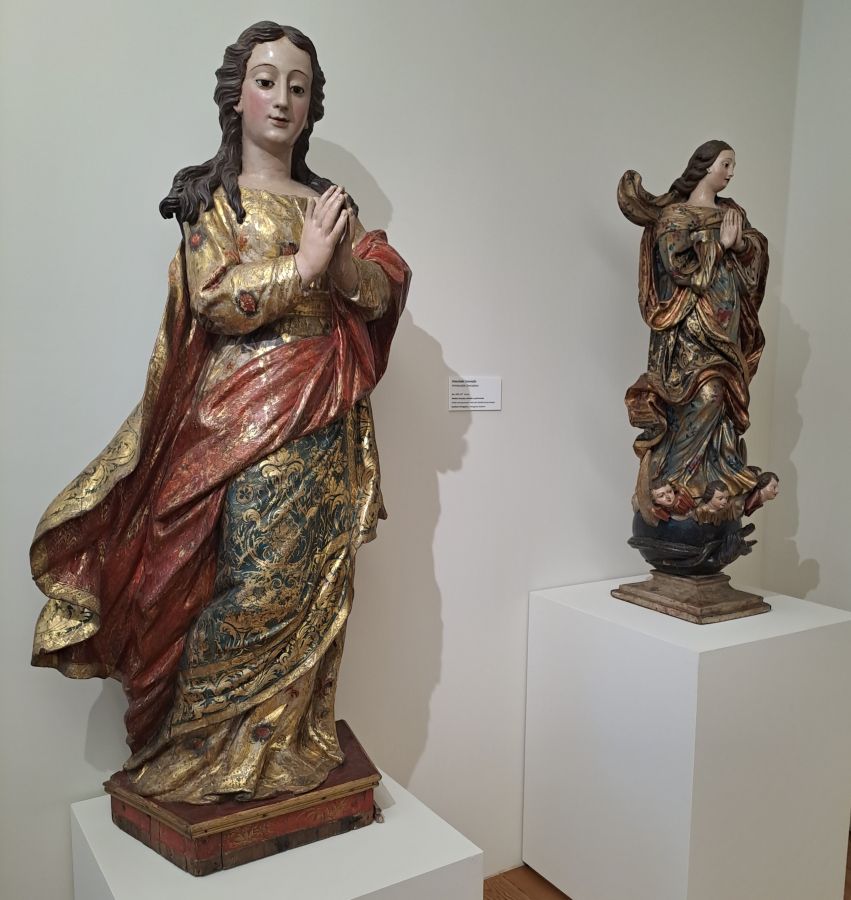
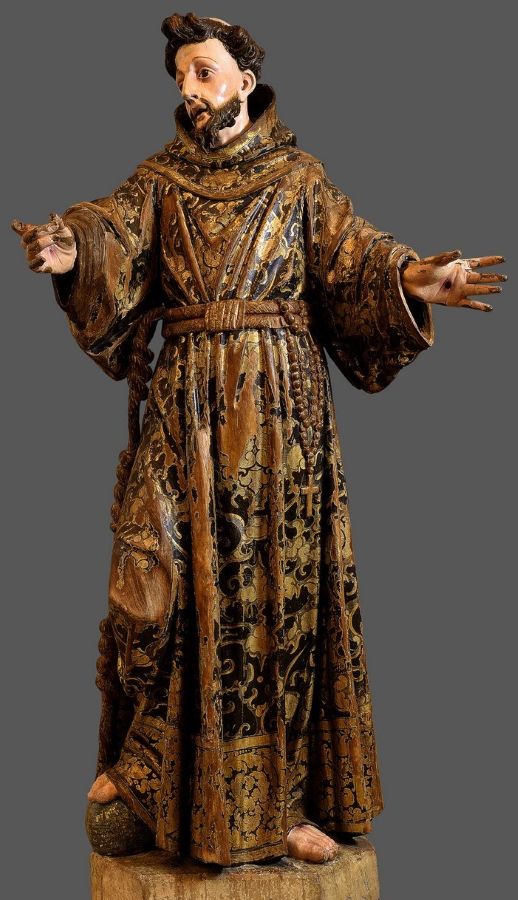
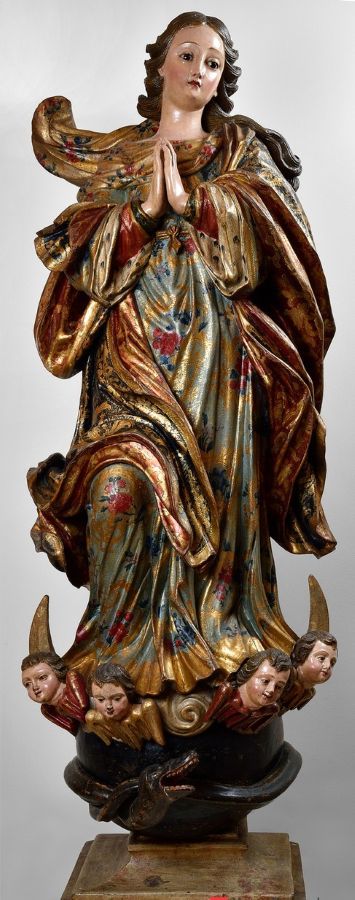
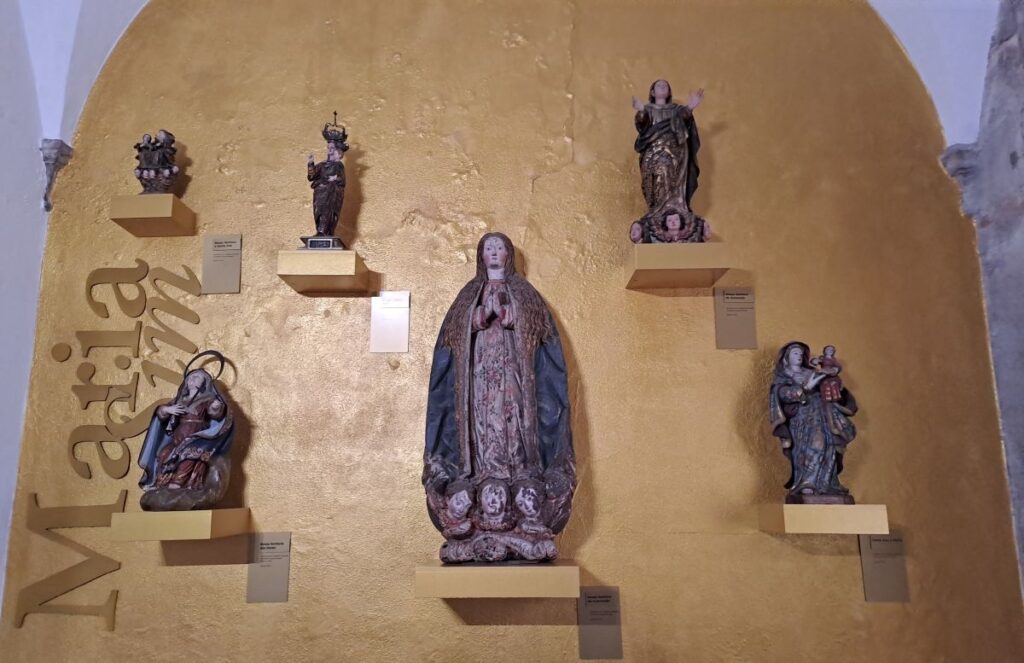
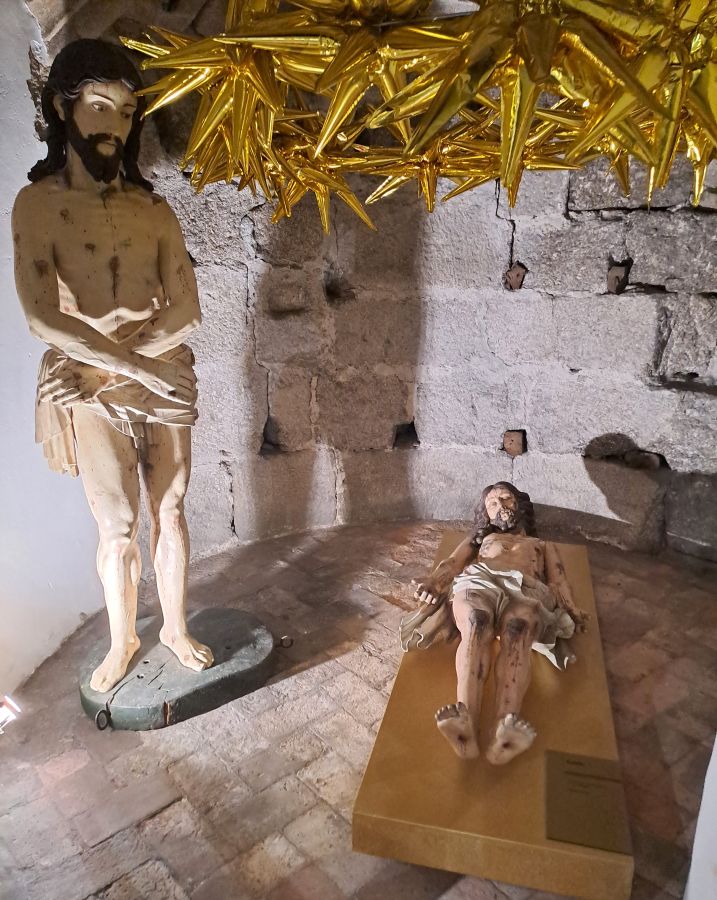
Polychrome wood carvings
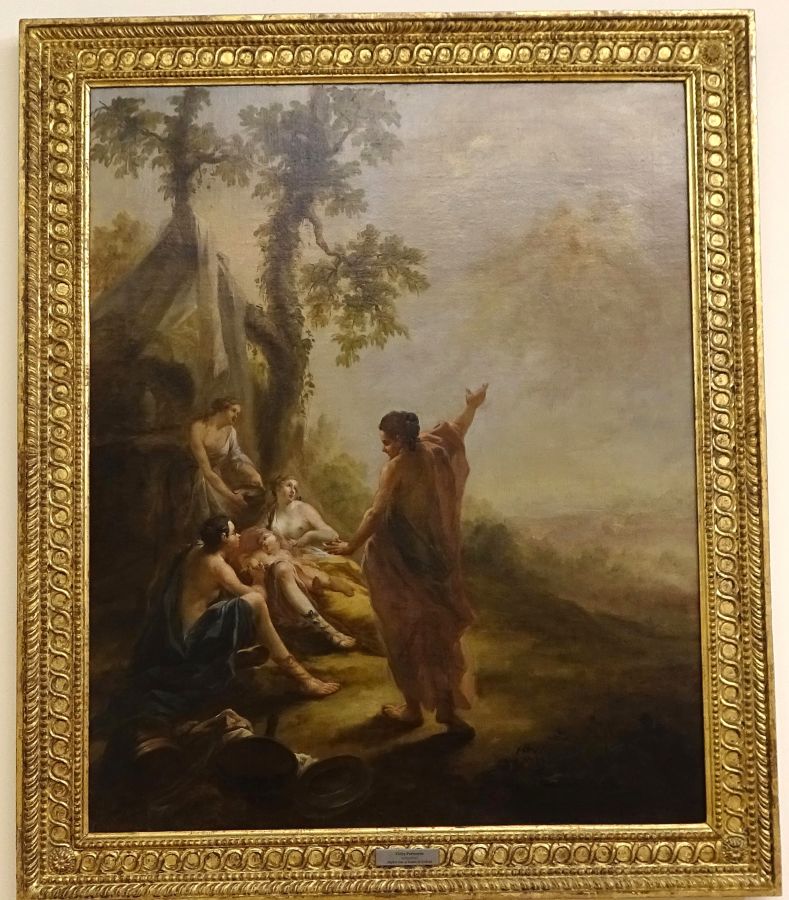
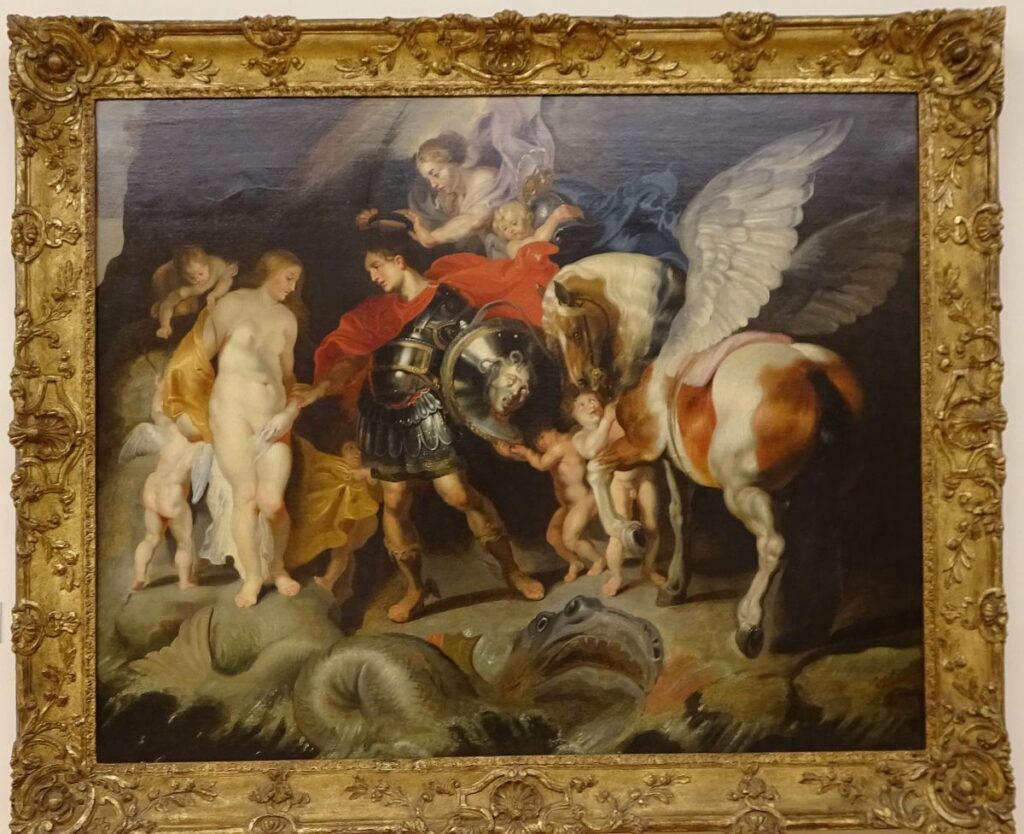
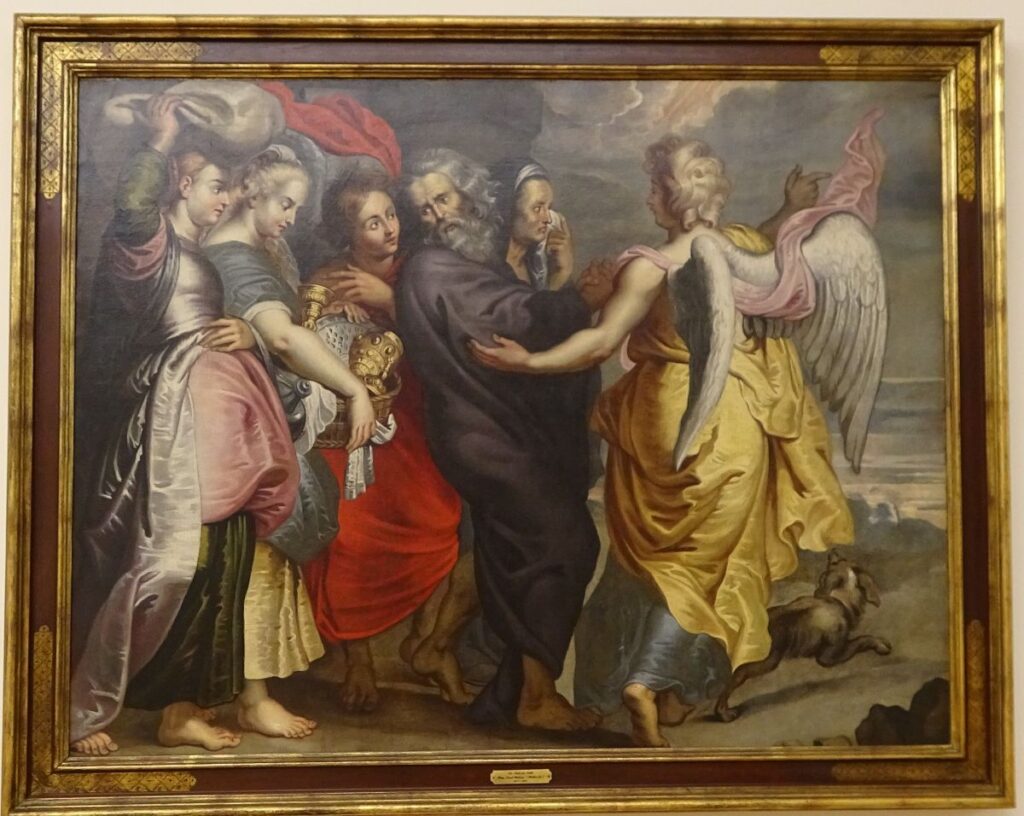
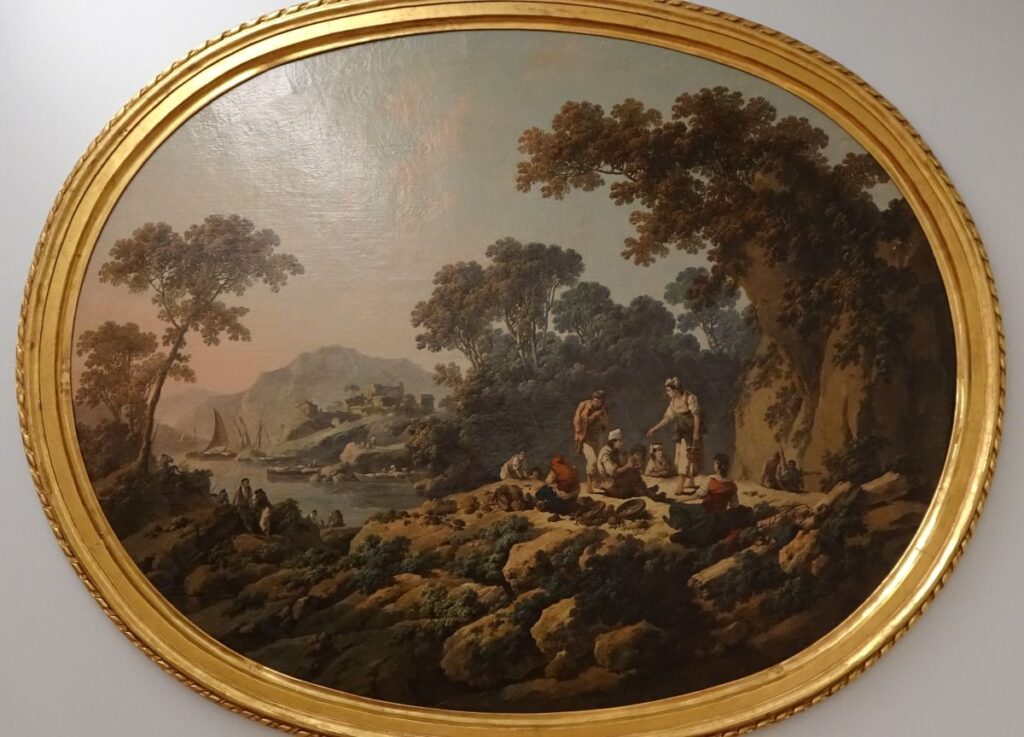
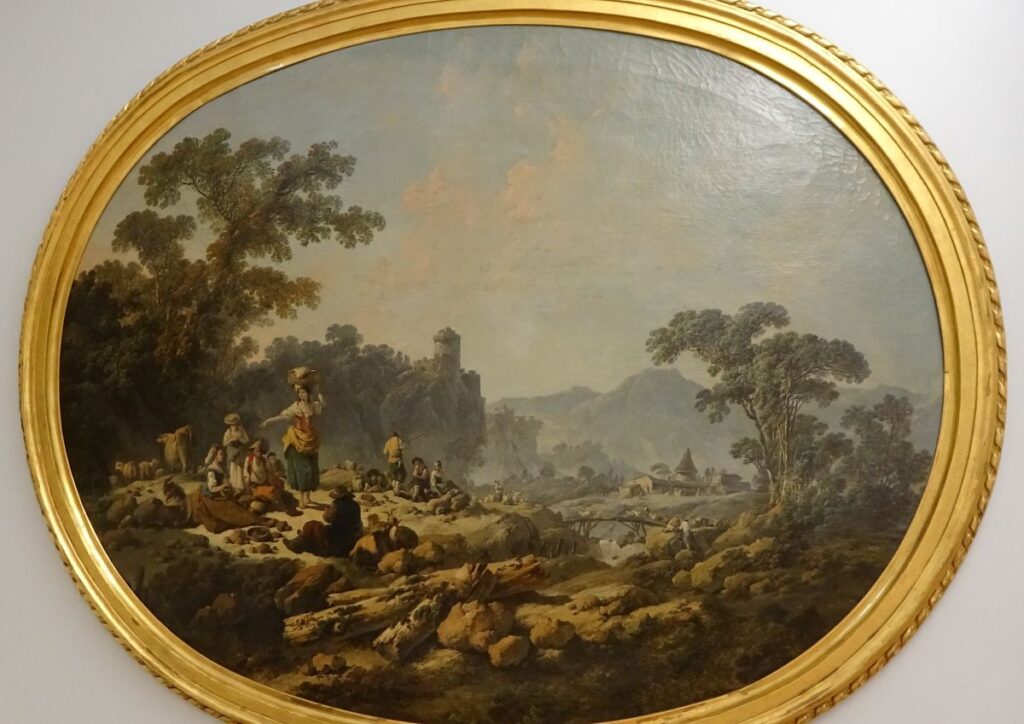
Palace of the Counts of Anadia
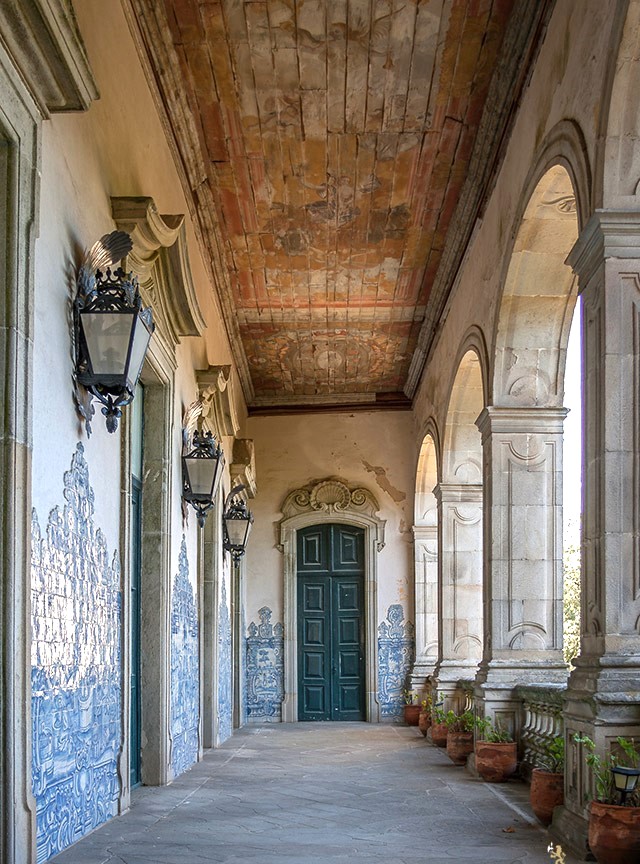
After lunch at the Cathedral’s Wall restaurant, we went to Mangualde to visit the Palace of the Counts of Anadia, dating from the early 18th century. The palace has remained in the family over the centuries and is now owned by Miguel Paes do Amaral.
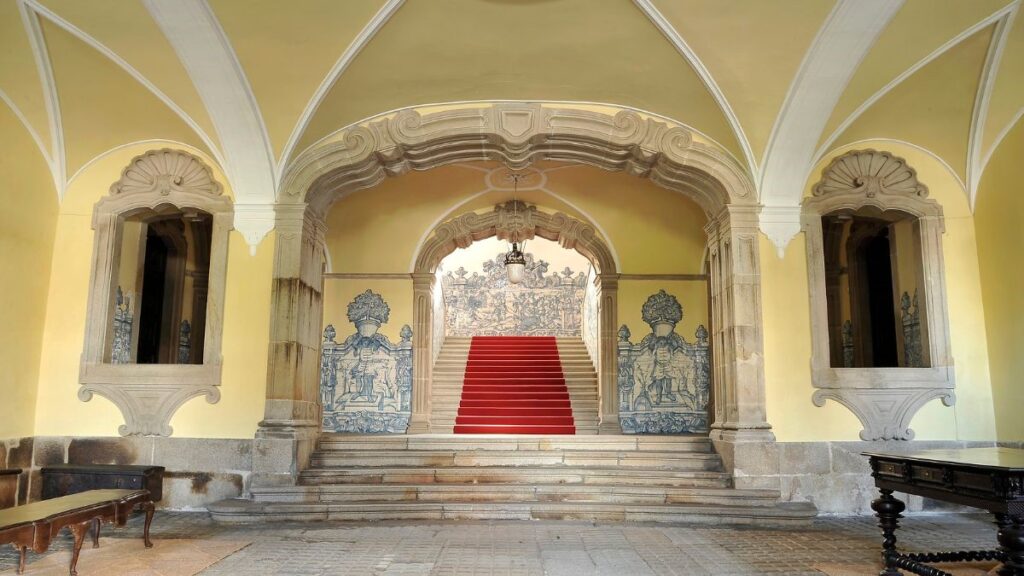
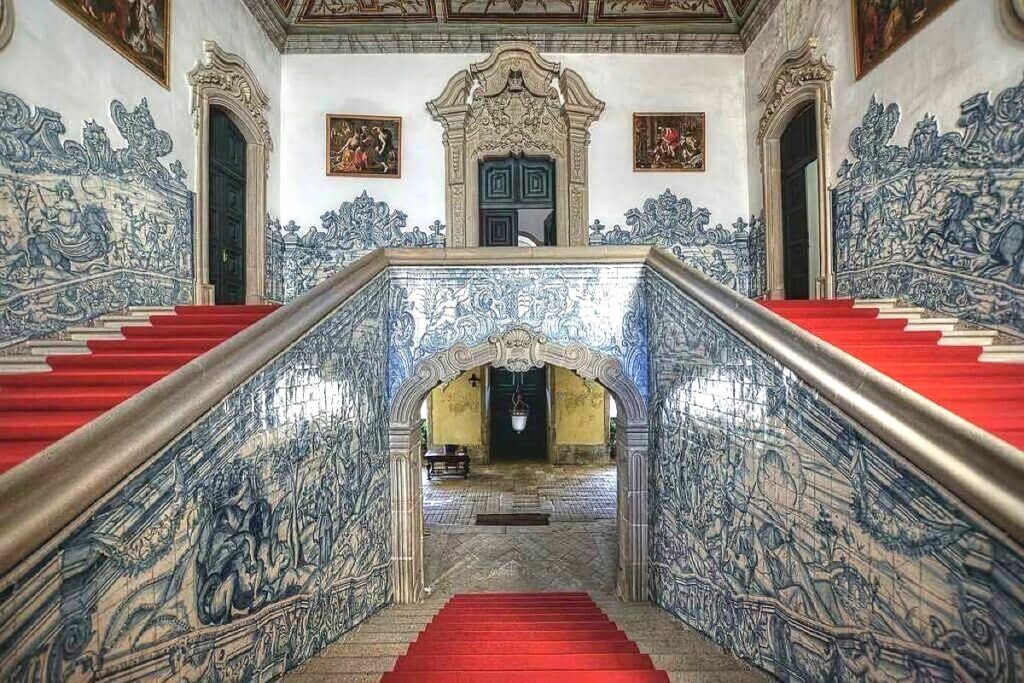
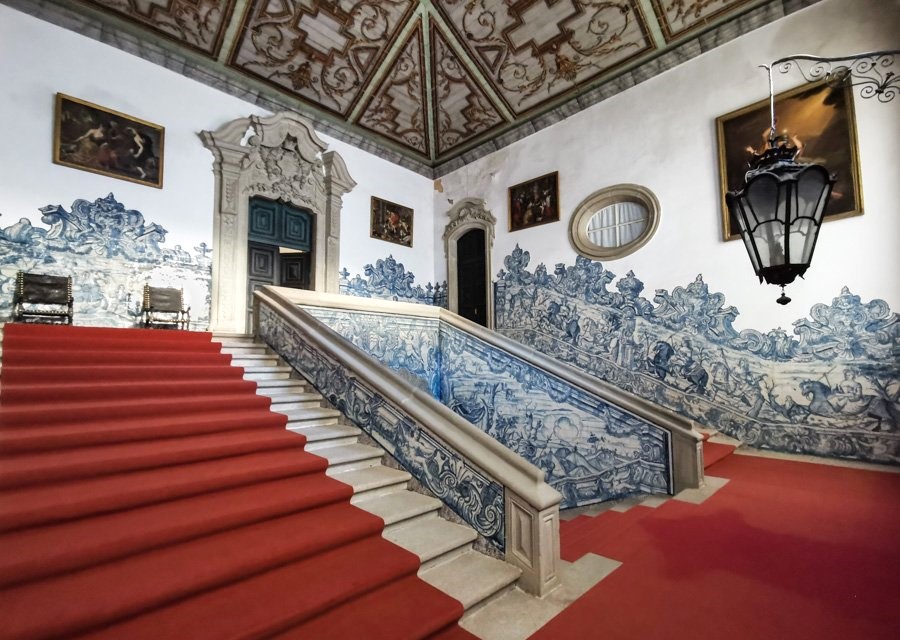
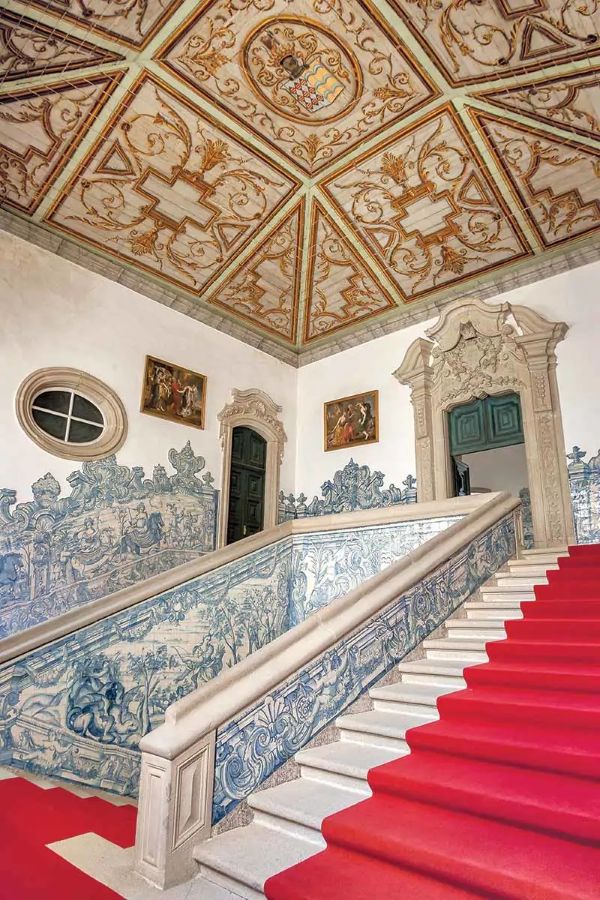
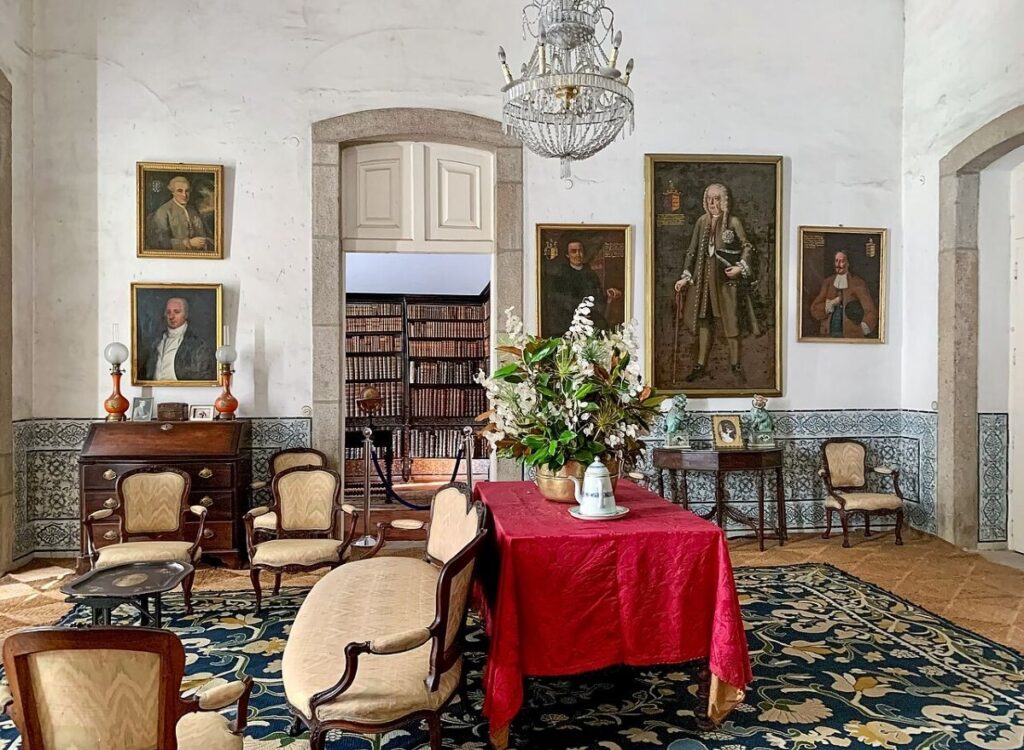
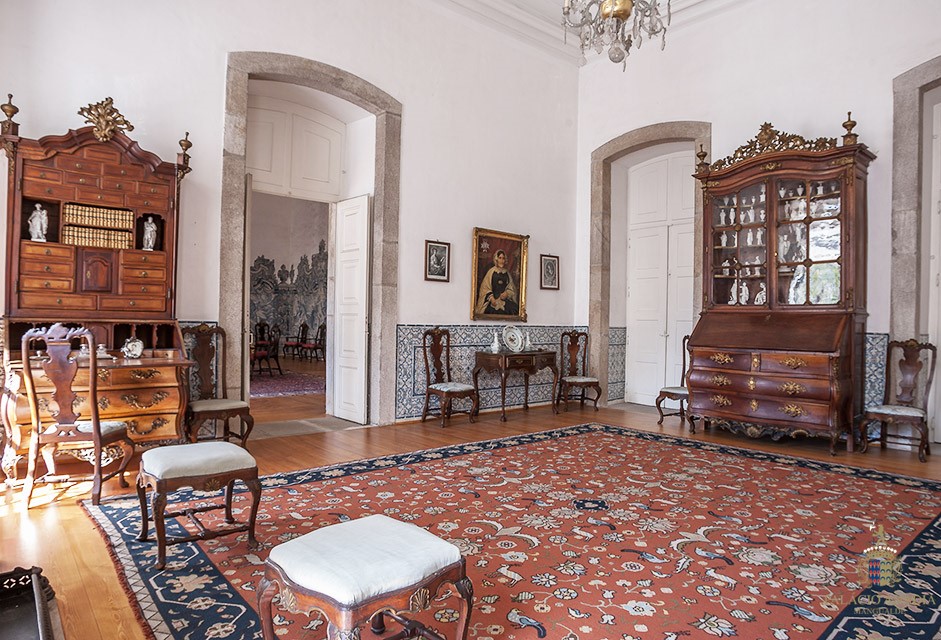
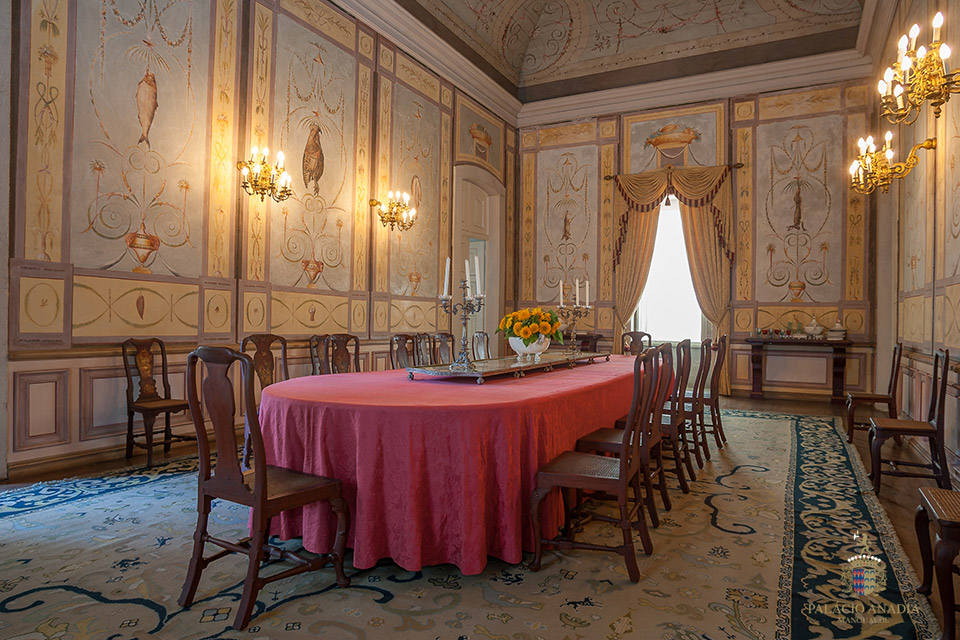
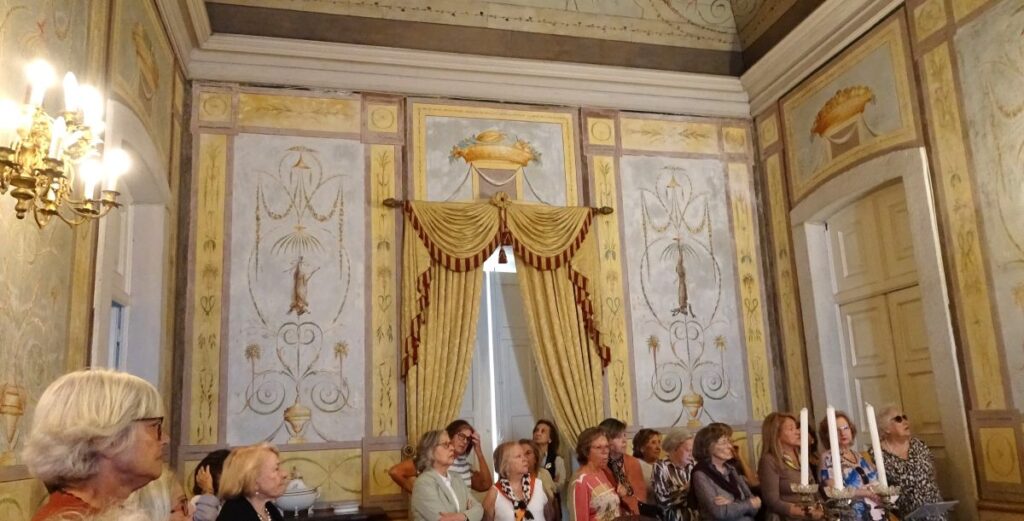
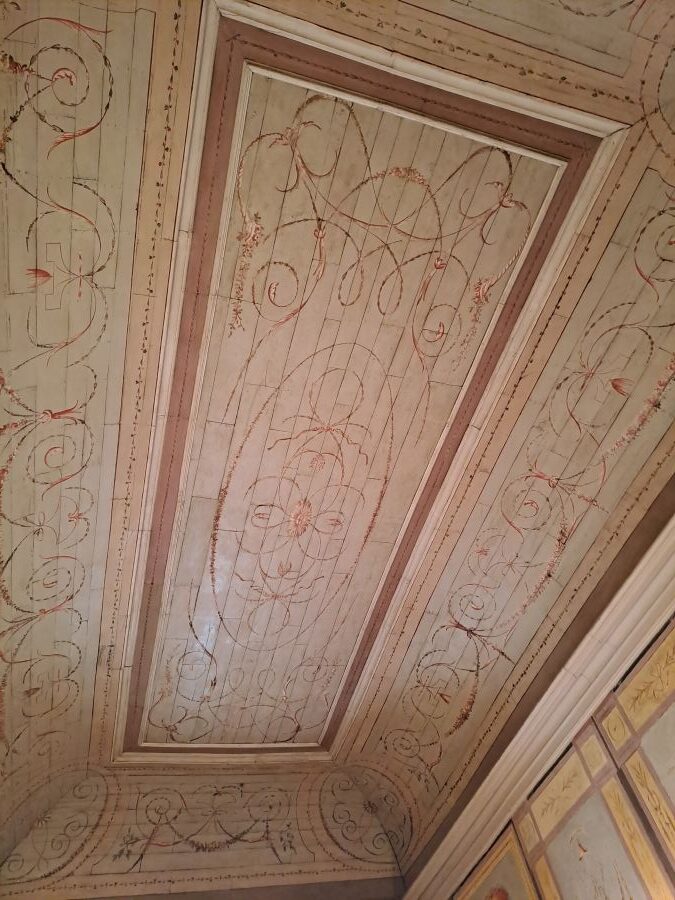
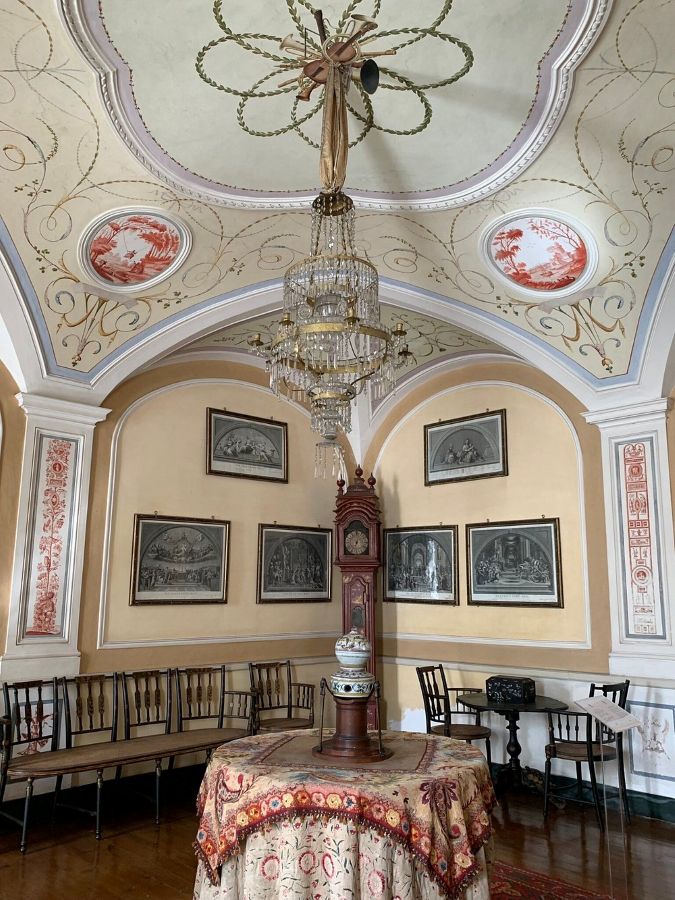
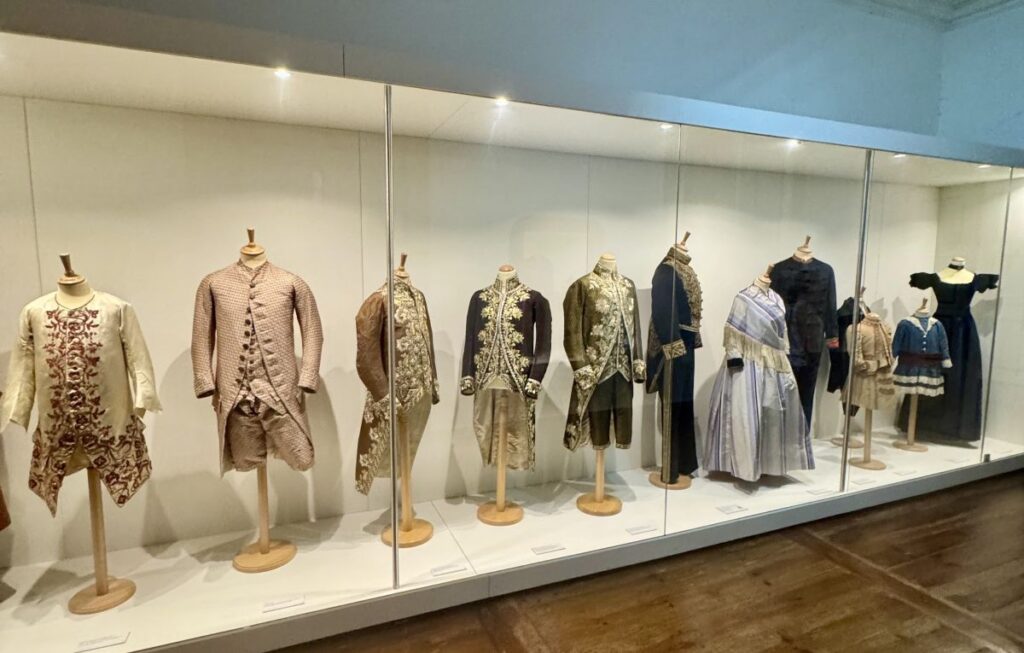
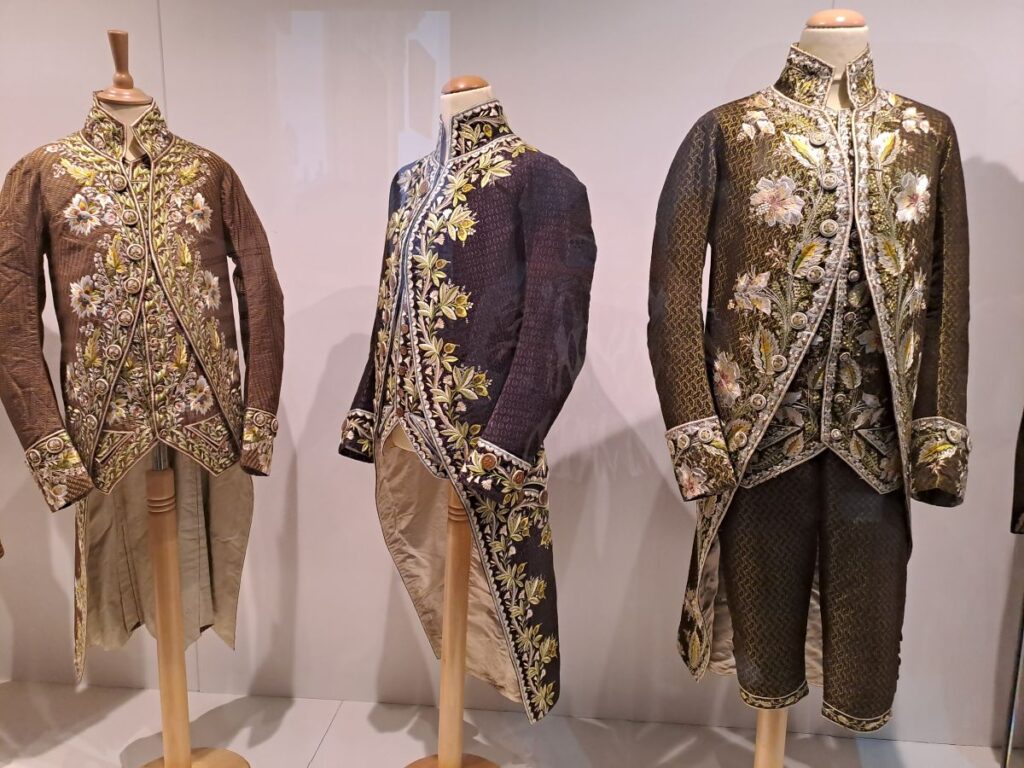
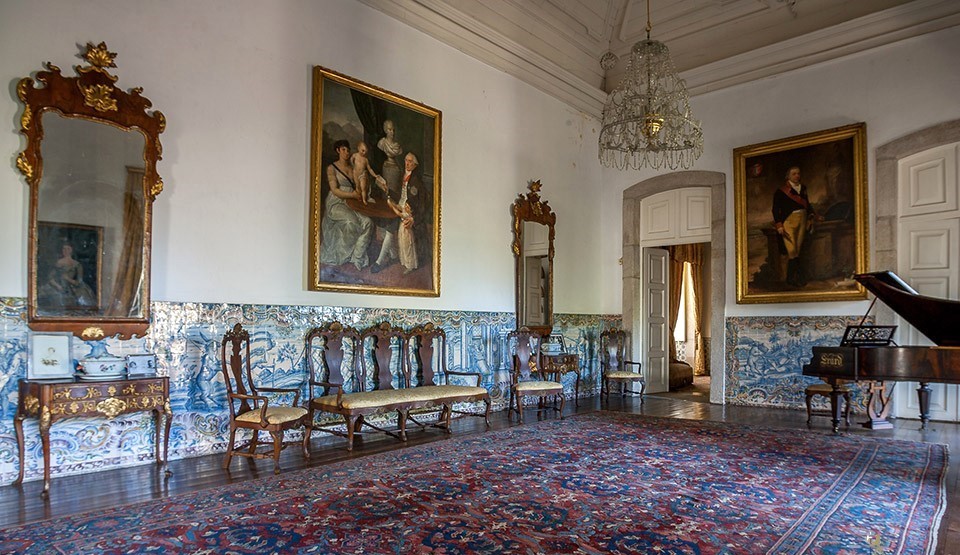
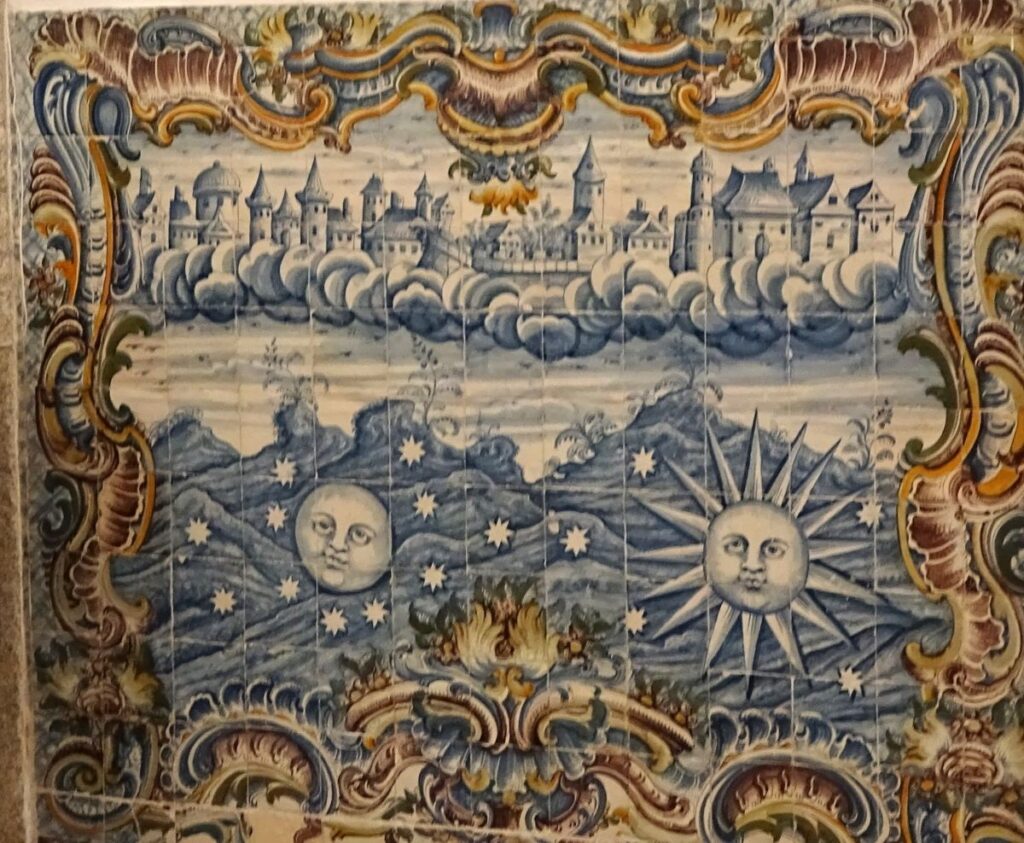
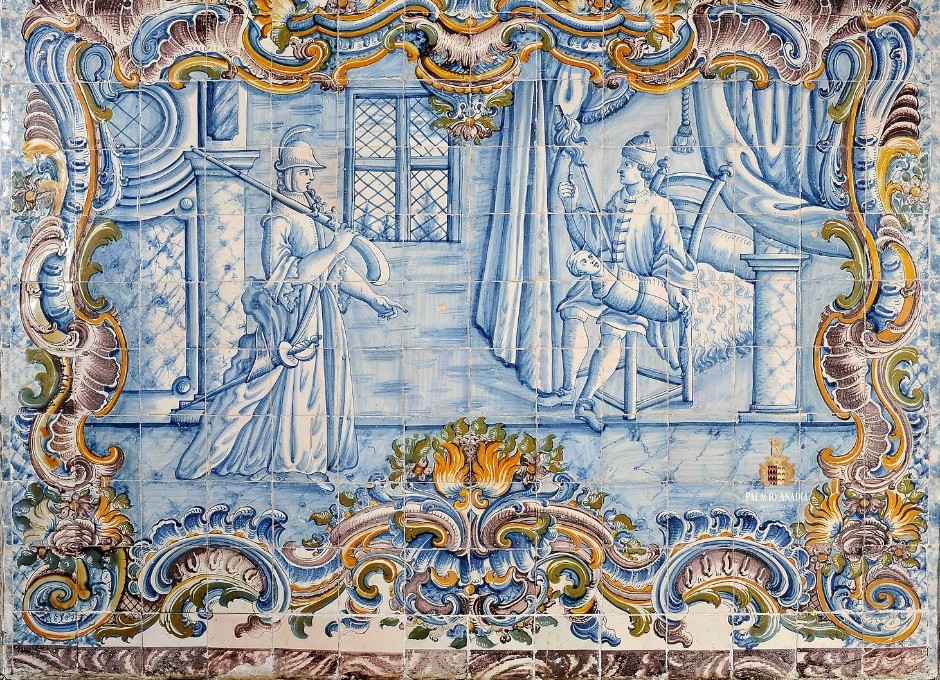
The Noble Hall is decorated with eight 18th-century tile panels inspired by mythological themes and representing the four parts of the world known at the time – Europe, Africa, America and Asia – as well as the four elements.
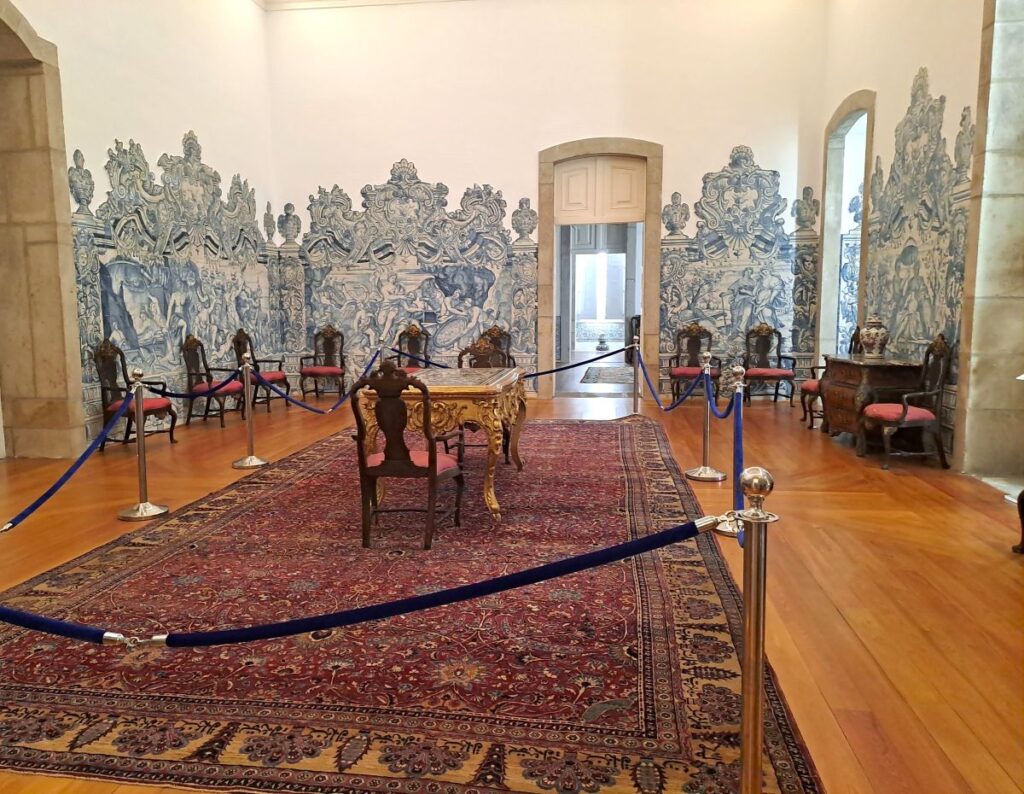
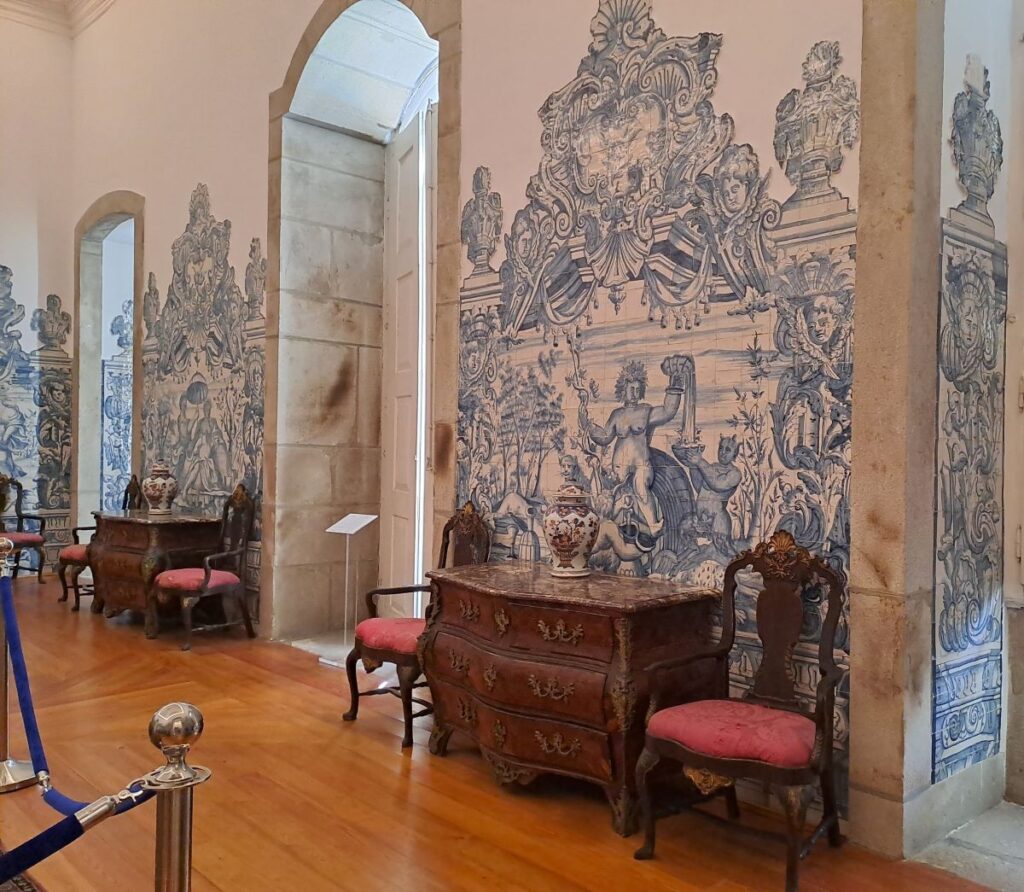
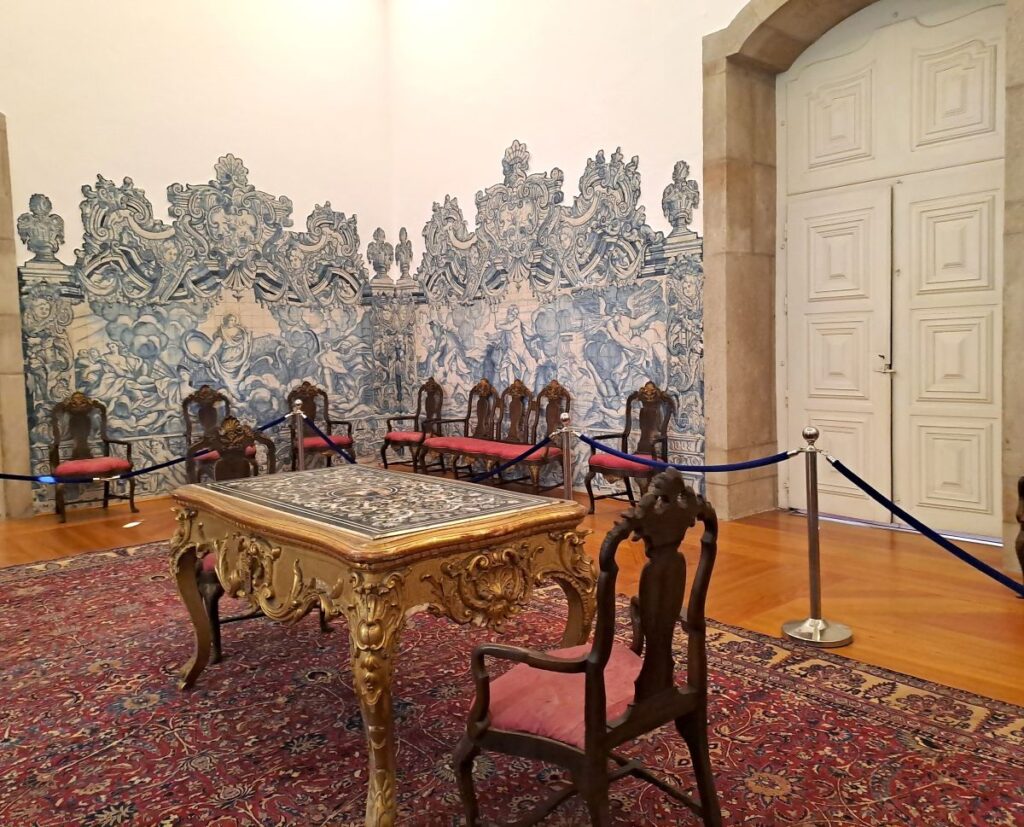
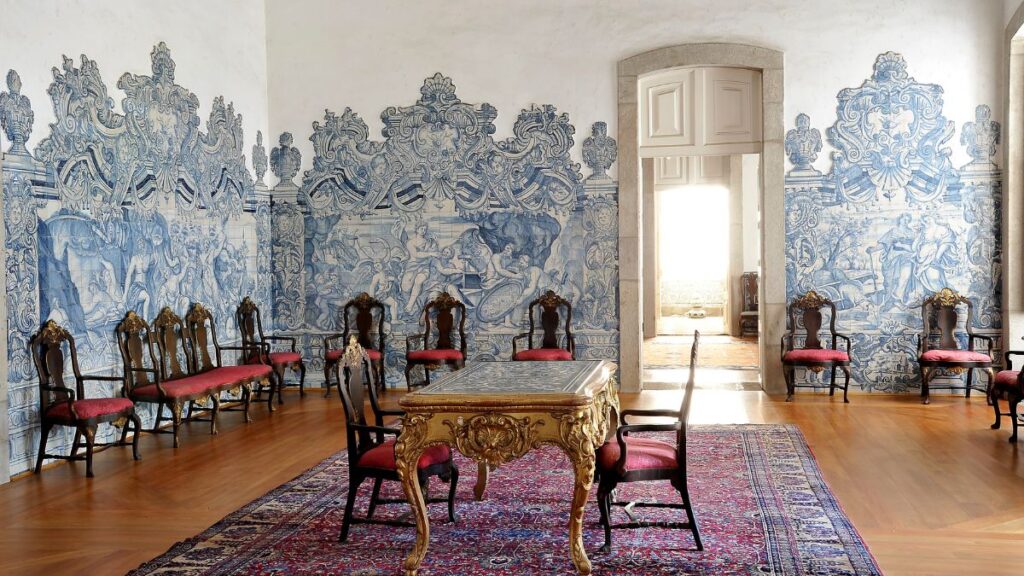
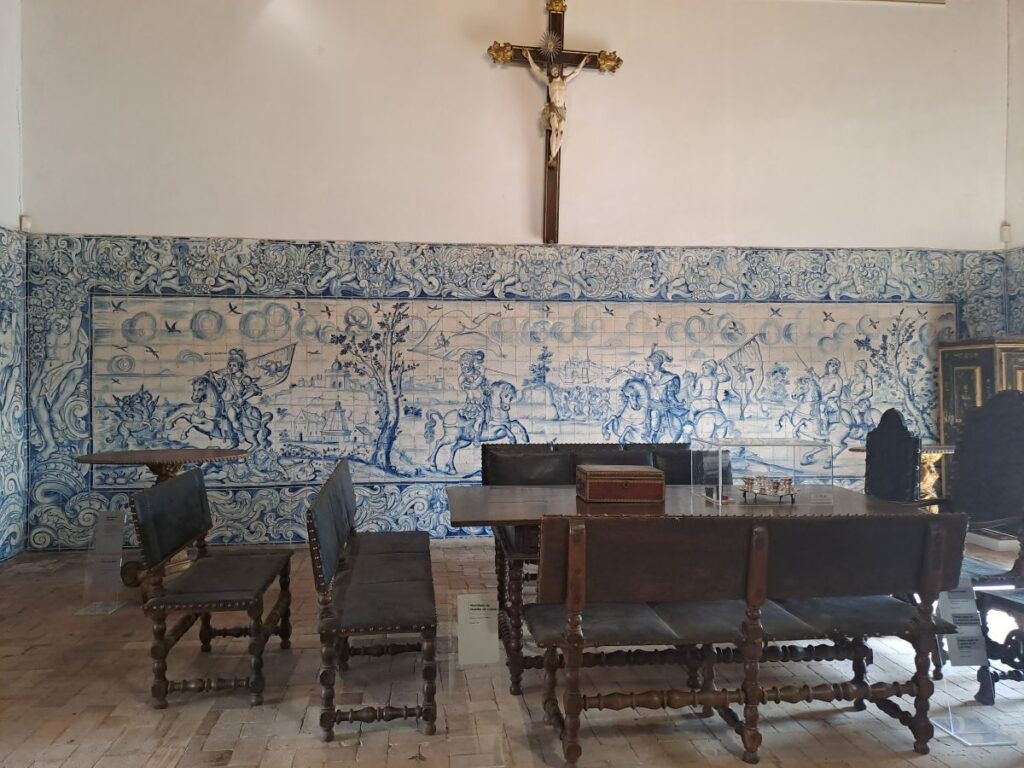
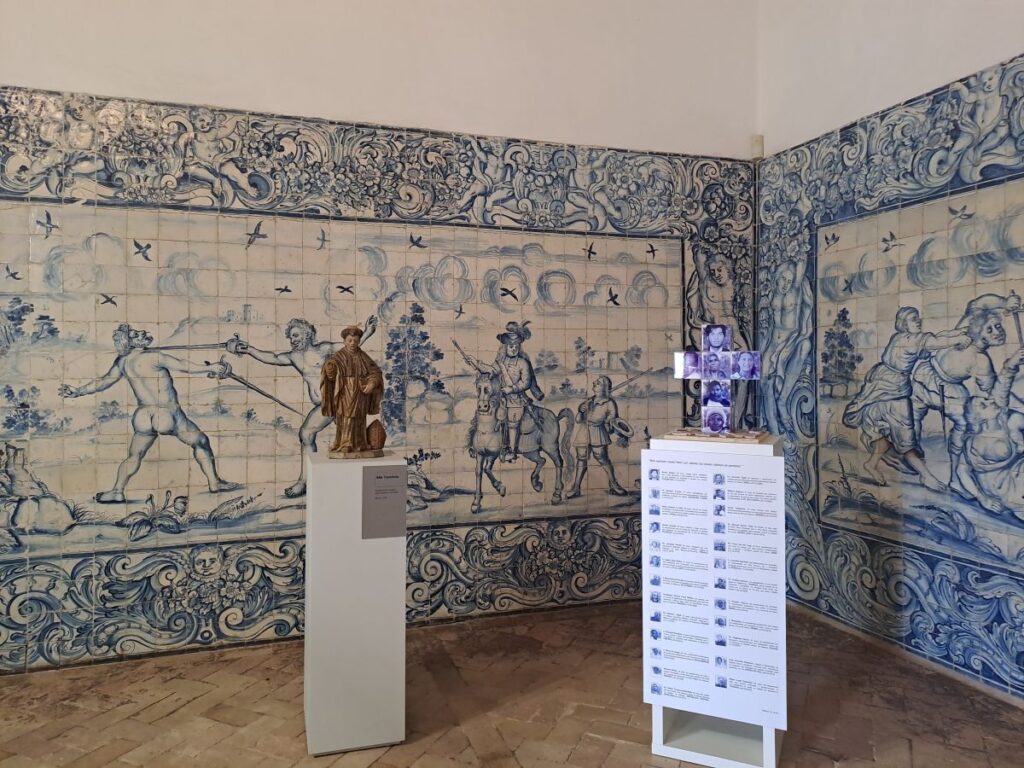
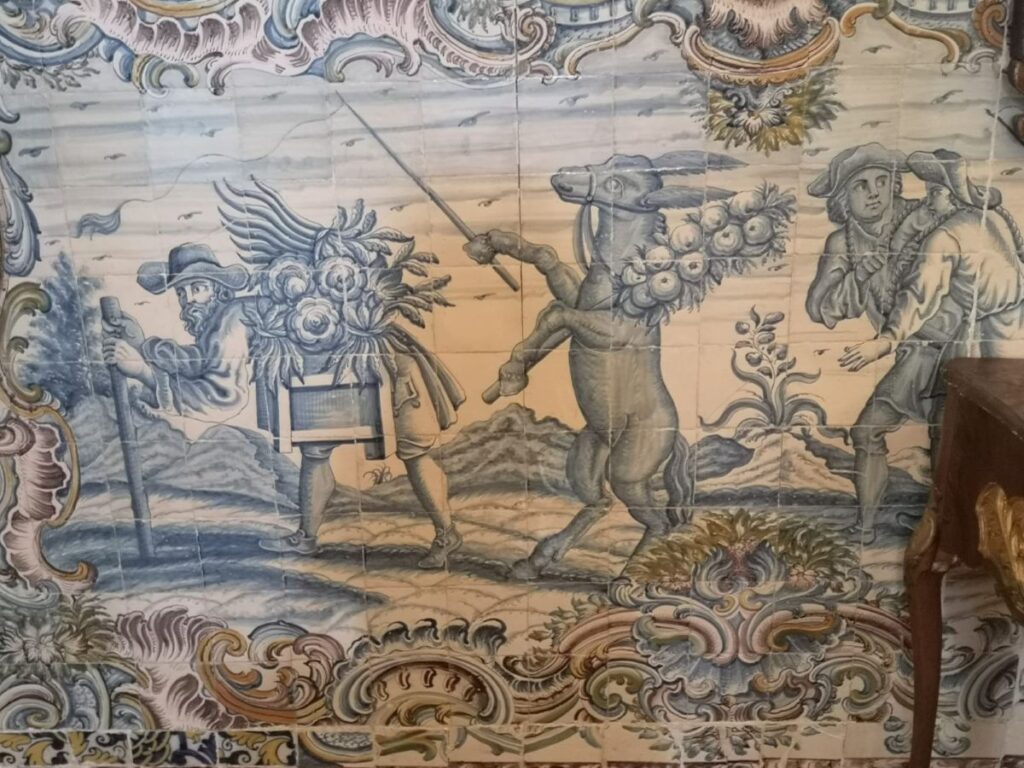
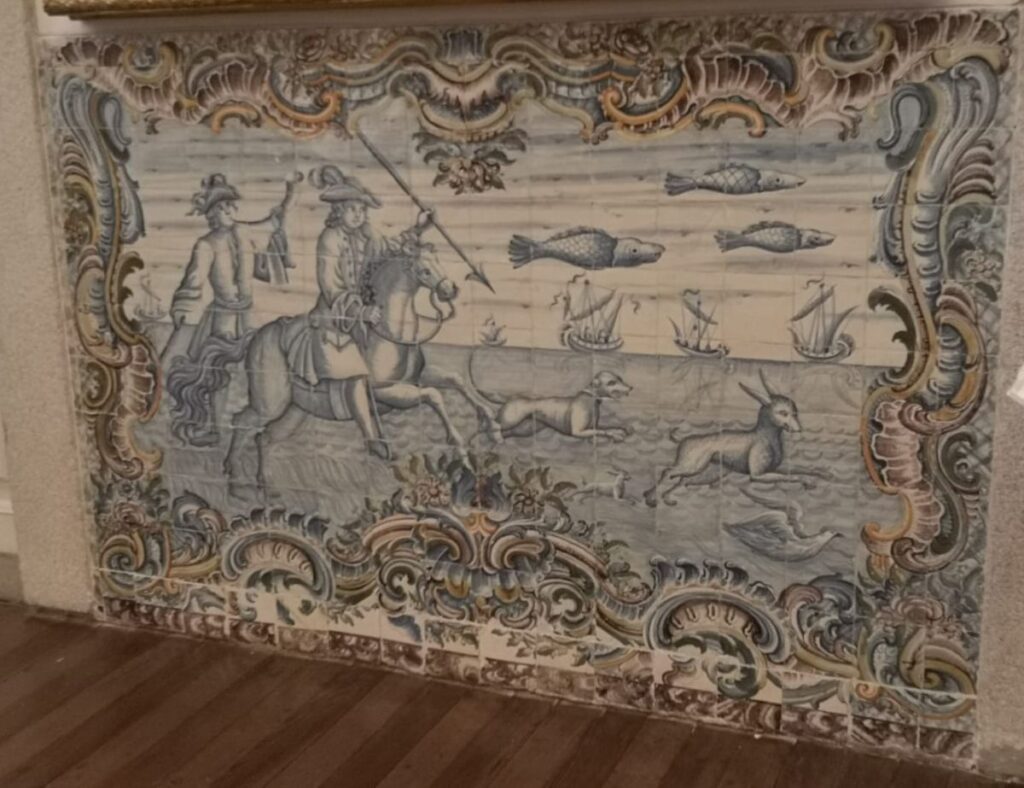
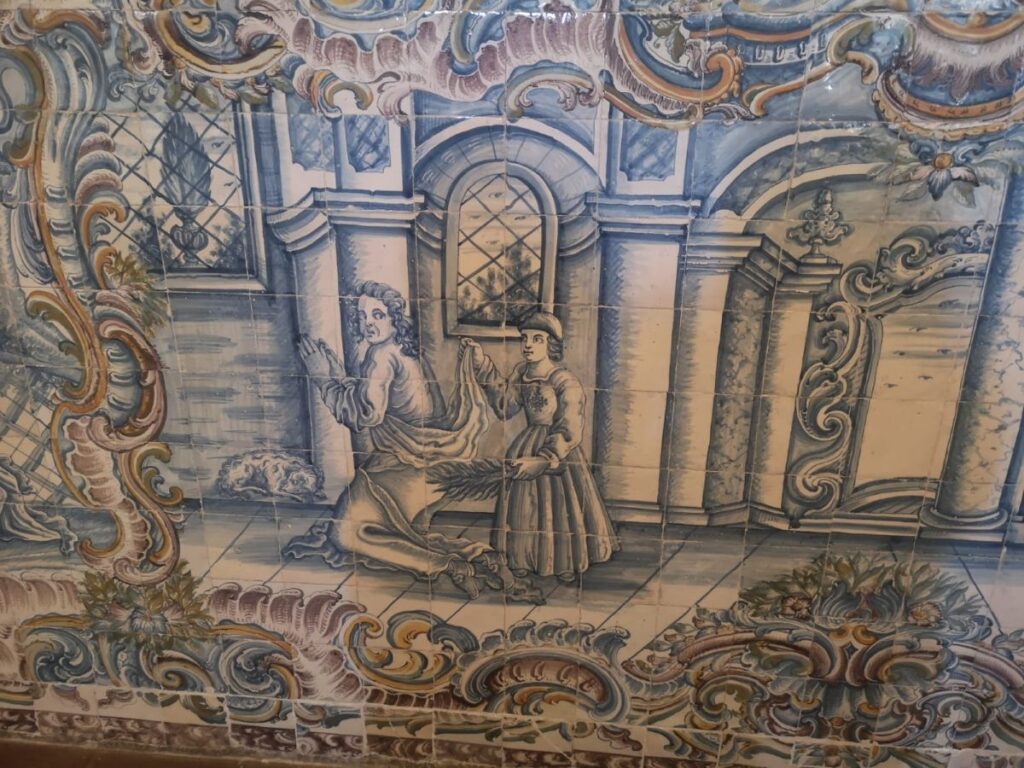
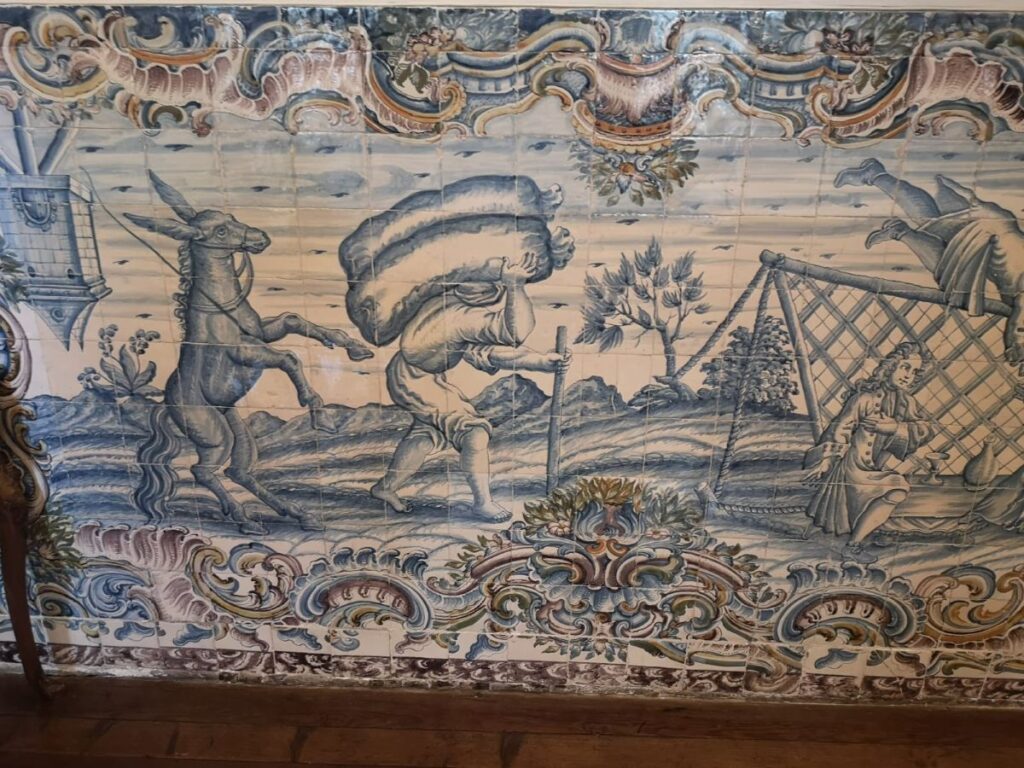
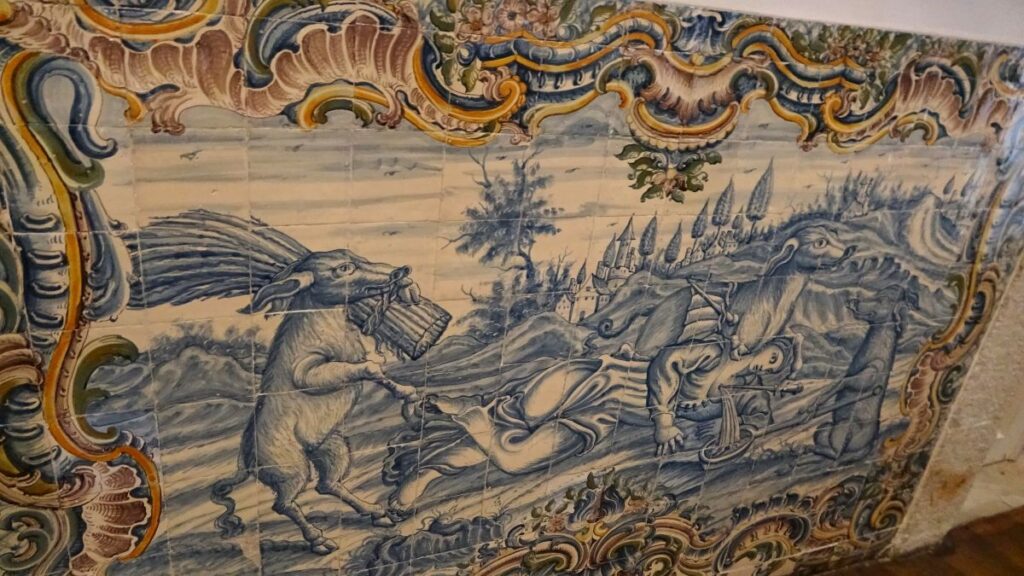
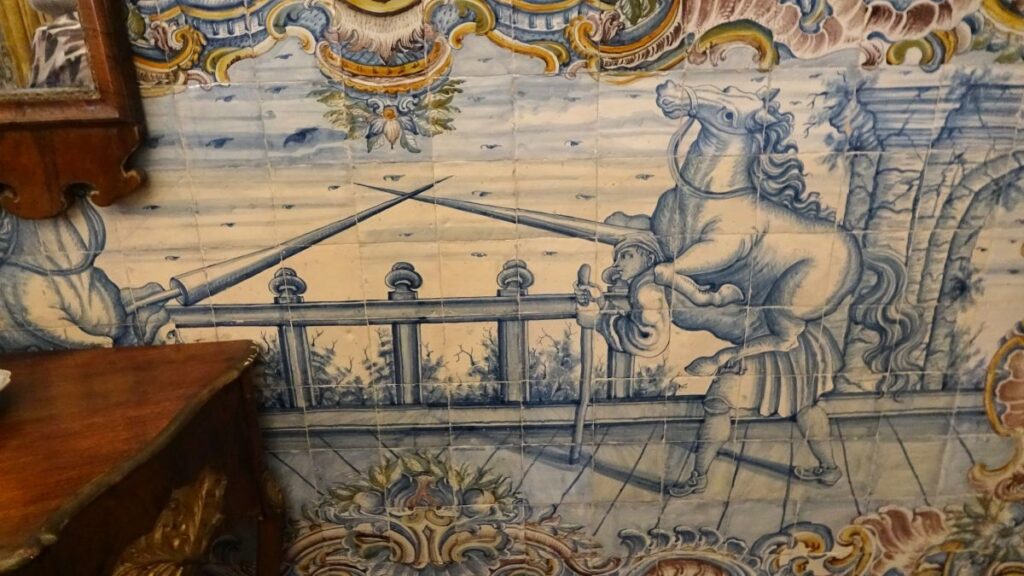
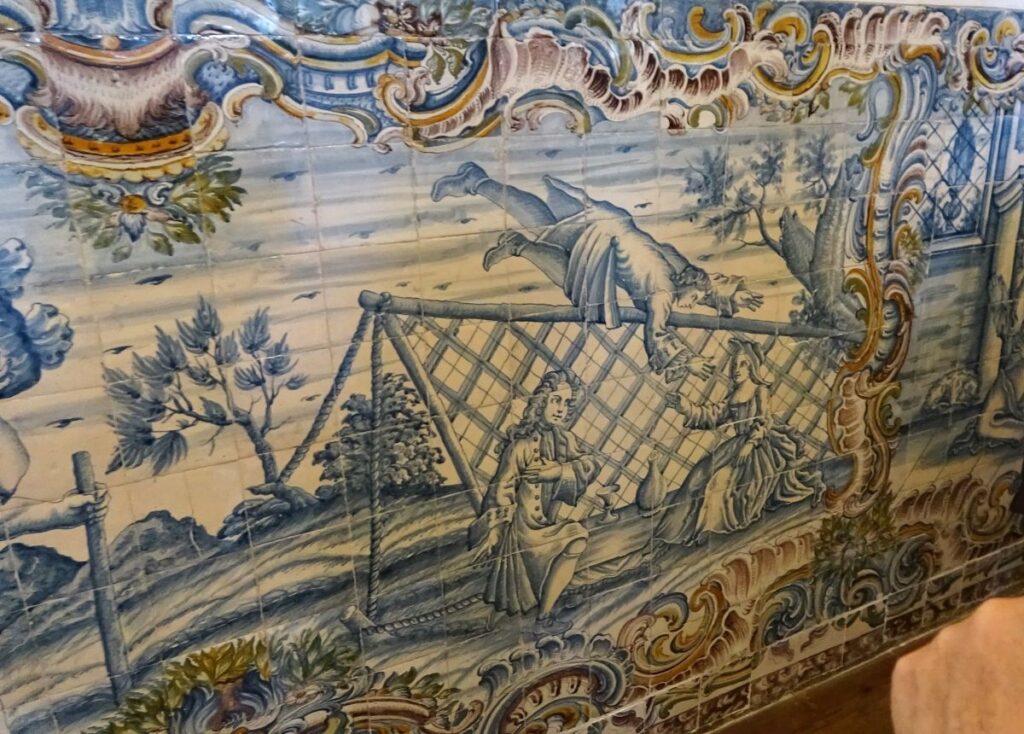
Ballroom with a grand piano in one corner and walls covered with tile panels depicting the ‘World Upside Down,’ or ‘ World Inside Out,’ as it is also called.
Aristides de Sousa Mendes Museum
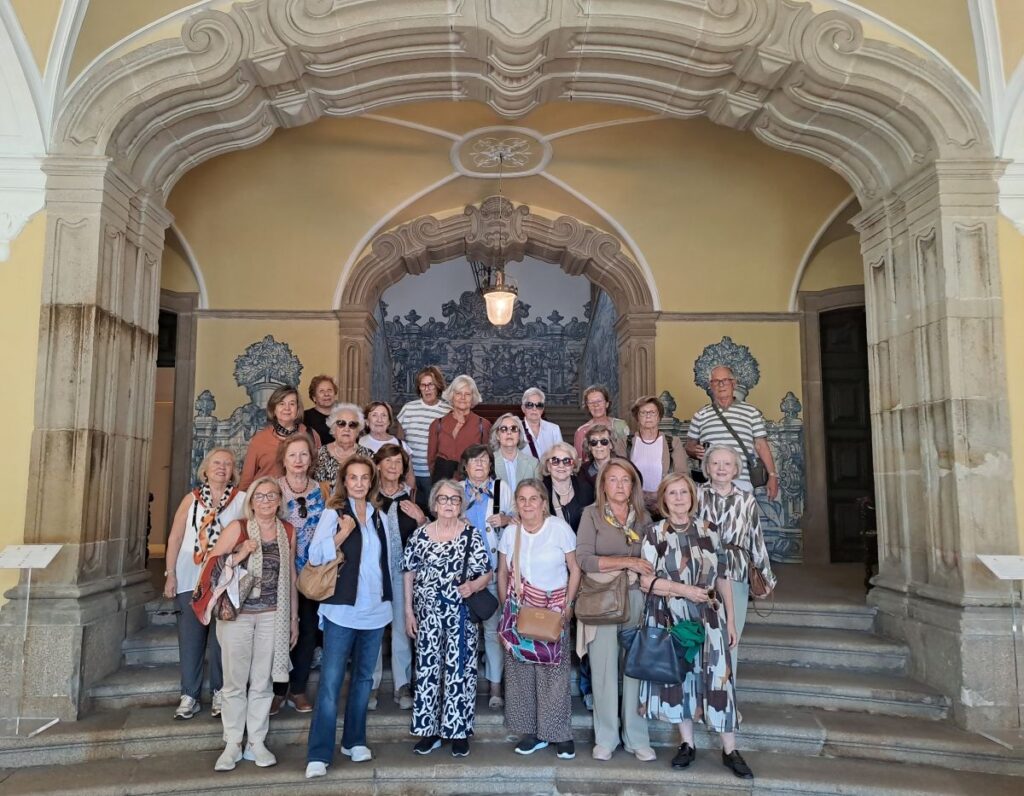
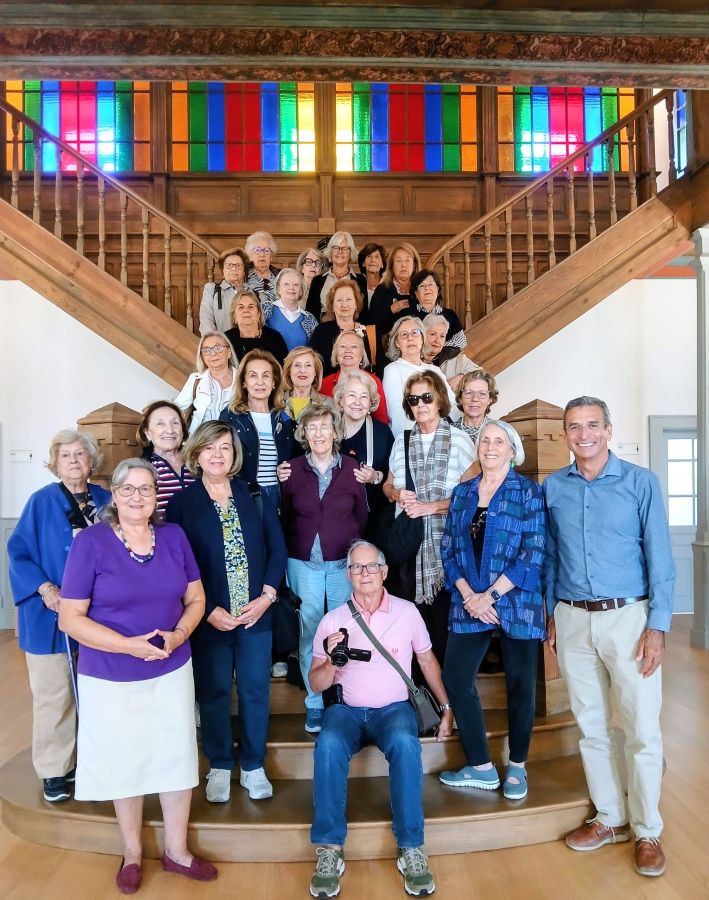
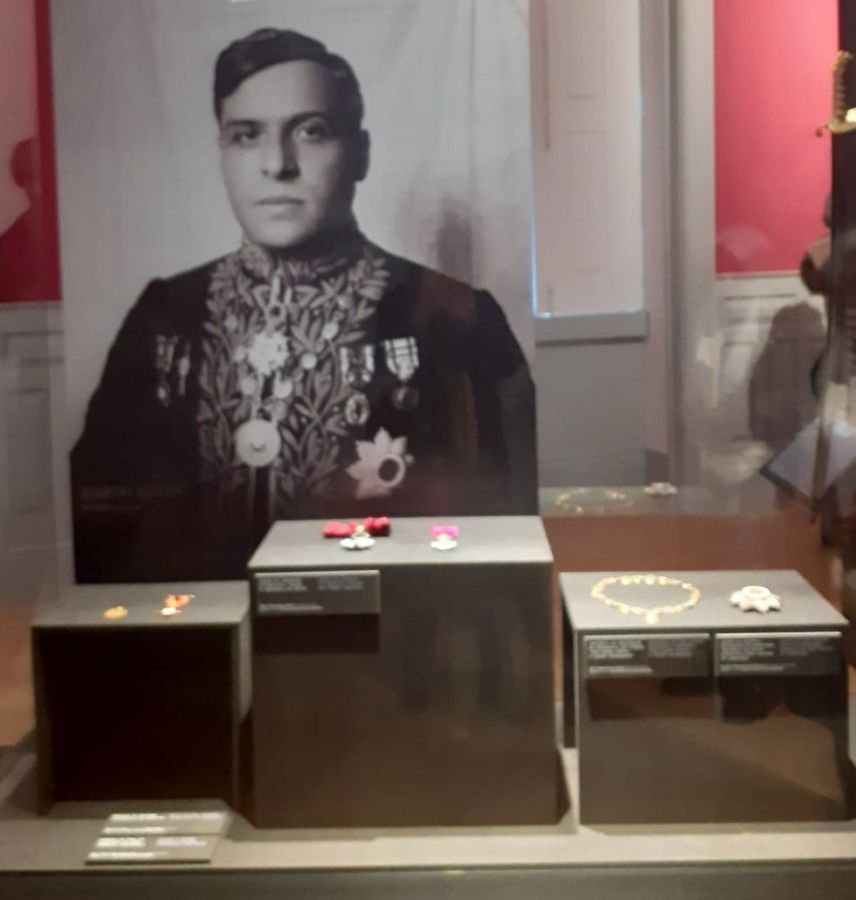
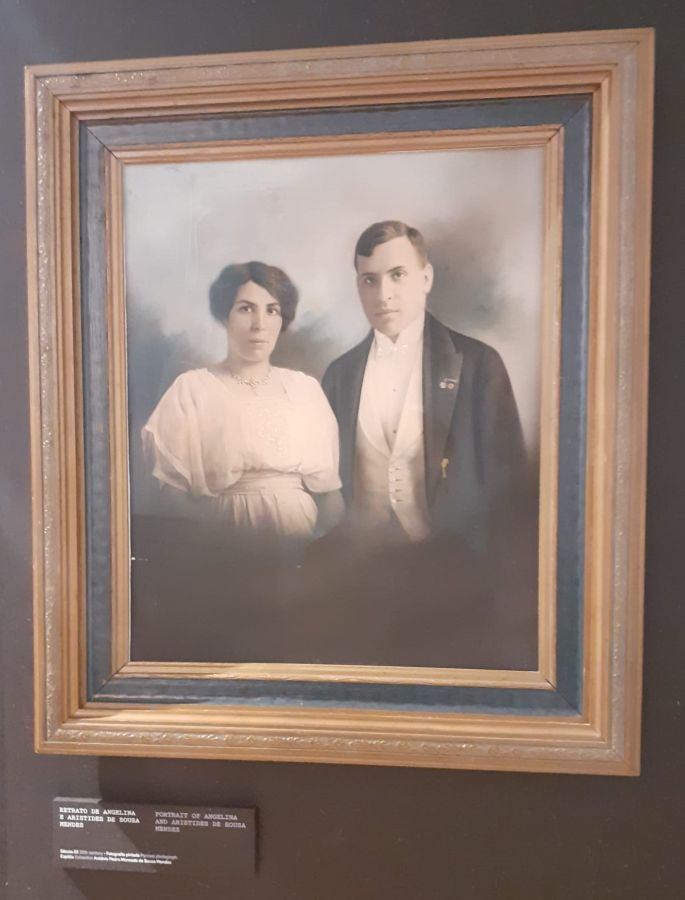
On the last day, we visited the Aristides de Sousa Mendes Museum (Passal House) in Cabanas de Viriato and the Olive Oil Museum in Bobadela, Oliveira do Hospital. At the Aristides Museum, we enjoyed an interesting guided tour, attended by one of Aristides Sousa Mendes’ grandsons (on the right in the photo).
Olive Oil Museum
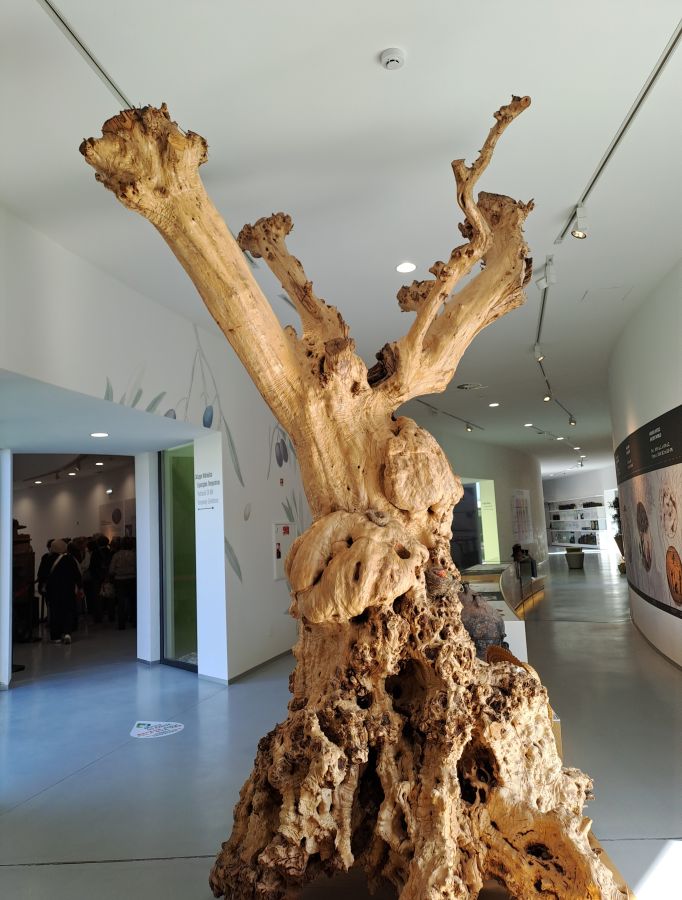
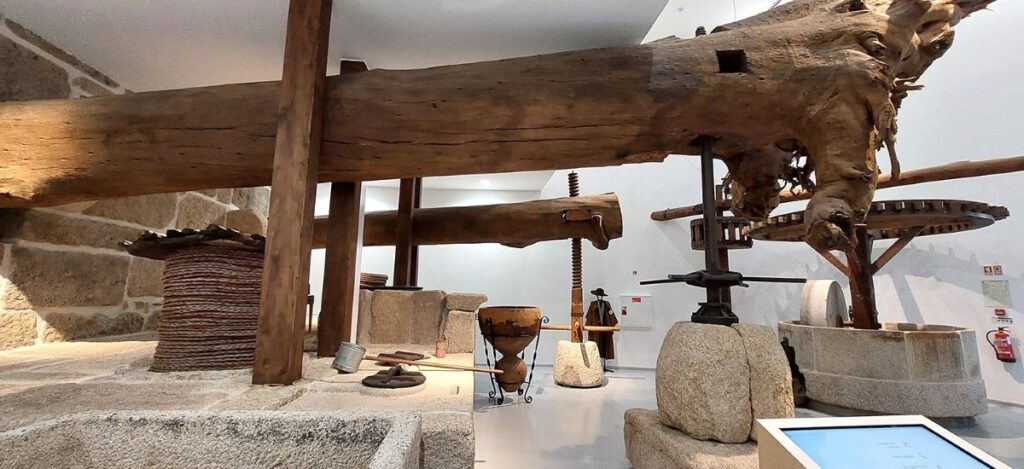
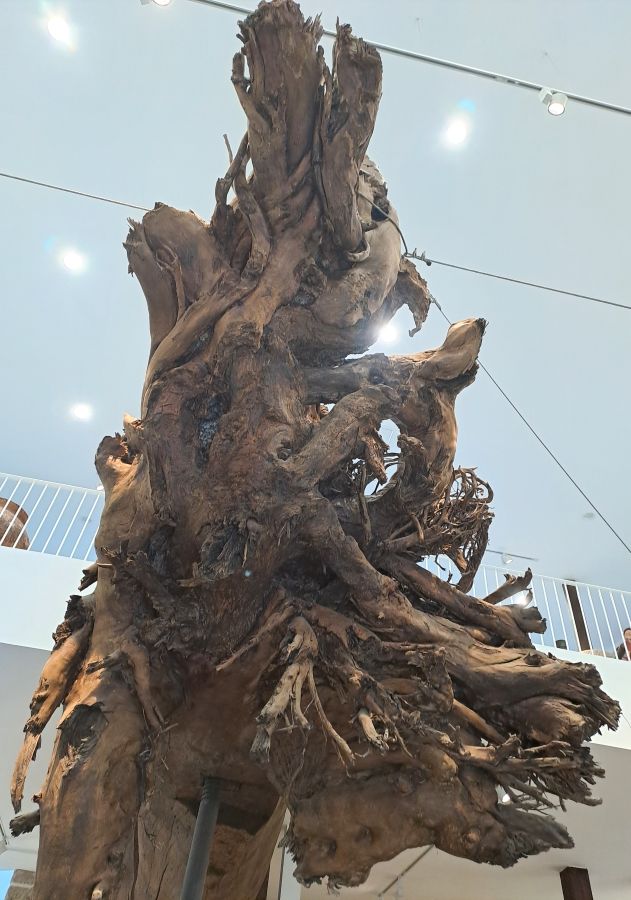
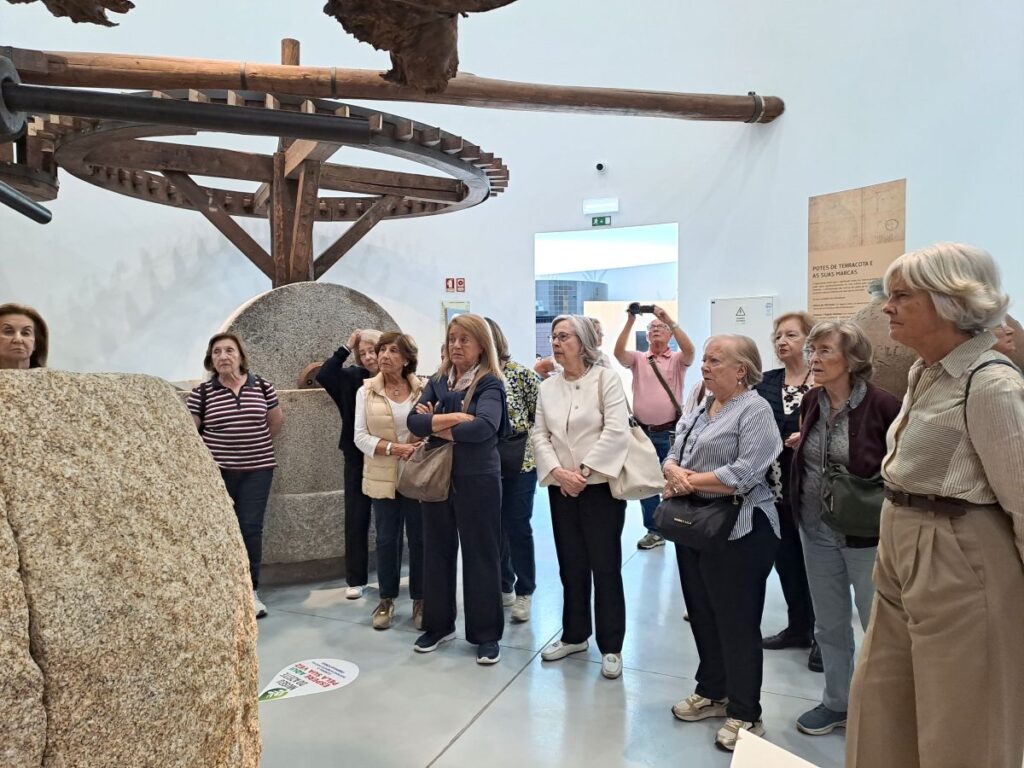
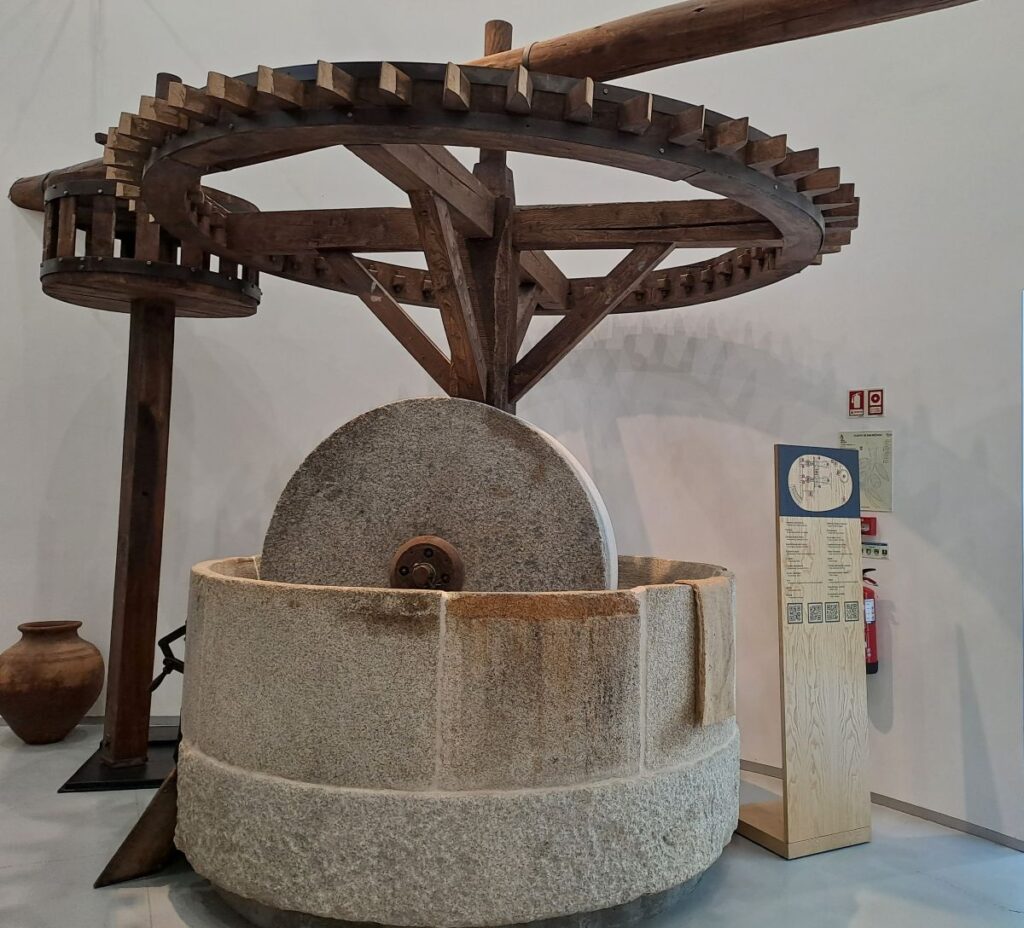
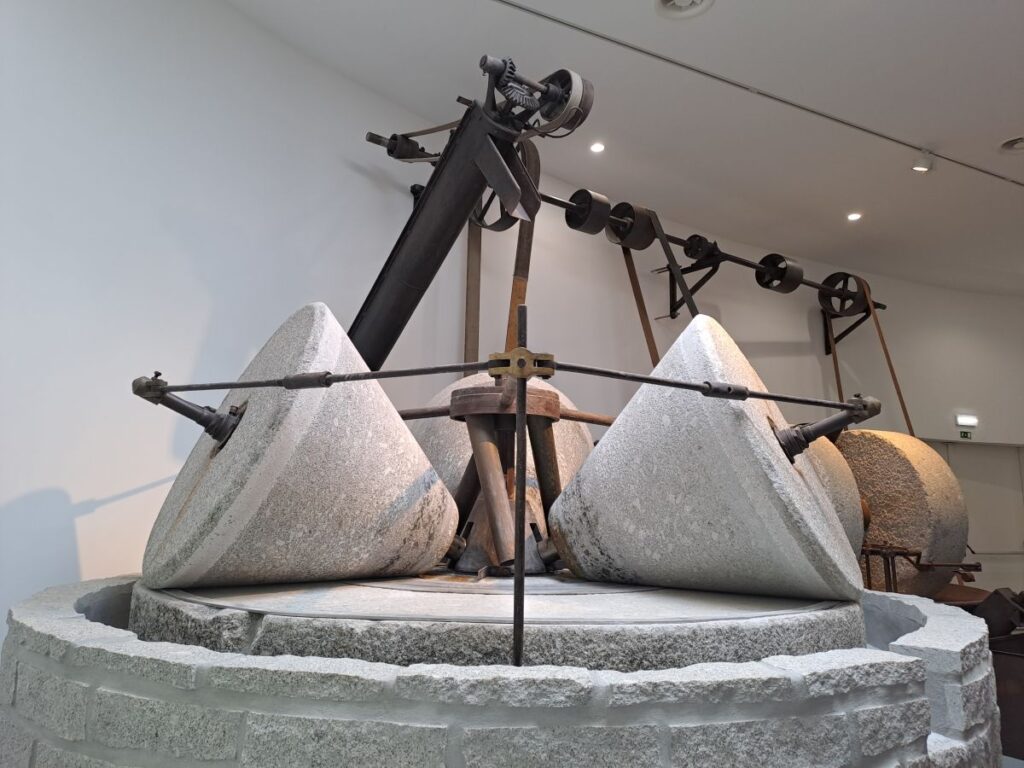
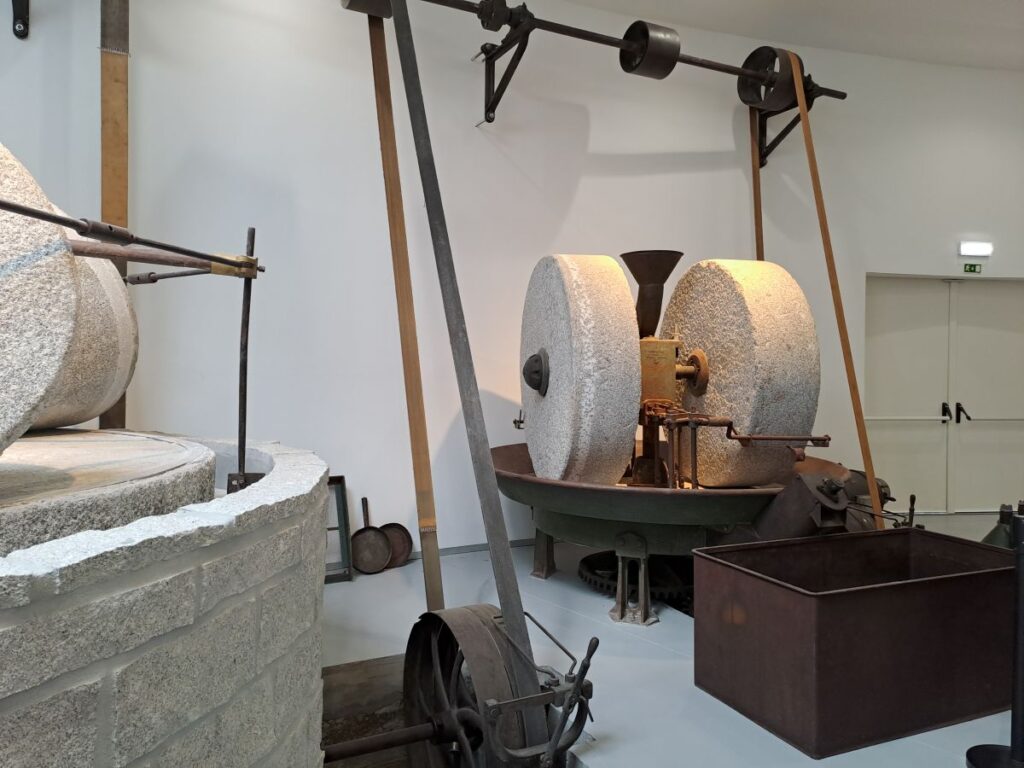
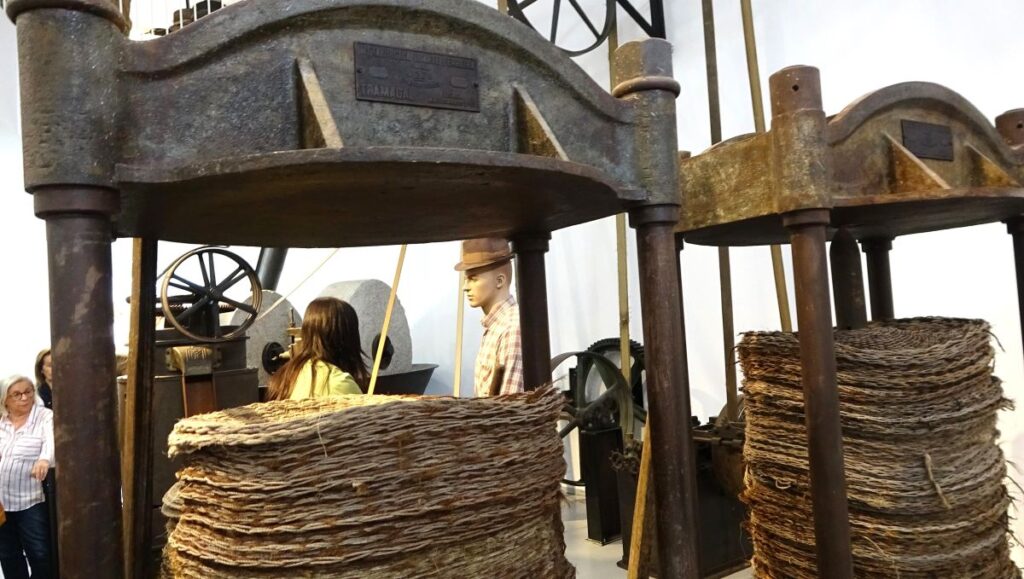
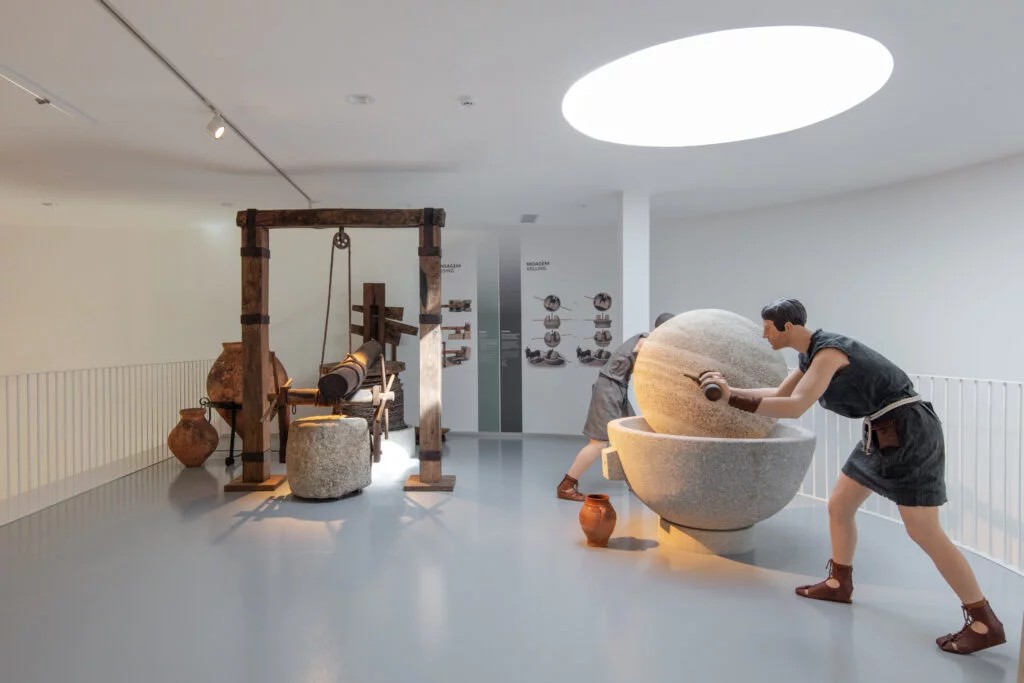
The Olive Oil Museum opened in 2018 in a rather unique building shaped like an olive branch, with rooms shaped like leaves and olives. Inside one of the olives is the Olea restaurant, with panoramic views of the Serra da Estrela, where we had lunch.
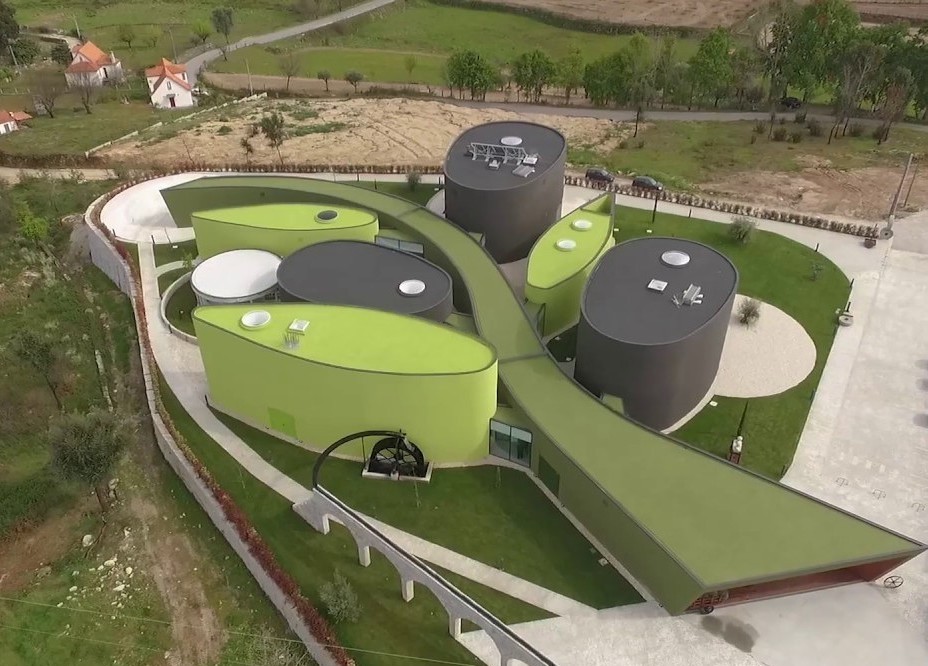
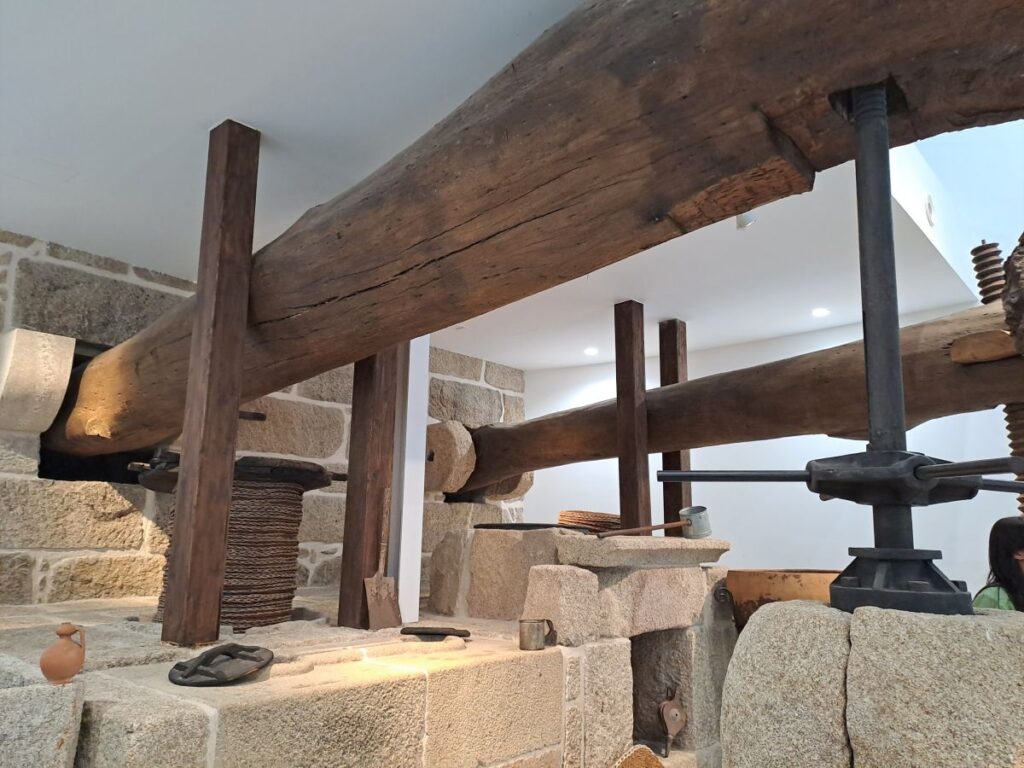
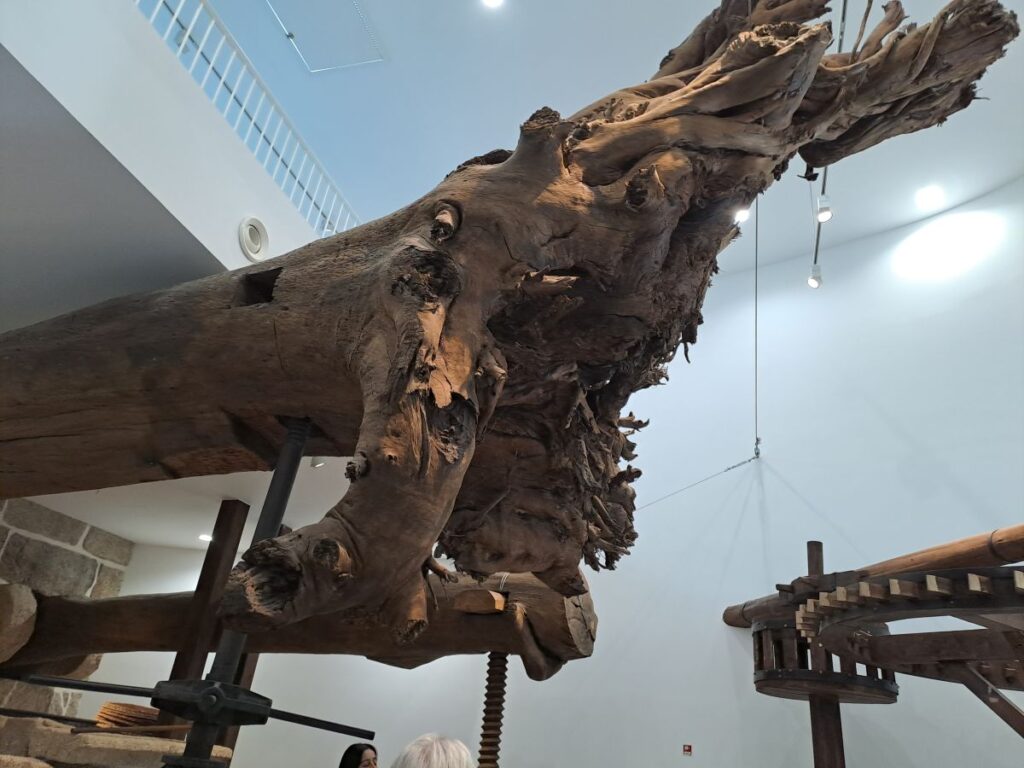
The rooms branching off from the central section of the building tell the story of olive oil production from Roman times to the era of mechanisation.