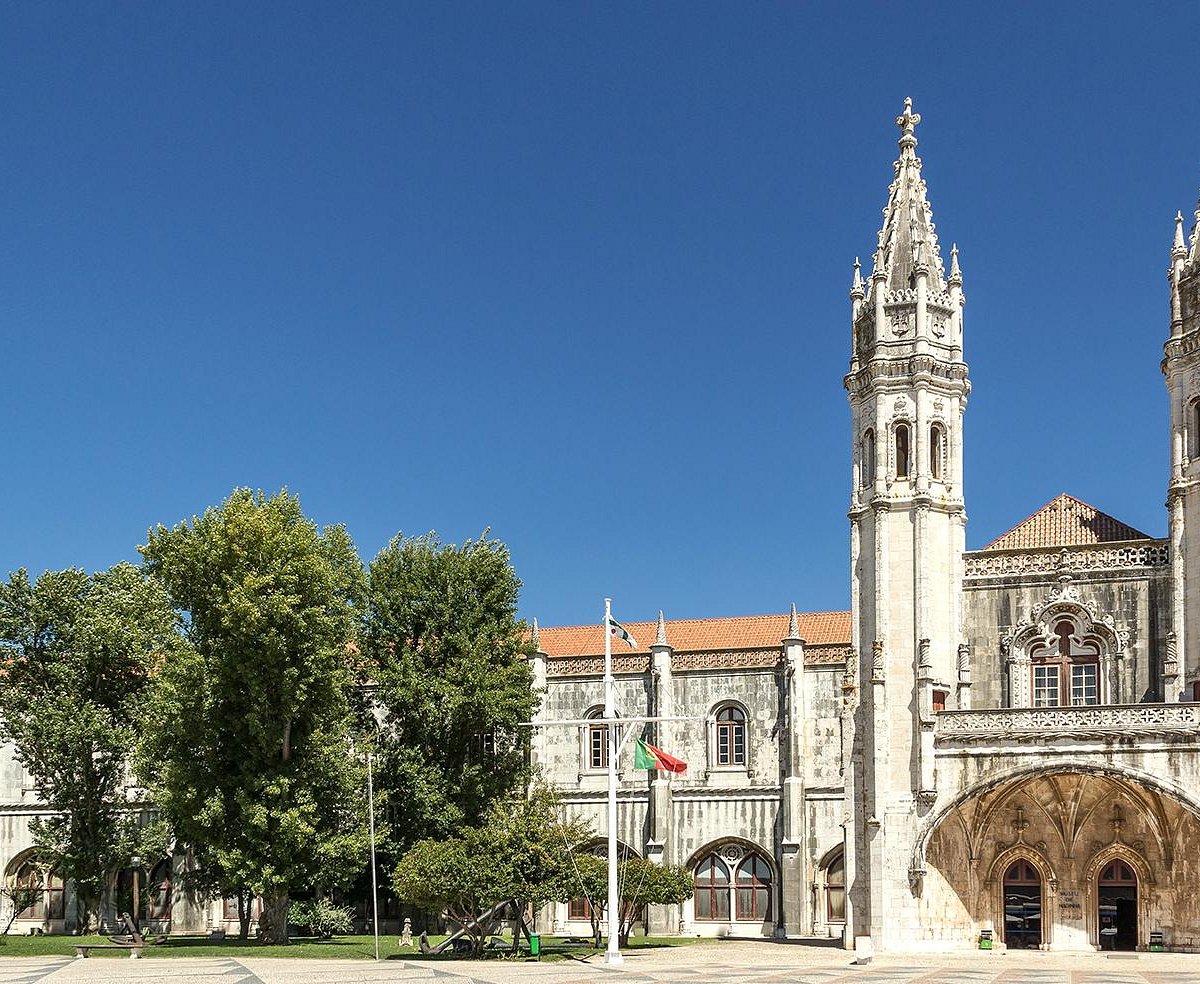
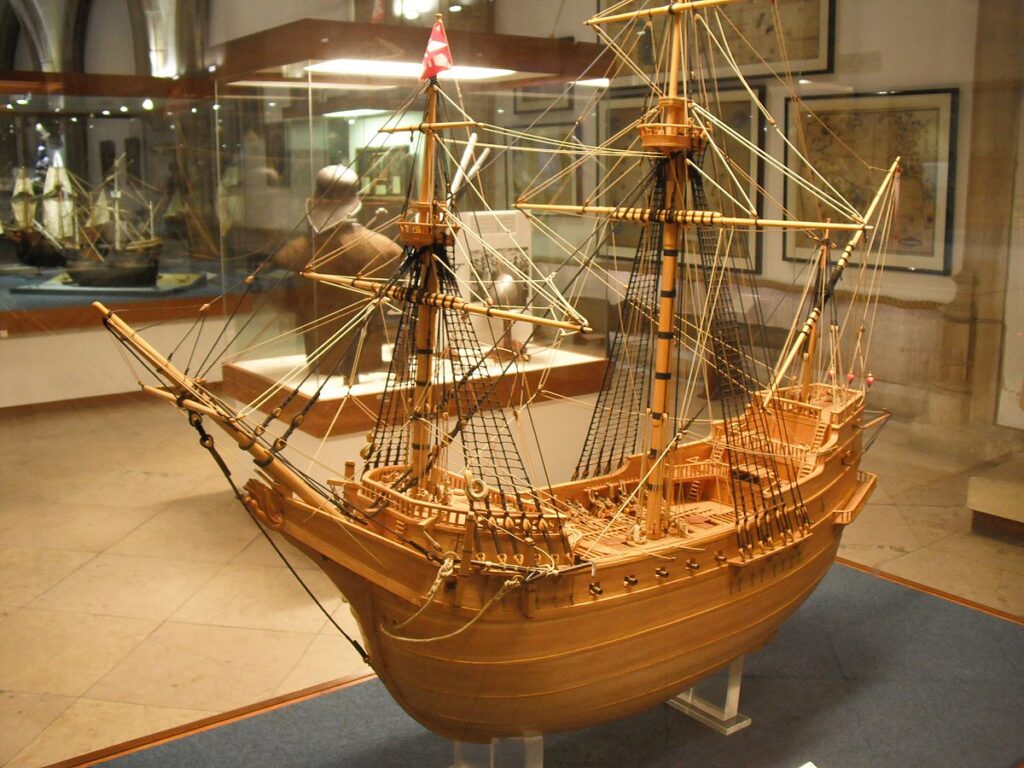
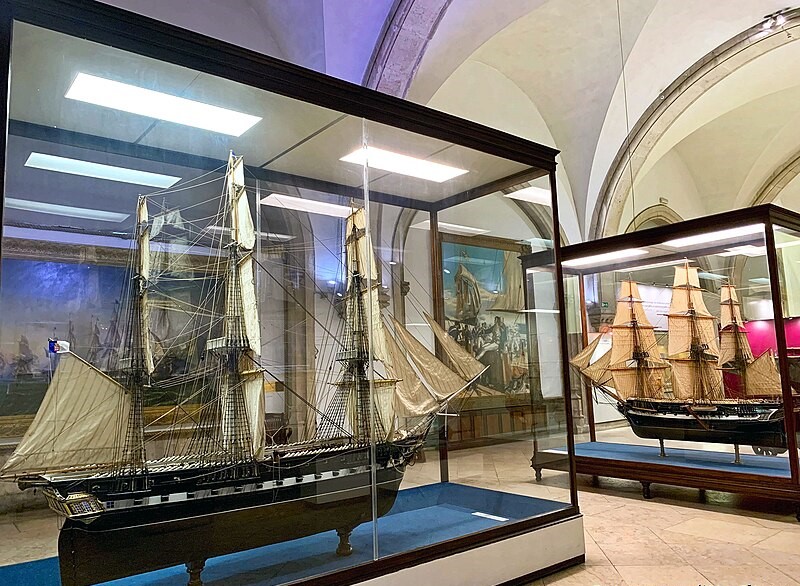
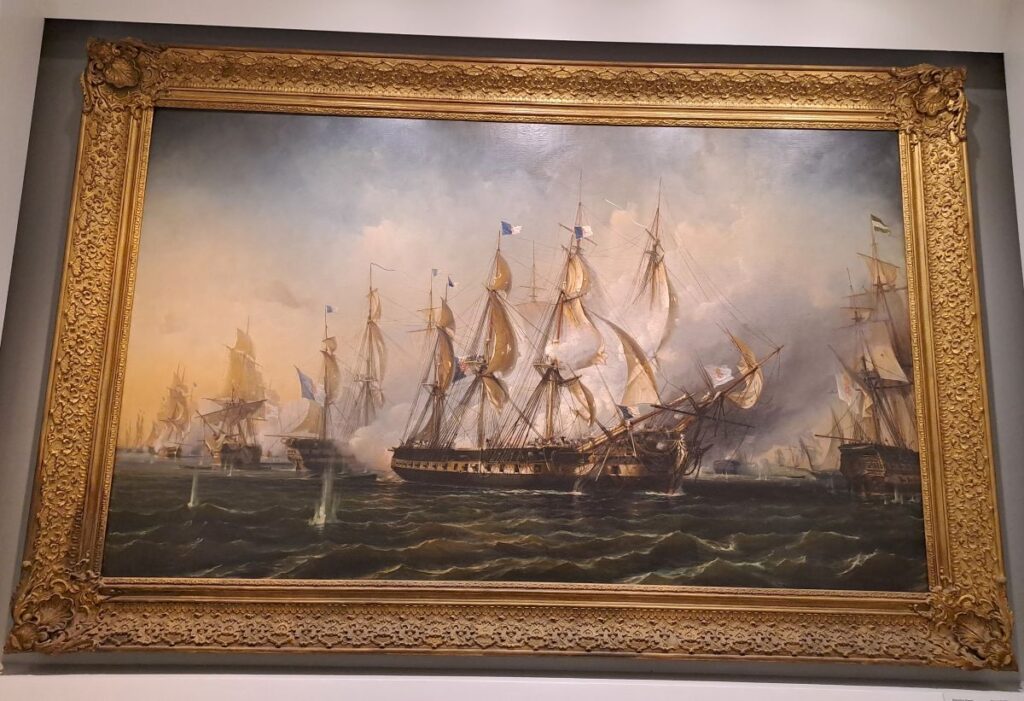
On 12 June, the Lyceum Club paid a visit to the Navy Museum. In 1863, King Luís founded a museum in honour of the Navy that is ‘a world of discoveries’, including models of galleys, river and coastal vessels, sea charts and navigation instruments, weapons and uniforms, impressive replicas of ships and royal vessels from the Discoveries to the 19th century.
At the entrance to the museum, the Cantino Planisphere, drawn in 1502, is a copy of a large-scale chart obtained clandestinely by Alberto Cantino, based on the so-called royal pattern, which hung in the chart room at the House of Guinea and Mina in Lisbon. It is one of the oldest nautical charts depicting the Portuguese maritime discoveries.
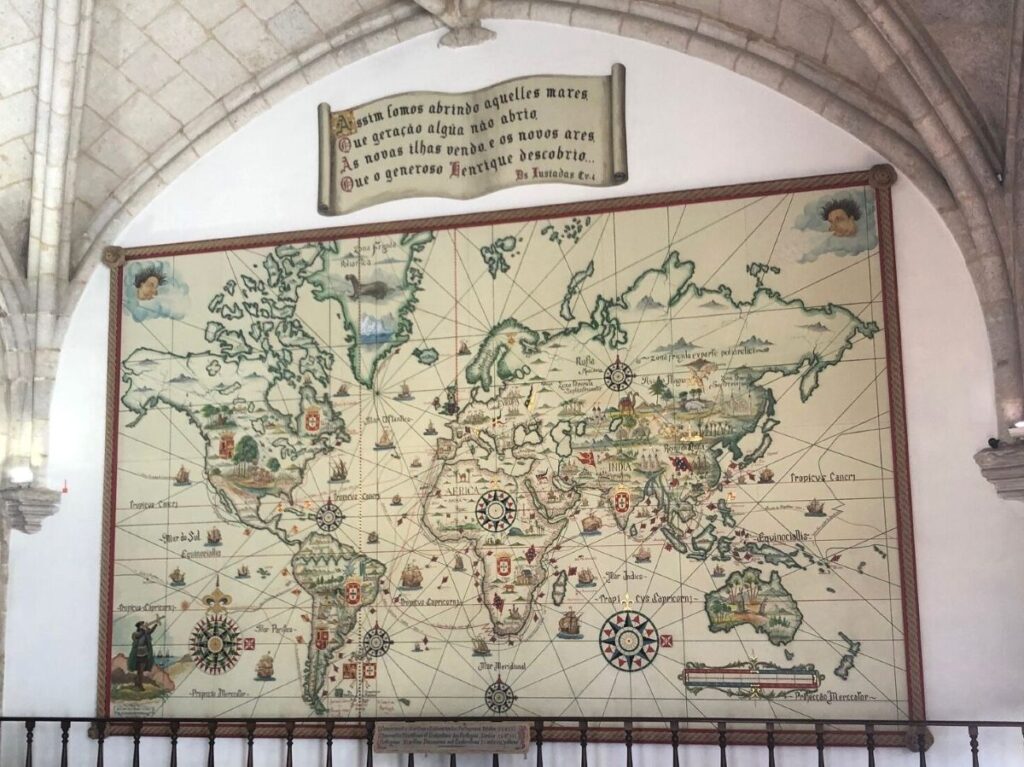
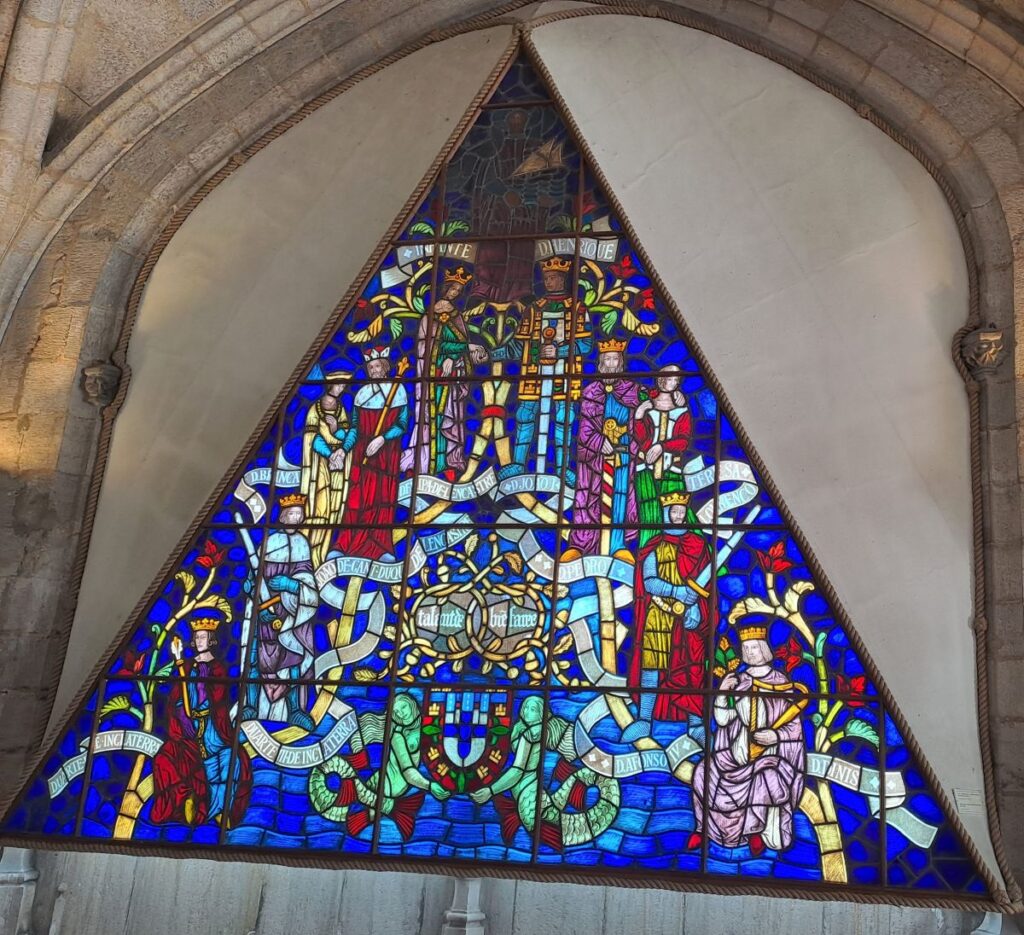
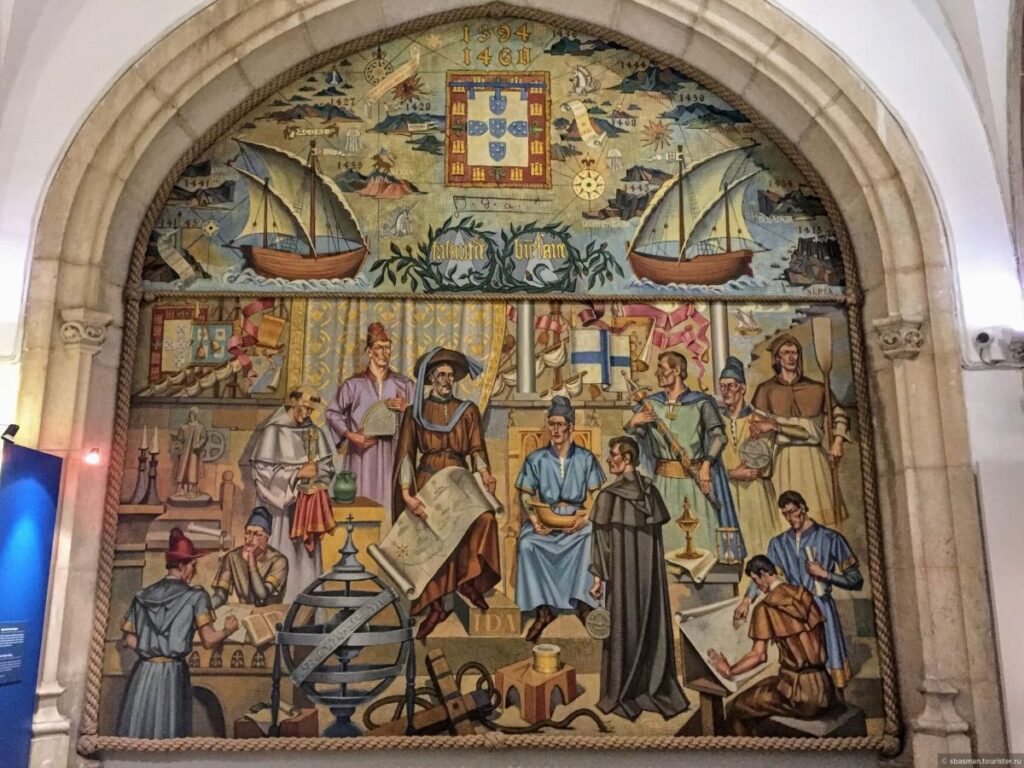
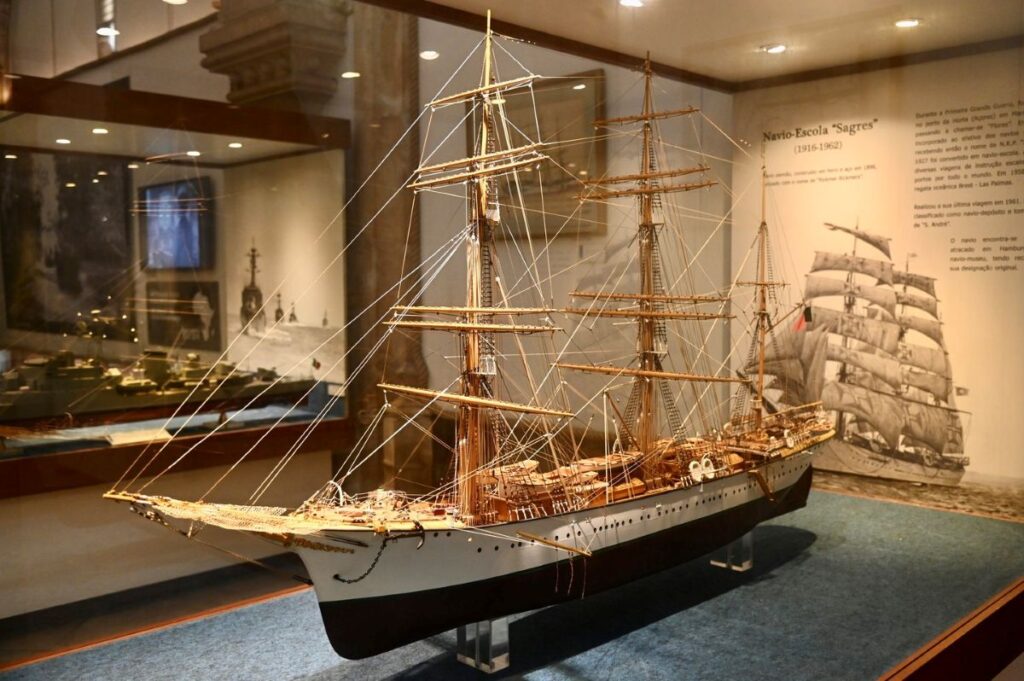
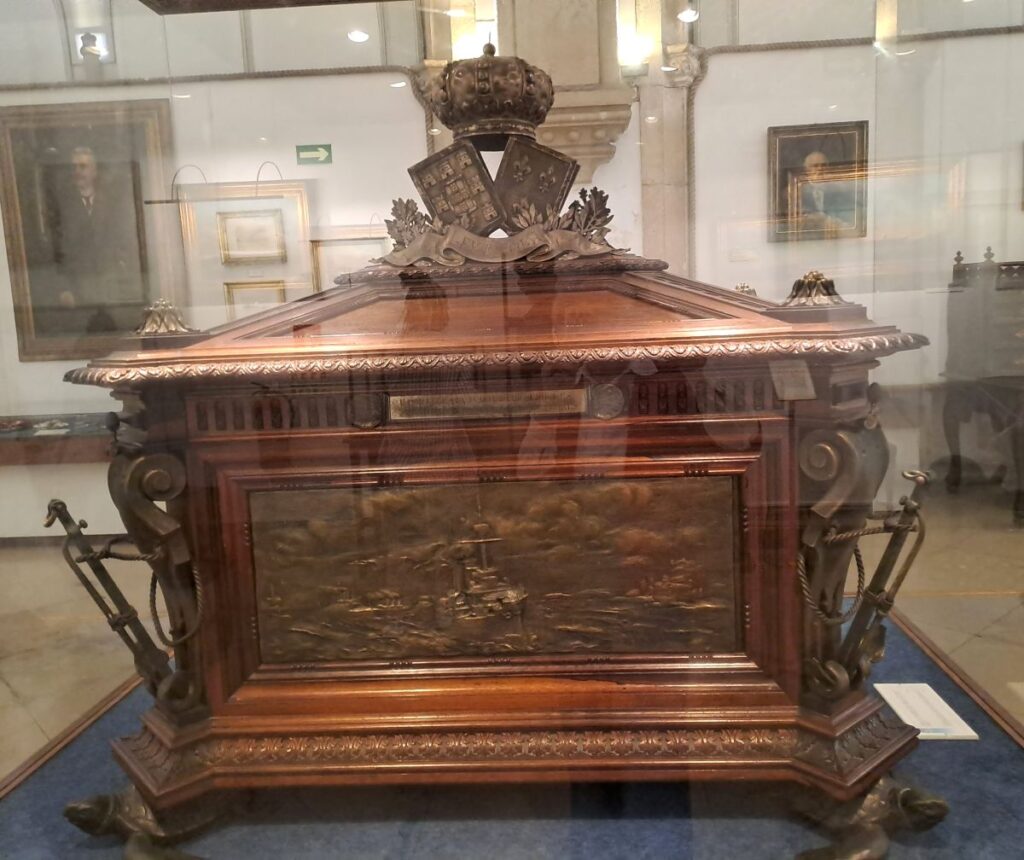
Discoveries Room
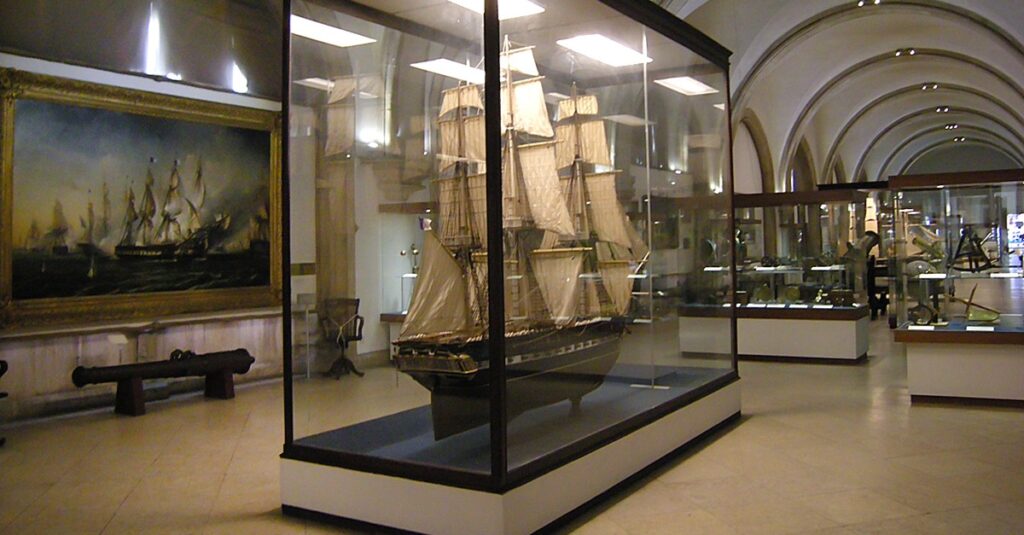
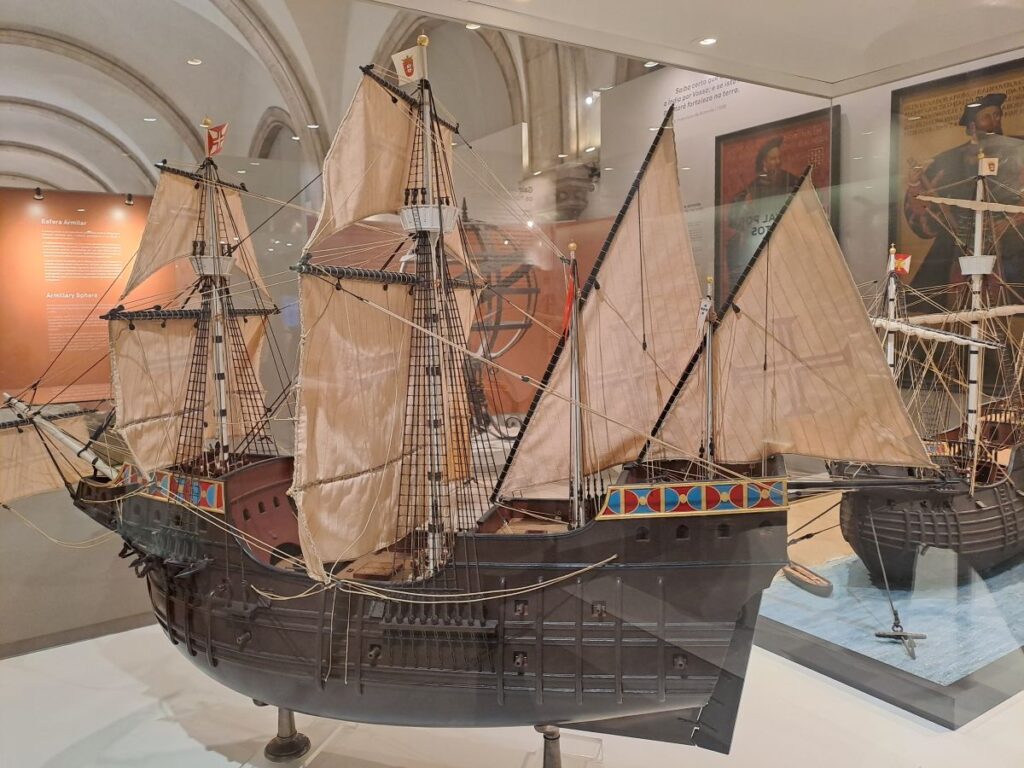
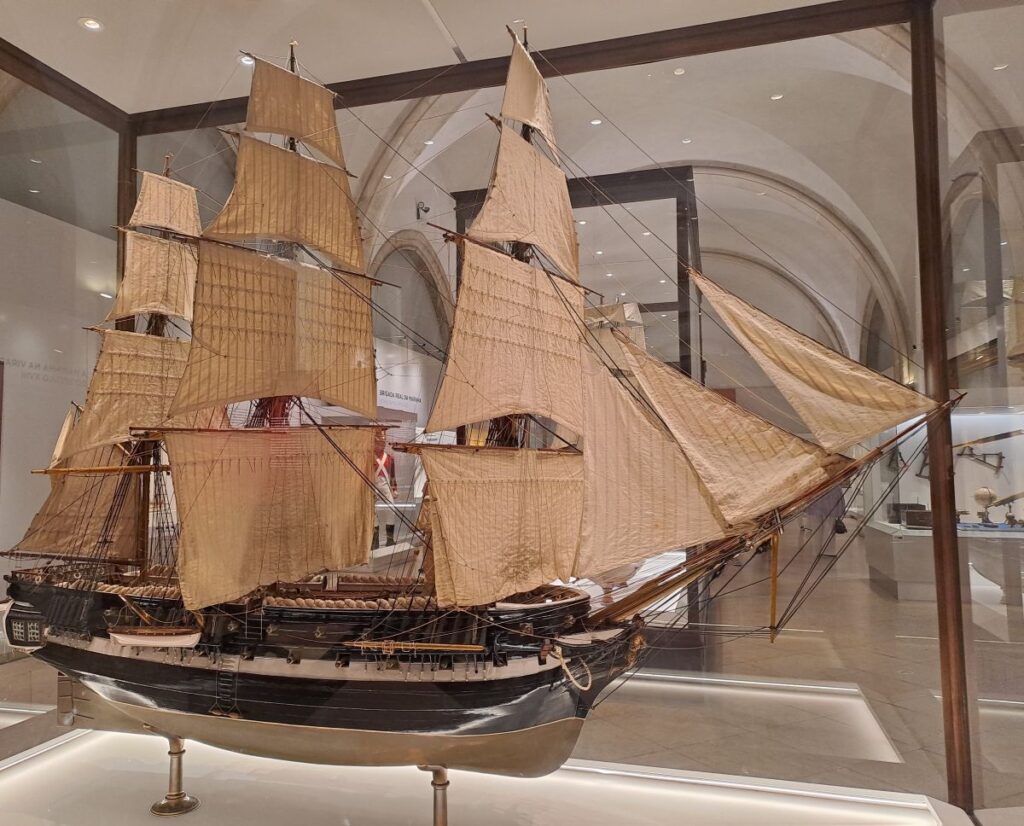
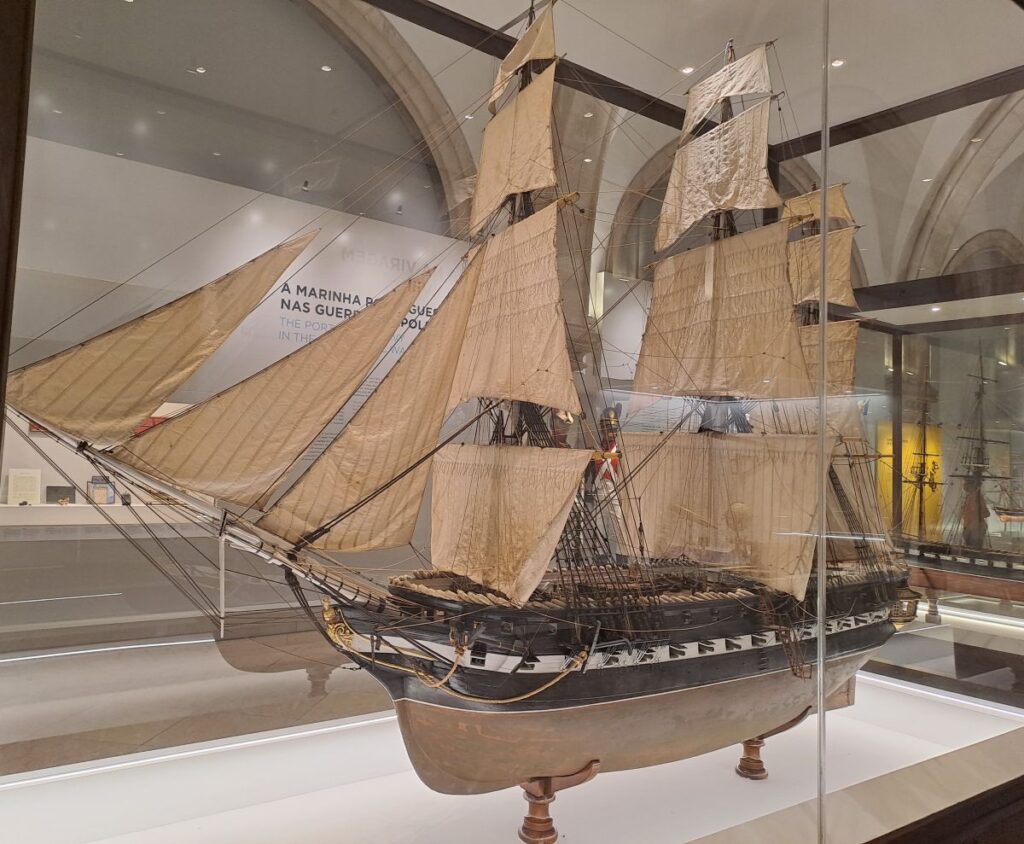
The Madre de Deus ship was built in Lisbon in 1589 and was considered the largest ship of the time. It only made two trips to India and had the capacity to carry a crew of between 600 and 700 men. In August 1592, laden with extremely valuable goods and returning to Lisbon on its second voyage to India, it was attacked and captured by an English fleet of six ships off the Azores.
Galleys Pavilion
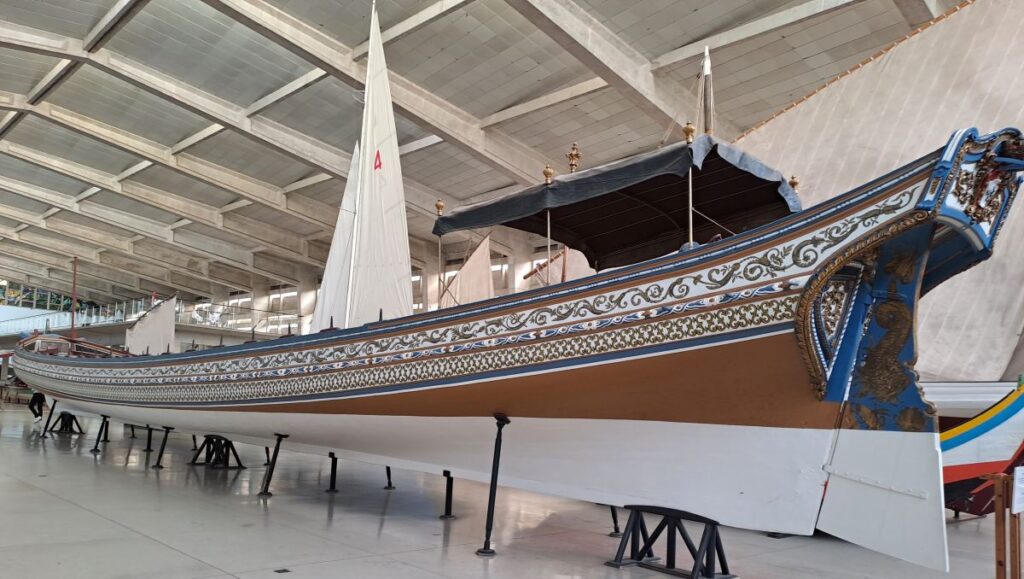
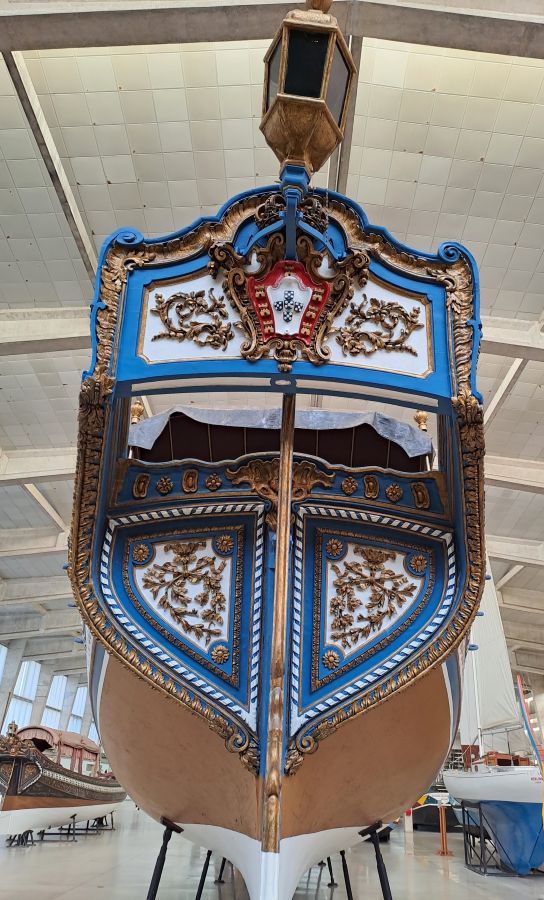
The Galleys Pavilion houses royal vessels such as the Bergantim Real, built by Queen Maria I in 1780 for the wedding of her son, the future King João VI, to Princess Carlota Joaquina in 1784. It sailed for the last time in 1957, on the occasion of Queen Elizabeth II of England’s official visit to Portugal.
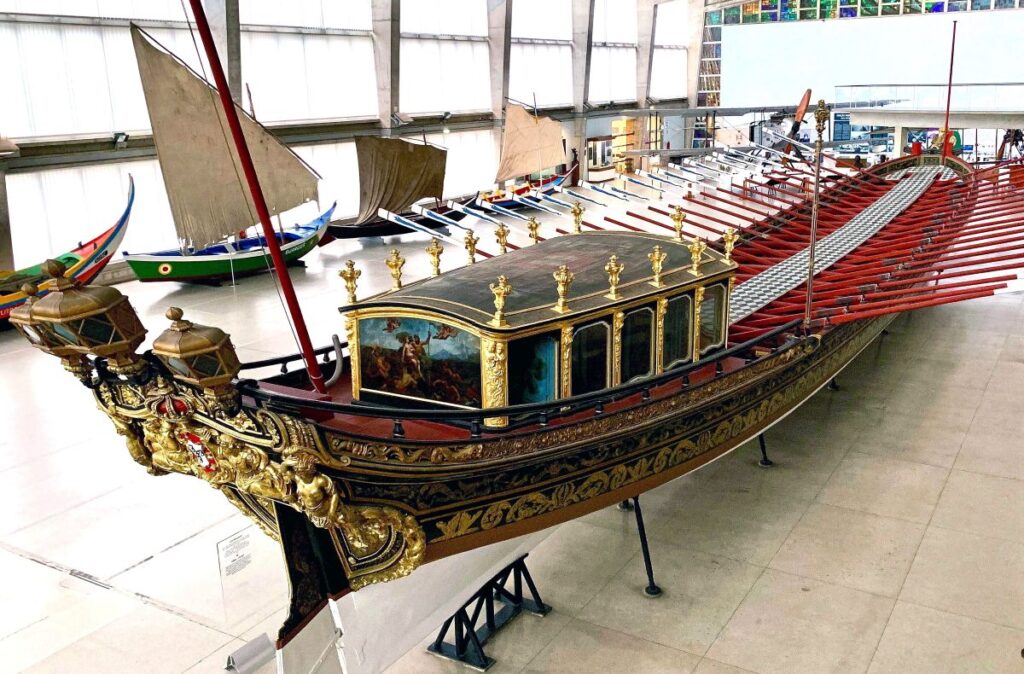
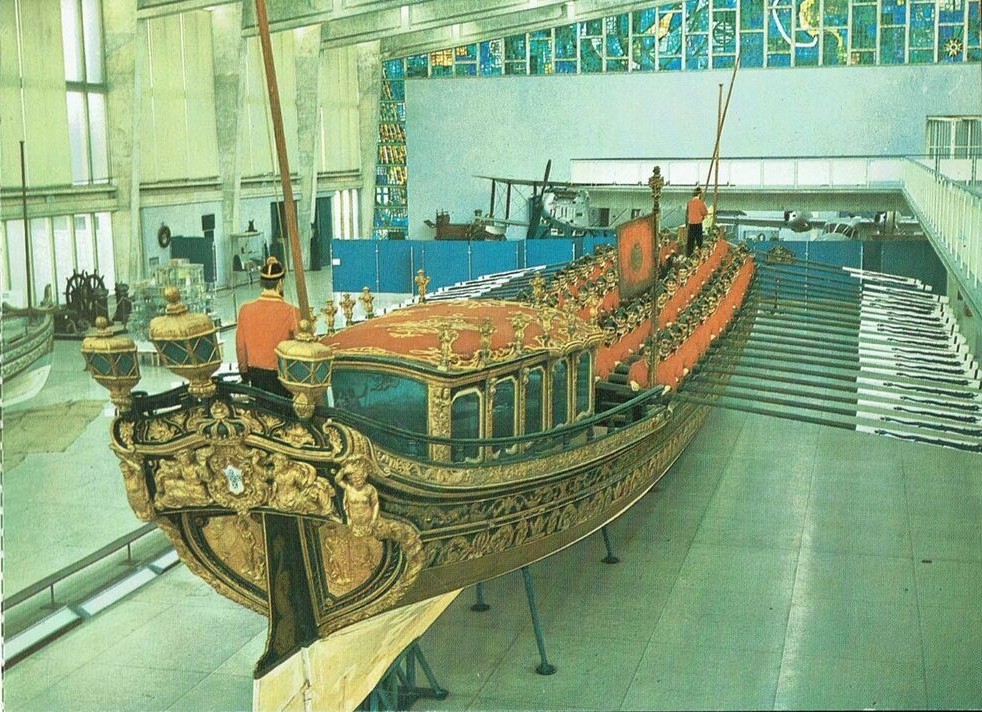
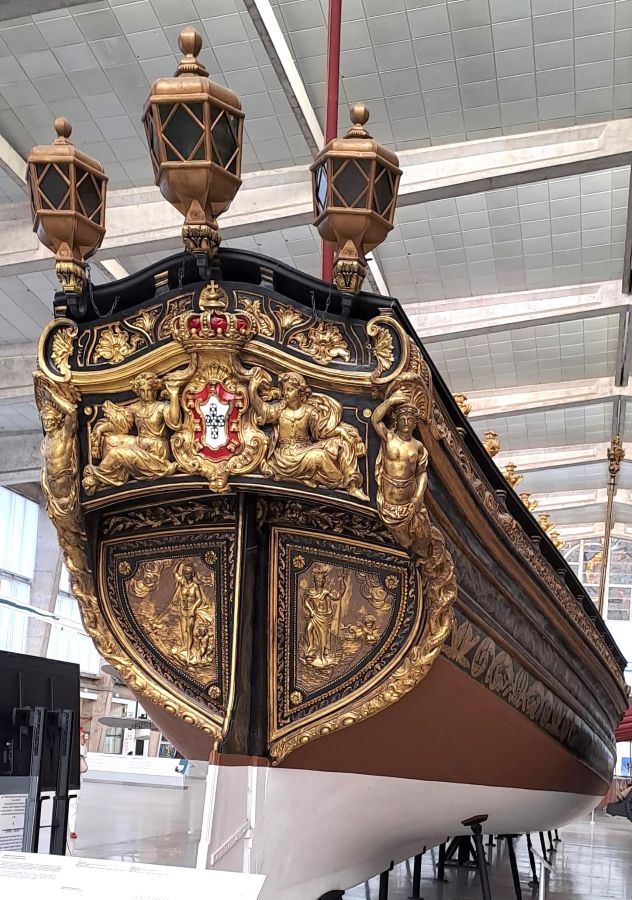
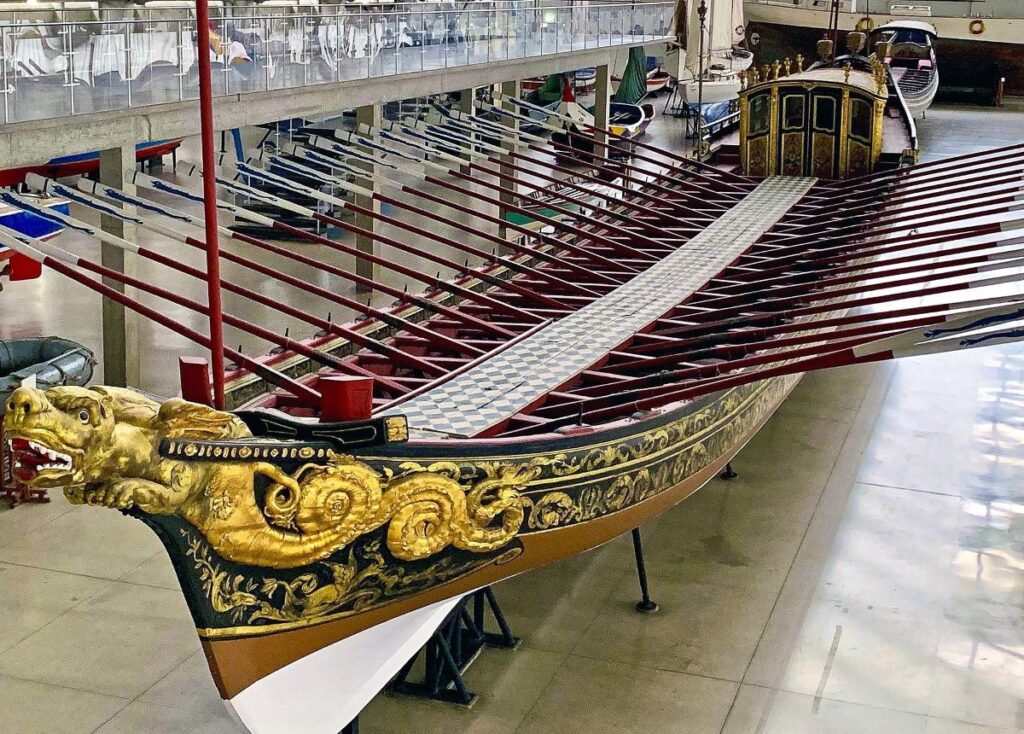
Below, photos of the Great Galley, built in 1728 by order of King João V.