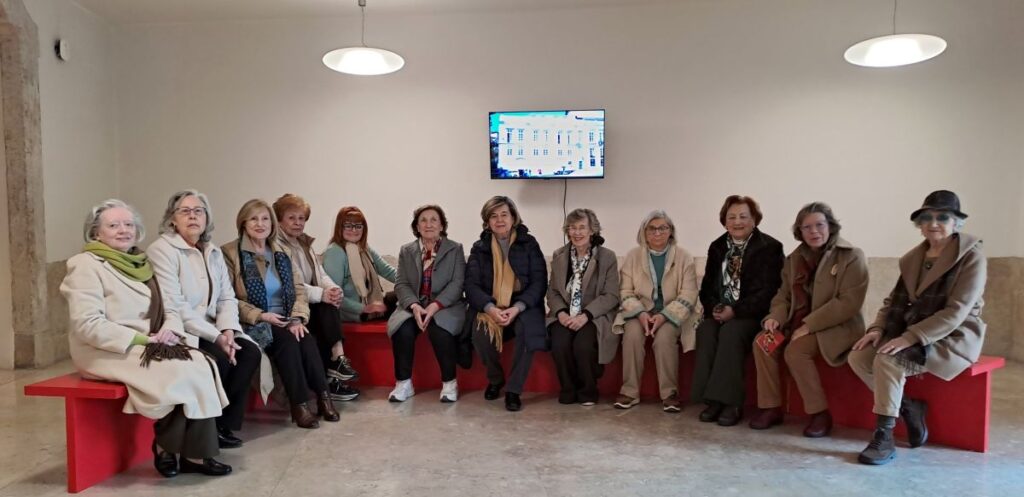
The Club kicked off the New Year with a guided tour of Asia House – Francisco Capelo Collection, which includes pieces from fourteen Asian countries, dating from the 3rd century BC to the early 20th century: India, Nepal, Sri Lanka, Thailand, Myanmar, Laos, Vietnam, Cambodia, China, Korea, Japan, Indonesia, East Timor and the Philippines.
The tour begins with an African country, Ethiopia, as a tribute to the tradition of the Portuguese search for the lands of Prester John in the 15th century, which were believed to be located near India.
Ethiopia
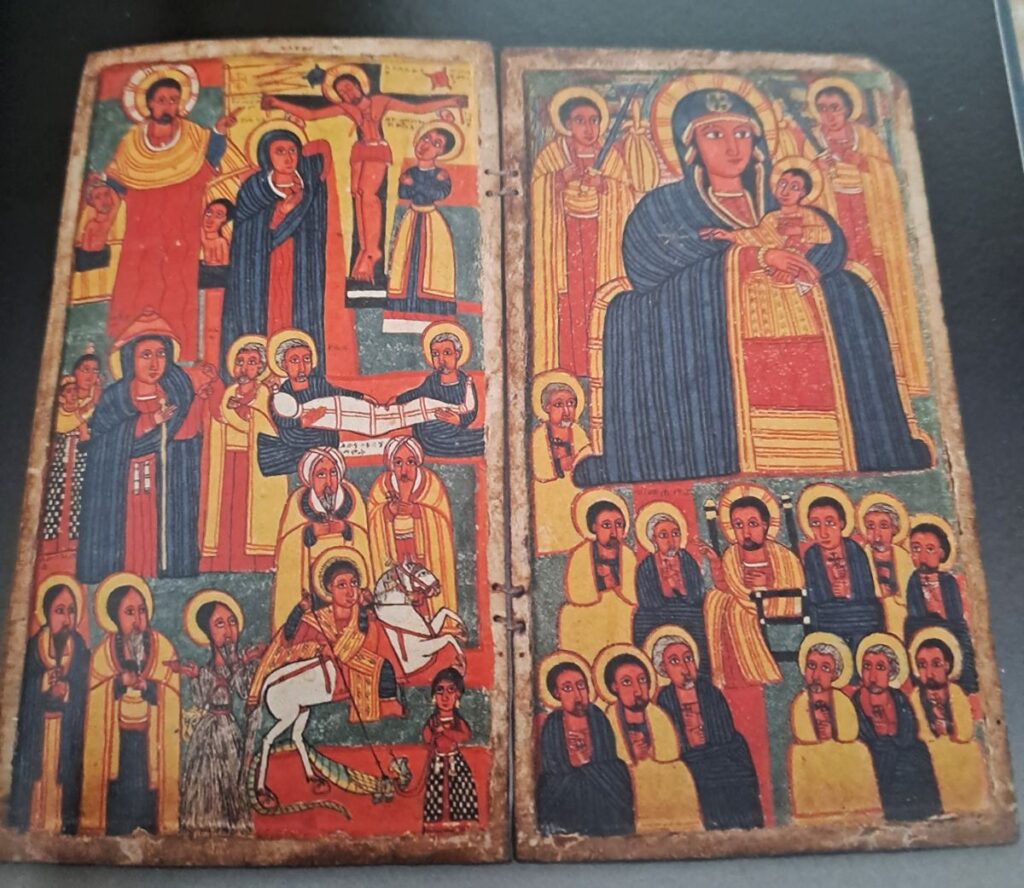
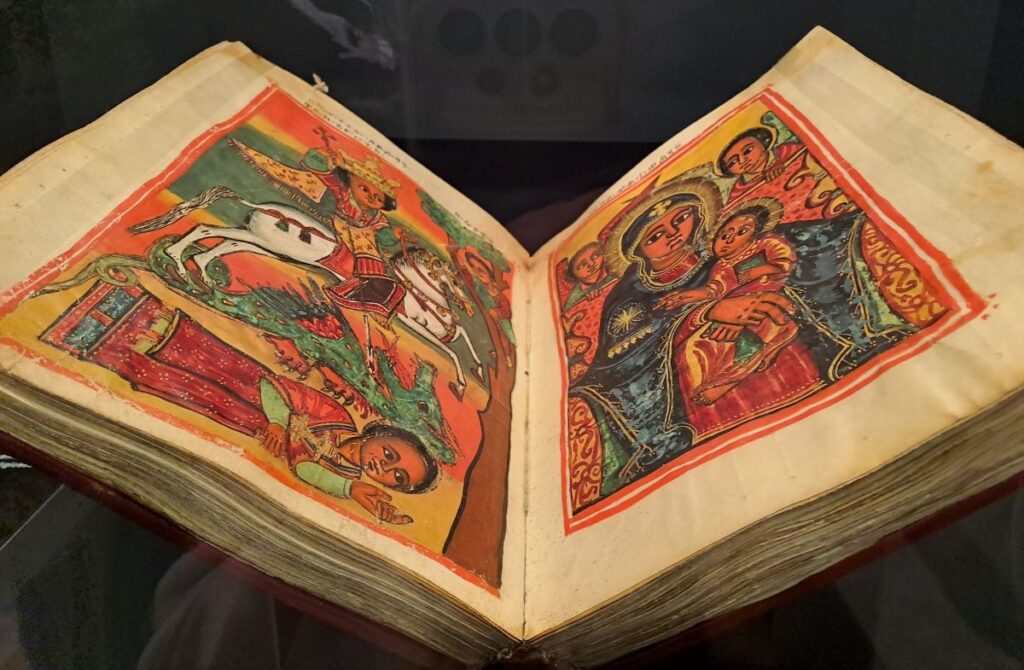
Diptych of the Virgin, Gondarine style, 17th centuryCoptic Bible – The Miracles of Mary: on the left, Saint George slaying the dragon, and on the right, the Virgin of the People
Japan
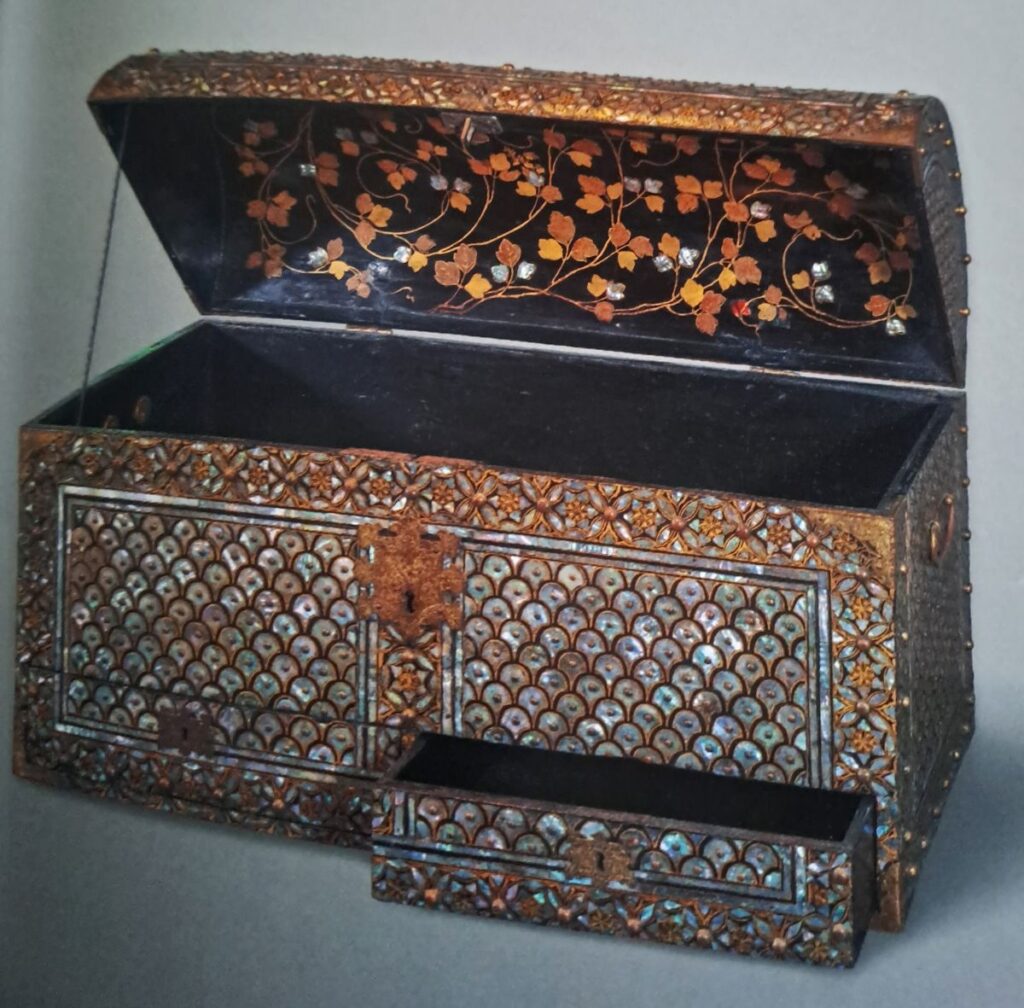
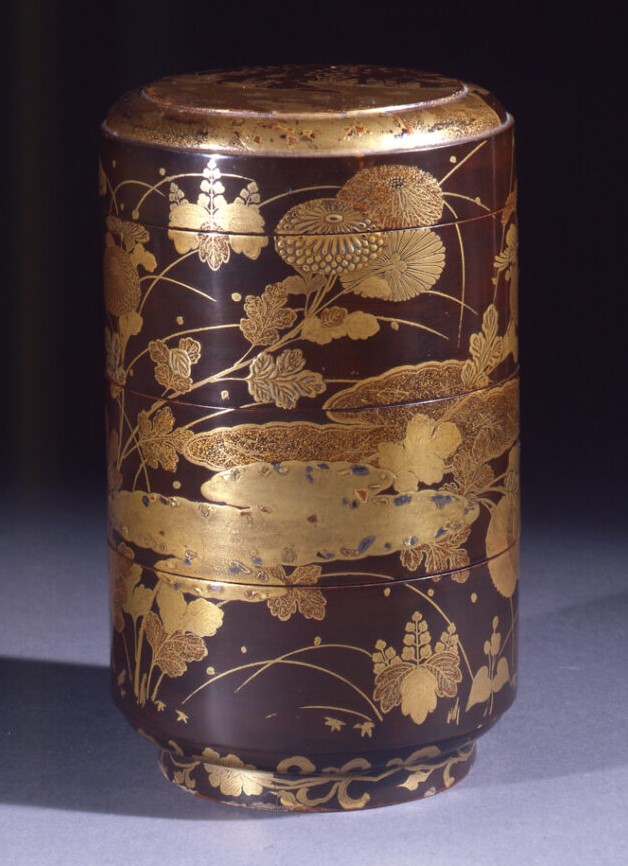
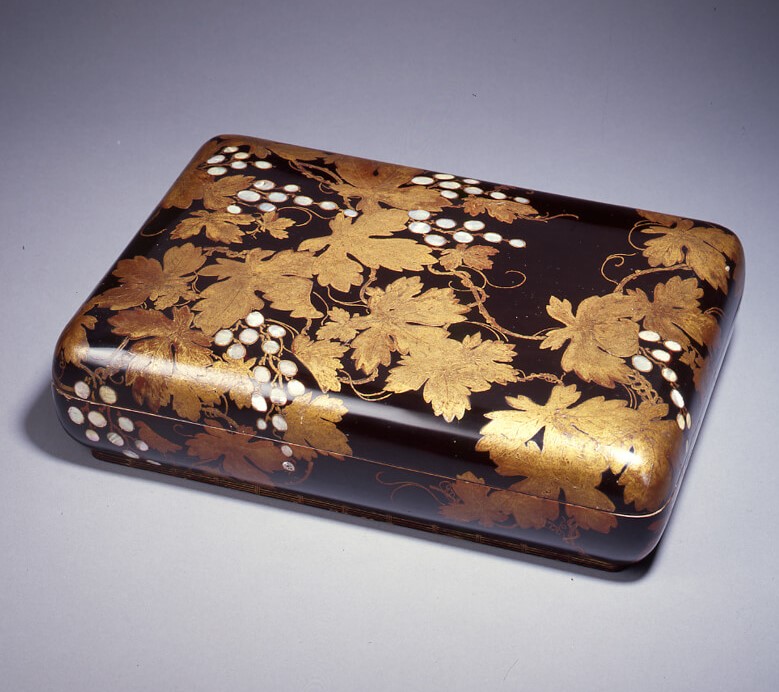
Nanbam chest, Momoyama period – 16th-17th century (probably for export to India)Food storage box, 16th century, Momoyama period
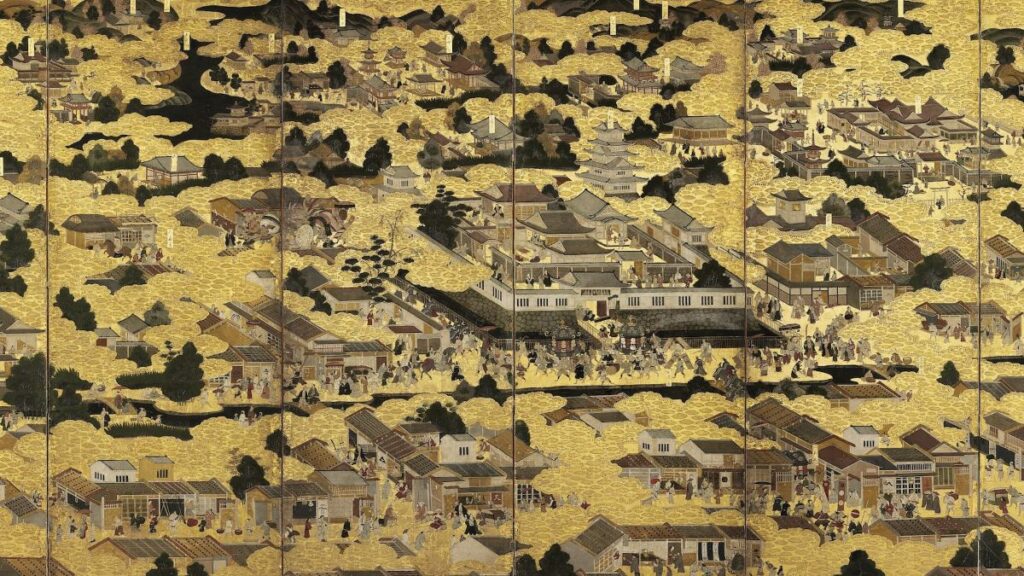
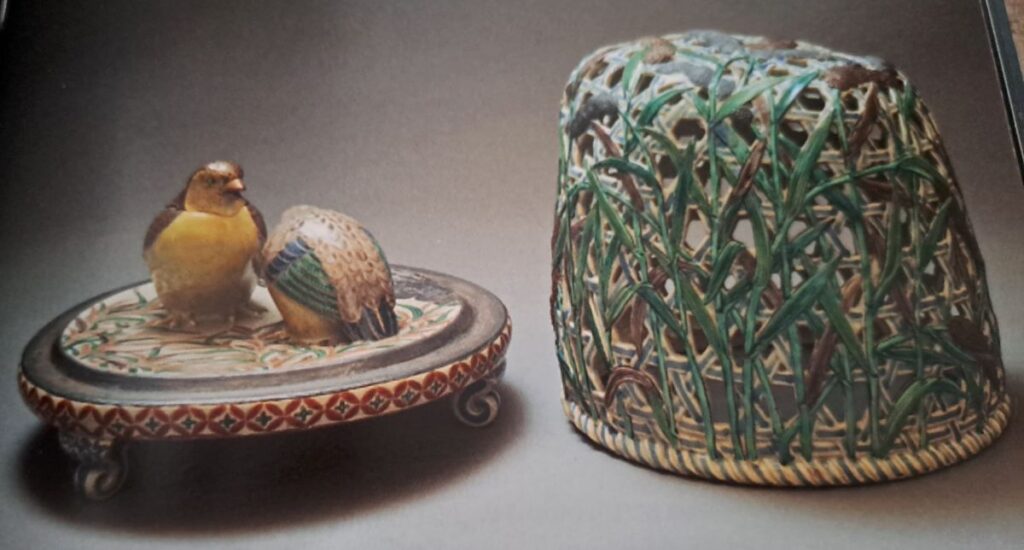
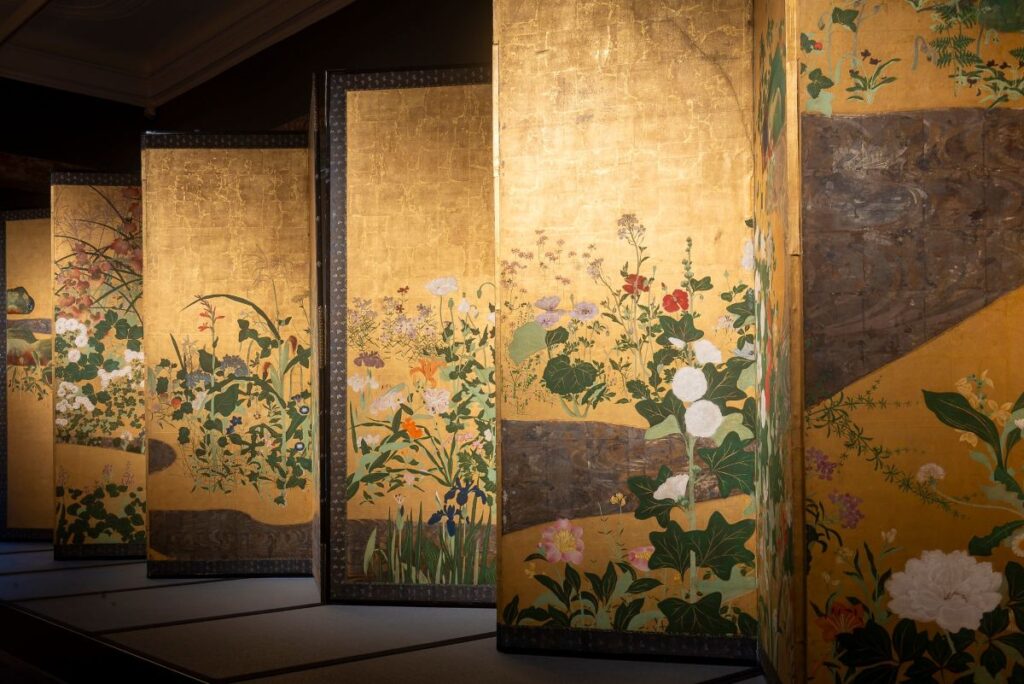
Folding screen depicting scenes from the capital Kyoto and its surroundings (gold on paper), Momoyama-Edo period, early 17th centuryIncense burner, Kyoto ceramics, Edo period, 18th centurySix-panel folding screen, gold on paper, flowers and plants of the four seasons, Edo period – Rimpa school, 18th century
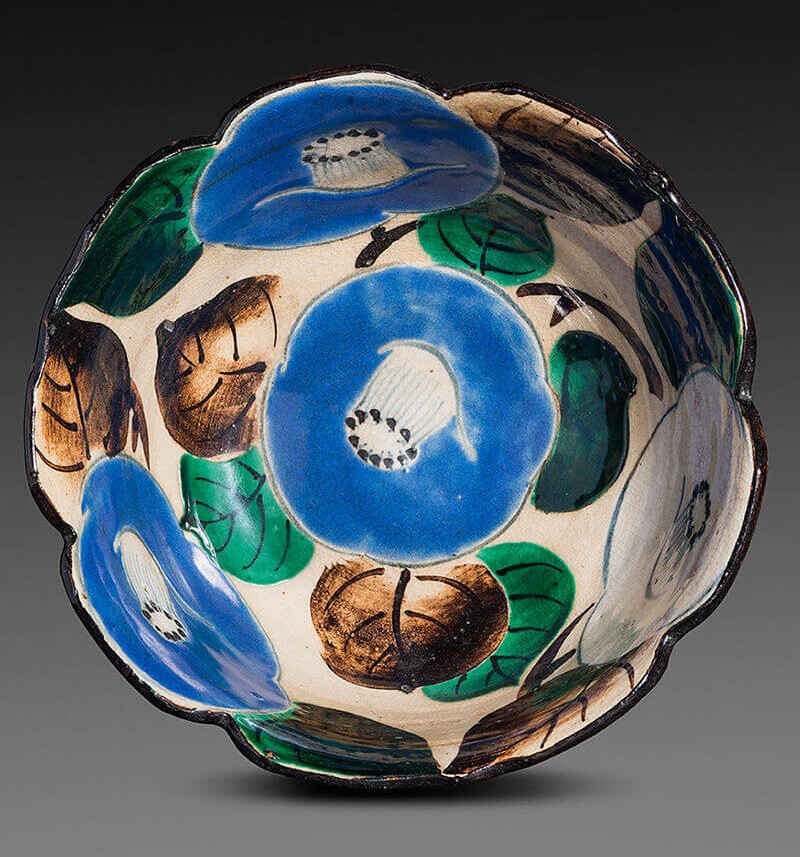
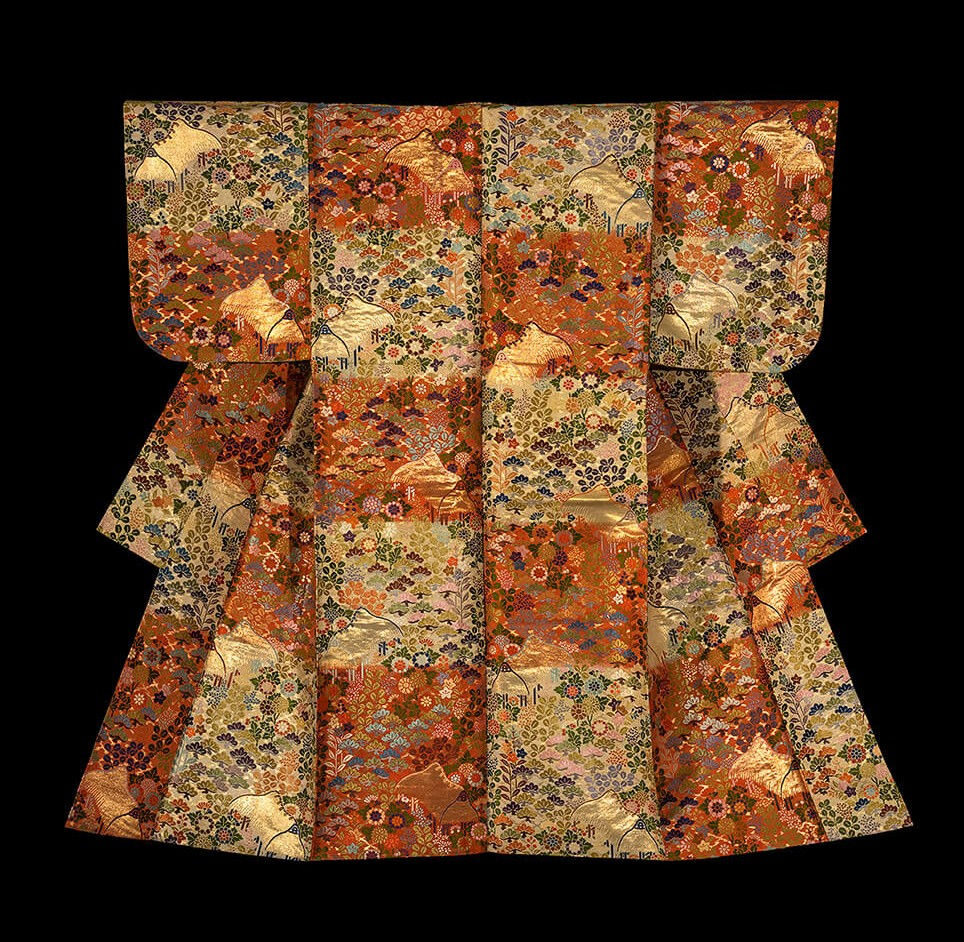
Rimpa-style bowl (stylised naturalism), signed by Ogata Kenzan – Edo period, early 18th centuryKaraori Noh costume from the late 18th century, Edo period. Embroidered costumes worn in Noh theatre by actors when playing female roles (red was worn when playing a young woman).
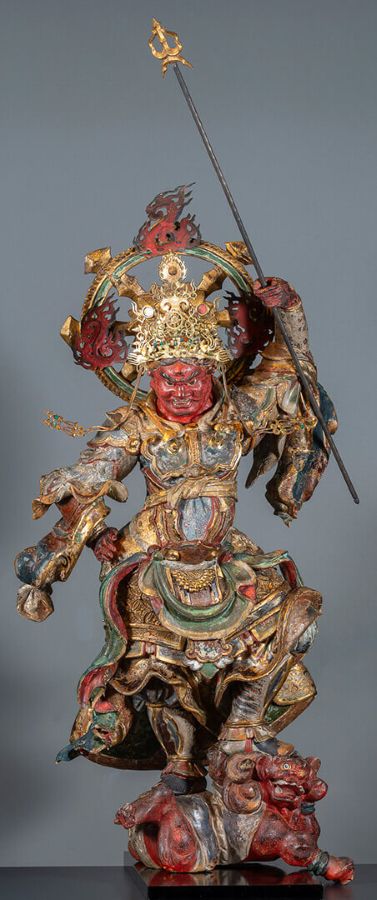
Offer box, Ryukyu Islands, second Sho dynasty, 18th centuryWooden figure of Zochoten, pigments, gold, metal, rock crystal eyes – Muromachi period, 15th century
China
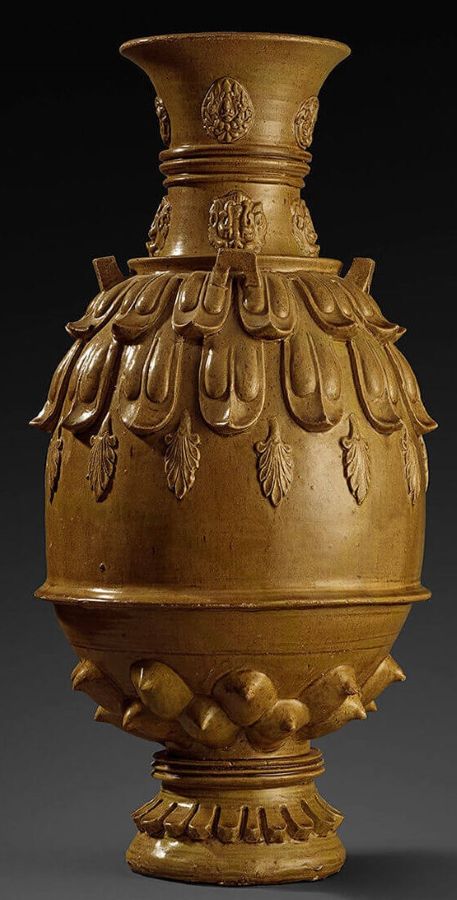
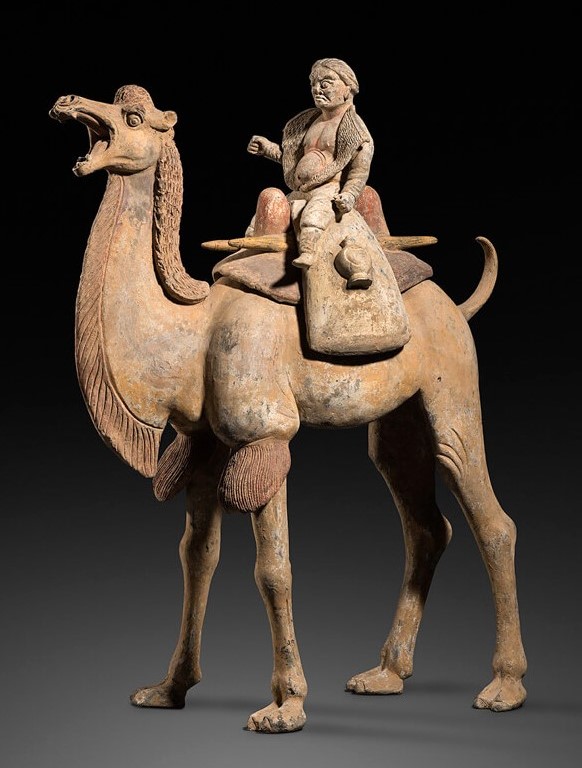
Buddhist-inspired vase, Northern Qi dynasty, 6th centuryMerchant and camel from northern central China, terracotta – 7th century, Tang dynasty
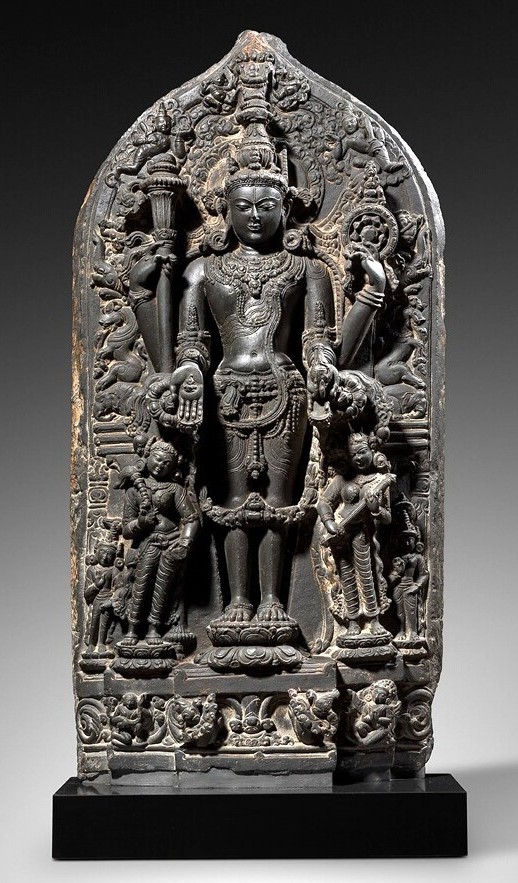
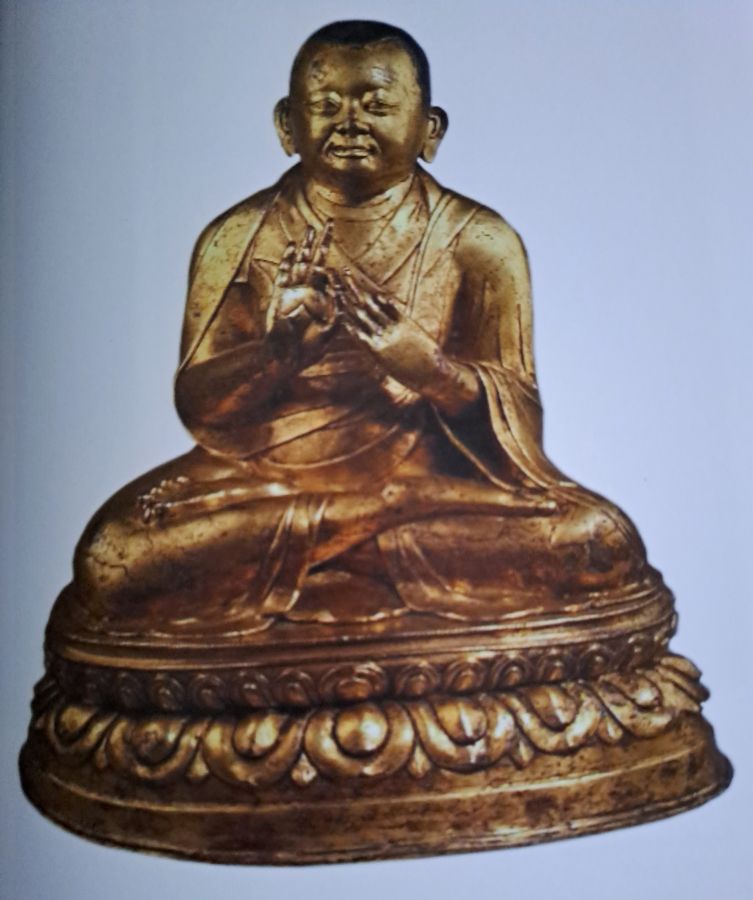
Stone stele of Vishnu, Pala dynasty, 11th-12th centuryFigure of a Lama, 15th century, Tibet
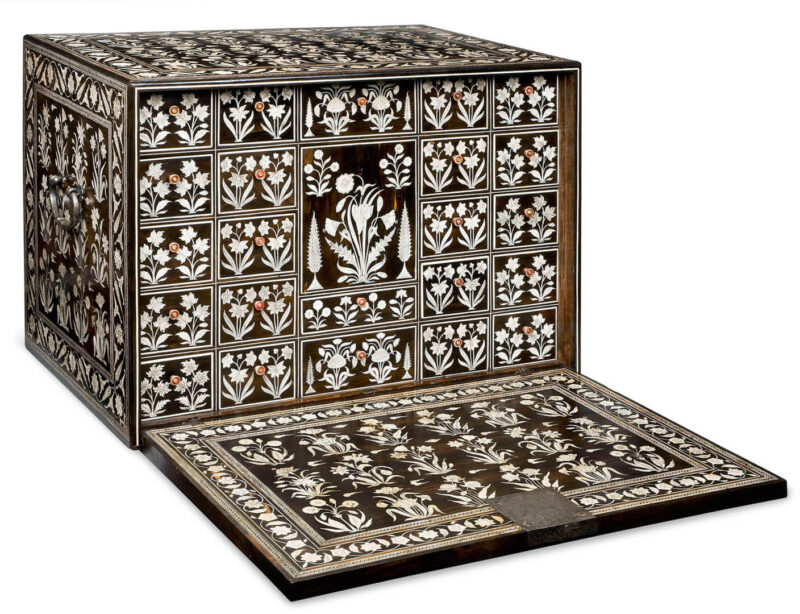
Rosewood, ivory and silver counter – Mughal dynasty, c. 1670, Pakistan
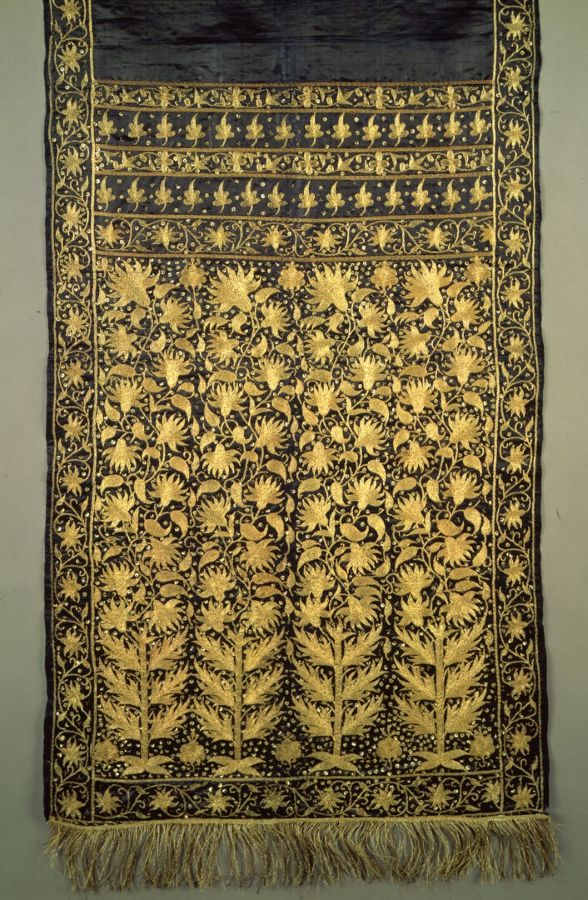
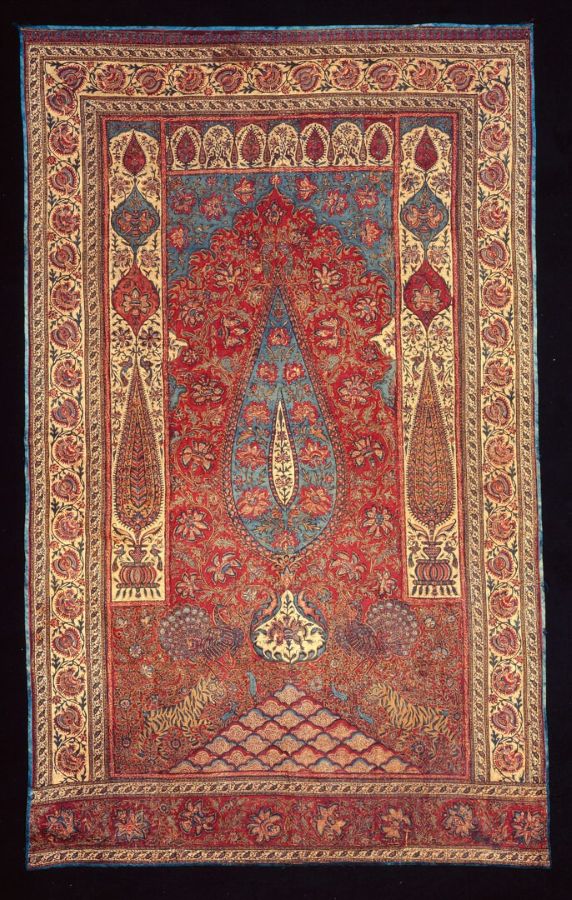
Waistband (Patka), Bikaner, India – Mughal period, 2nd half of the 18th centuryPalampore textile, Coromandel Coast, India, 19th century
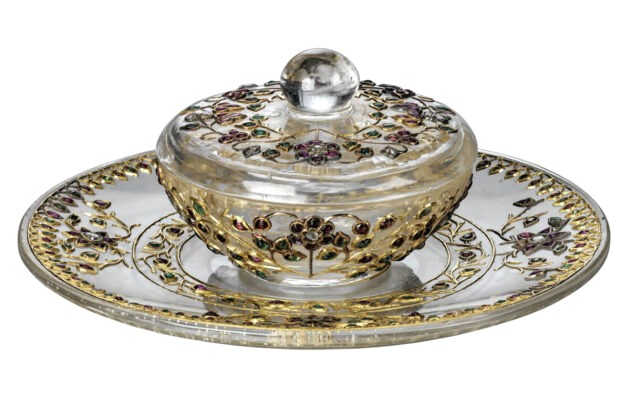
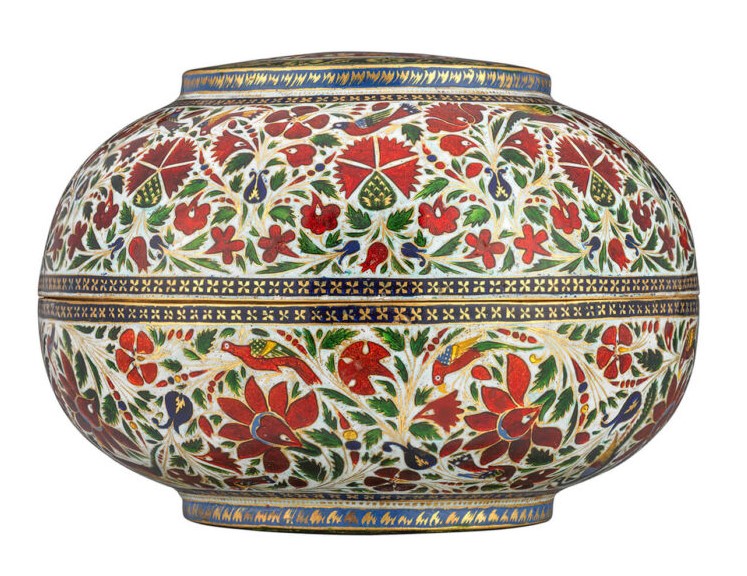
Cup with saucer in rock crystal, white sapphires, rubies, emeralds and gold – Northern India, 19th century Box with lid (Pandan), gold, enamels – Jaipur, India, 19th century
Vietnam
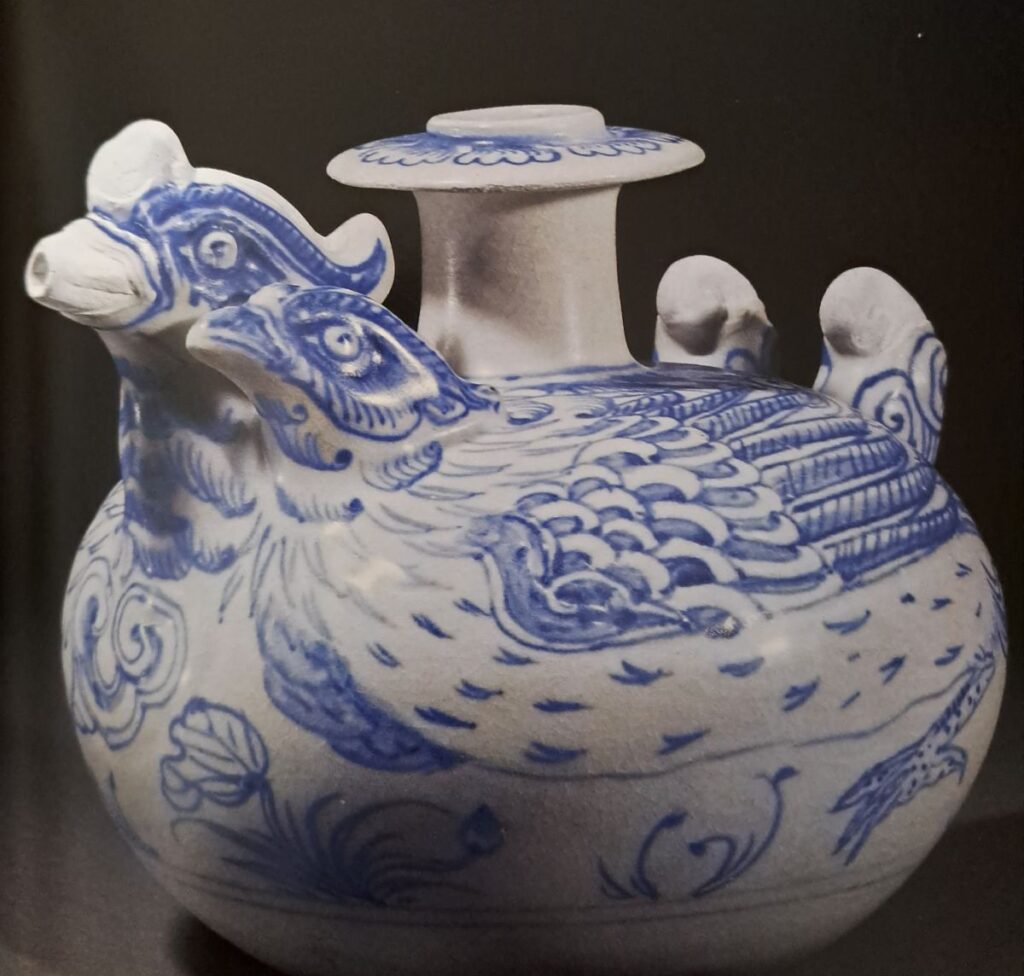
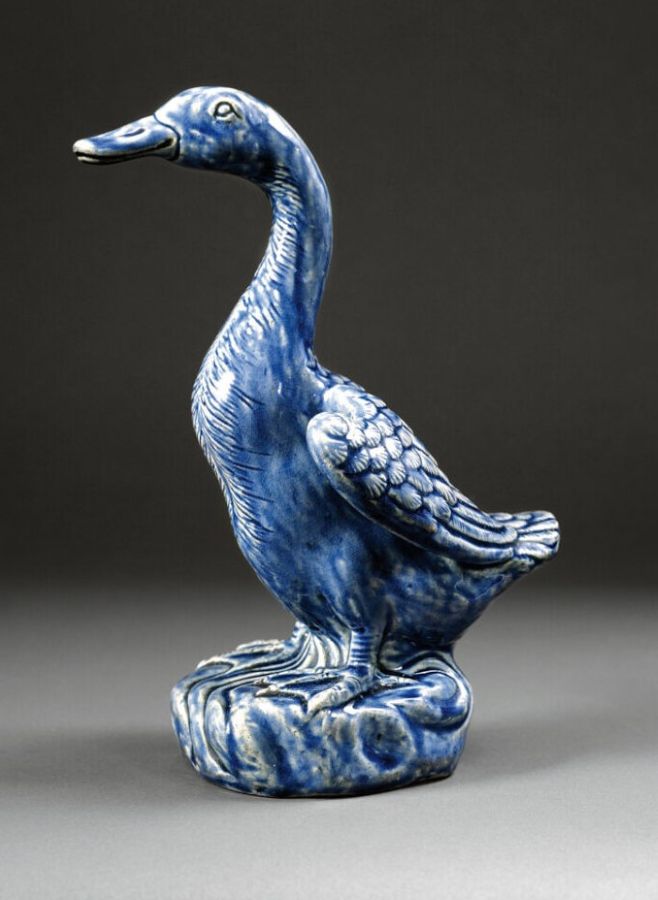
Water jug (Kendi), Le So dynasty, 15th centuryDuck – Le restored dynasty, 17th century
Cambodia
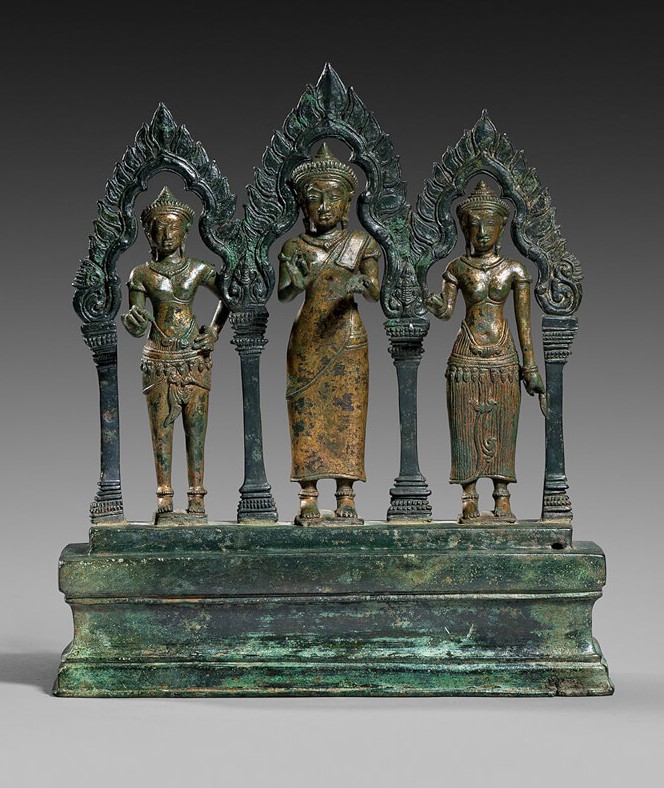
Buddhist Trinity, in bronze and gold – Angkor period, 11th century
Thailand
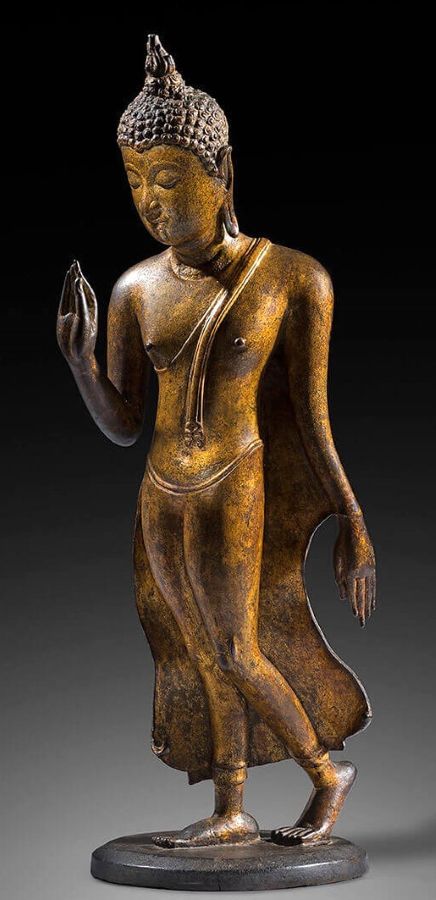
Walking Buddha figure, in bronze and gold, 14th century – Sukhothai School. It is the most valuable piece in the collection because it is unique.
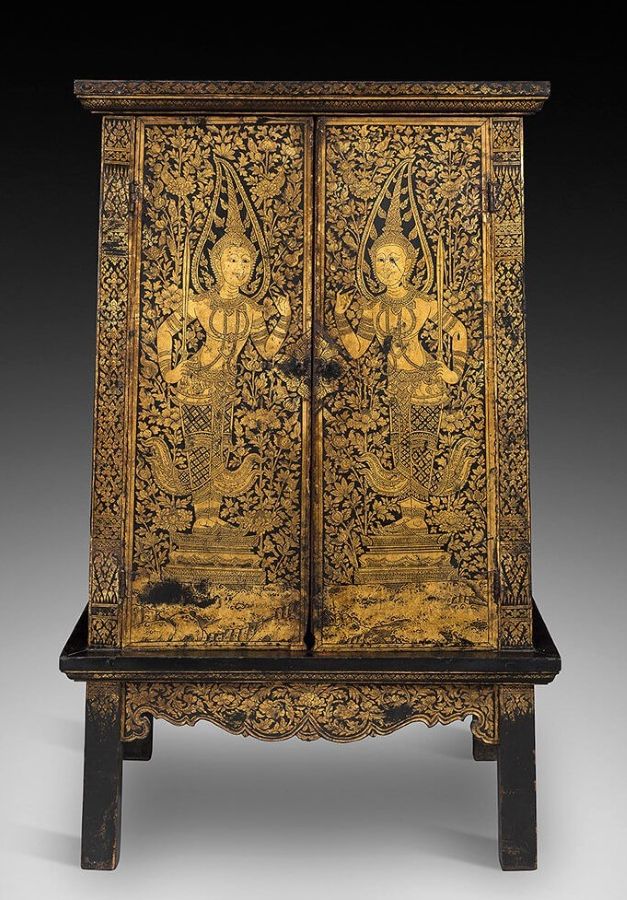
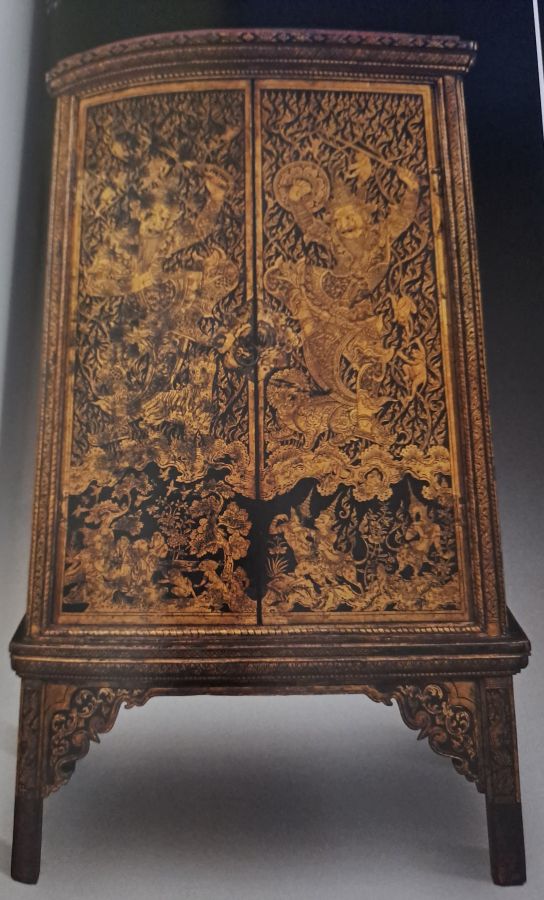
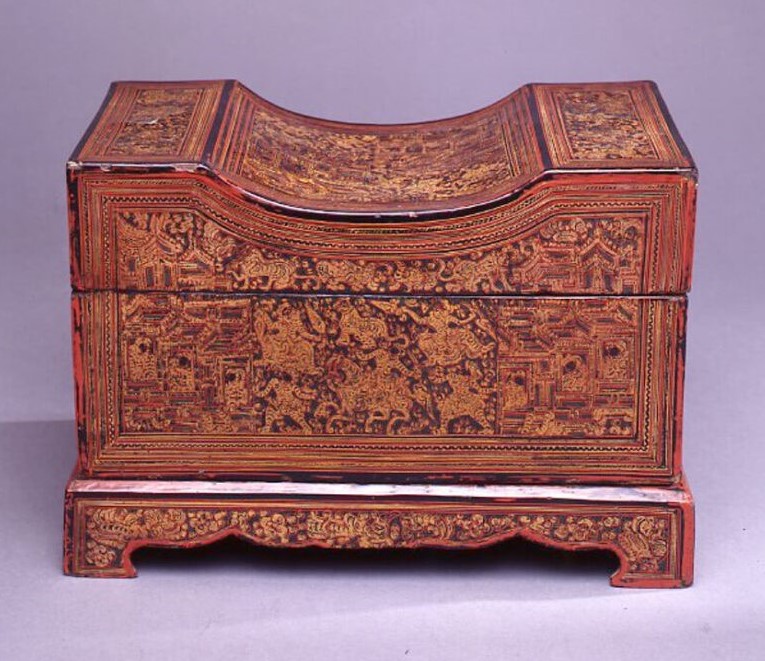
Sutra cabinet (where Buddhist books and manuscripts were stored), Ayutthaya period, 18th centurySutra cabinet in teak and gold on black lacquer, 1787, Rattanakosin period
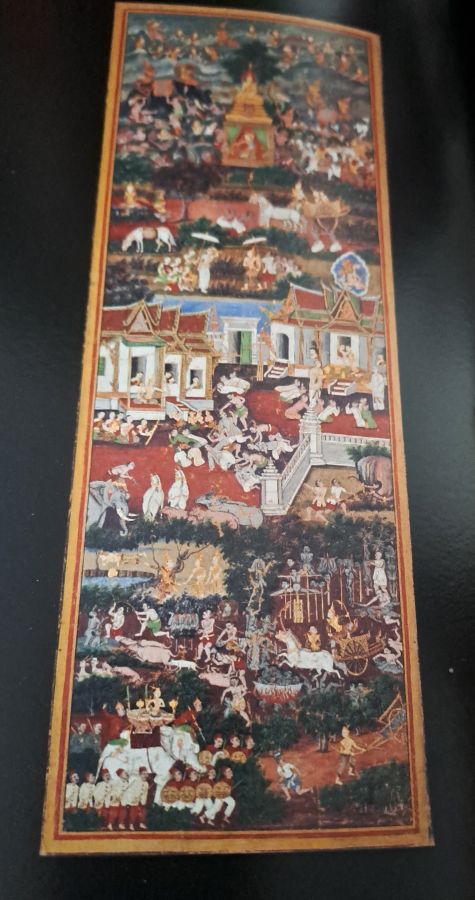
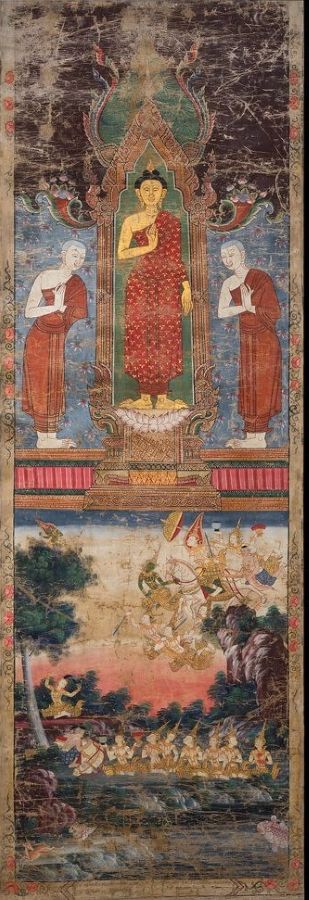
Religious painting, 19th century, Rattanakosin period. During Buddhist festivities, these paintings, on cotton fabric, were hung outside temples. Religious painting, Rattanakosin period, 1870
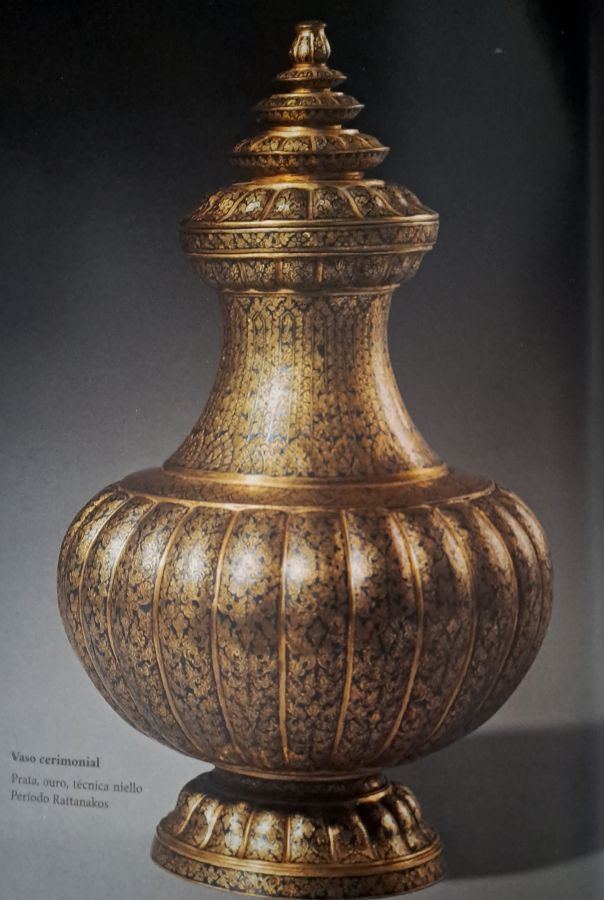
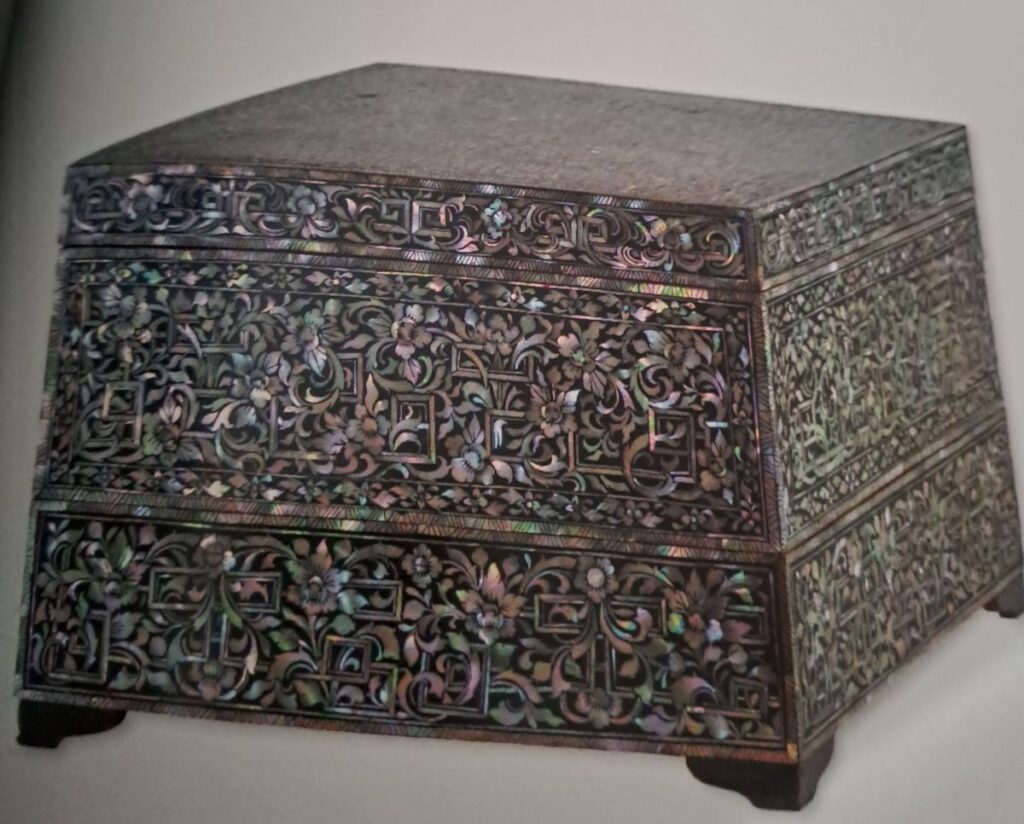
Ceremonial vase, in silver, with motifs chiselled and filled with goldInlaid mother-of-pearl and silver box, 19th century, Rattanakosin period
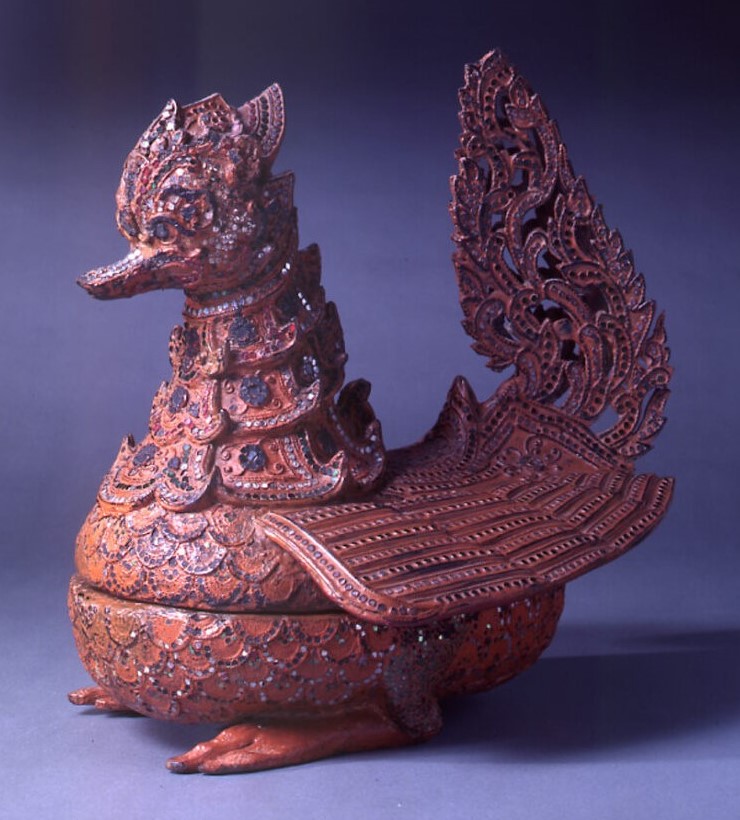
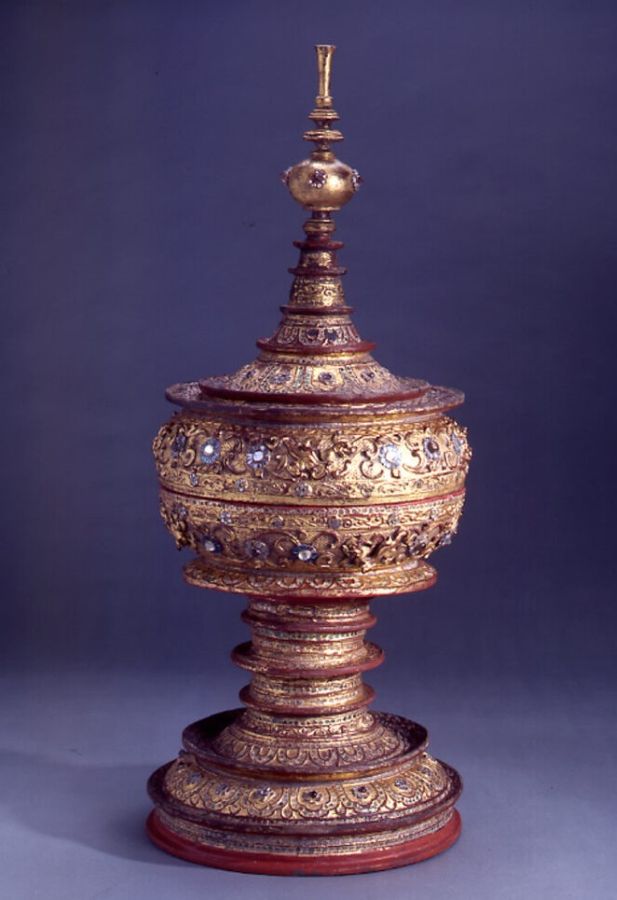
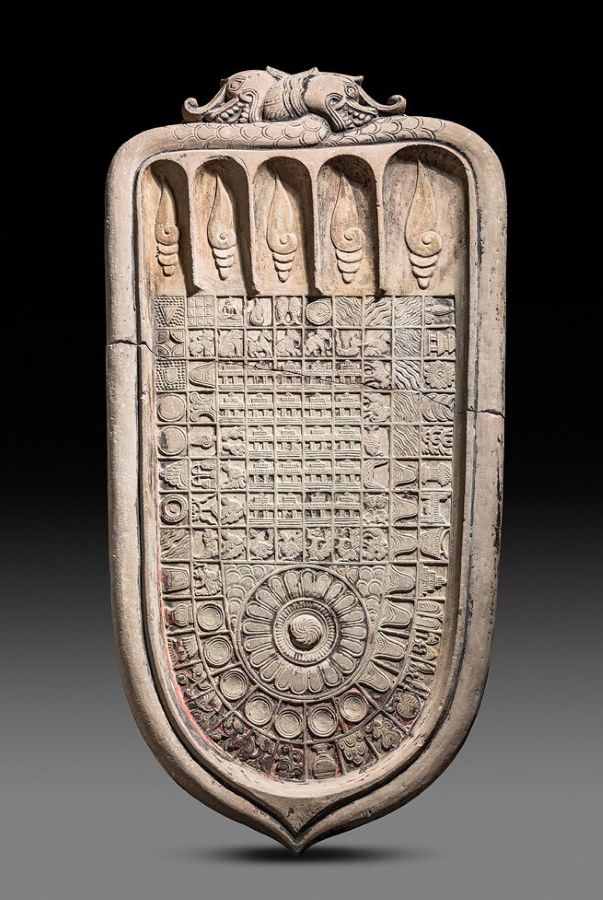
Offerings vase – wood, lacquer, thayo, mica, glass, gold – Colonial period, 20th centuryBuddha’s footprint, Ava period, 16th-17th century
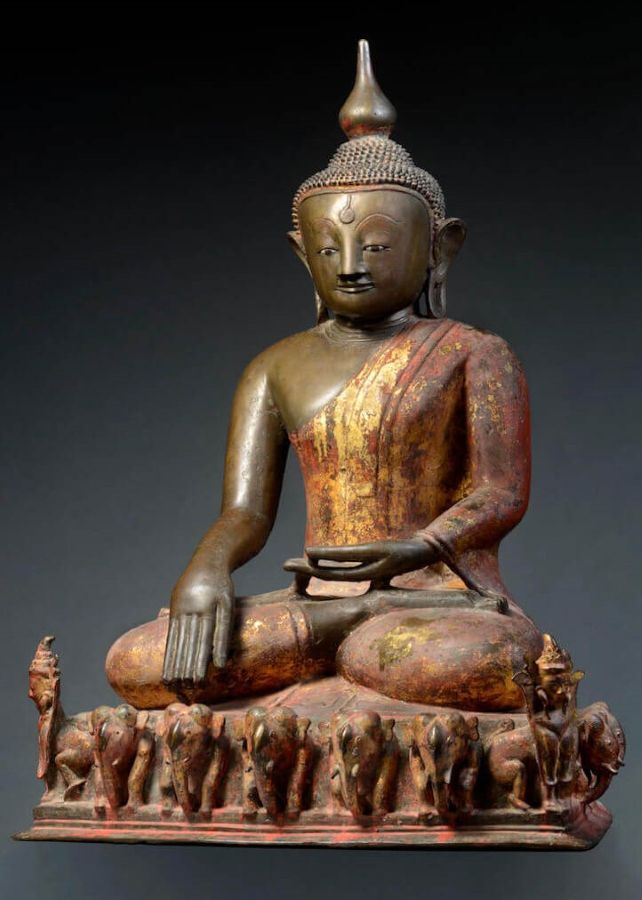
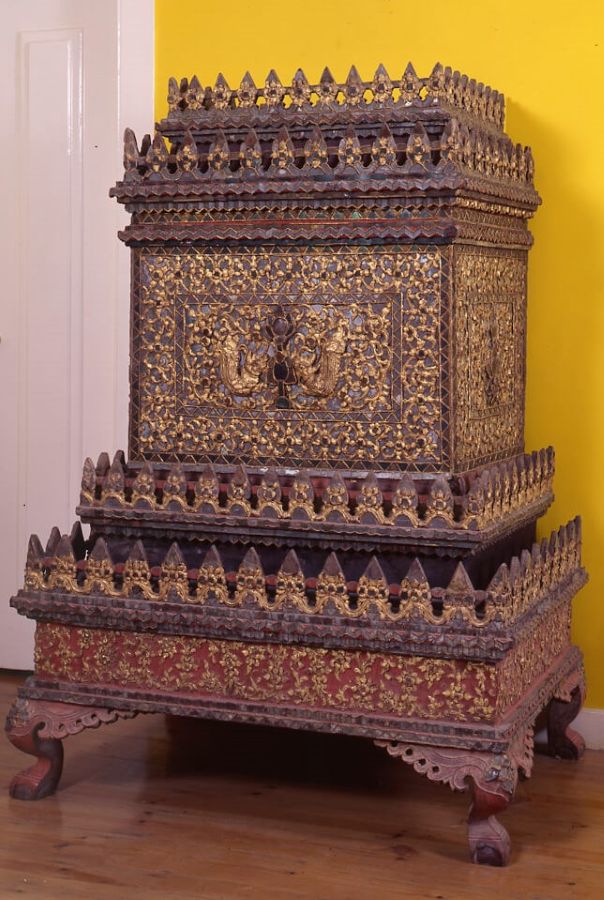
Figure of Buddha Shakyamuni subduing Mara, in bronze and gold – Ava period, 16th centurySutra cabinet in teak, thayo, mirrored glass, stones, lacquer and gold – Konbaung period, 19th century
Indonesia
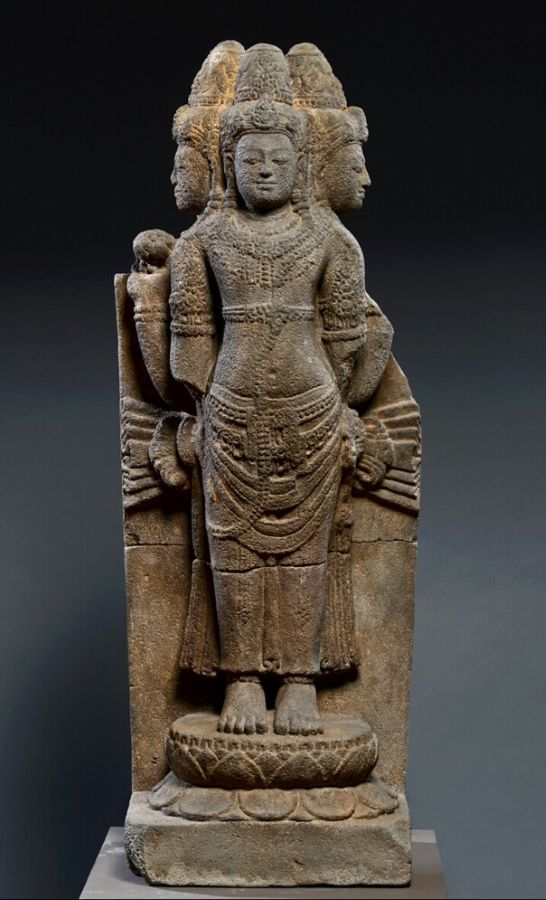
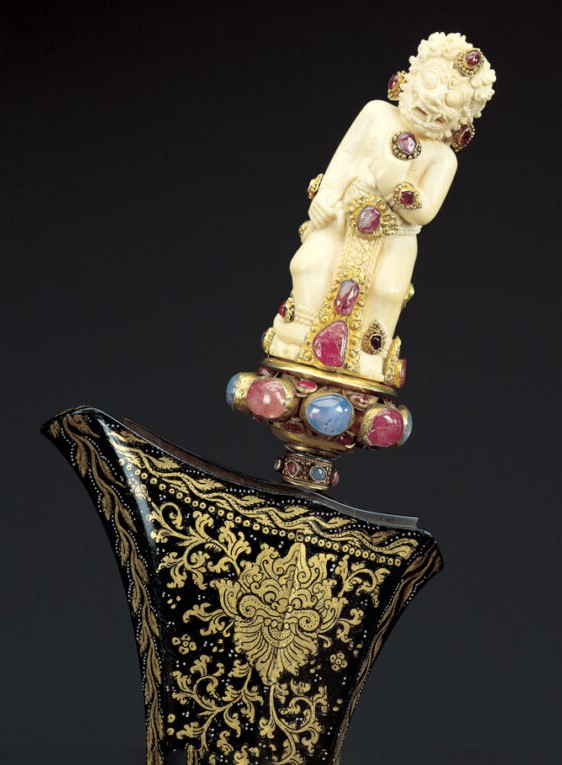
Figure of Brahma in volcanic stone, Central Java, 8th-9th centuryDagger (Kris) made of iron, wood, ivory, Borneo diamonds, gold – Bali, 19th century
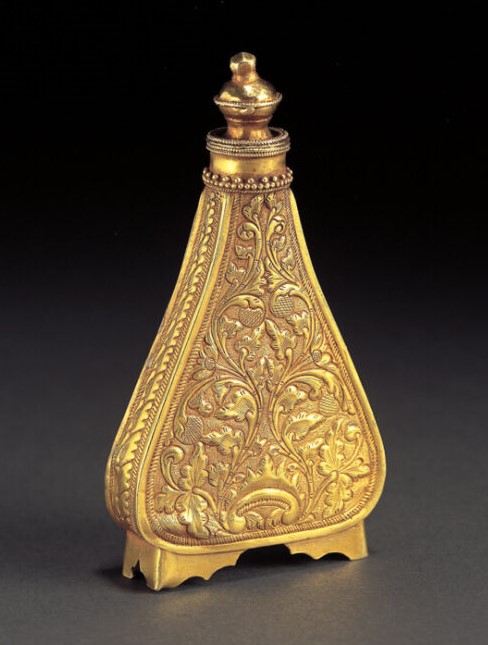
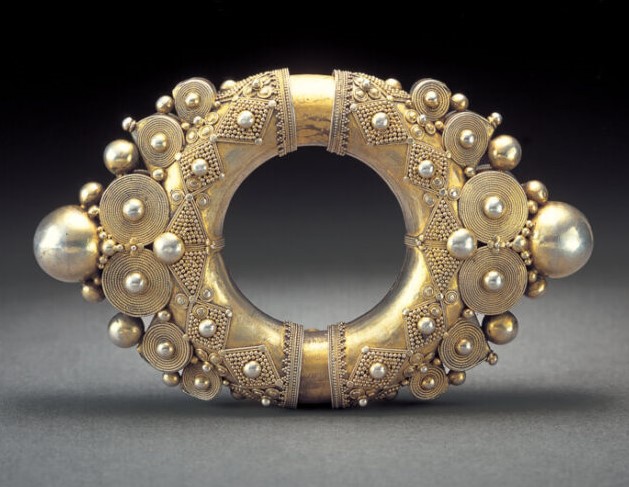
Perfume bottle, Riau, Sumatra, 18th-19th centuryBracelet – Karo Batak, North Sumatra, 19th century
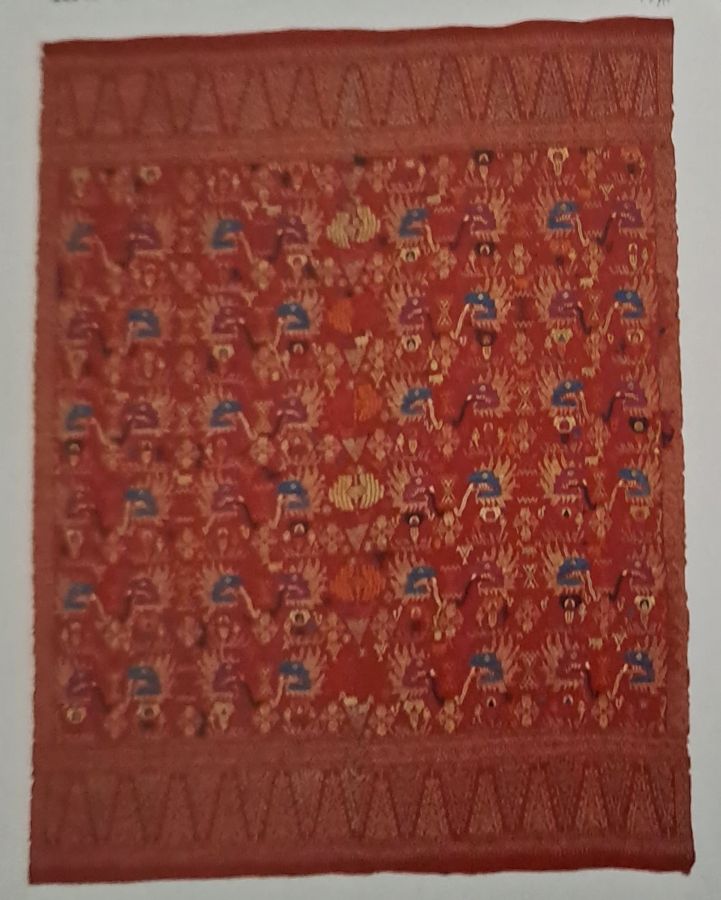
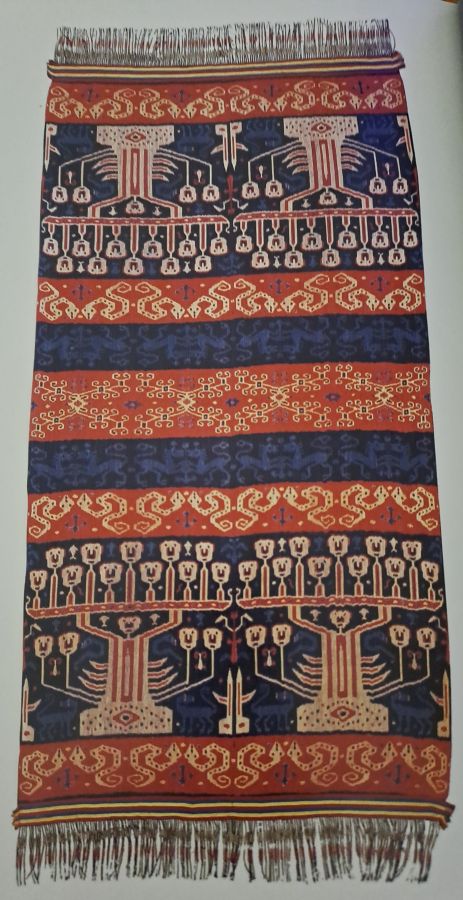
Nobleman’s bedding in silk, gold and silver – East Bali, 19th centuryHinggi Kombu, nobleman’s cloak – East Sumba, early 20th century
We use cookies on our website to give you the most relevant experience by remembering your preferences and repeated visits. By clicking “Accept”, you consent to the use of all the cookies.
This website uses cookies to improve your experience while you navigate through the website. Out of these, the cookies that are categorized as necessary are stored on your browser as they are essential for the working of basic functionalities of the website. We also use third-party cookies that help us analyze and understand how you use this website. These cookies will be stored in your browser only with your consent. You also have the option to opt-out of these cookies. But opting out of some of these cookies may affect your browsing experience.
Necessary cookies are absolutely essential for the website to function properly. This category only includes cookies that ensure basic functionalities and security features of the website. These cookies do not store any personal information.
Any cookies that may not be particularly necessary for the website to function and are used specifically to collect user personal data via analytics or other embedded contents are termed as non-necessary cookies.
Analytical cookies are used to understand how visitors interact with the website. These cookies help provide information on metrics such as the number of visitors, bounce rate, traffic source, etc.