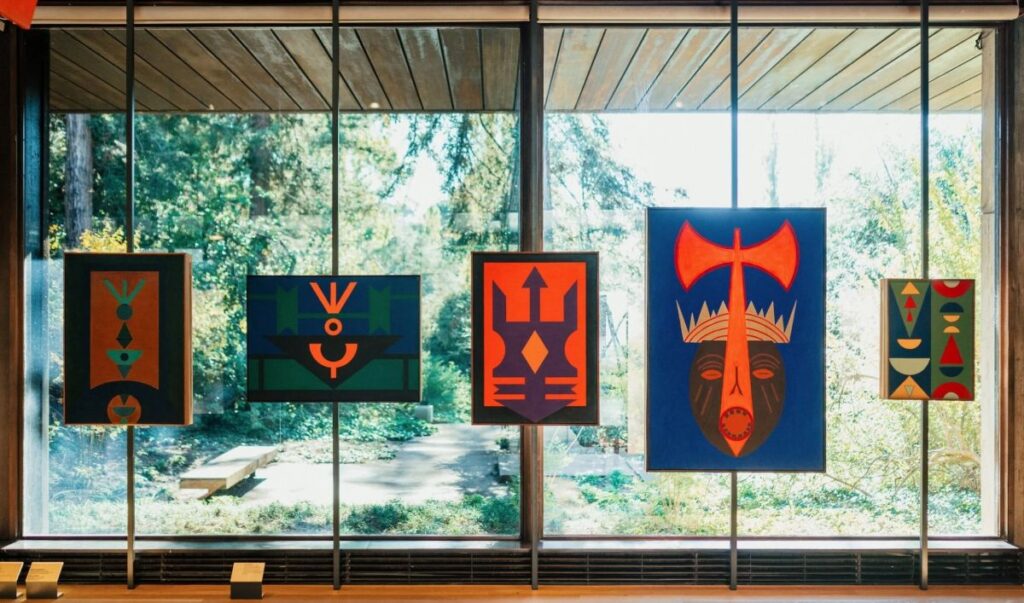

On 21 January, the General Assembly was held at the Magalhães Palace to approve the 2025 Management Account and the Activity Plan and Budget for 2026. After approval, a luncheon was held.
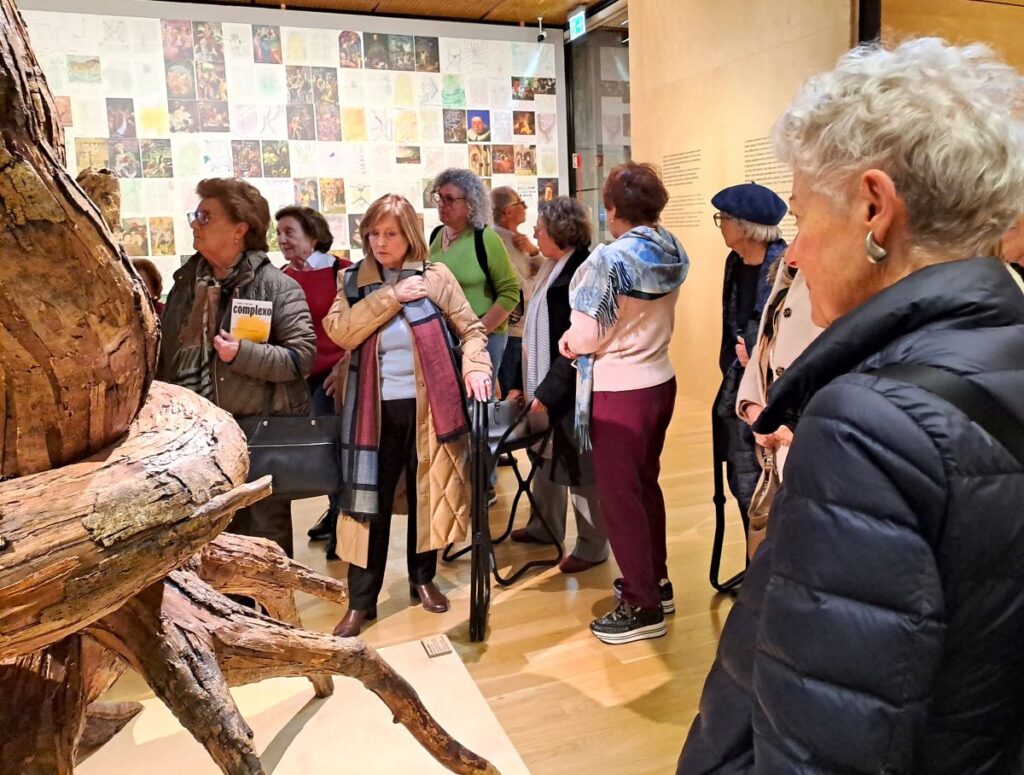
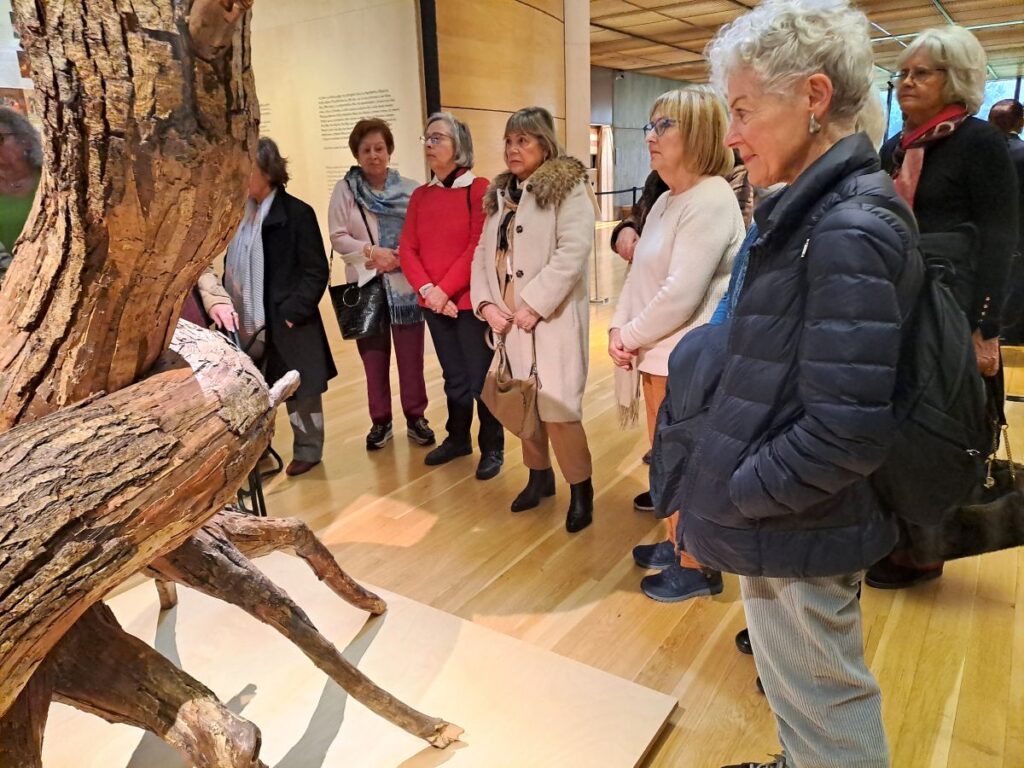
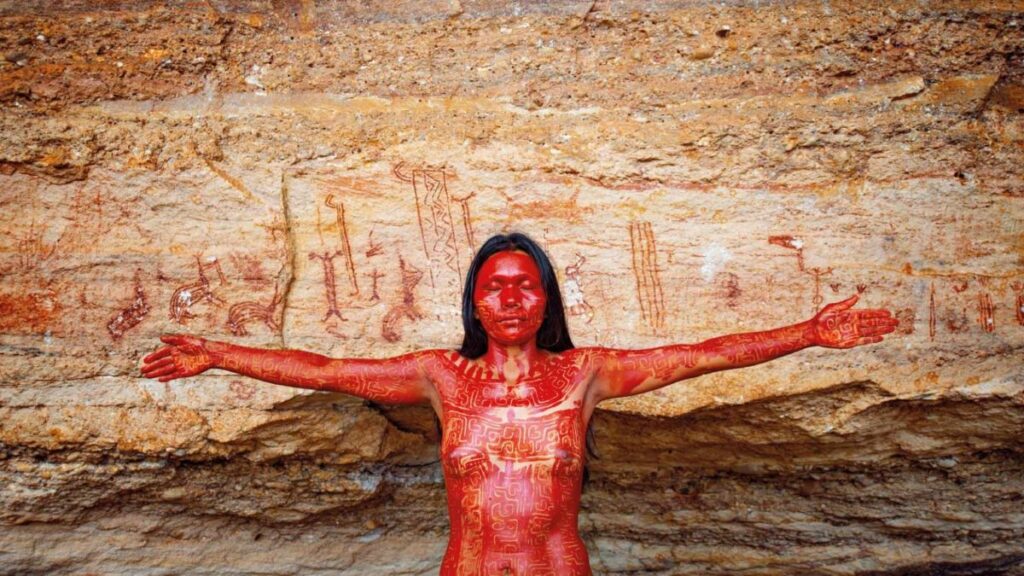
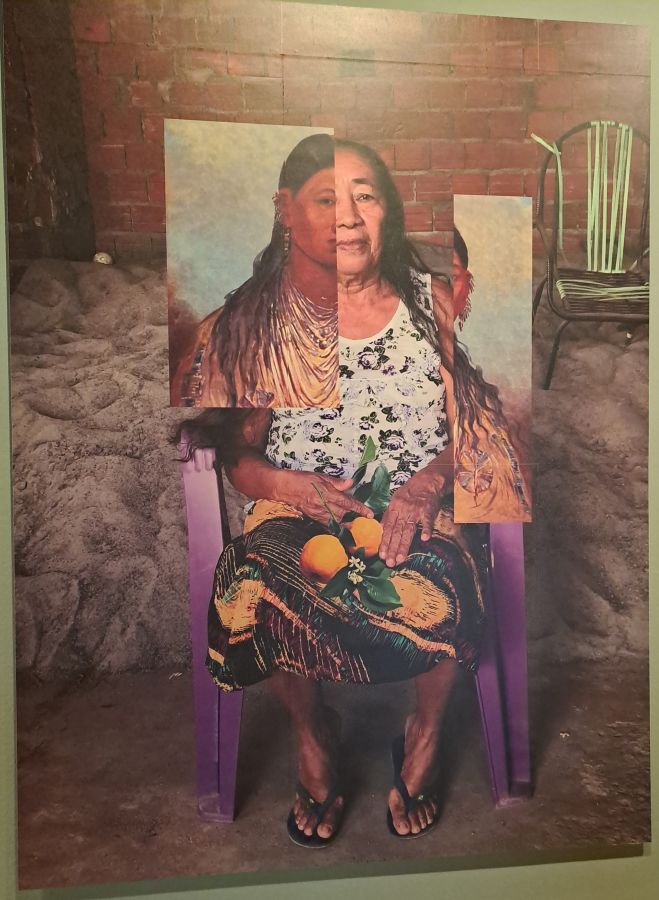
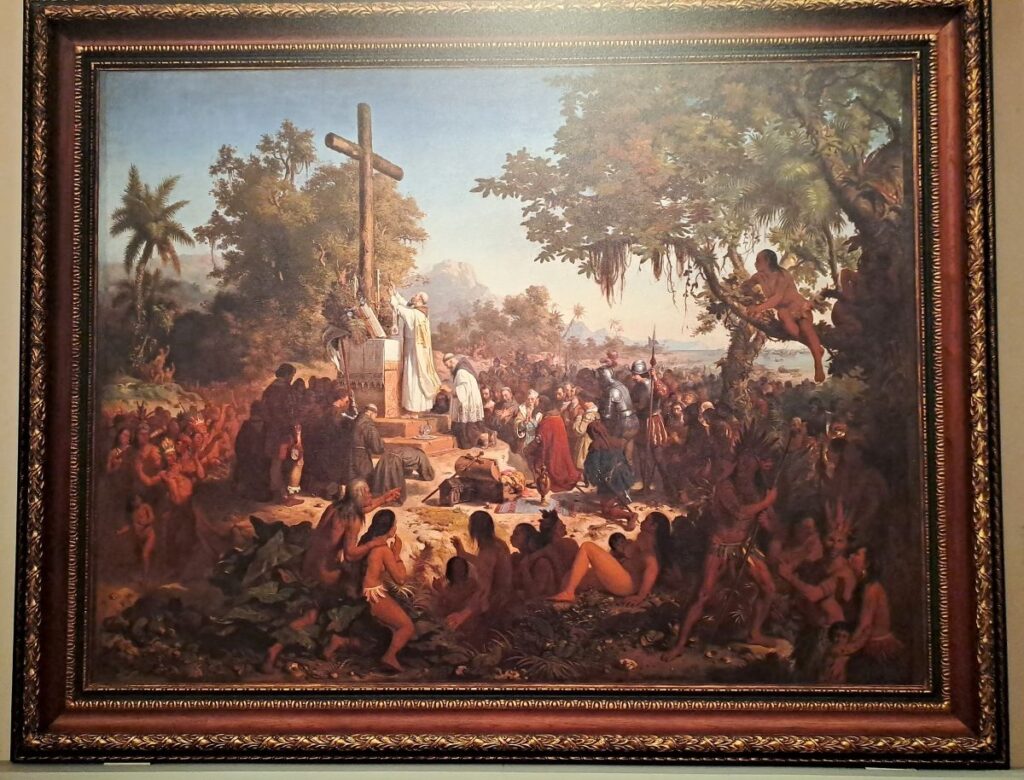
On the 28th, the Club organised an interesting guided tour of the ‘Complexo Brasil’ exhibition at the Calouste Gulbenkian Foundation. A magnificent and surprising exhibition that reveals Brazil’s cultural diversity. From sculpture, architecture, painting, photography, music and video to literature and poetry, it offers a glimpse into the country’s unique characteristics, including, of course, the historical and cultural ties between Brazil and Portugal.
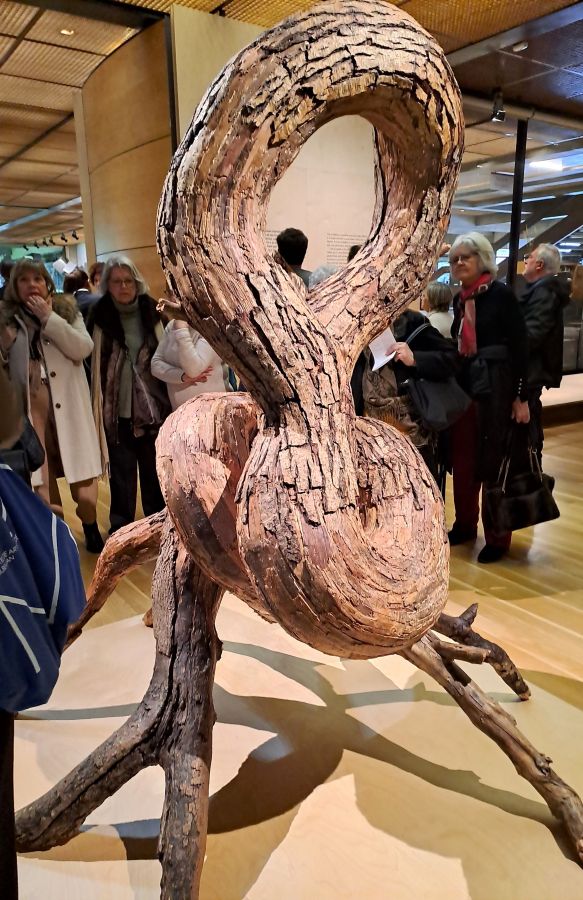
In the cover photo, installed in the Gulbenkian garden, are Jaider Esbell’s giant snake sculptures ‘The Entities’, representing fertility and protection for the indigenous peoples of the Amazon.
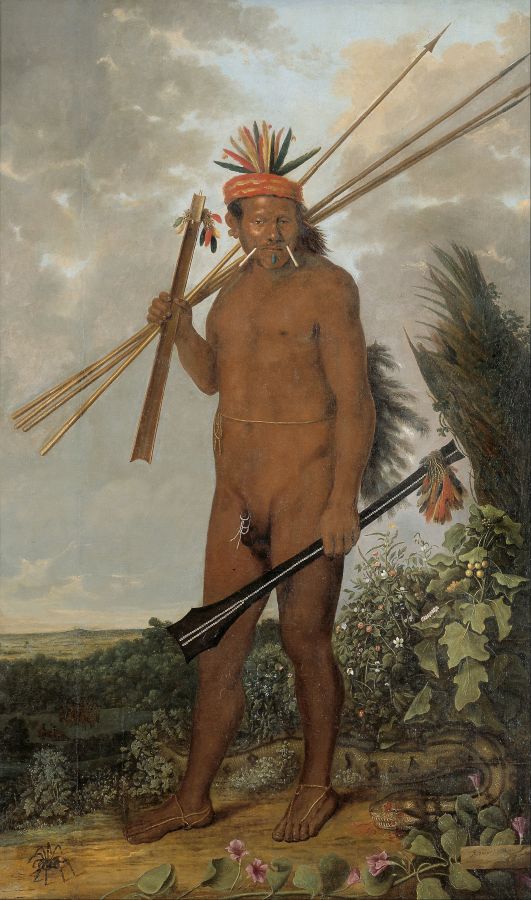
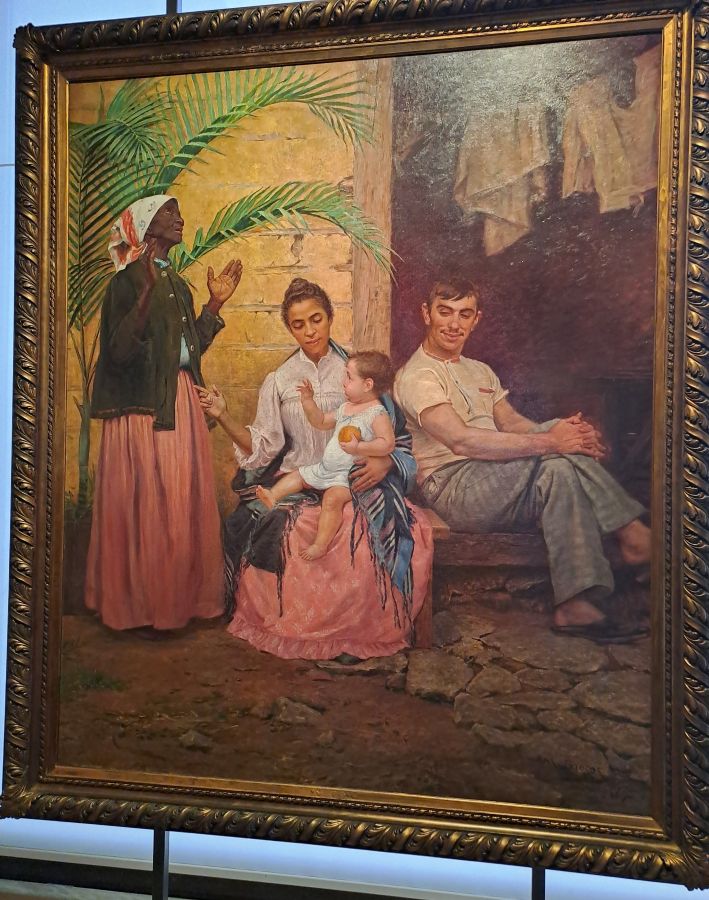
The image above represents the thesis of the gradual whitening of generations through miscegenation in Brazil. On the left, a black woman, the grandmother, possibly a slave, stands barefoot on a dirt floor, her hands raised in thanksgiving.
Then the daughter, with lighter skin, holding a white baby in her arms and wearing different clothes. Next to her, a white man, the father, with his feet planted on a stone floor – the link that allowed the complete whitening of the lady’s descendants, representing the three generations necessary for Brazil to become a country of white people.
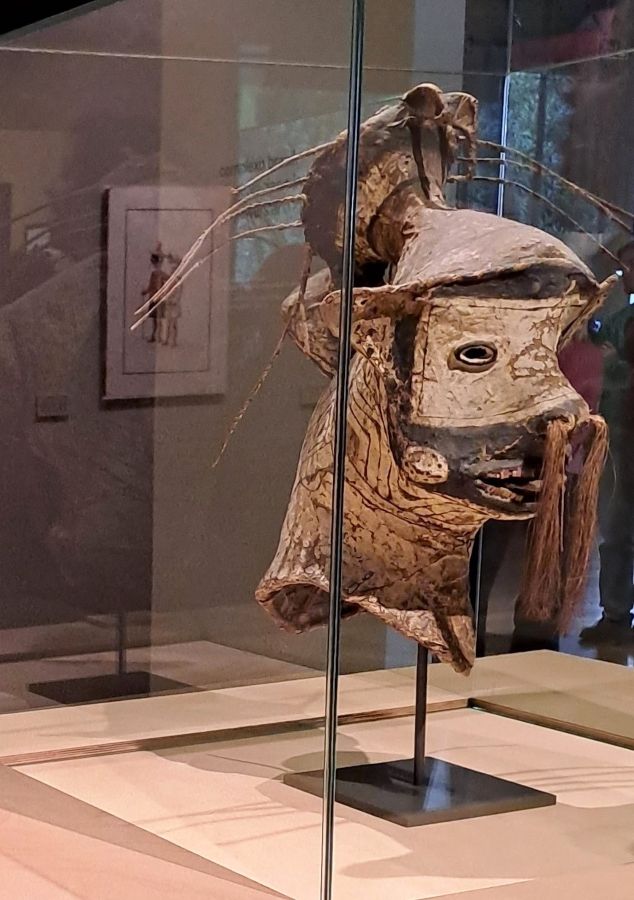
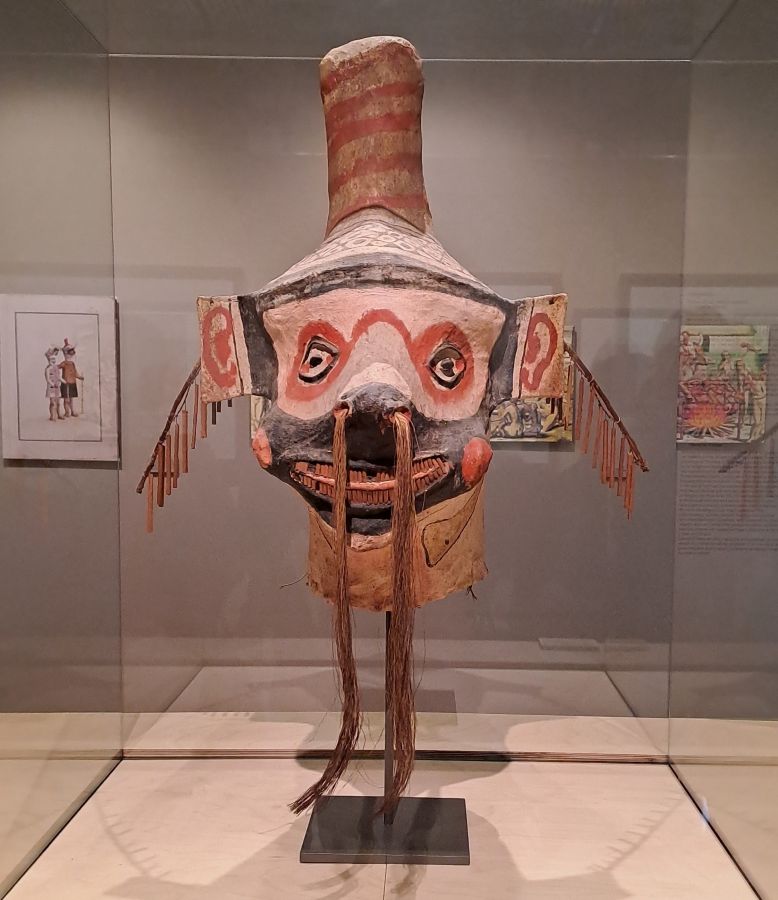
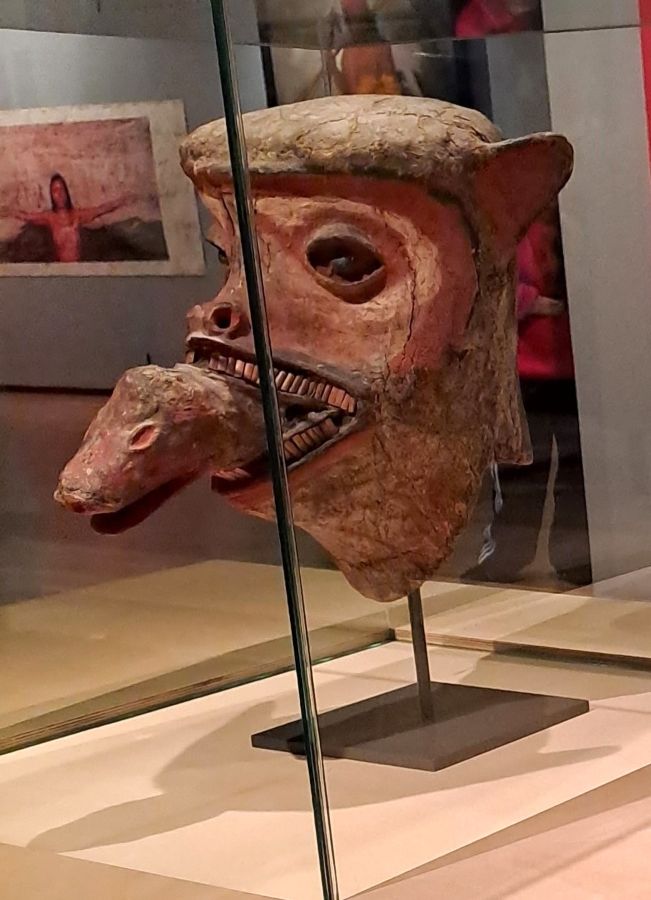
These masks from the Jurupixuna ethnic group, dating from the 18th century and made from tree bark, wax and pigment, are housed in the Science Museum at the University of Coimbra.
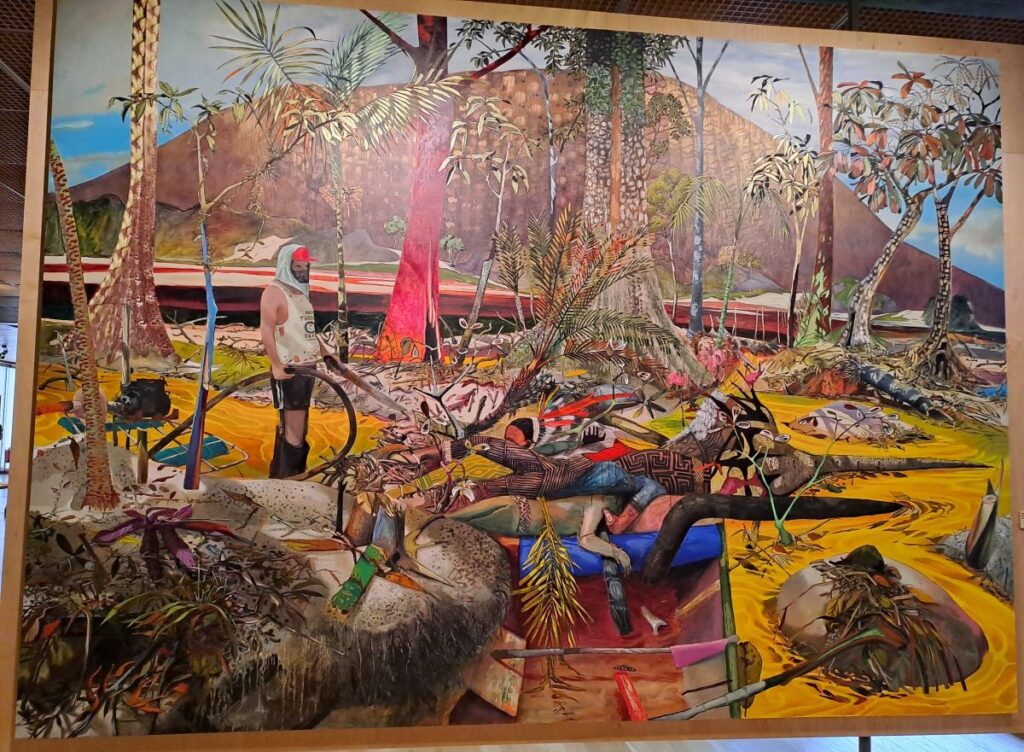
The work depicts the genocide of the Yanomami indigenous people when, in 1993, miners invaded Yanomami land and killed the entire village, with only two children escaping to a neighbouring tribe.
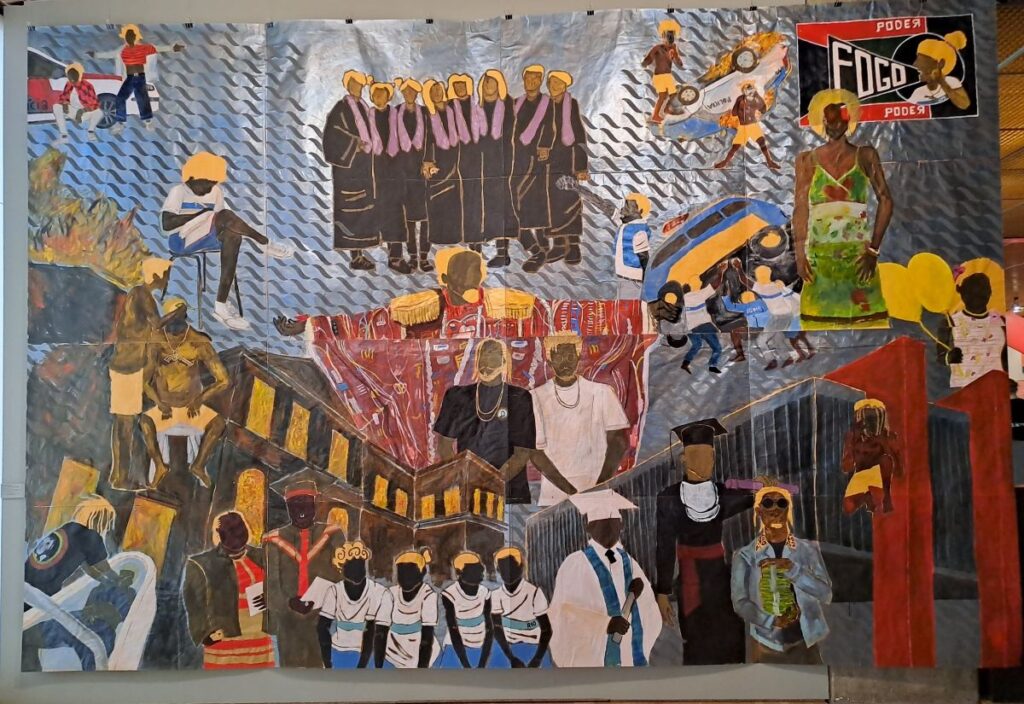
Inspired by daily life in Rocinha, the largest favela in Rio de Janeiro, where Alexandre was born, works and lives, this work is a construction of narratives exploring themes such as racism, police violence, community and spirituality.
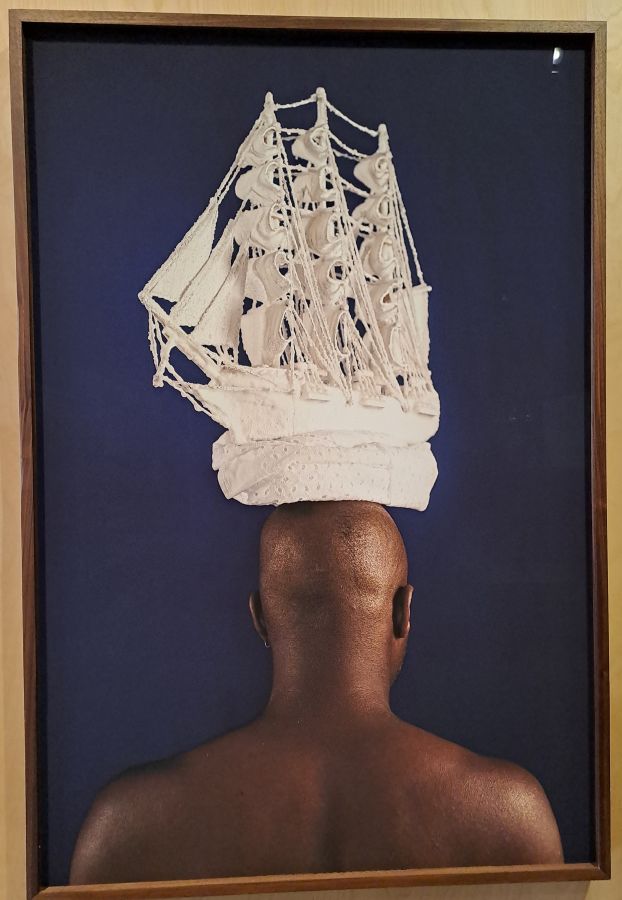
Tiago Santa’Ana’s ‘The Sugar Boat’ (2021) explores three symbols: the vessel, the body, and sugar – a recurring material in the artist’s work and one of Brazil’s main exports. The view of those looking out to sea as they leave the African coast, in contrast to the bow of the boat pointing towards Brazil, conveys the distressing sensation and feeling of uncertainty of a forced and violent Atlantic crossing.
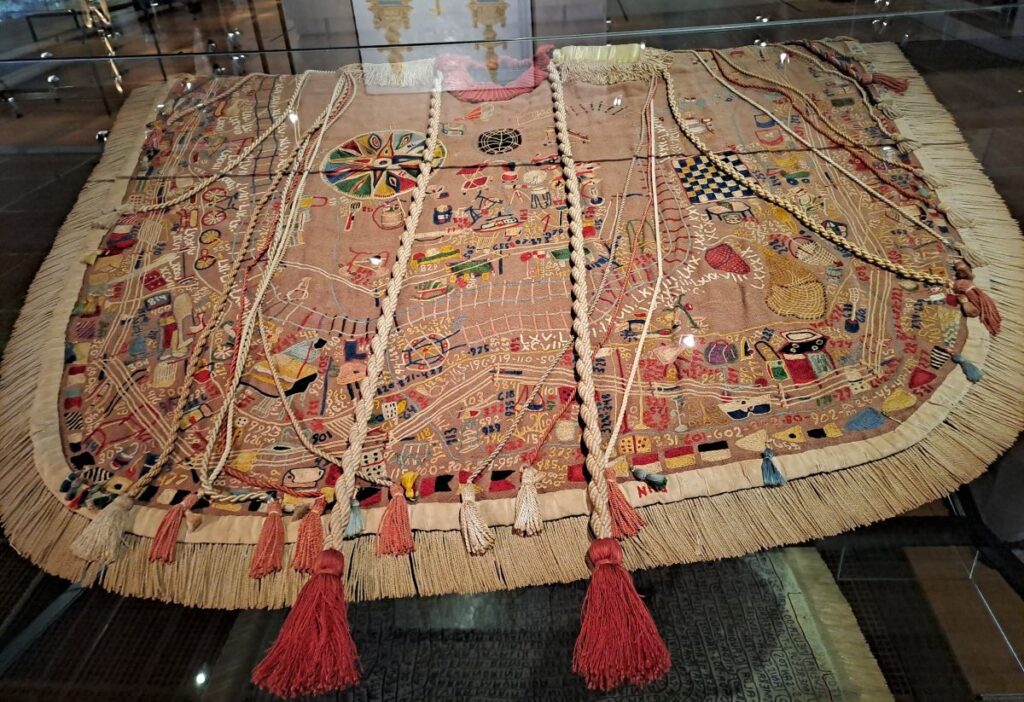
The cloak, embroidered over decades, was conceived as a sacred garment with which to present oneself to God on Judgment Day. Created around 1989, it is one of the artist’s most iconic and complex works. Bispo do Rosário spent more than 50 years in a psychiatric institution, where he created thousands of works of art from found objects.
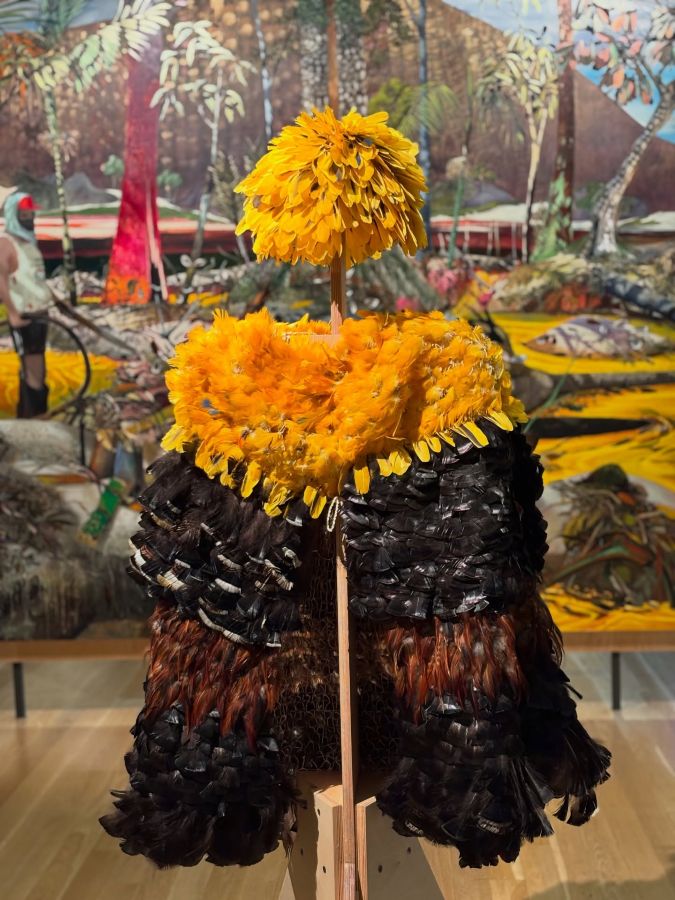
The Tupinambá Cloak by Glicéria Tupinambá is the revival of a four-century-old tradition. The Tupinambá cloak is a feathered garment from the 17th century. Made by the Tupinambás, an indigenous tribe of the Tupi people, it is made from bird feathers and plant fibres. For the Tupinambá, these were sacred objects used by shamans in ceremonies and rituals, as birds were considered divine creatures.
In the hands of Europeans, these beautiful cloaks became exotic collector’s items, coveted in the transatlantic market of the time. This explains why, 500 years after the first contact between Europeans and the Tupinambás, the original remnants of the cloak (11 in total) were scattered in museums in Belgium, Denmark, France, Italy and Switzerland, but none in Brazil.