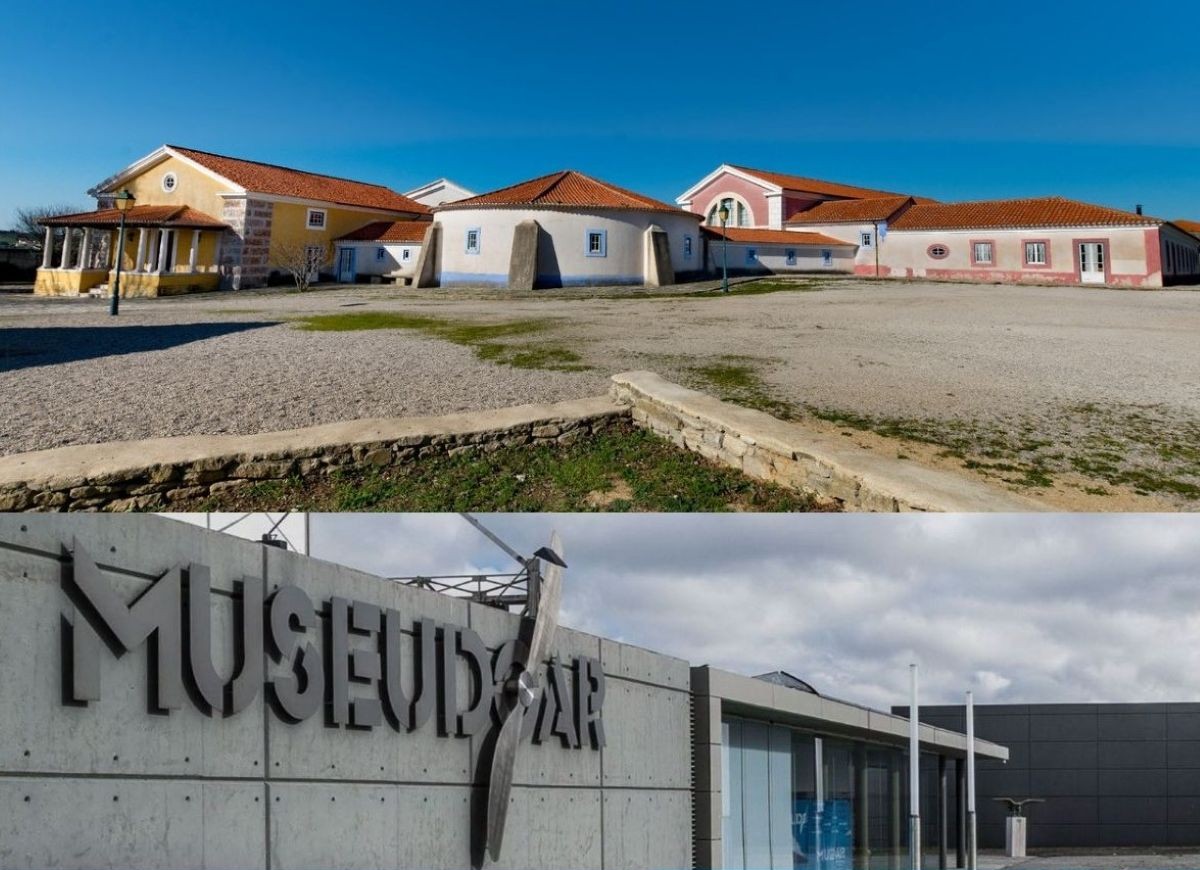
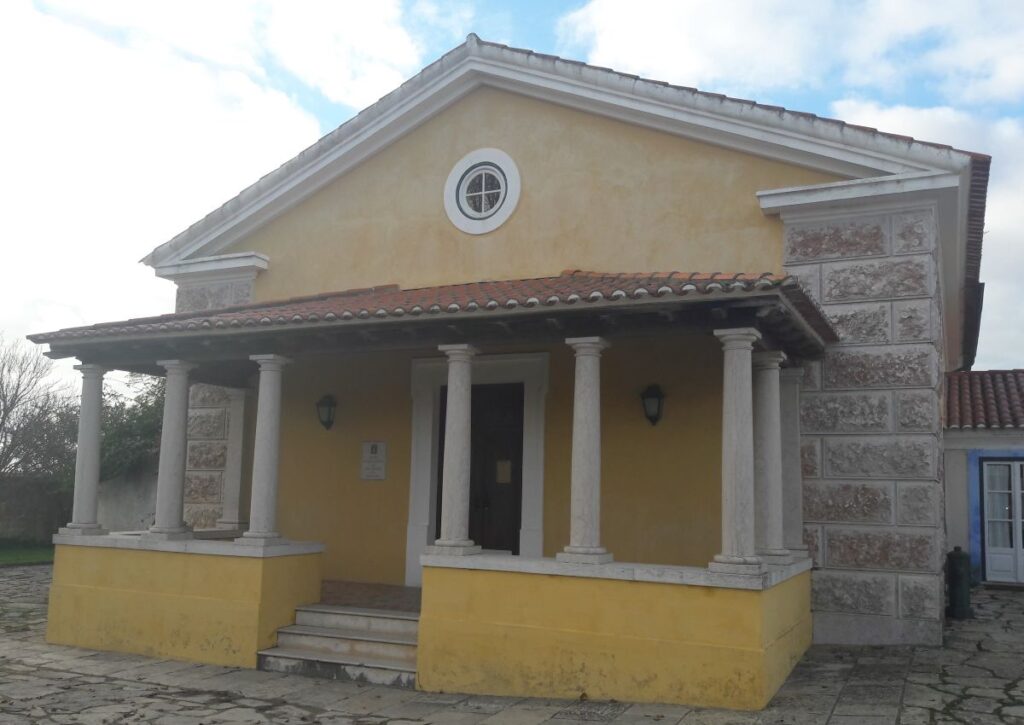
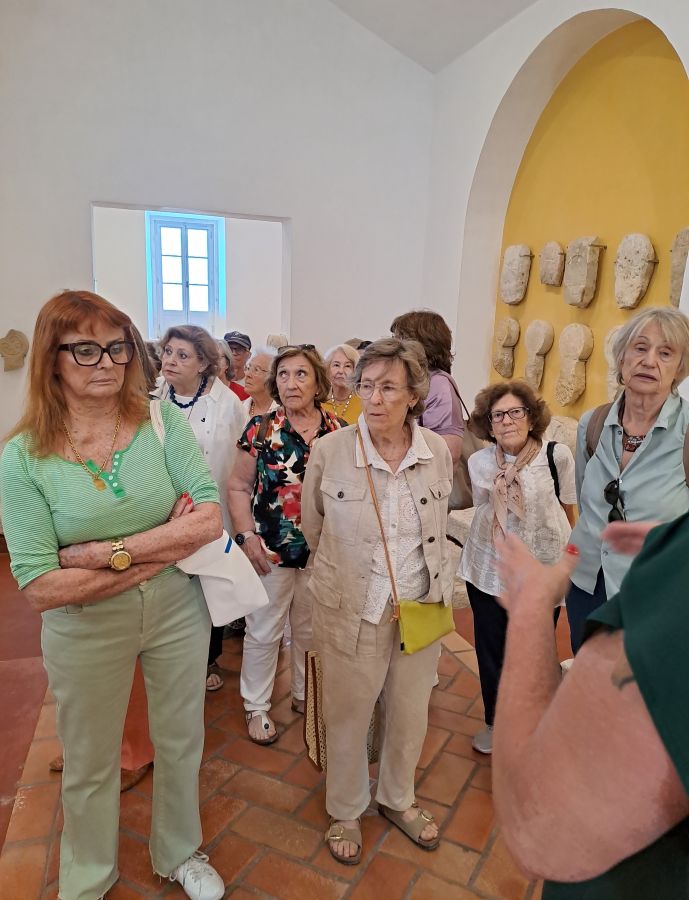
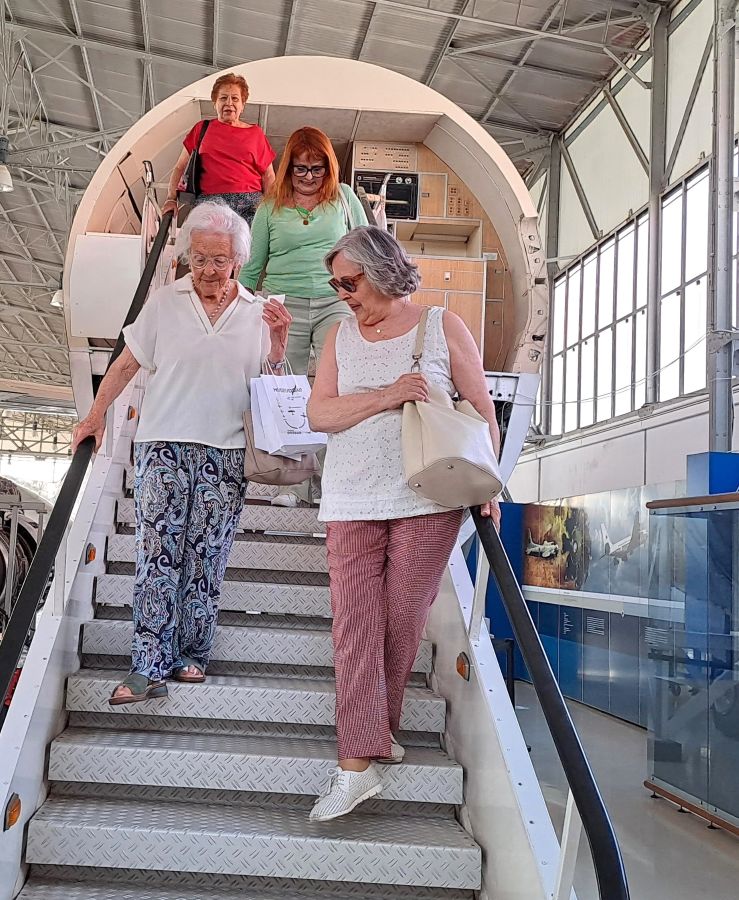
On 19 June, the club organised a guided tour of the S. Miguel de Odrinhas Museum and the Air Museum.
The current museum, which opened in 1999 with a curatorial programme by José Cardim Ribeiro.
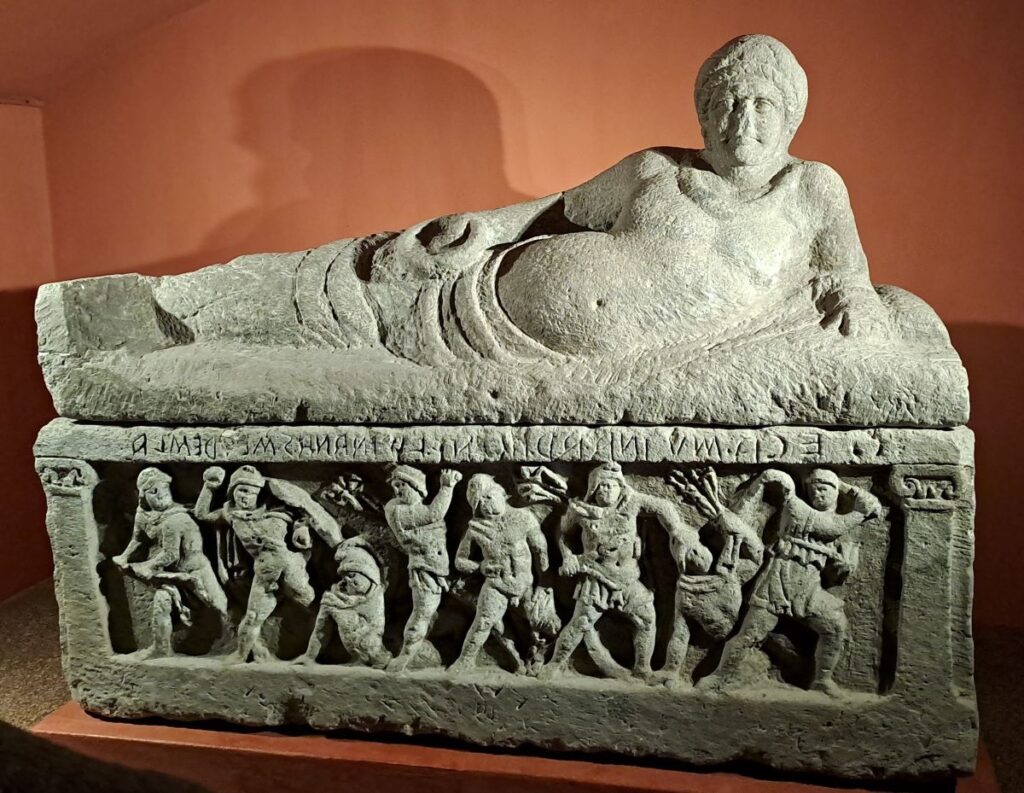
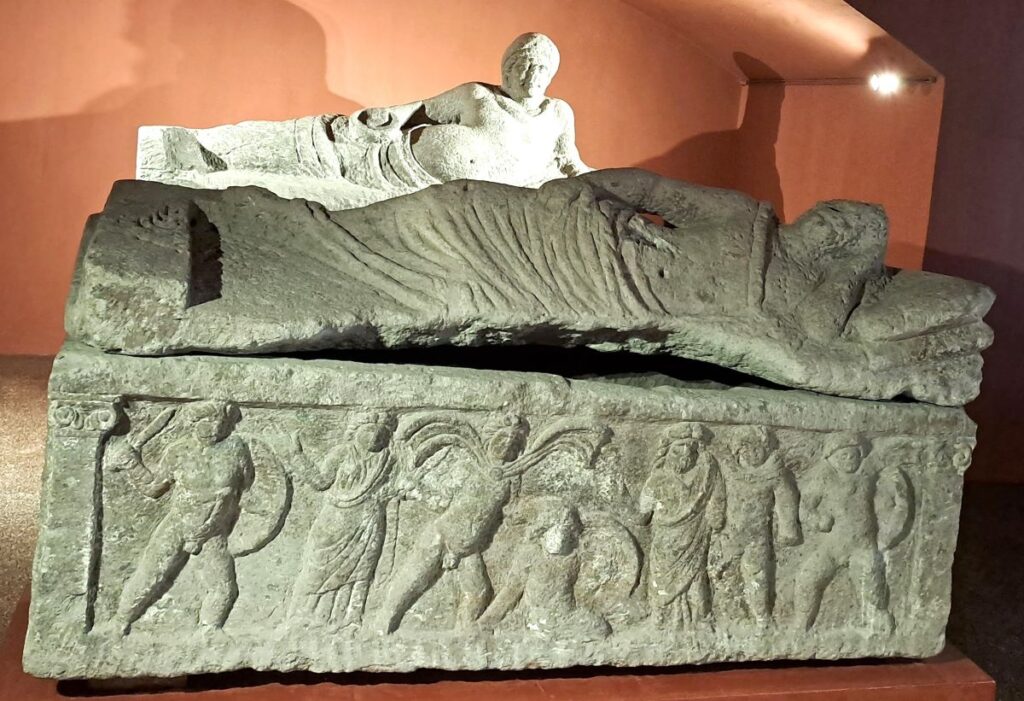
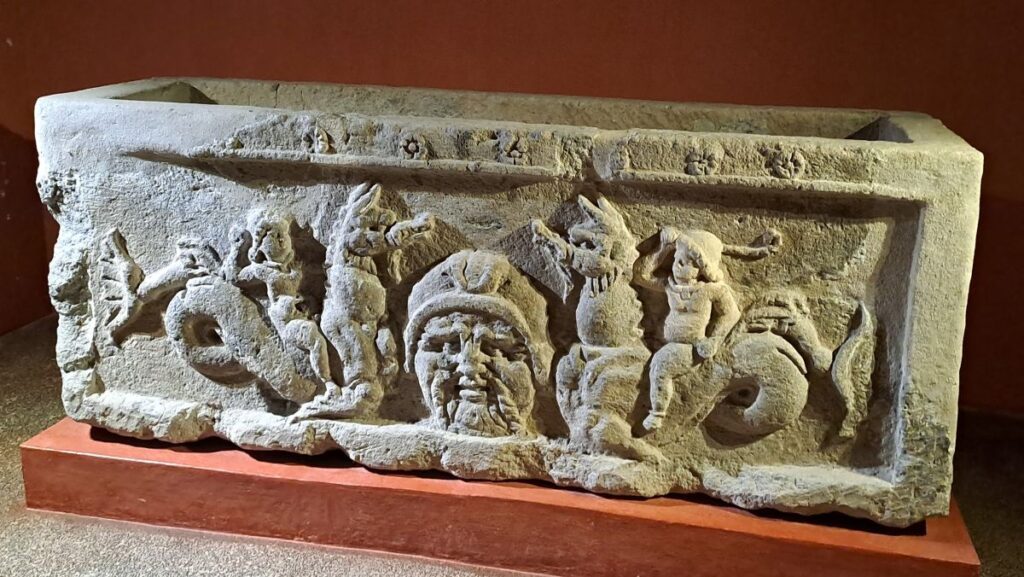
The tour began in the crypt, which houses the only three Etruscan sarcophagi in Portugal. Weighing around half a tonne each, they originate from the Monserrate Gardens, where a century and a half of exposure to the elements caused them to deteriorate, resulting in the loss of parts and, in some cases, fragmentation. Acquired by Francis Cook, they were transported from Italy to Portugal by sea in the 19th century.
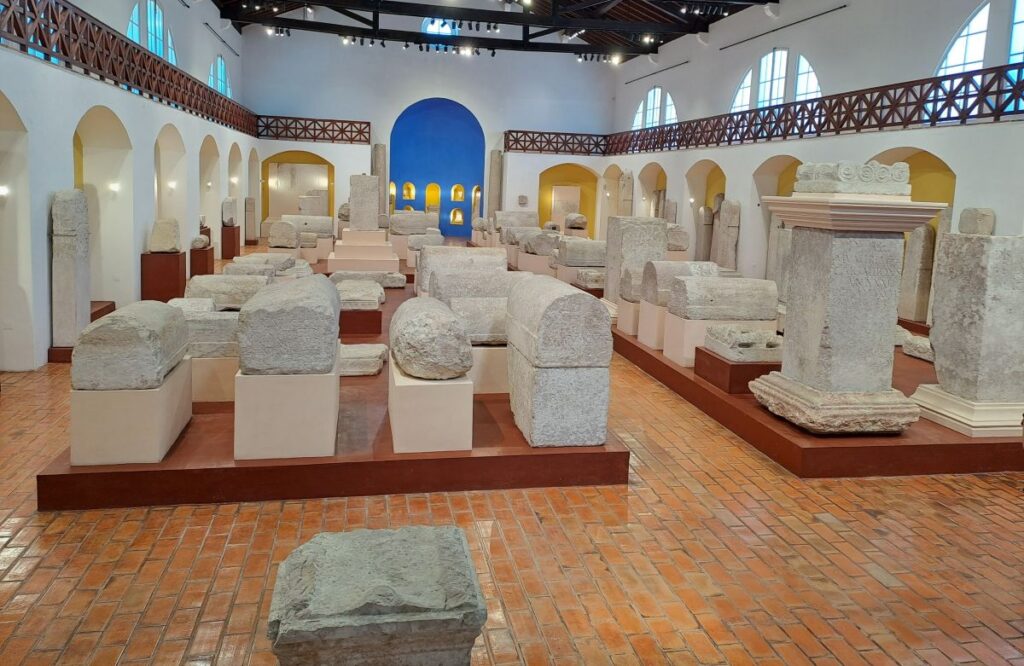
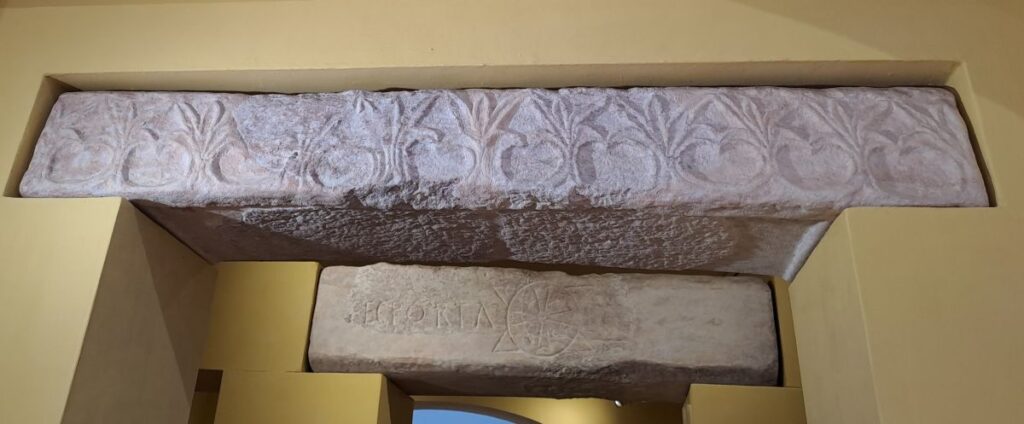
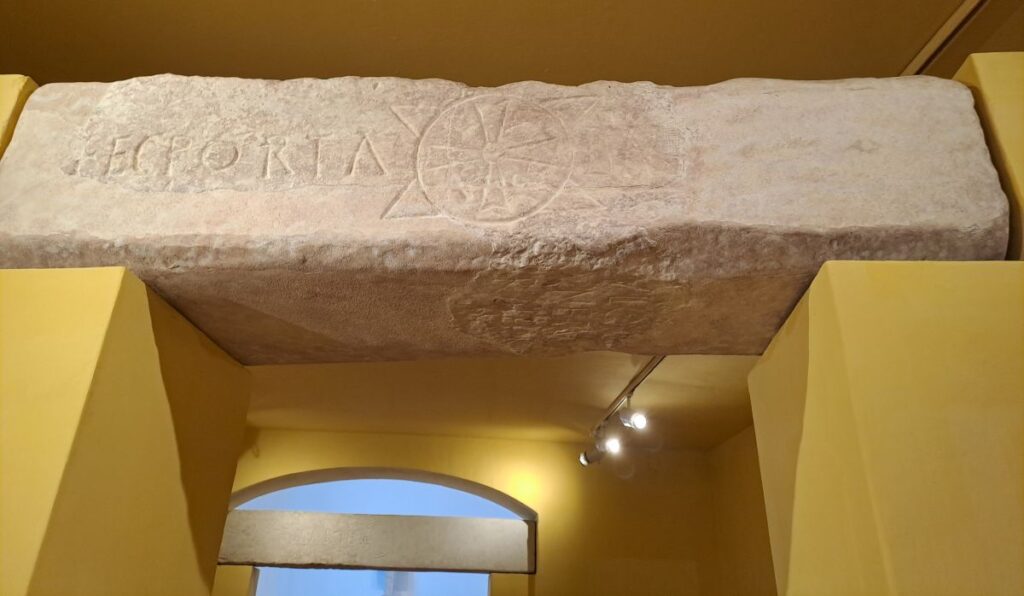
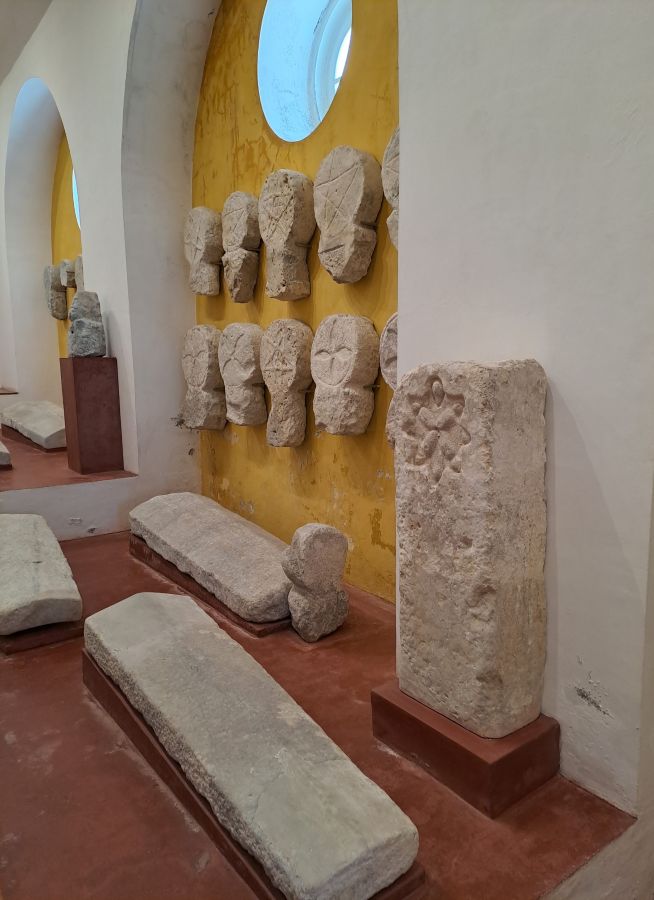
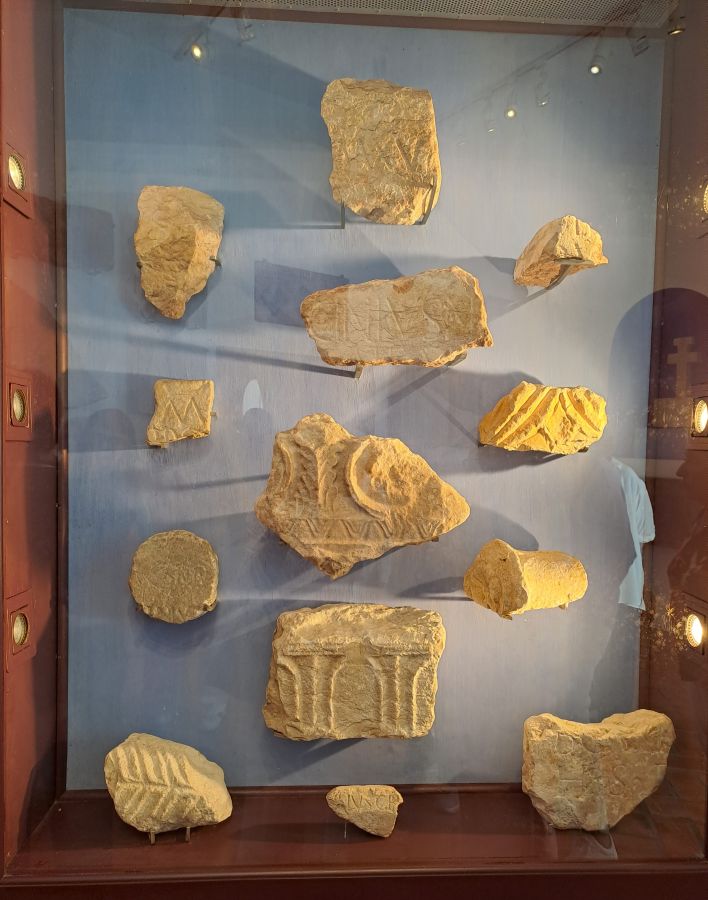
The sarcophagus of Arnth Vipinana, an Etruscan aristocratSarcophagus of the Two Sea Creatures. The lid has disappeared, swept away by the severe flooding of 19 November 1983, one of the most violent storms ever recorded in the Lisbon region. A room containing dozens upon dozens of Paleohispanic, Roman and Visigothic epigraphic headstones of regional origin, often referred to as the ‘Stone Book’.Lintels from a Visigothic church
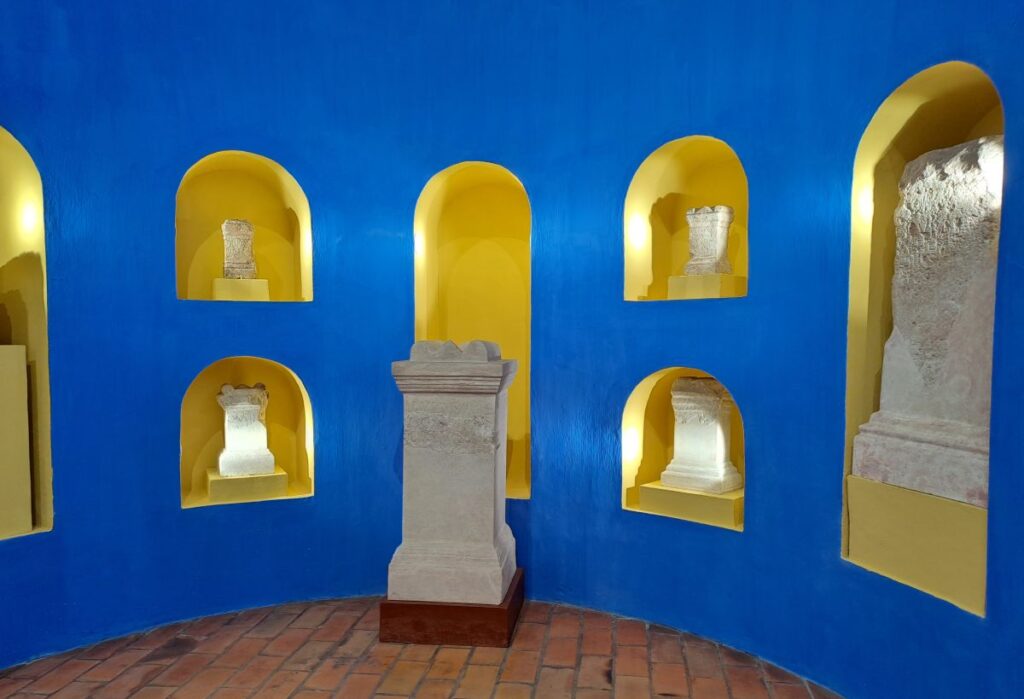
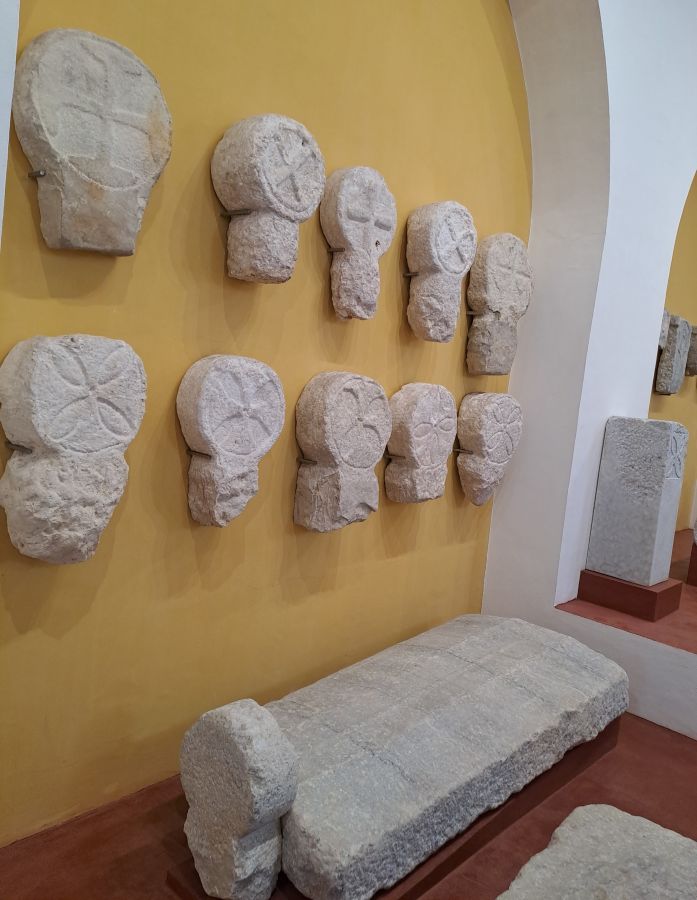
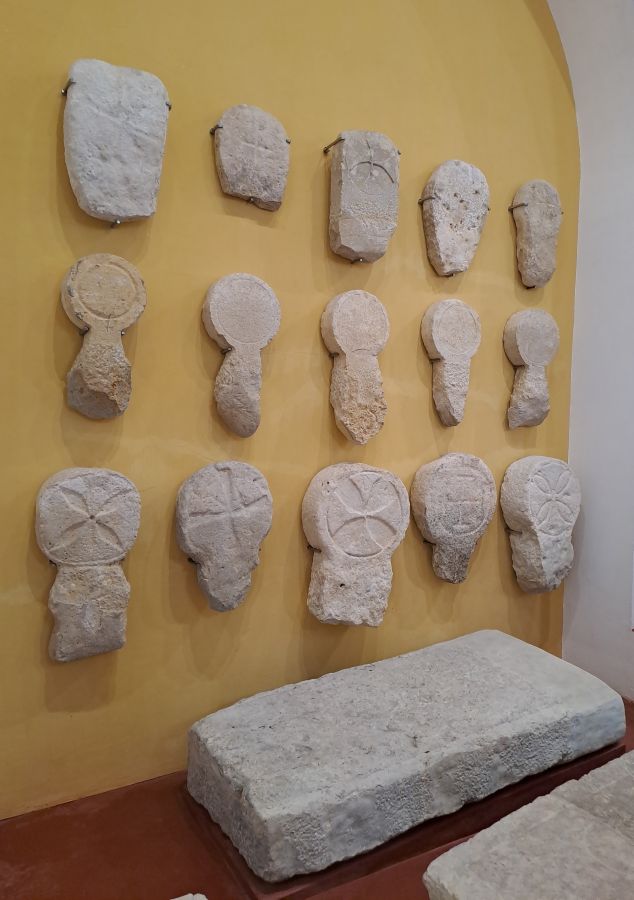
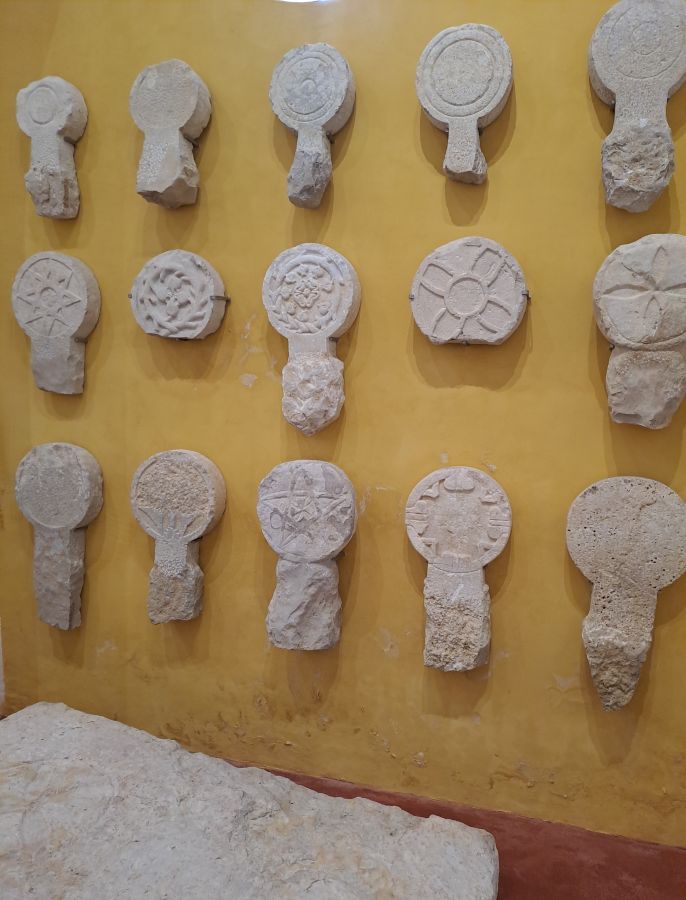
A room containing stone stelae decorated with sun motifs and crosses
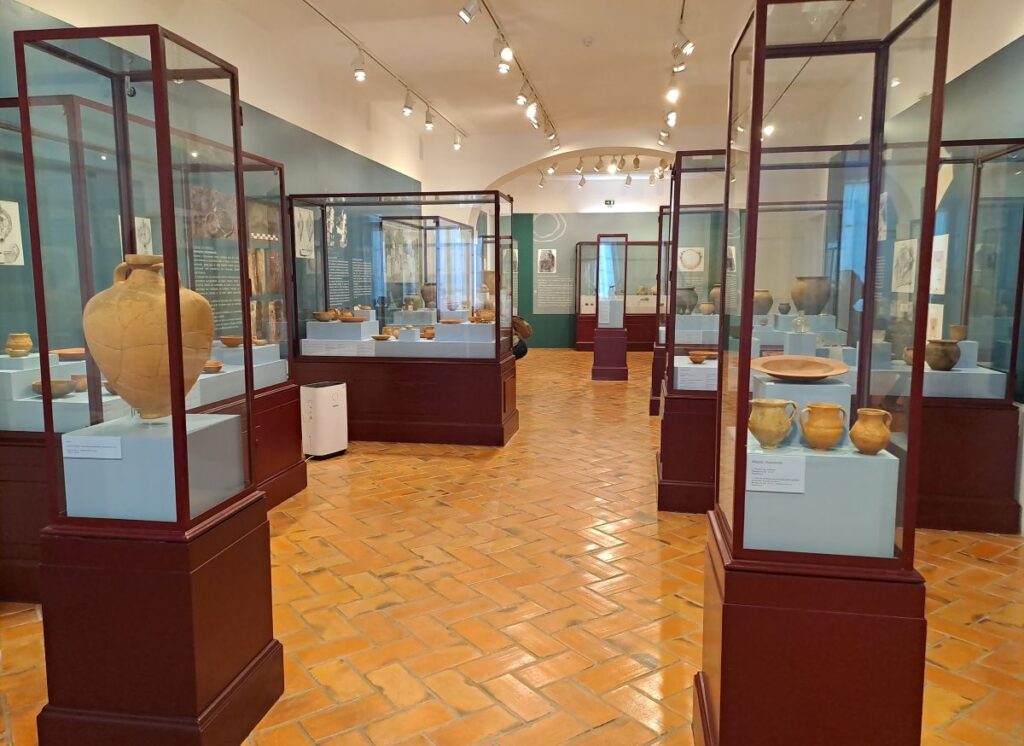
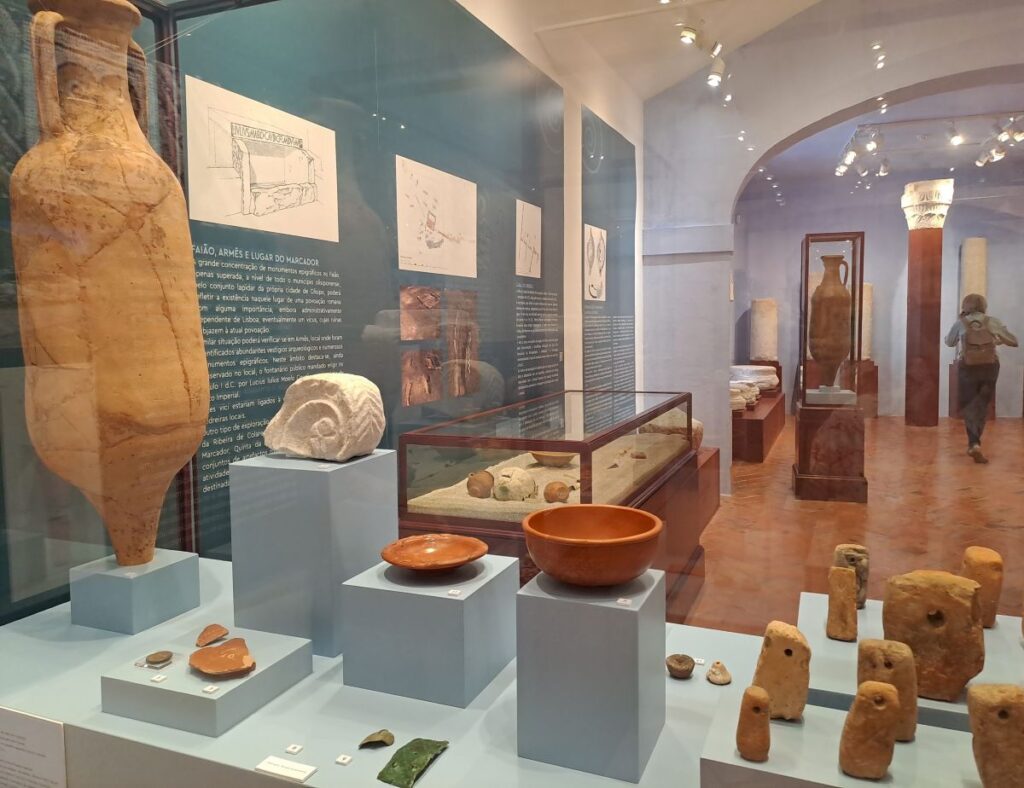
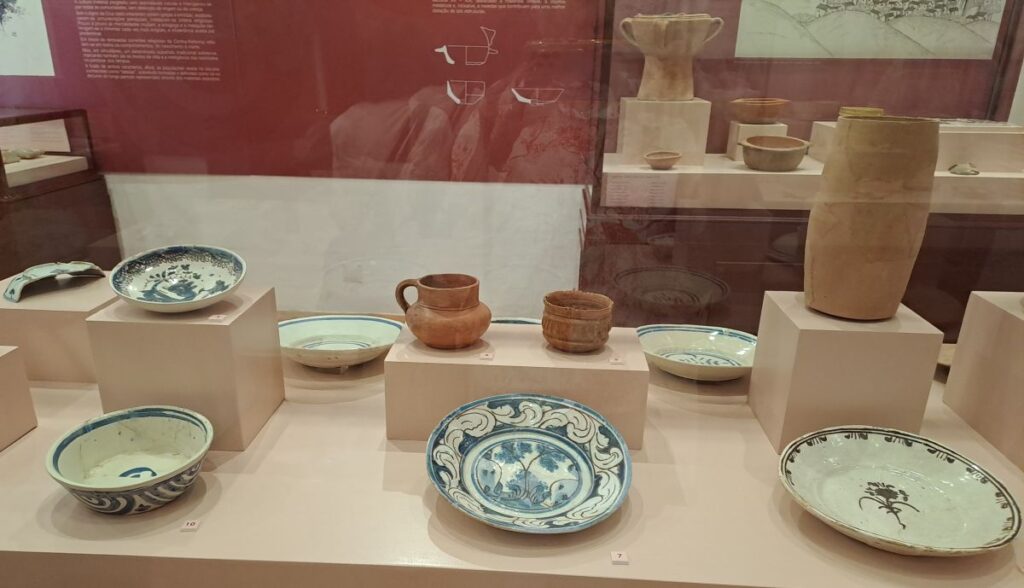
The collection comprises many thousands of objects, ranging from jewellery and coins to pottery, as well as stone, metal and bone artefacts – documenting a vast chronological period stretching from the Palaeolithic to the Early Modern period.
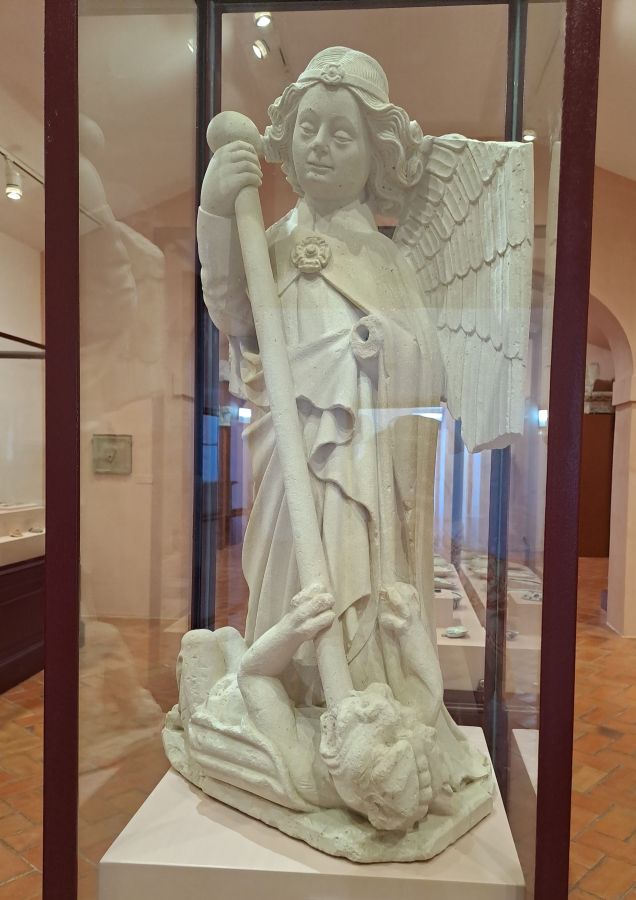
A sculpture, carved from Ançã stone, depicting St Michael the Archangel slaying the devil. Late 15th century, from the Chapel of St Michael in Odrinhas
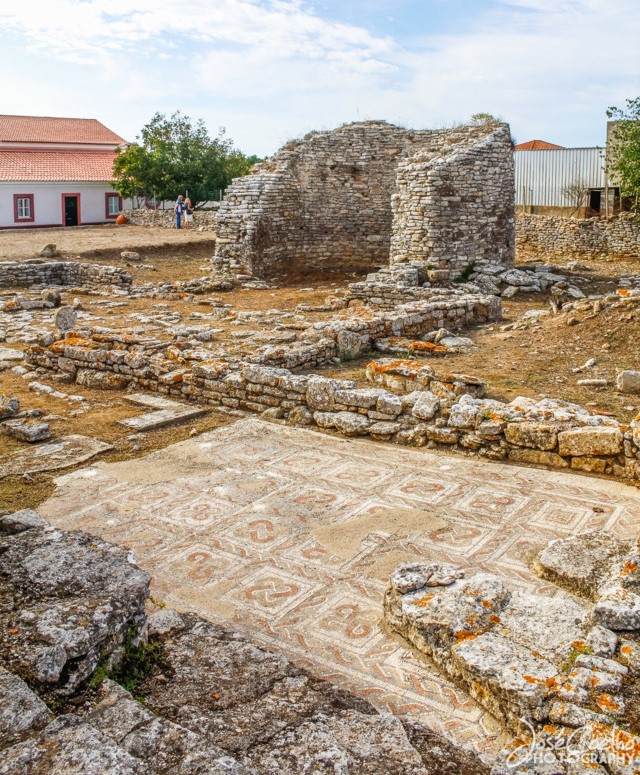
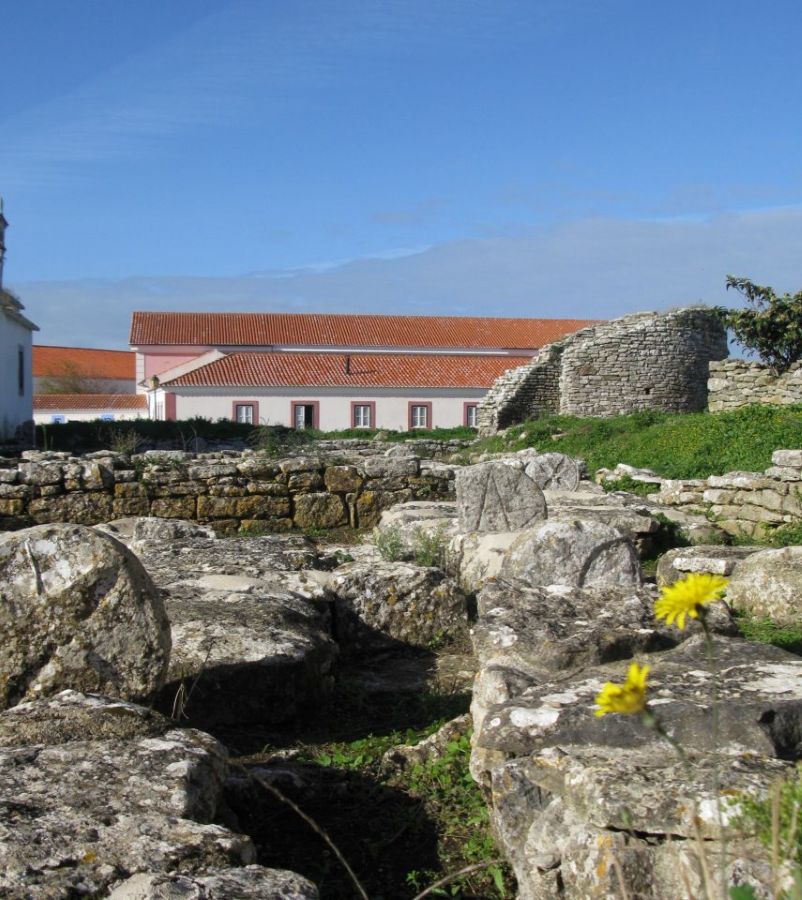
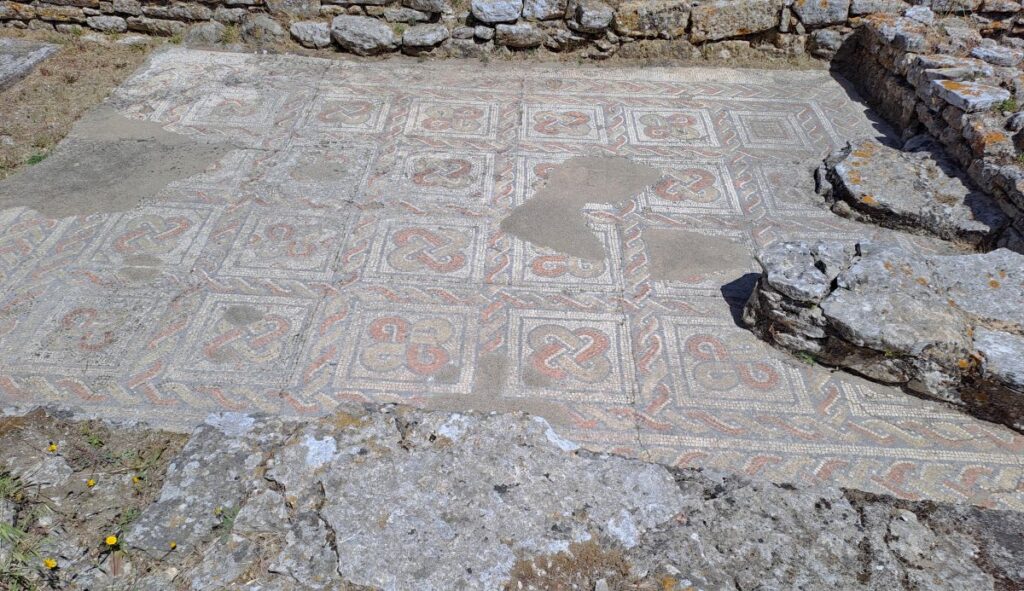
Below are pictures of a Roman villa outside the museum, where you can still see a Roman mosaic floor featuring a knot pattern.
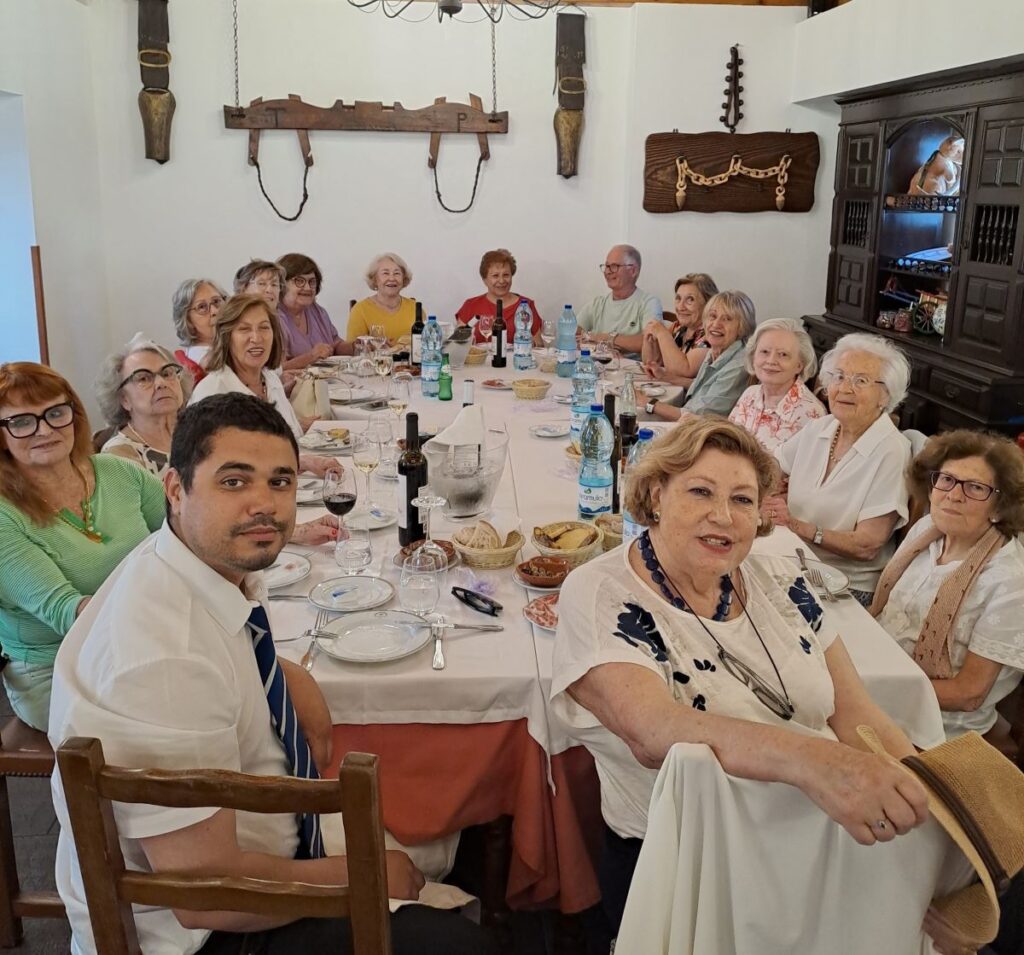
After the visit, we had lunch at the Curral dos Caprinos restaurant.
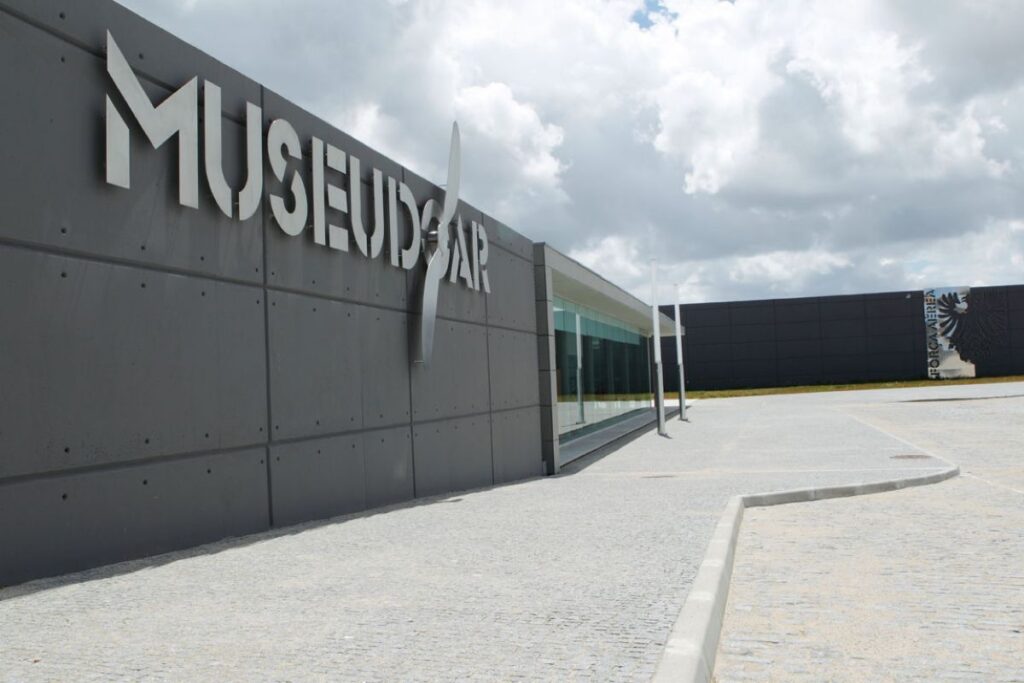
After lunch, we visited the Air Museum in Pêro Pinheiro.
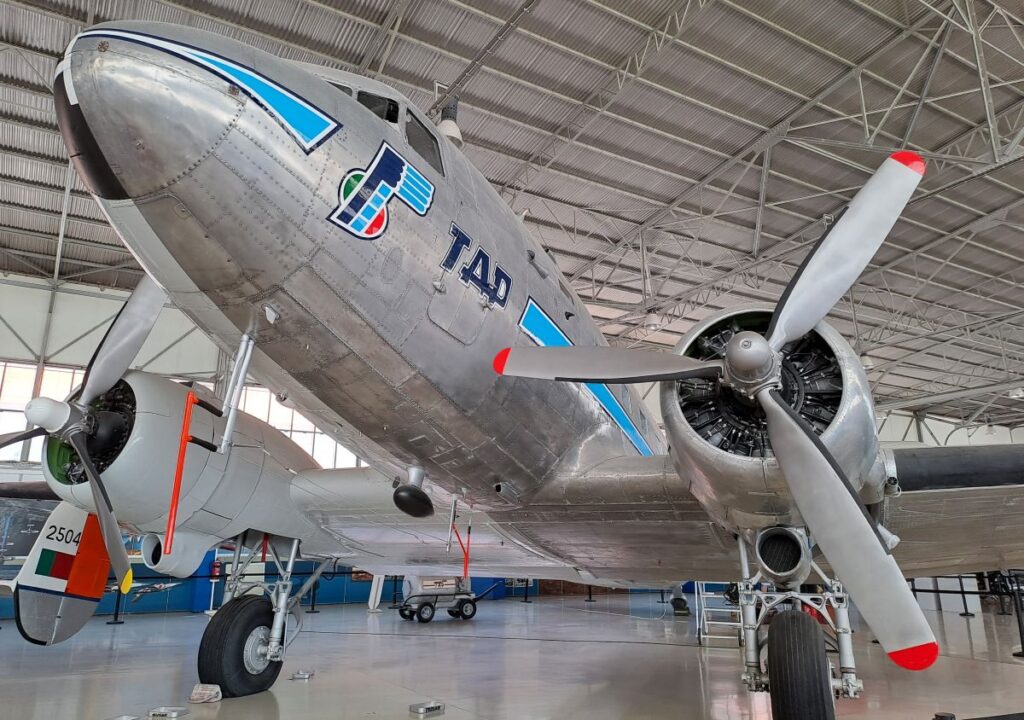
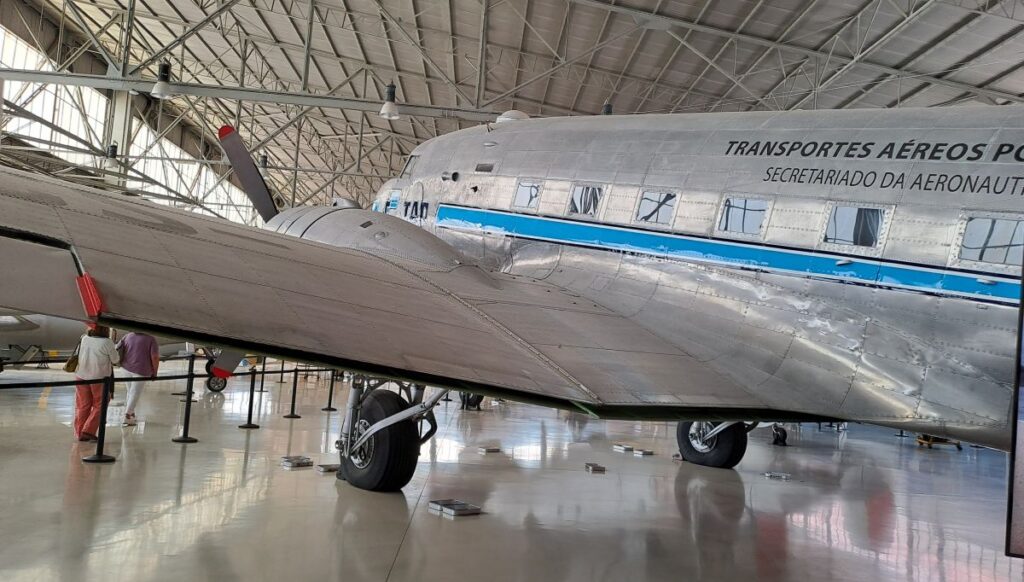
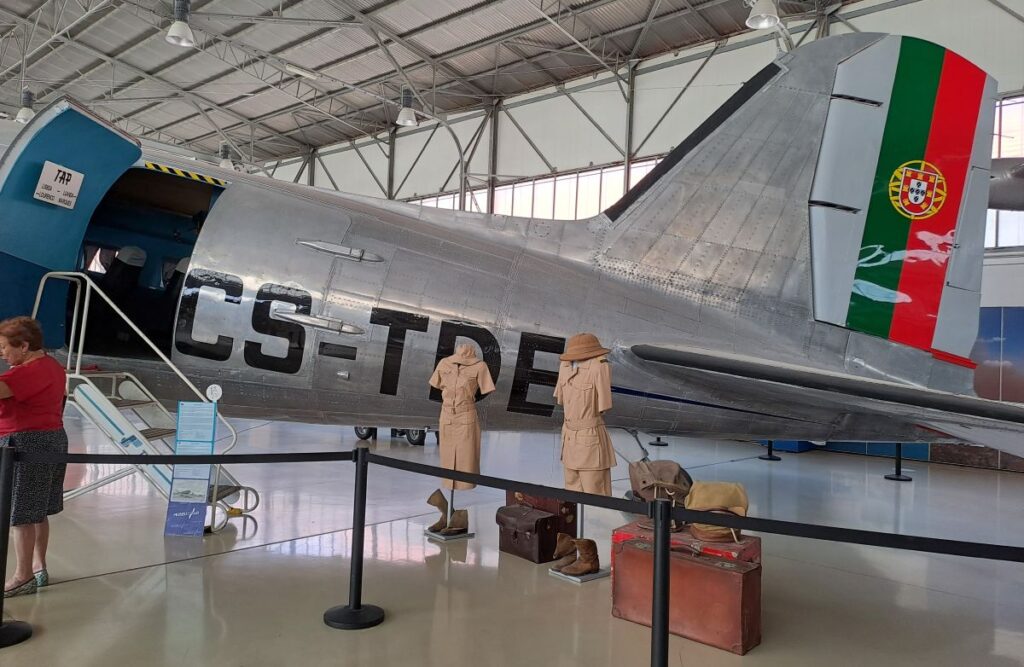
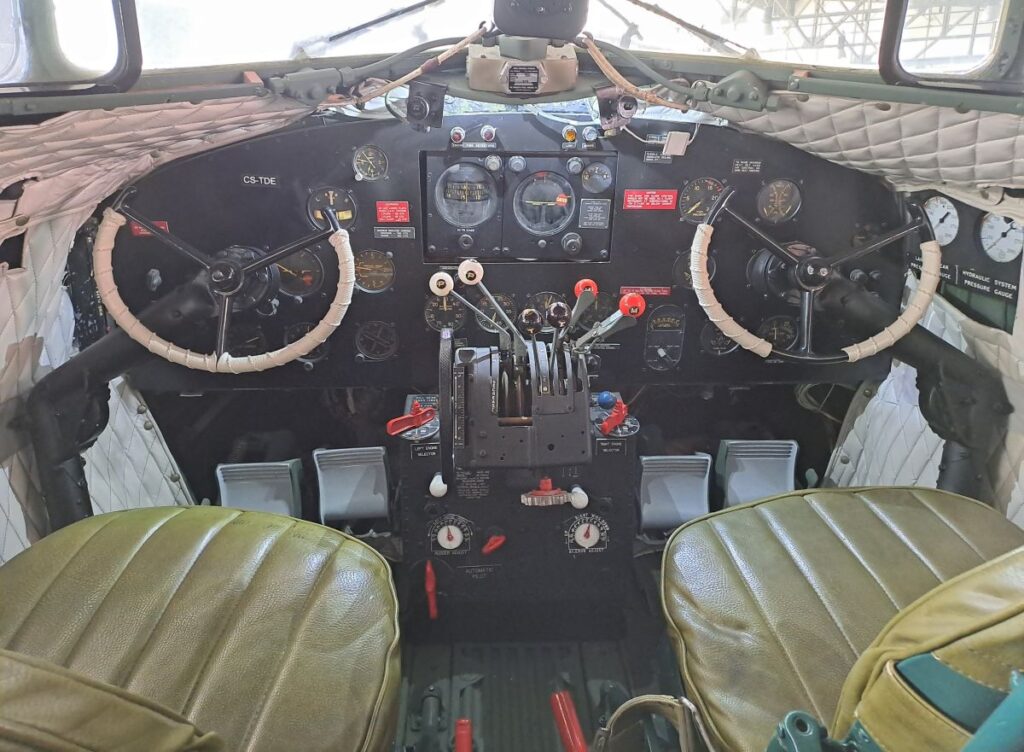
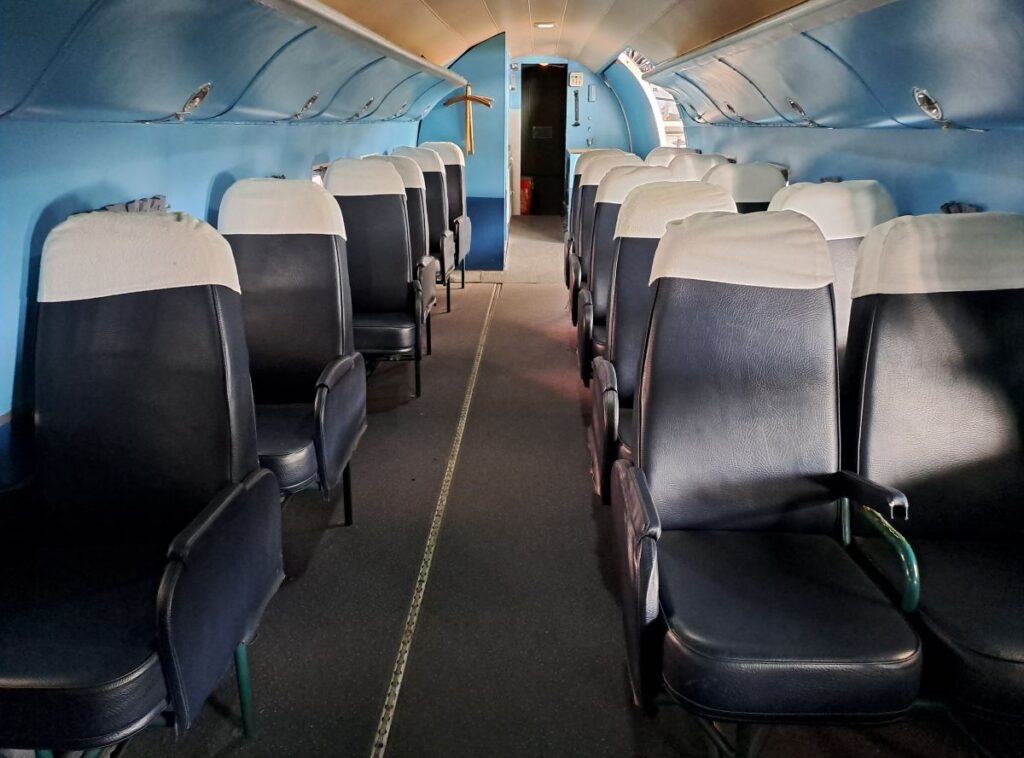
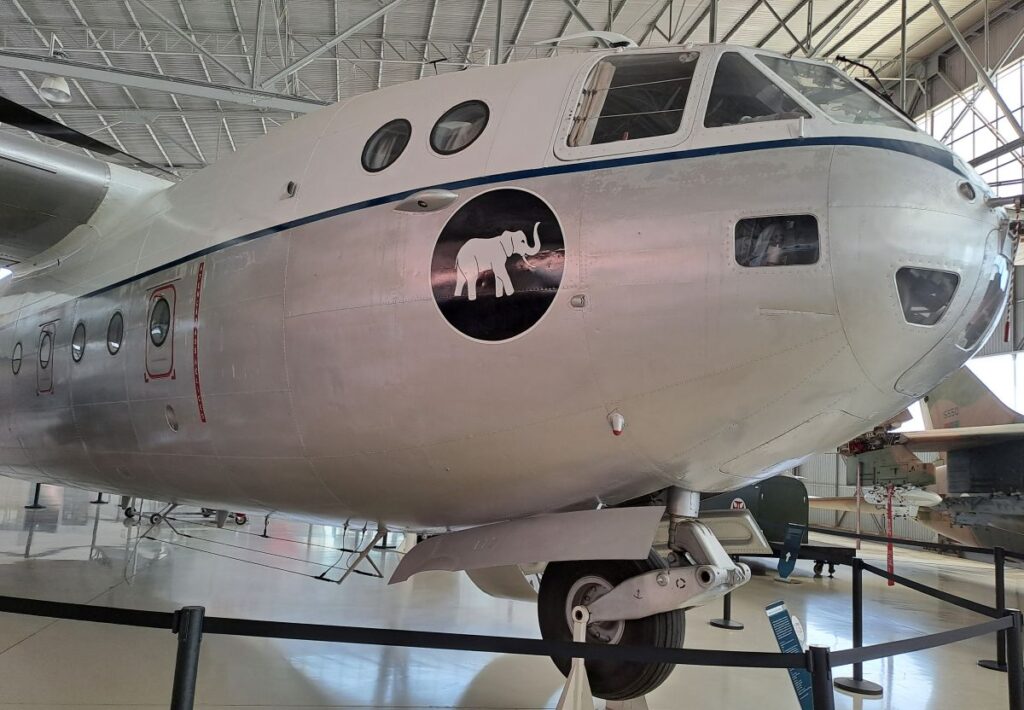
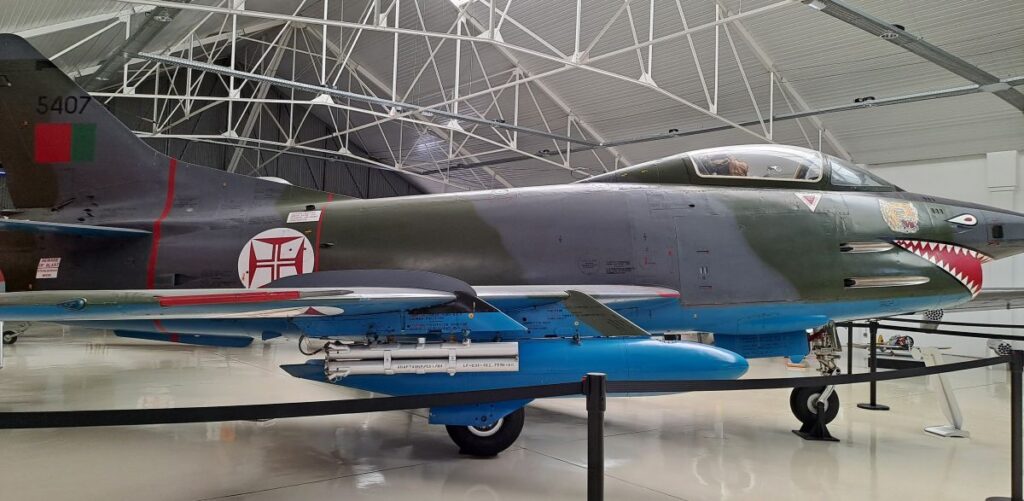
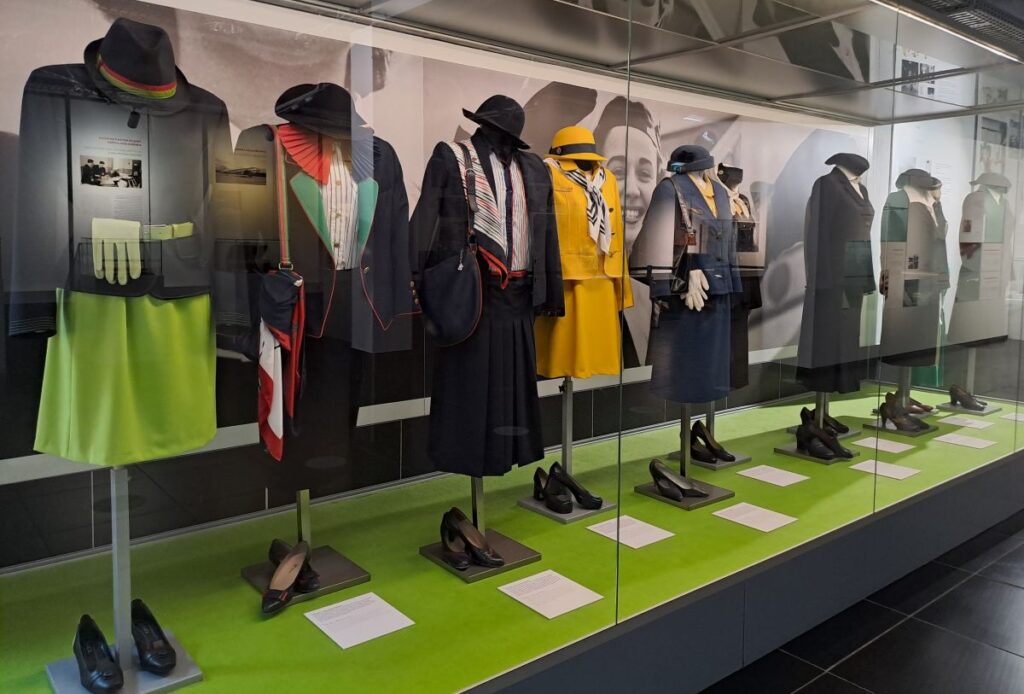
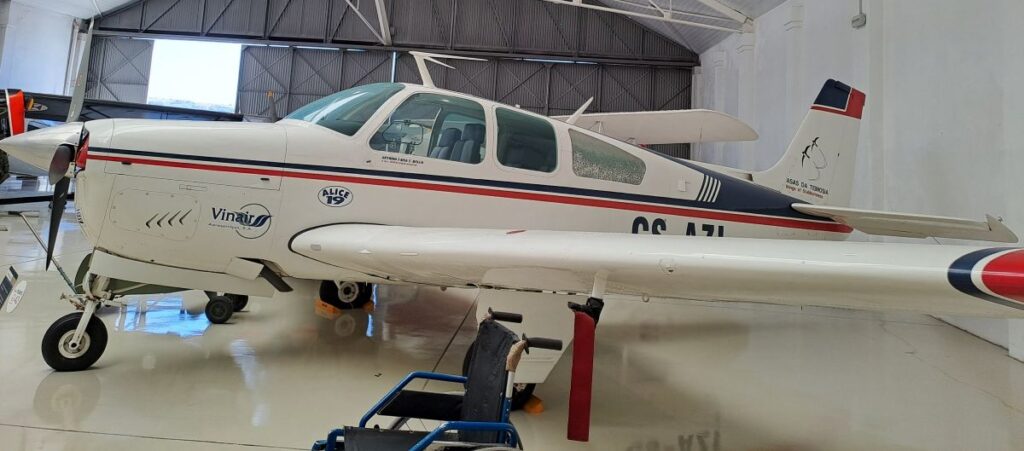
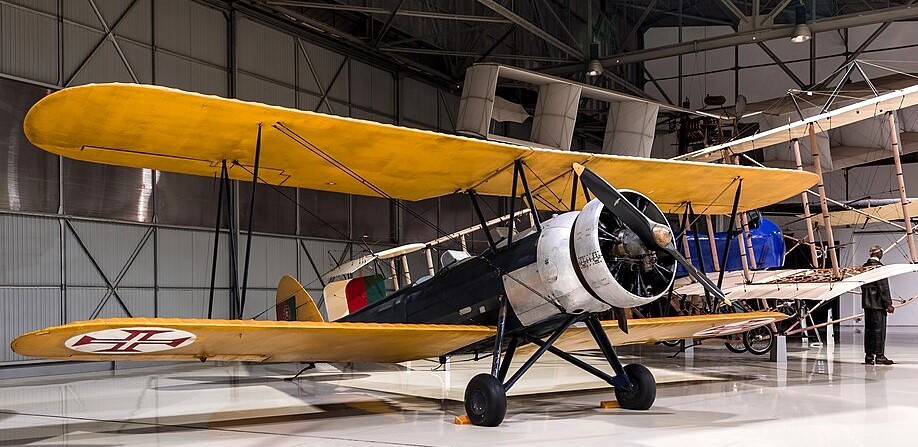
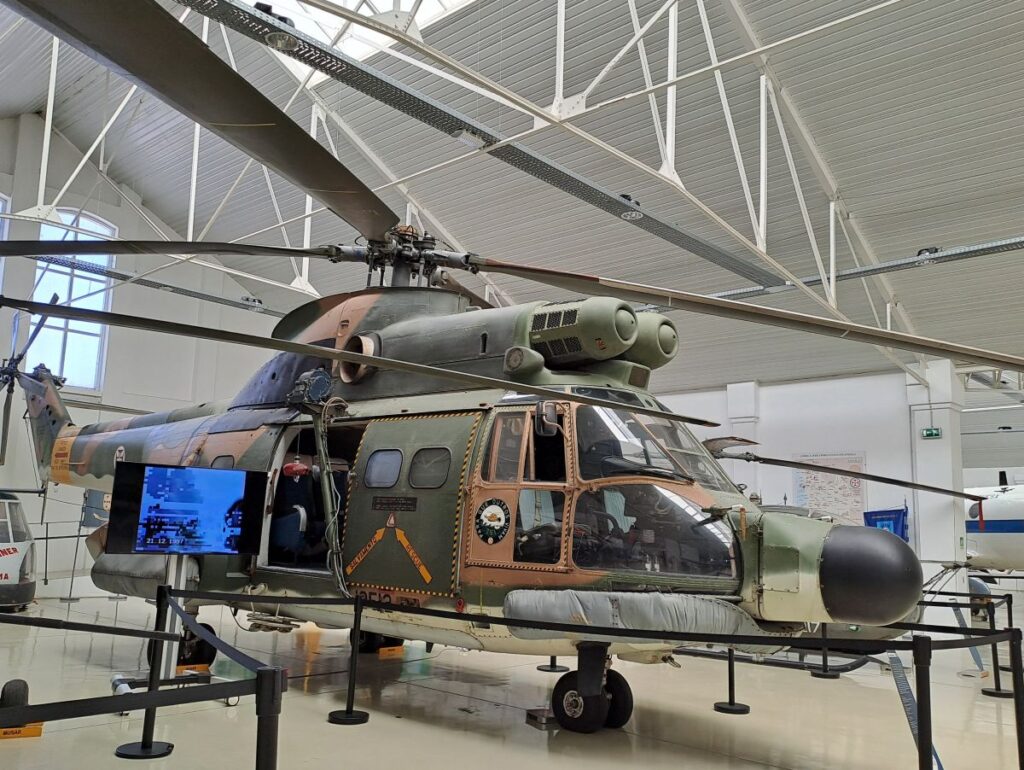
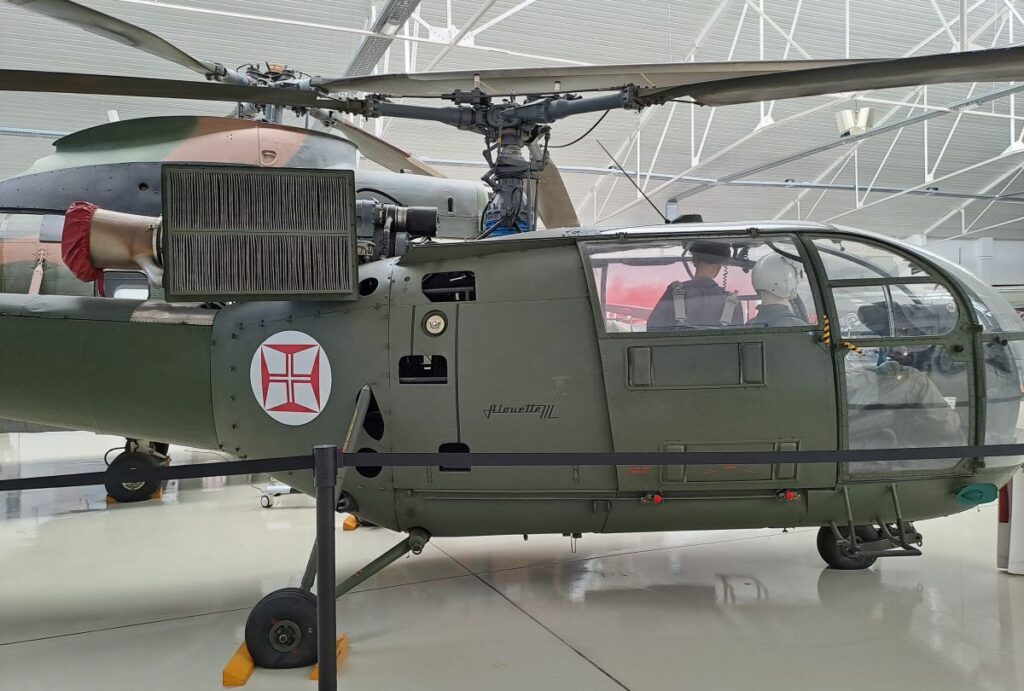
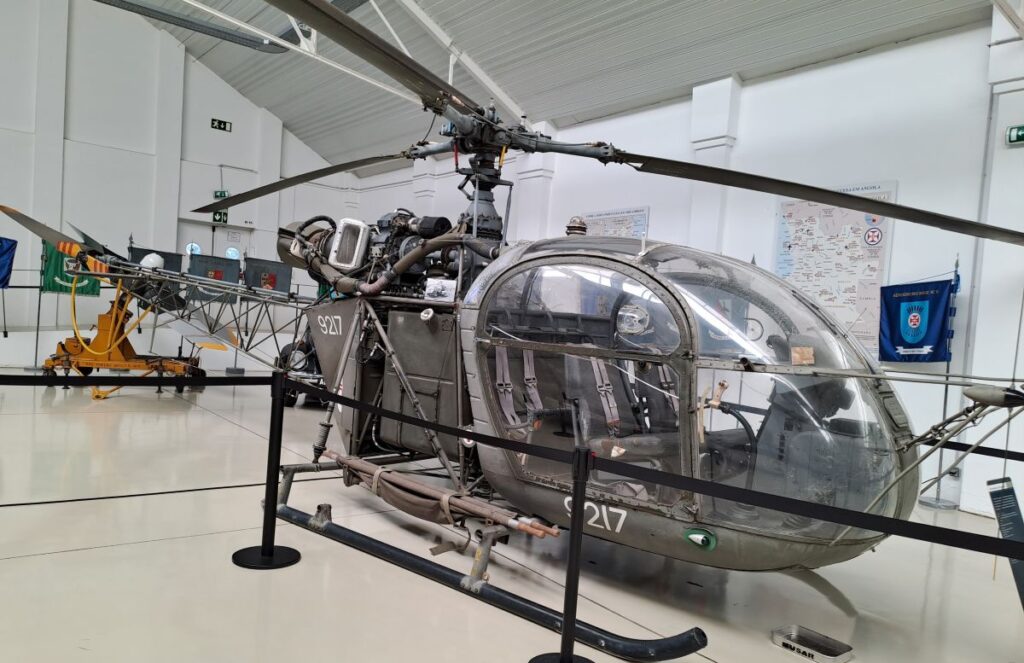
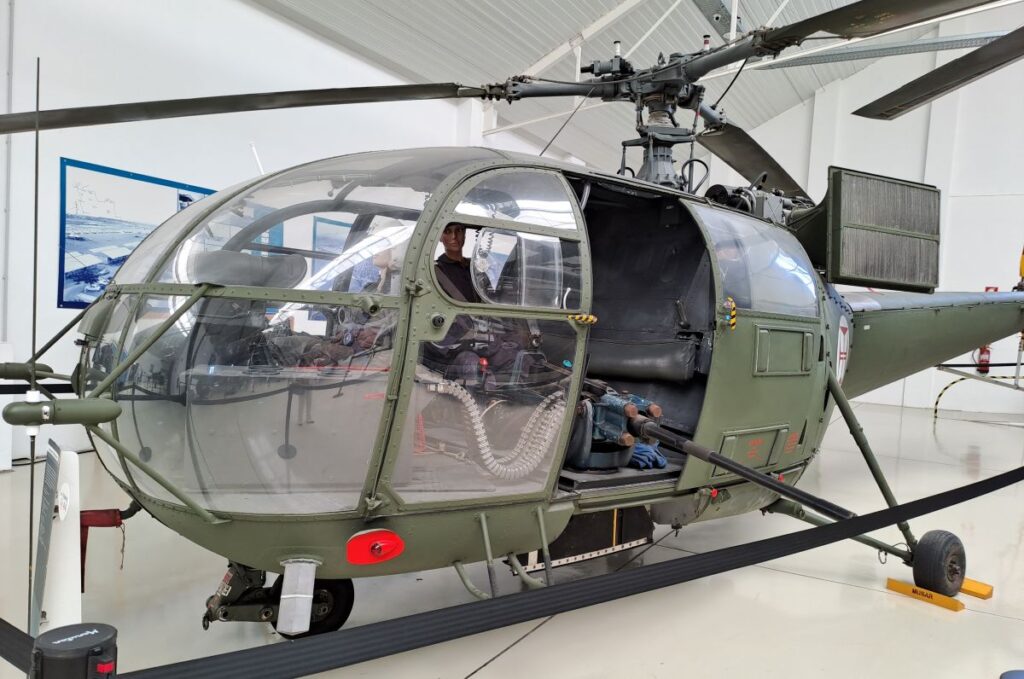
Dakota DC-3. The first Dakota arrived in Portugal in 1945. Noratlas Nord 2502AFiat G-91R/4 fighter, which stands out for its shark-mouth paint job.A collection of historical uniforms worn by TAP Air Portugal flight attendants, from the airline’s foundation in 1945 to the present day.Beechcraft F33A Bonanza. It was flown round the world by the aviator António Faria e Mello, and his wheelchair is on display next to the aircraft. Avro 631 Cadet. A training aircraft that is the only one of its kind in the world and which entered service with the Air Force in 1932. Aérospatiale SA330S1 PumaA Portuguese Air Force Aérospatiale SA316B Alouette III, an aircraft recognisable by its green camouflage and the historic white cross emblem on its tail.This is a classic Aérospatiale SE3130 Alouette II light helicopter, recognisable by its exposed tubular steel fuselage and bubble-shaped cockpit.Aérospatiale SA316B Alouette III, with a bubble-shaped cockpit. Used by the Portuguese Air Force, it was fitted with a 20mm cannon mounted in the door for close air support during the Overseas Conflict.
We use cookies on our website to give you the most relevant experience by remembering your preferences and repeated visits. By clicking “Accept”, you consent to the use of all the cookies.
This website uses cookies to improve your experience while you navigate through the website. Out of these, the cookies that are categorized as necessary are stored on your browser as they are essential for the working of basic functionalities of the website. We also use third-party cookies that help us analyze and understand how you use this website. These cookies will be stored in your browser only with your consent. You also have the option to opt-out of these cookies. But opting out of some of these cookies may affect your browsing experience.
Necessary cookies are absolutely essential for the website to function properly. This category only includes cookies that ensure basic functionalities and security features of the website. These cookies do not store any personal information.
Any cookies that may not be particularly necessary for the website to function and are used specifically to collect user personal data via analytics or other embedded contents are termed as non-necessary cookies.
Analytical cookies are used to understand how visitors interact with the website. These cookies help provide information on metrics such as the number of visitors, bounce rate, traffic source, etc.