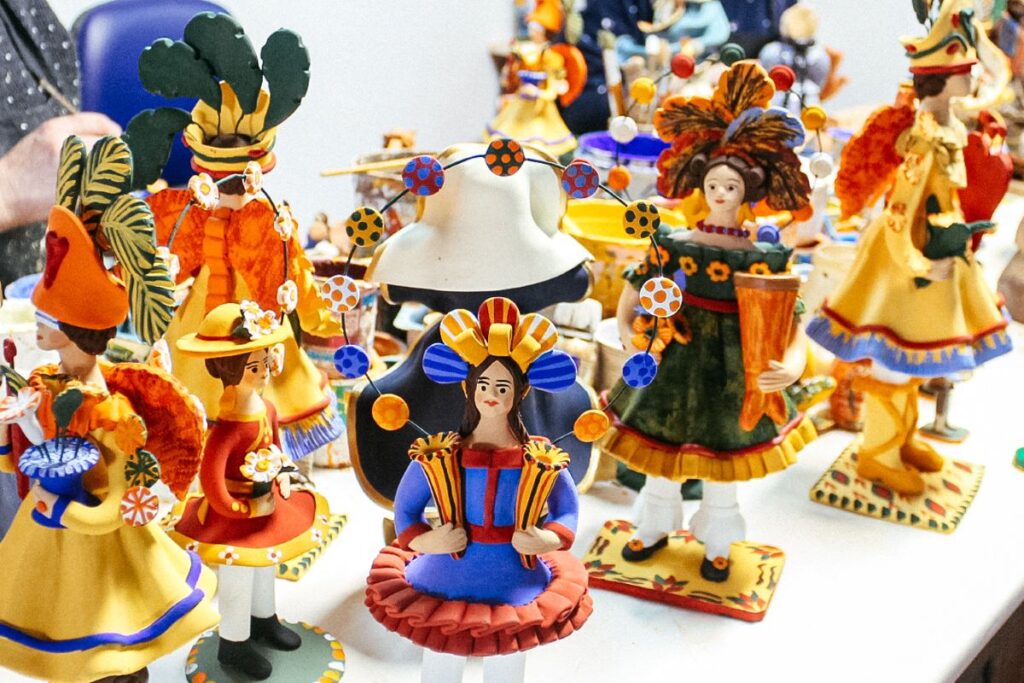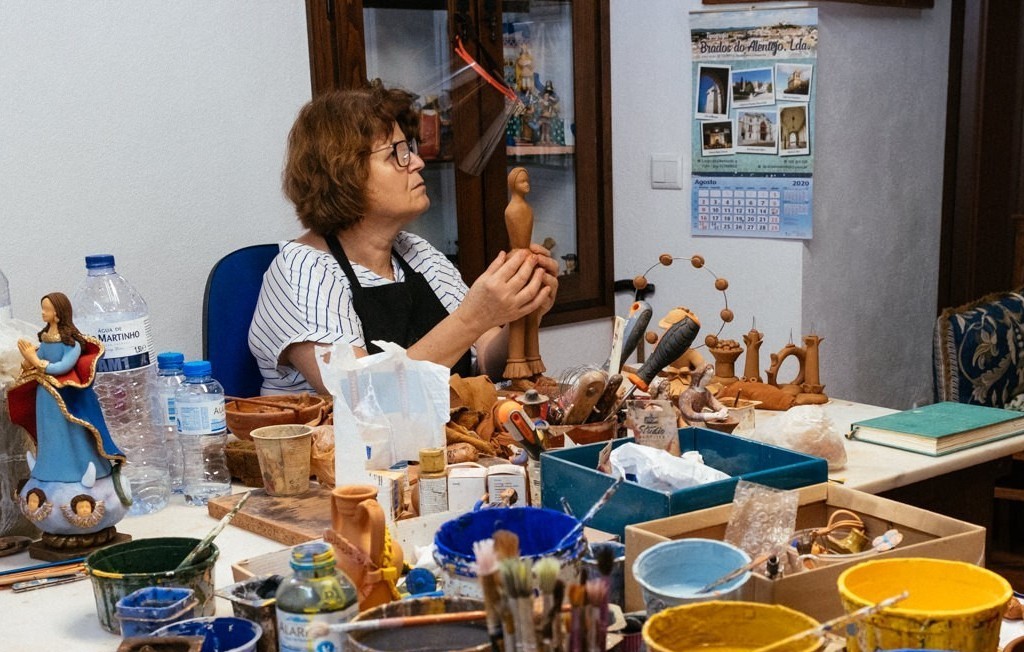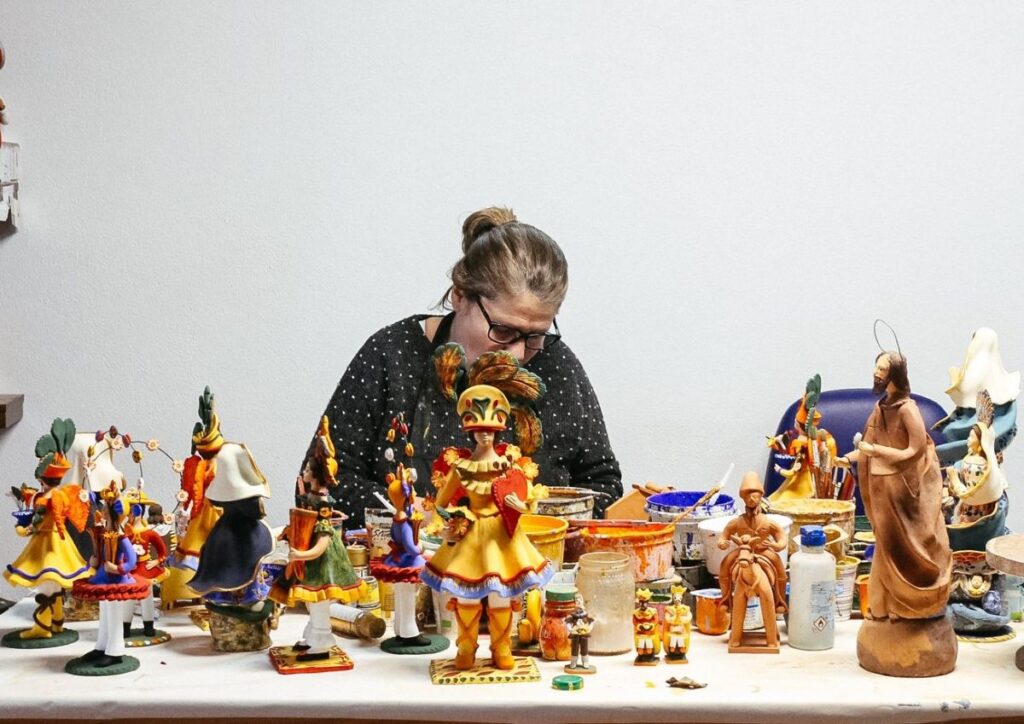
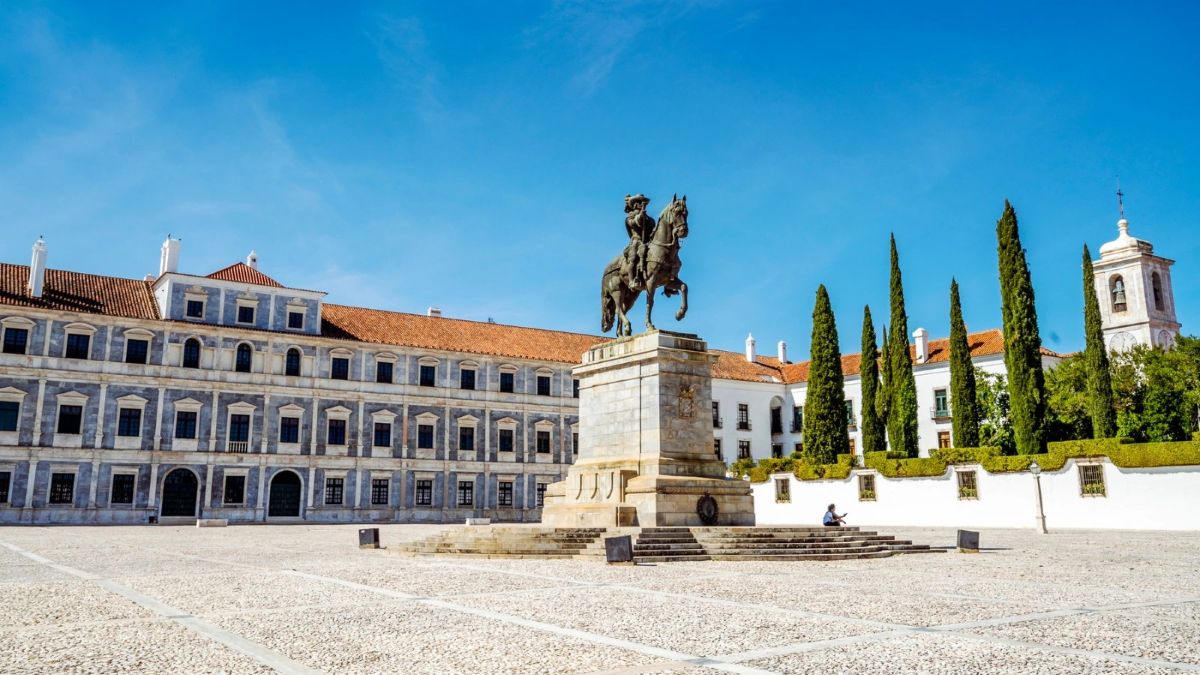
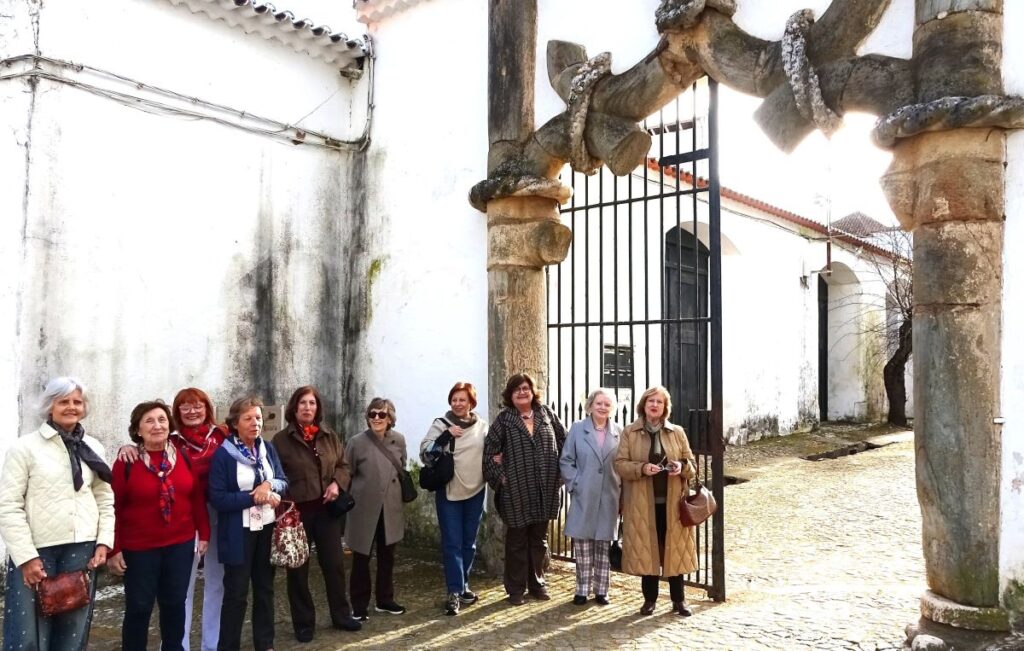
On 26 and 27 March, the Club organised a trip to Vila Viçosa and Estremoz to visit the Raquel de Castro Marble Museum, the Ducal Palace and the Berardo Tile Museum in Estremoz. In their free time, the group took a short stroll around the main squares.
Marble Museum
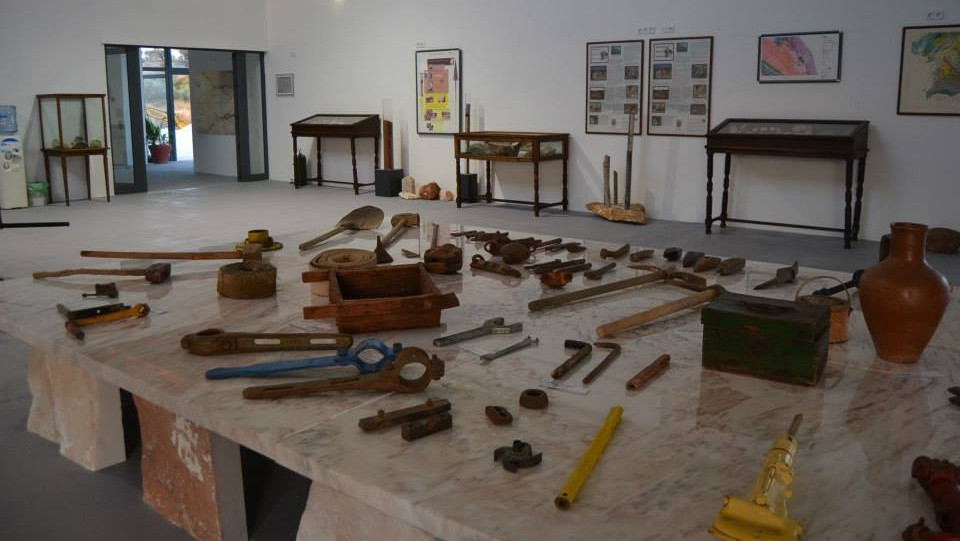
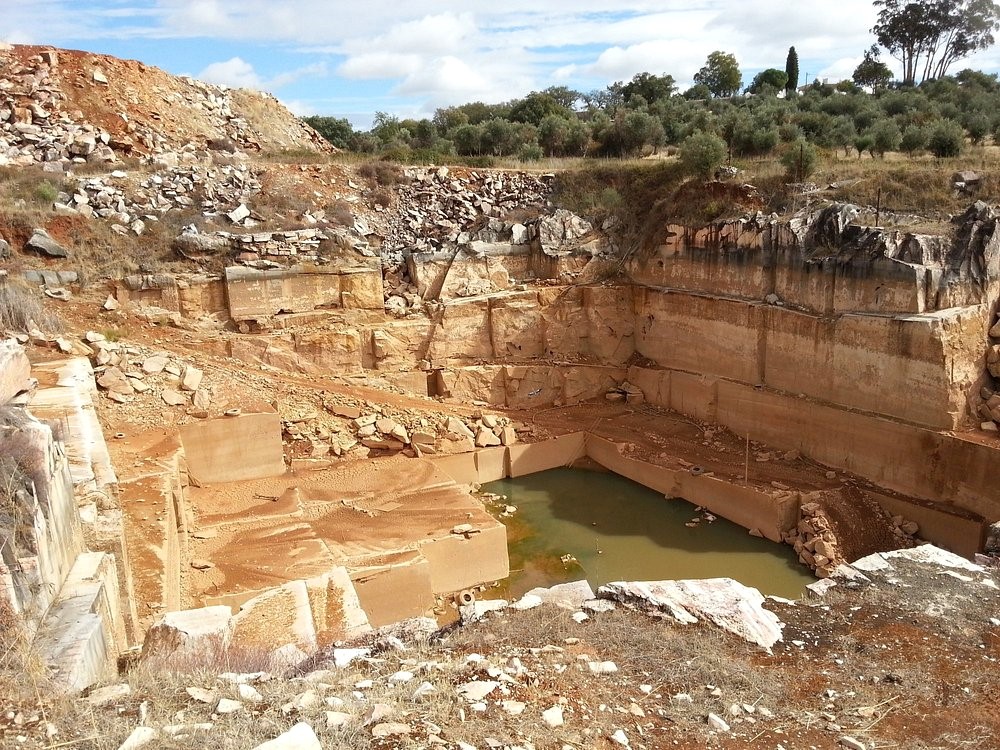
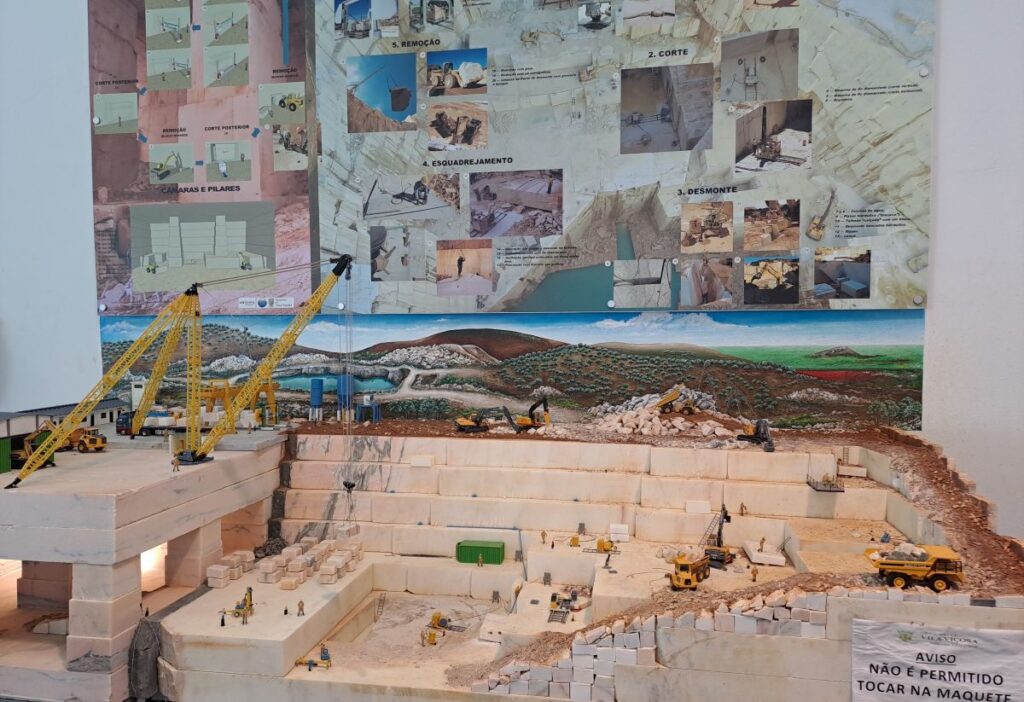
At the Marble Museum, located in the now-disused Gradinha quarry, we learnt about the entire process of marble processing — an activity that dates back to Roman times in this region — from extraction to the objects, tools and machinery used.
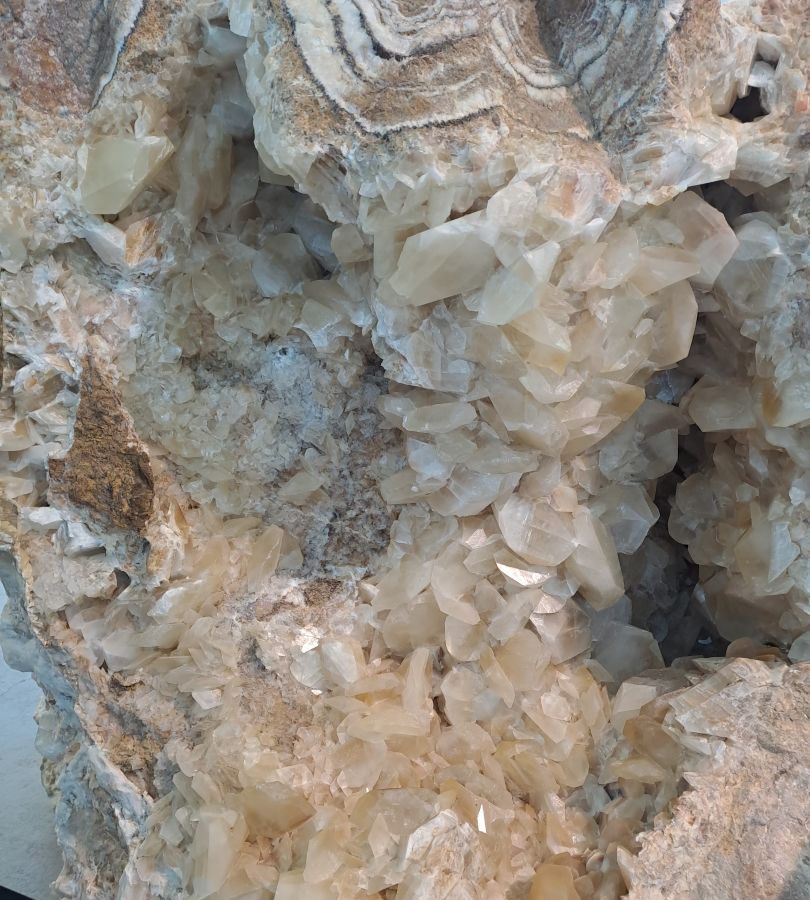
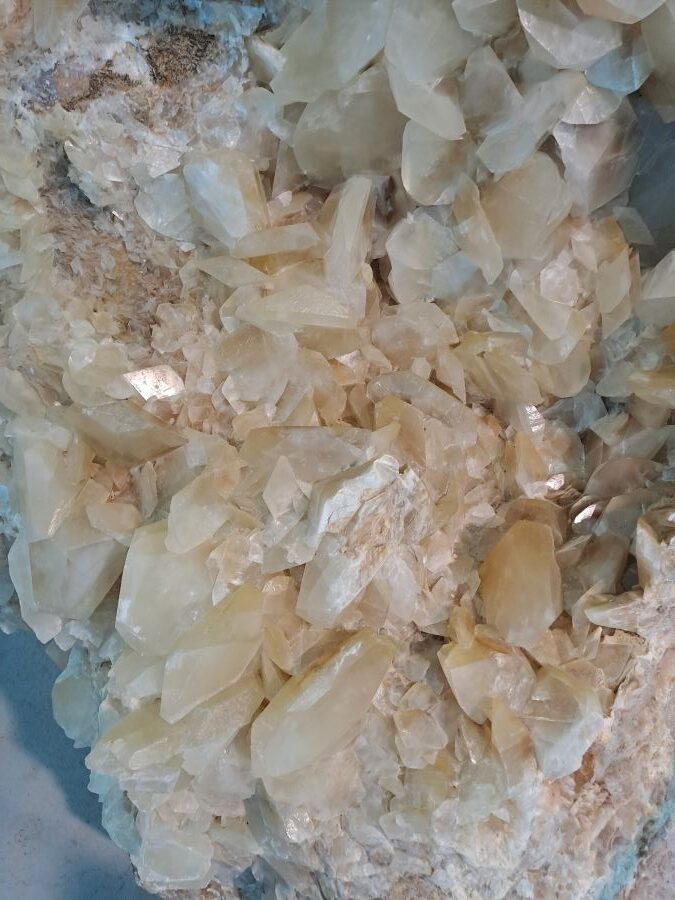
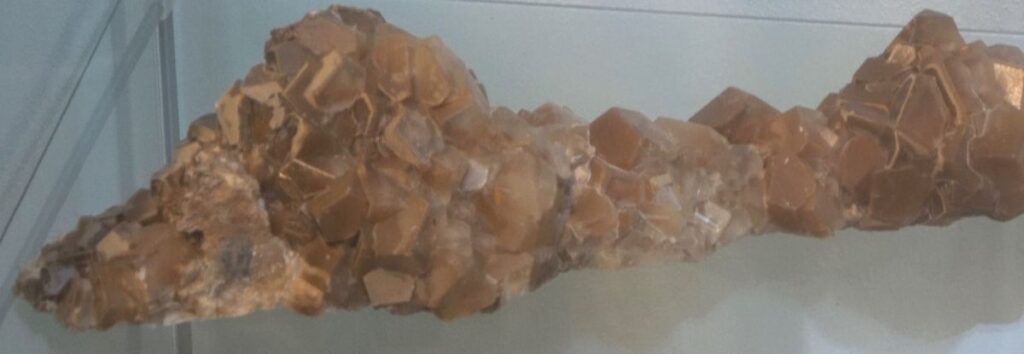
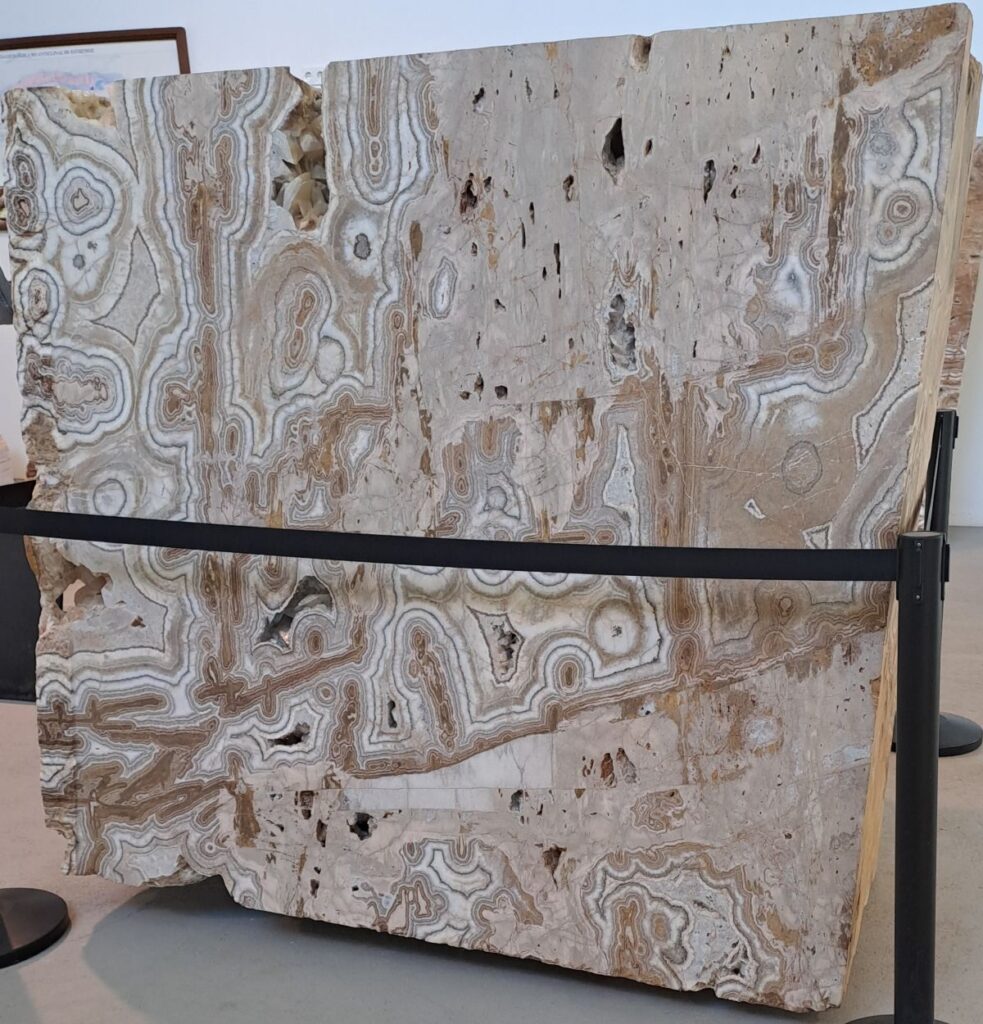
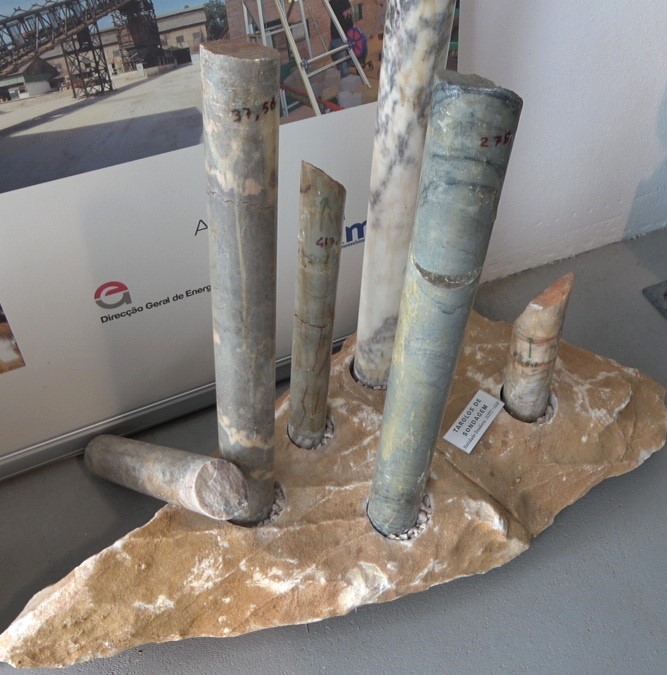
When it emerges from the rock in large, irregular blocks, it is called rough marble. Below, druses of carbide crystals.
During prospecting, a drilling machine is used to drill into the ground to confirm the presence of marble and to determine its characteristics and quality.
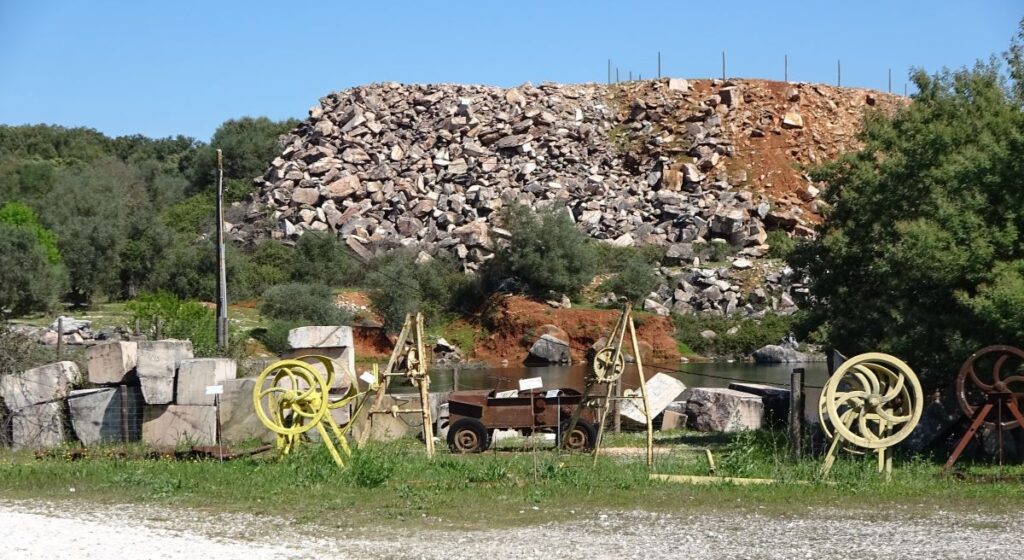
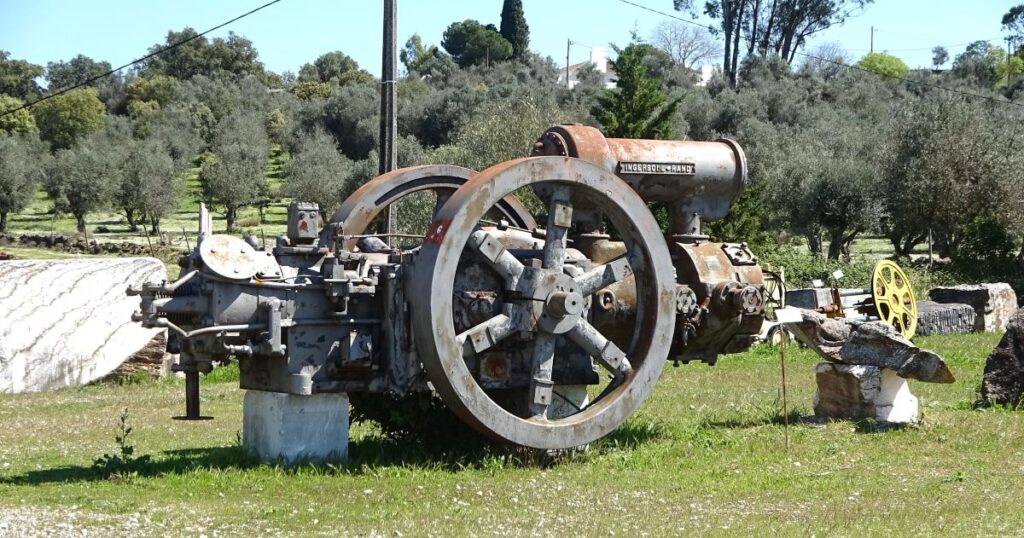
Below, heavier machinery outside the museum.
Art is also evident in the marble sculptures.
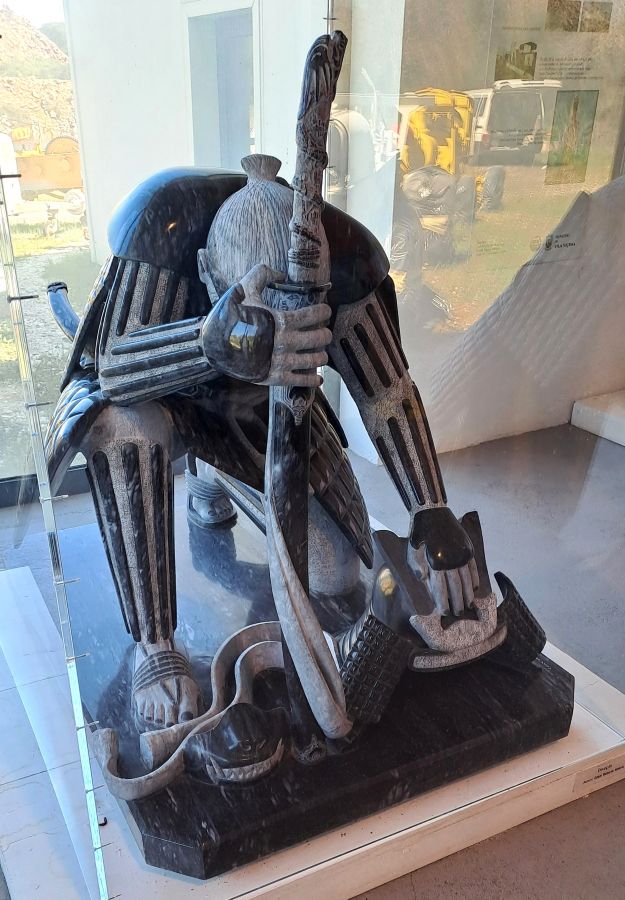
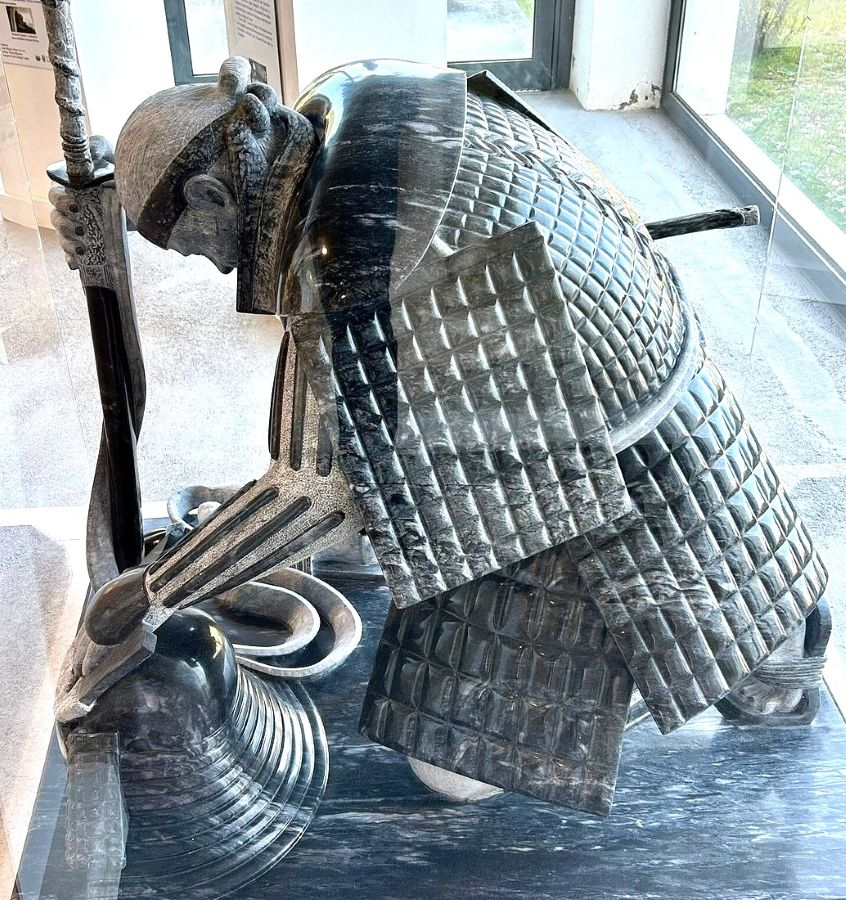
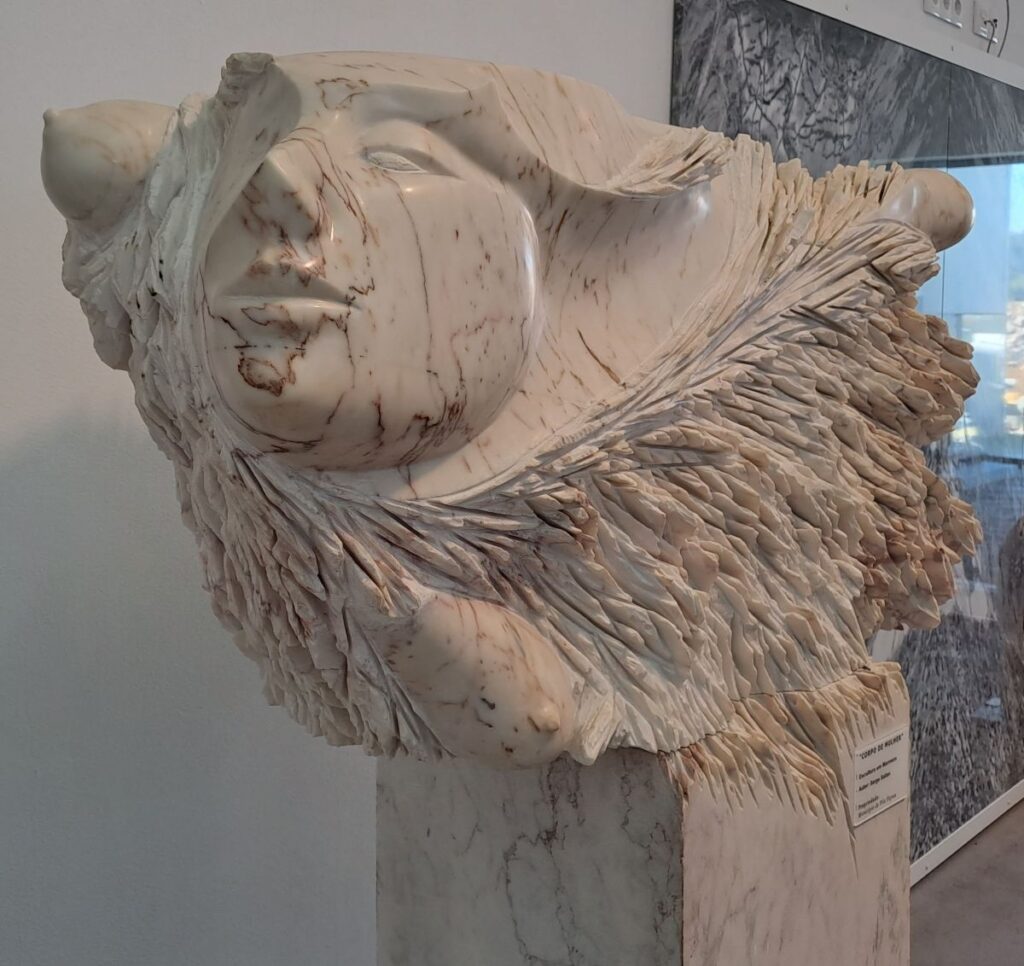
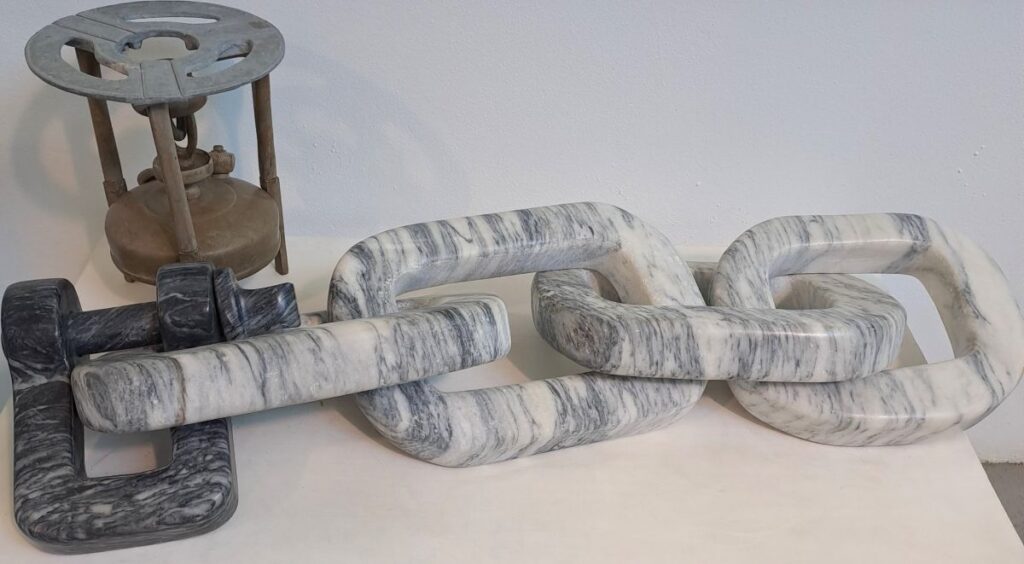
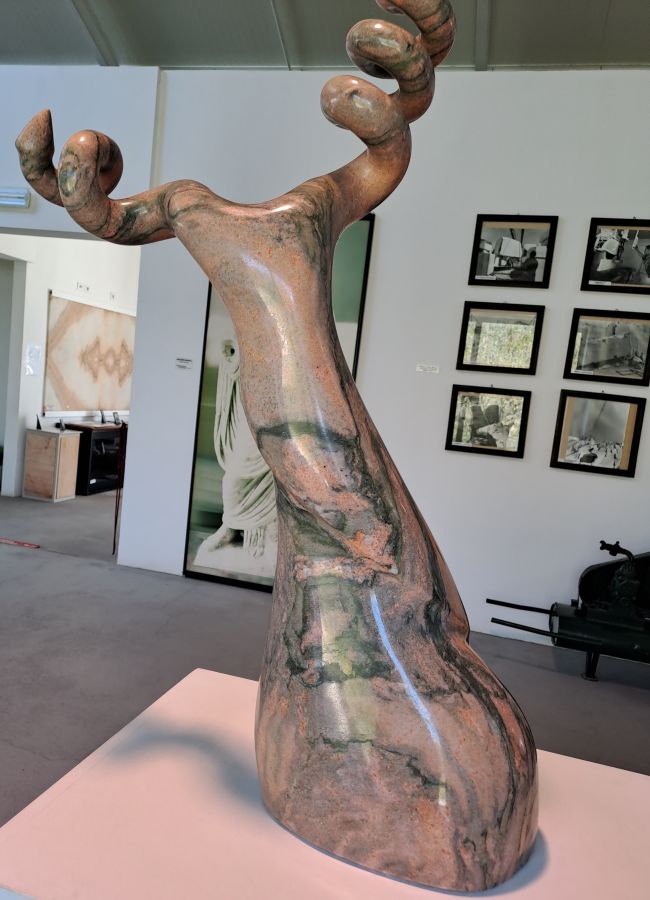
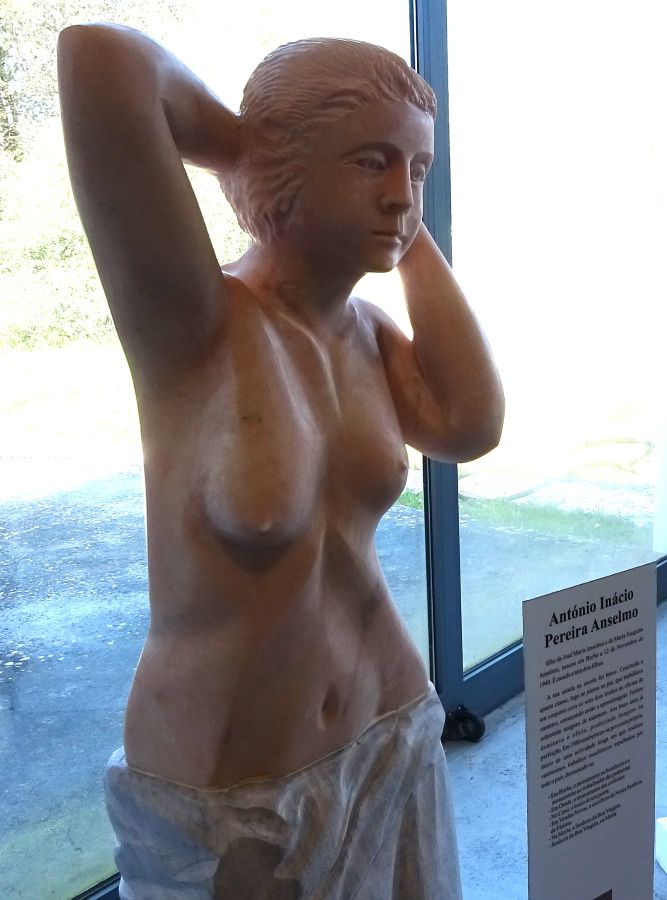
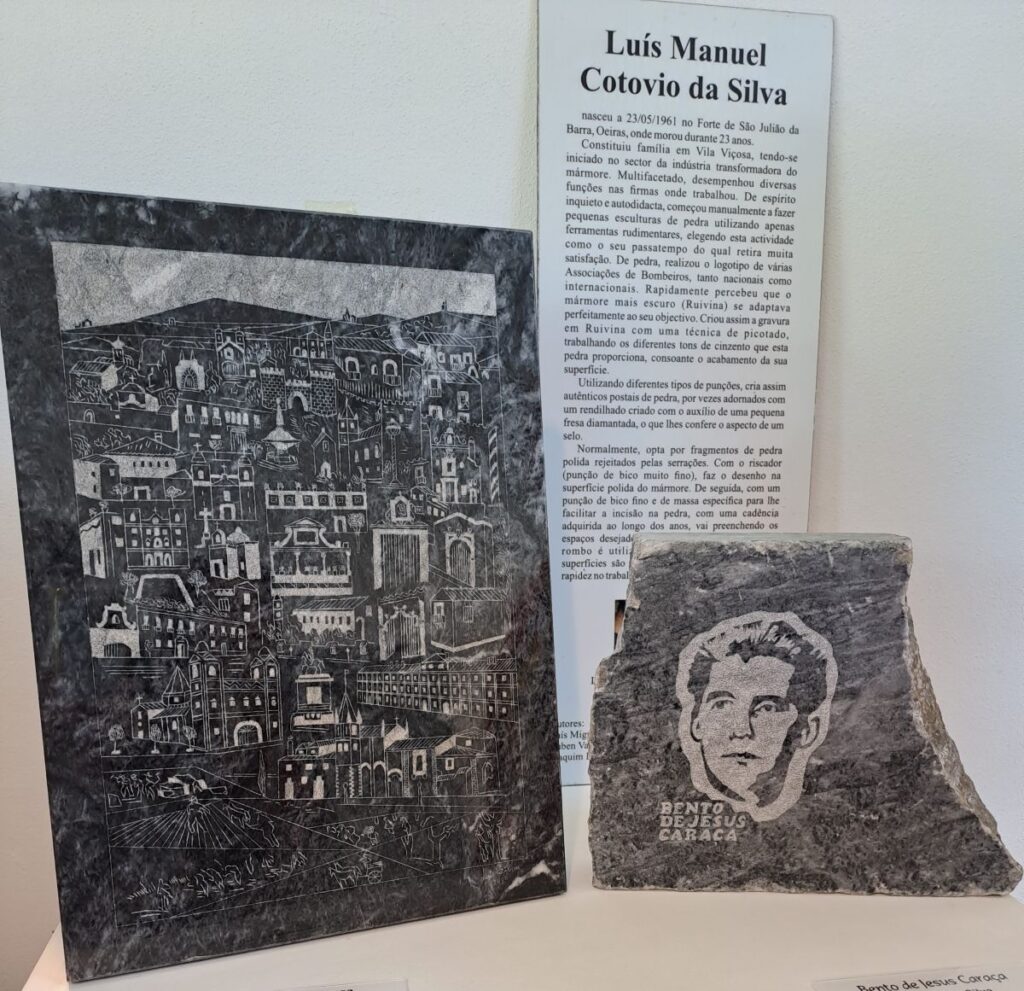
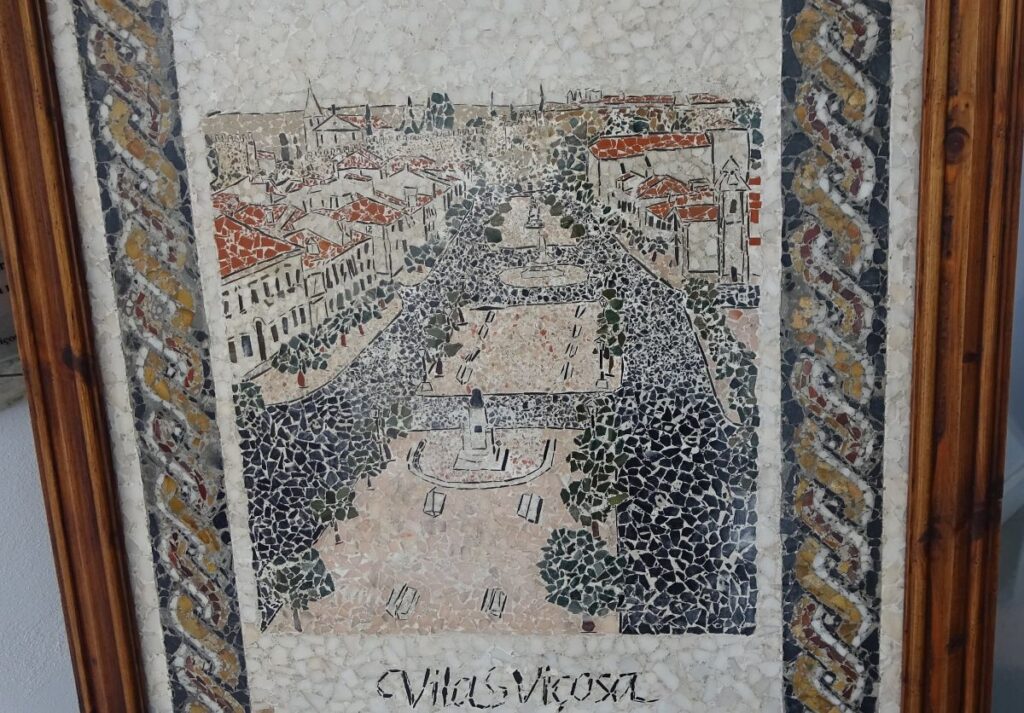
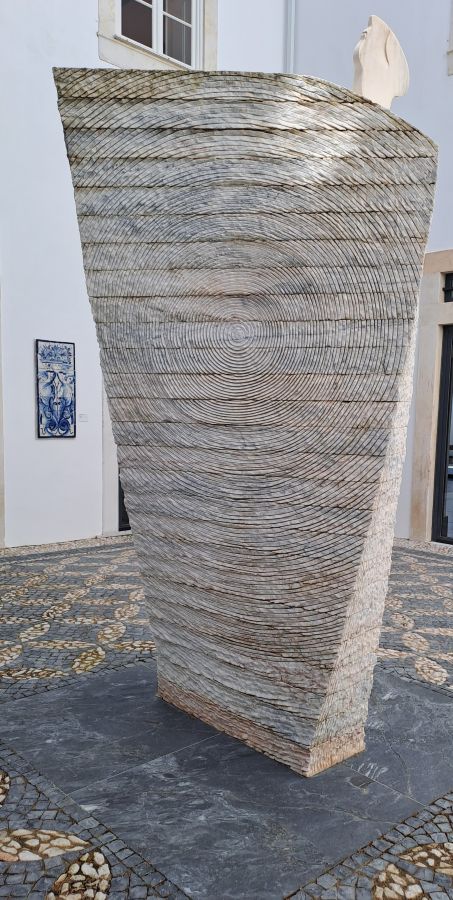
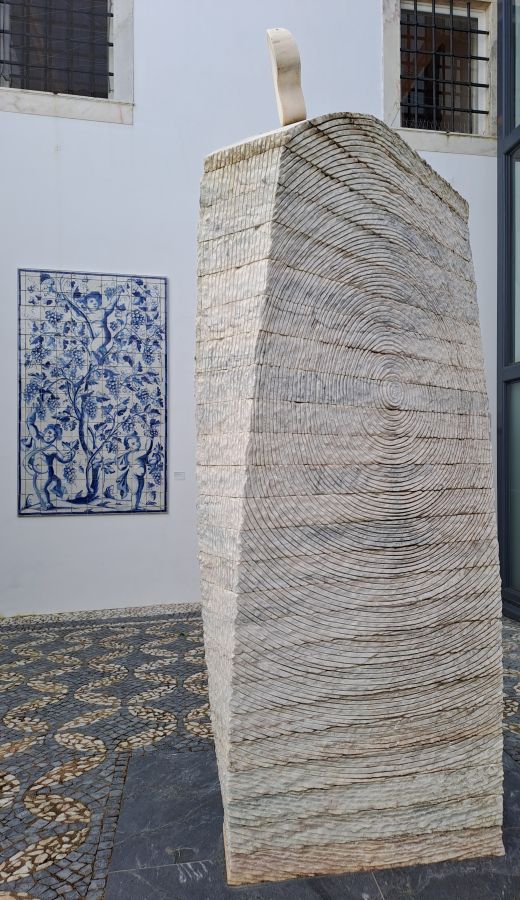
Sculptures outside the museum.
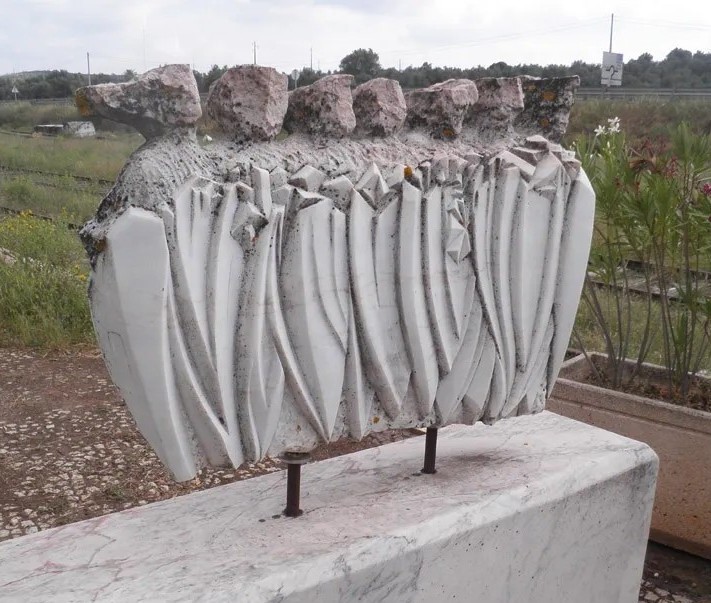
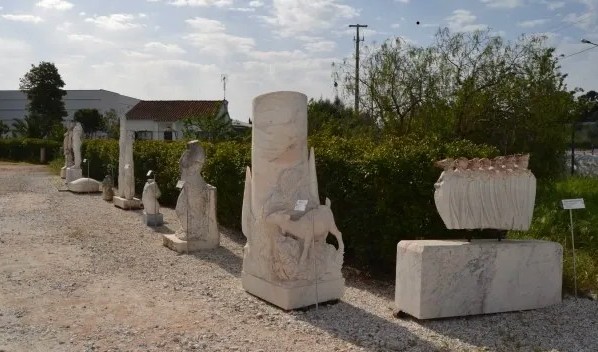
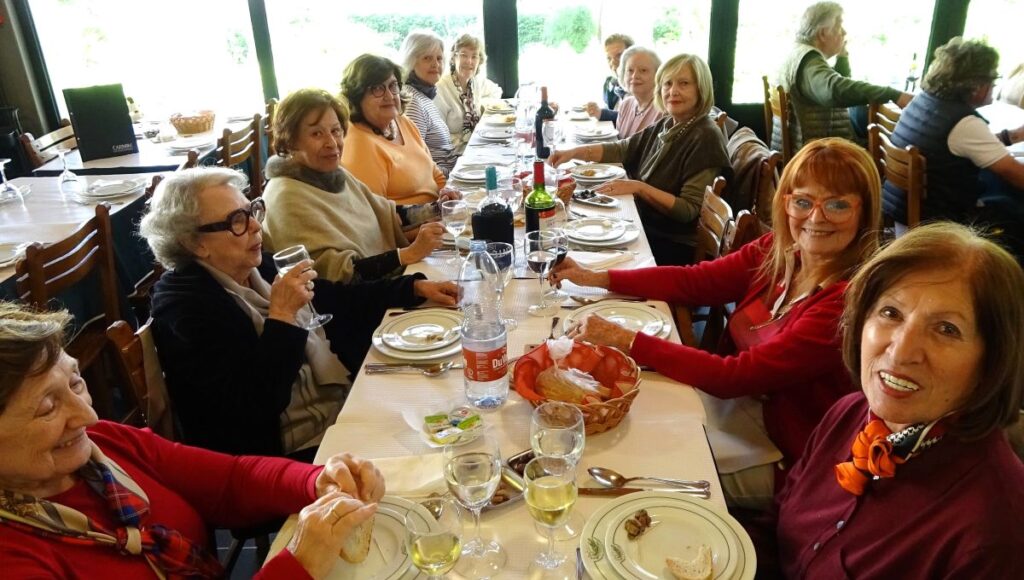
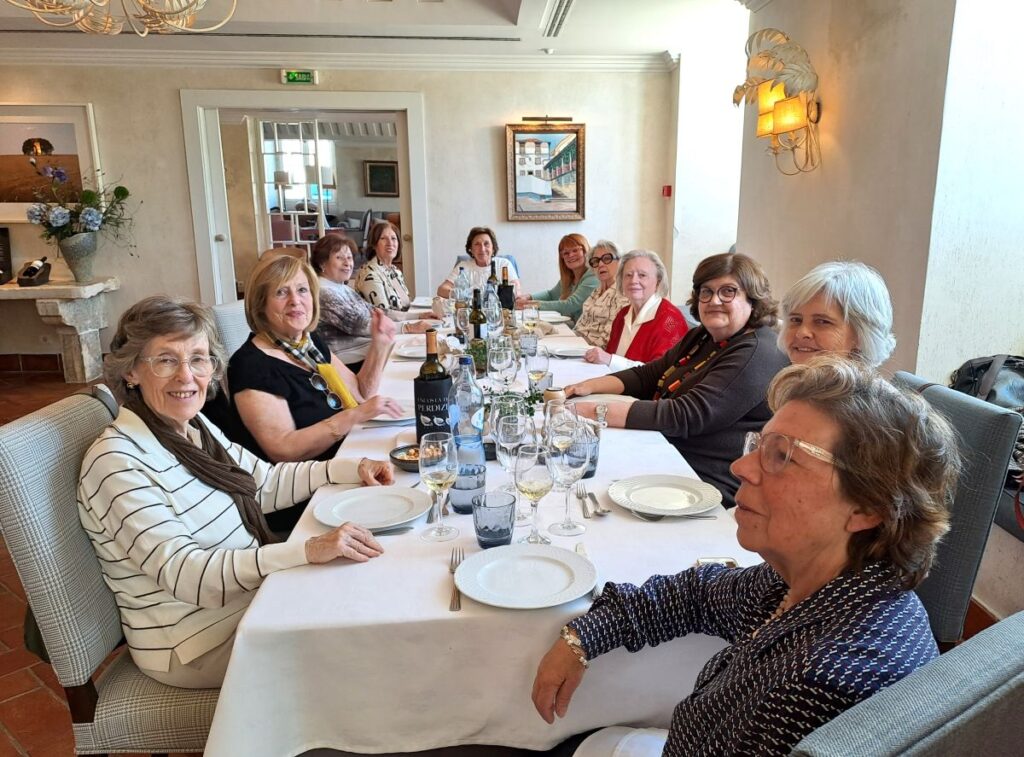
Once the visit was over, we enjoyed a lively lunch, after which we visited the Ducal Palace.
Ducal Palace
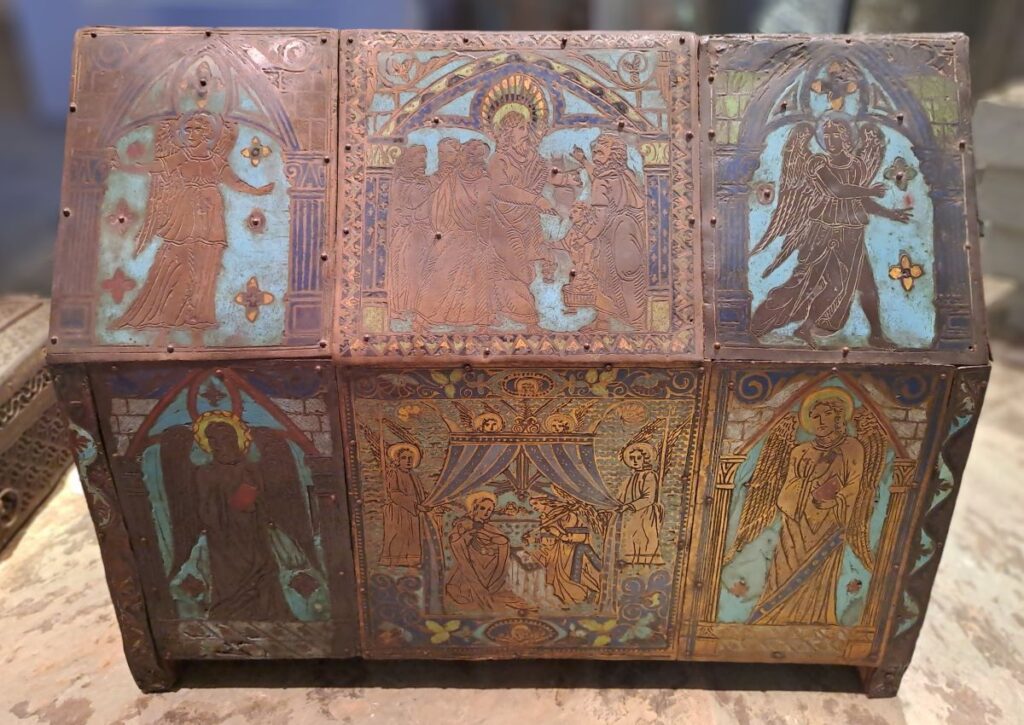
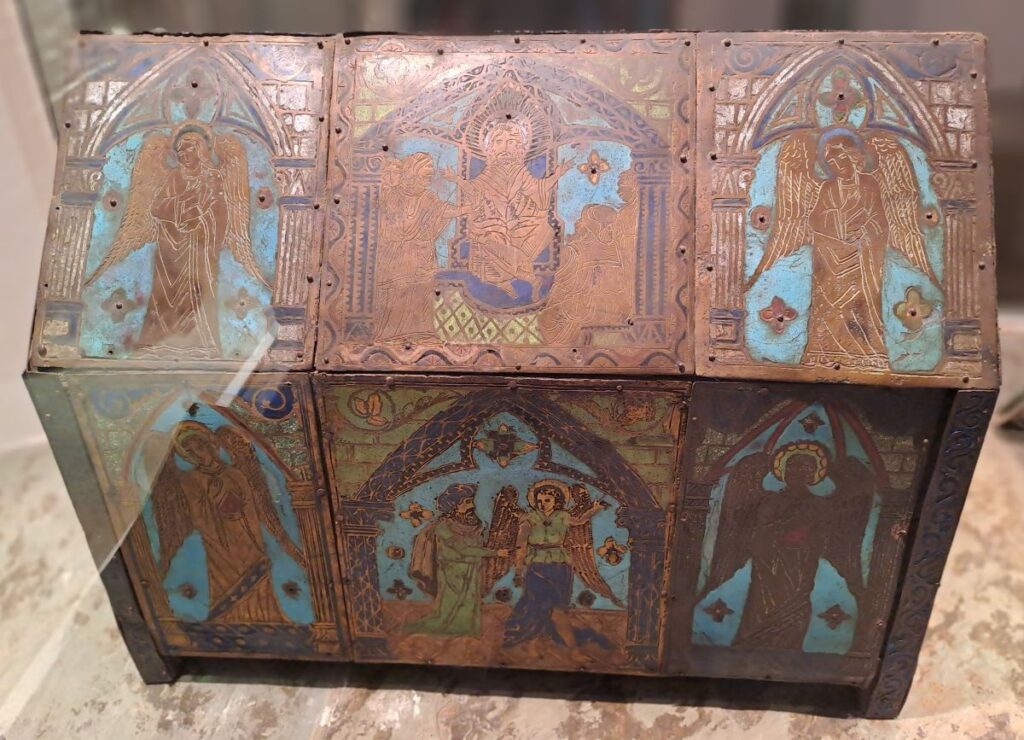
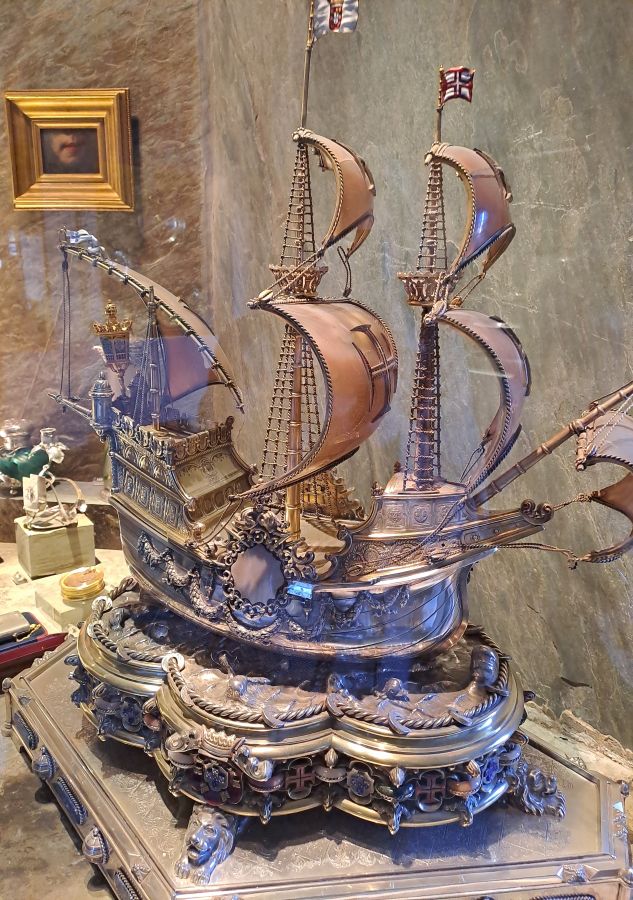
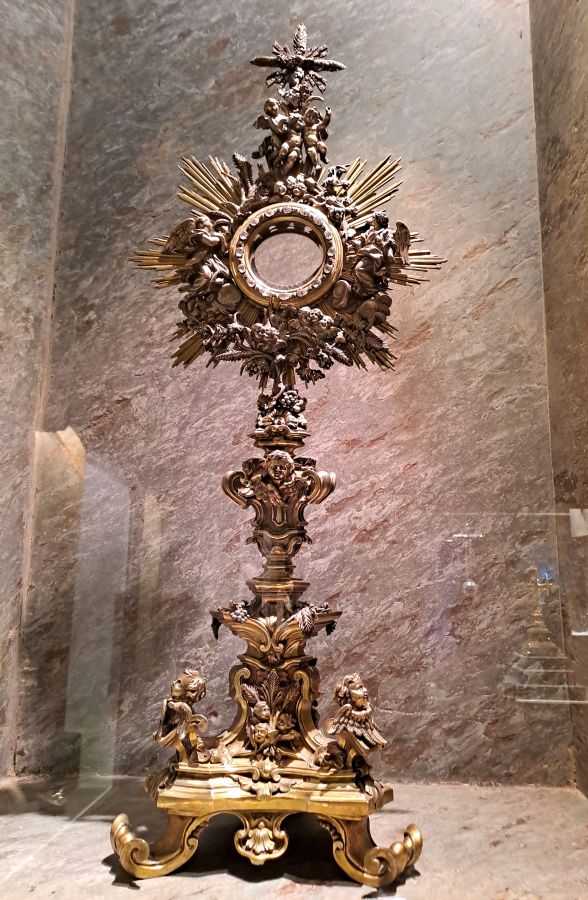
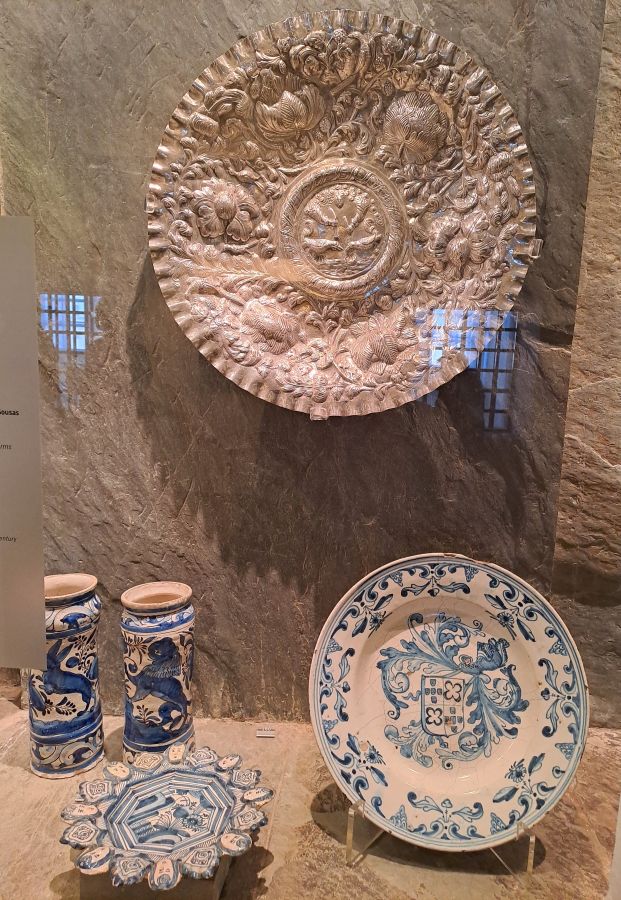
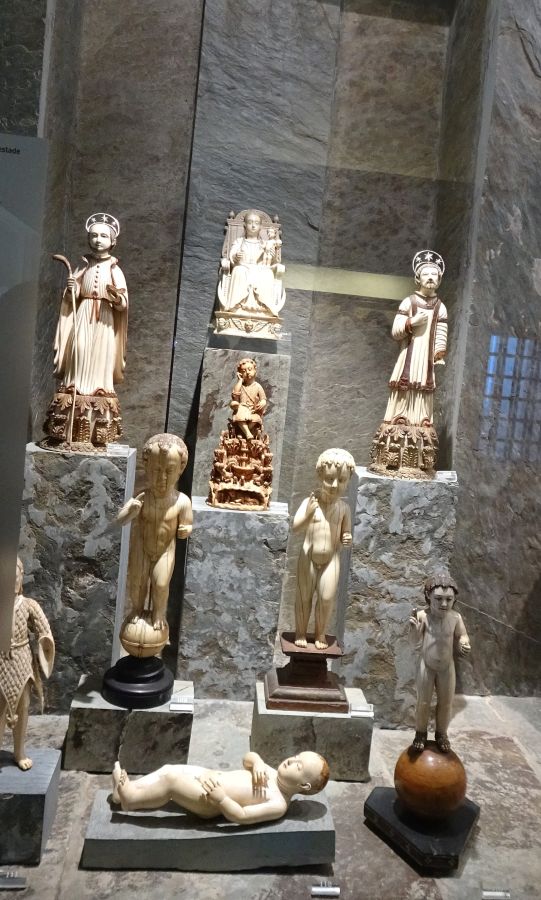
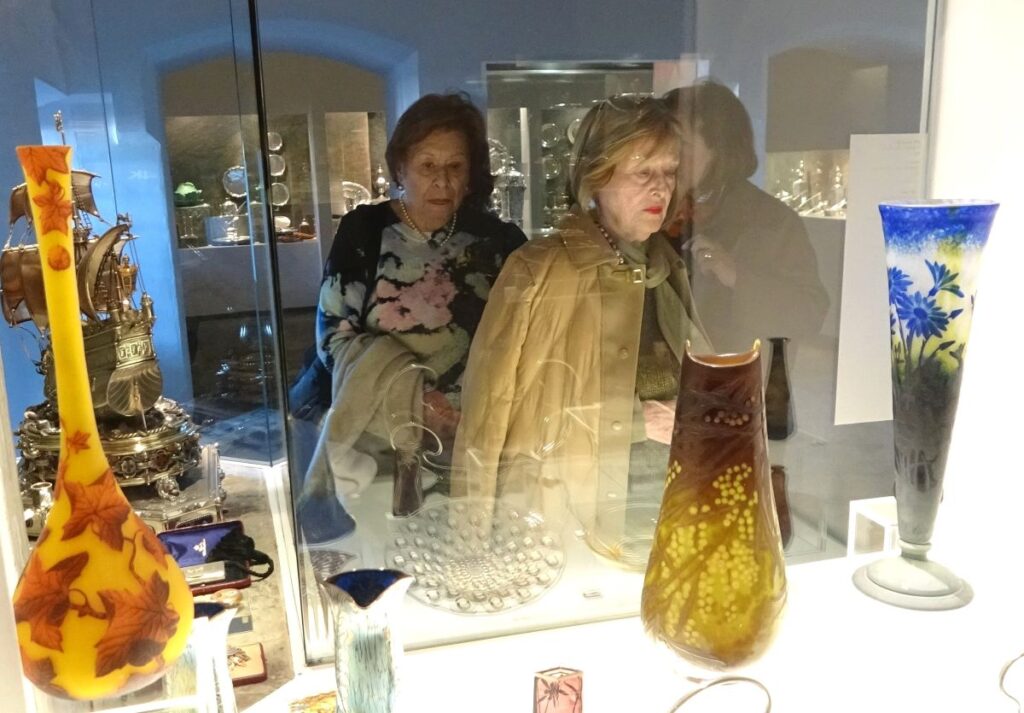
We began our tour of the Ducal Palace in the Treasury Room, where items of jewellery, paintings, ceramics, sculptures, glassware and a collection of Indo-Portuguese ivories are on display.
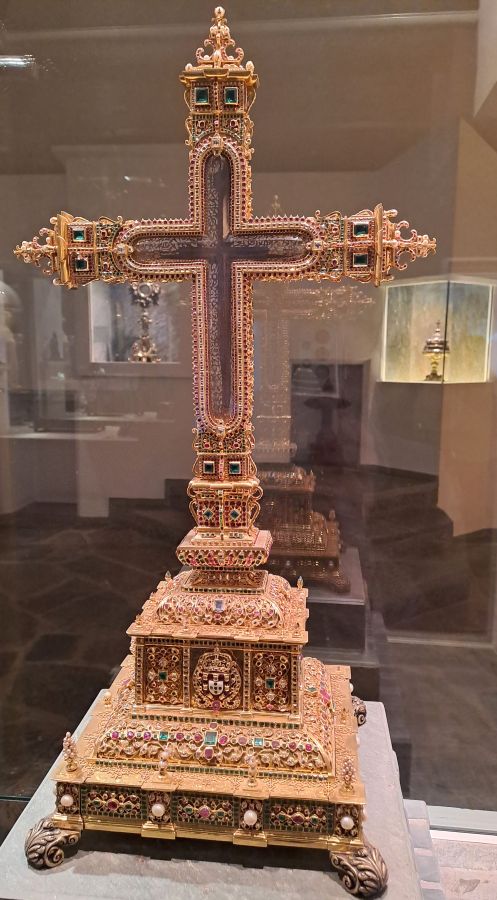
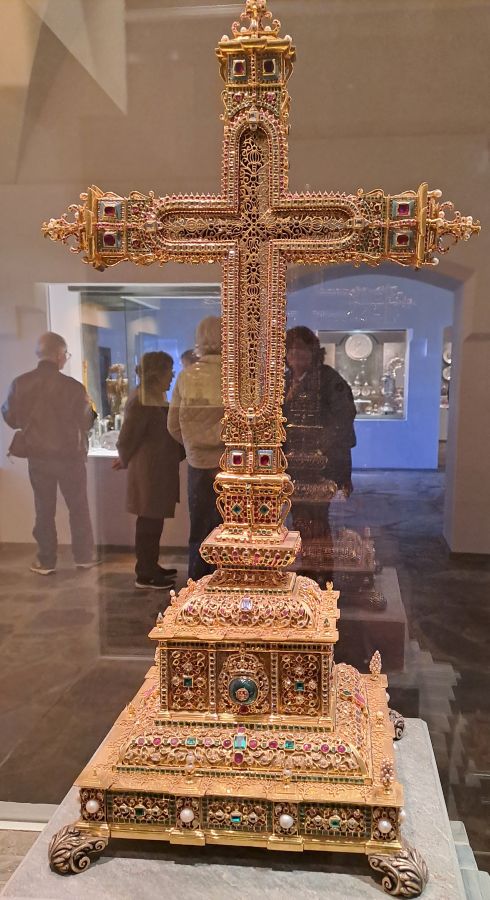
Below is the processional cross of Catherine of Bragança, crafted from gold and precious stones (diamonds, rubies, emeralds, pearls and polychrome enamels), commissioned by her father, King John IV, from the goldsmith Filipe Vallejo.
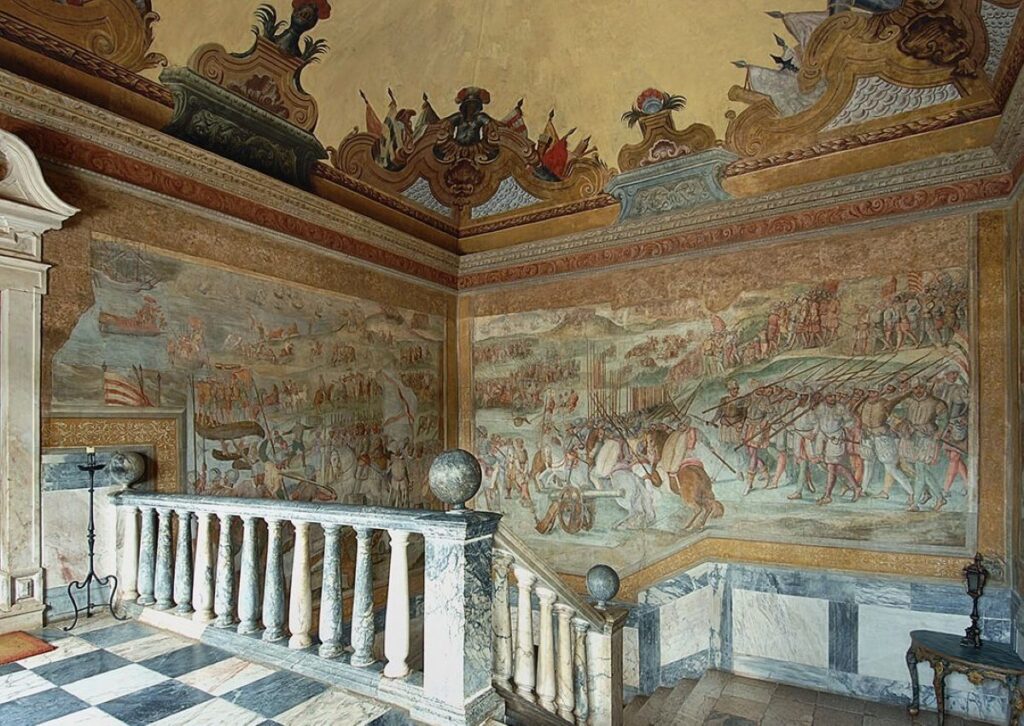
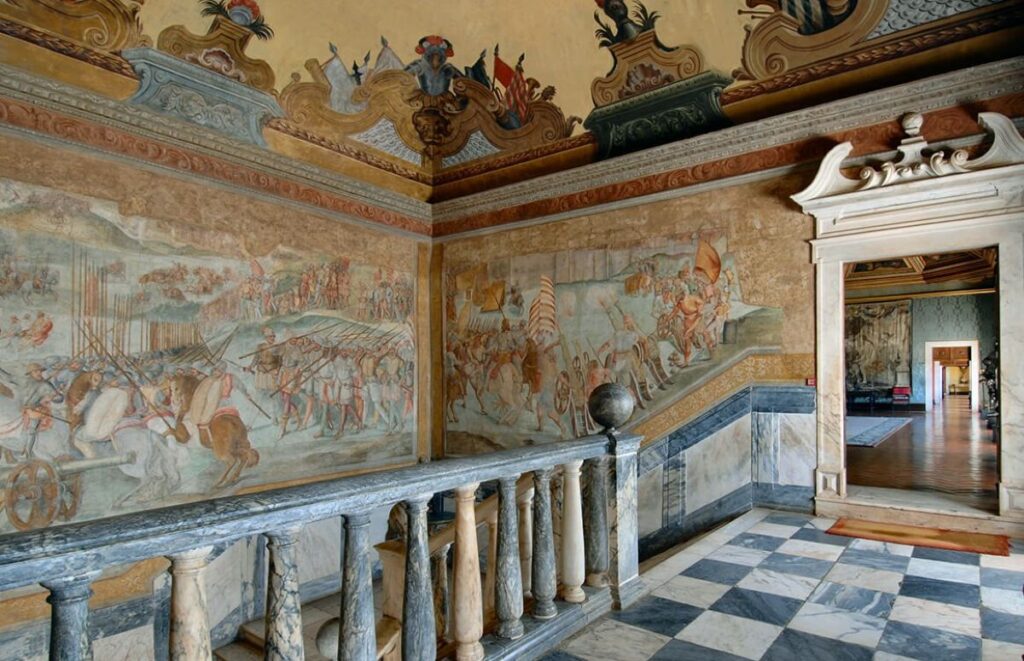
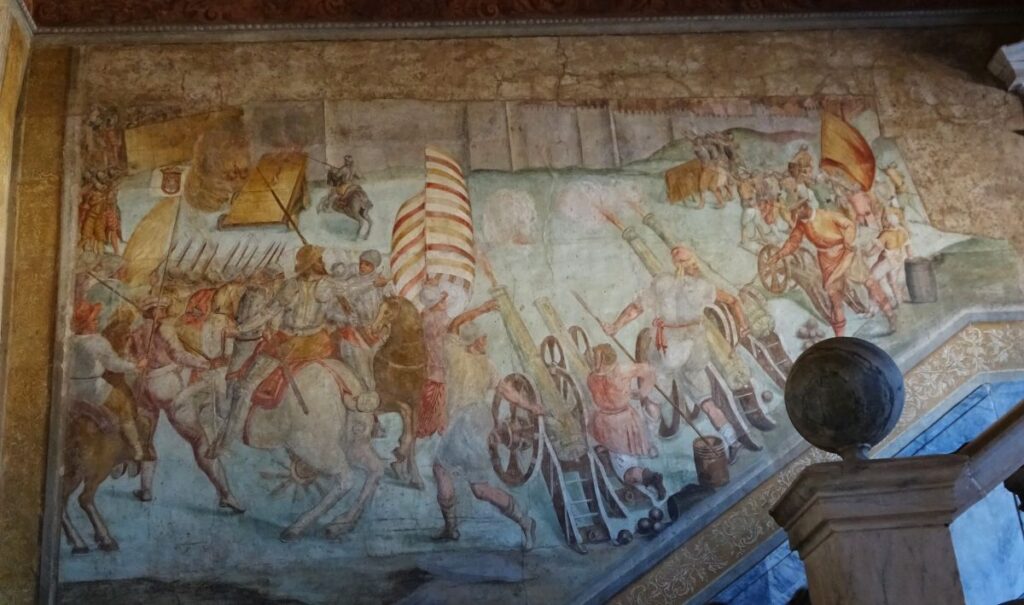
This was followed by a guided tour of the various rooms in the Palace. The marble staircase is adorned with a mural depicting the capture of the African stronghold of Azamor in 1513 – the landing of the troops, preparations for the siege, and the siege of the stronghold.
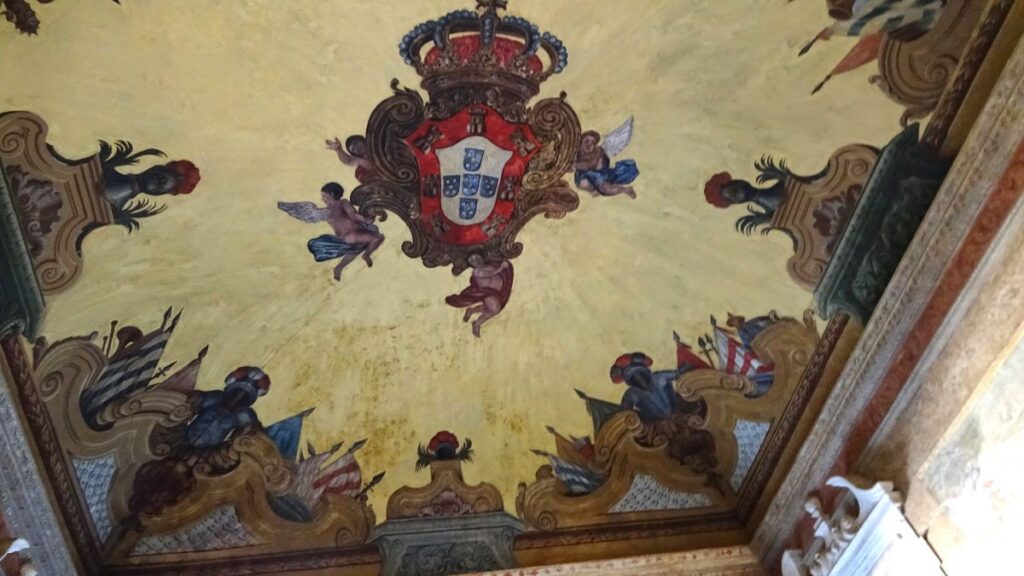
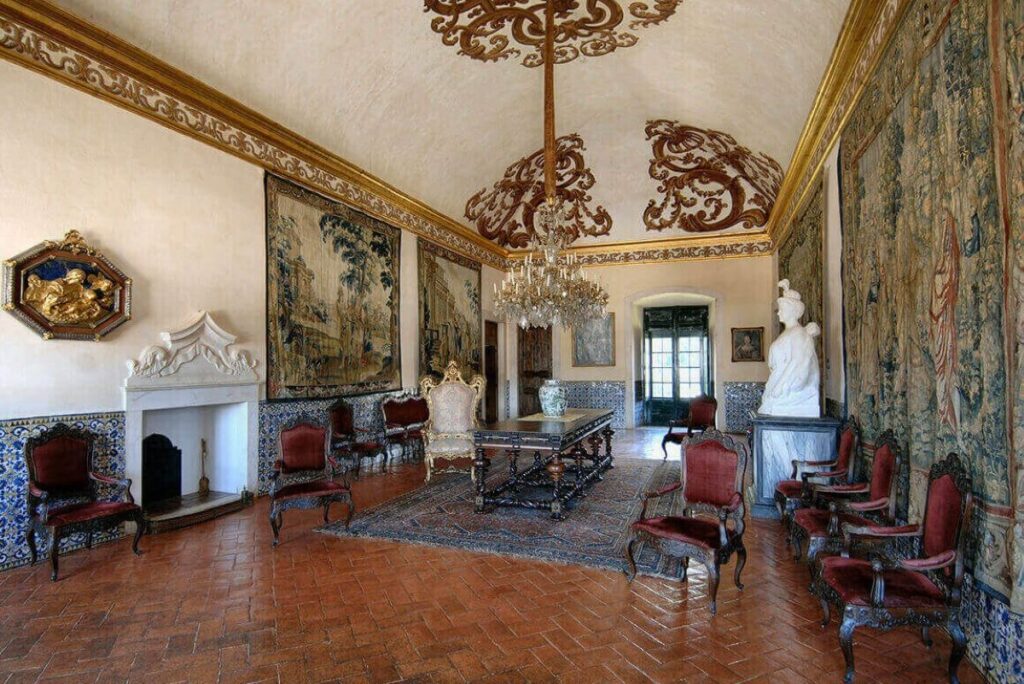
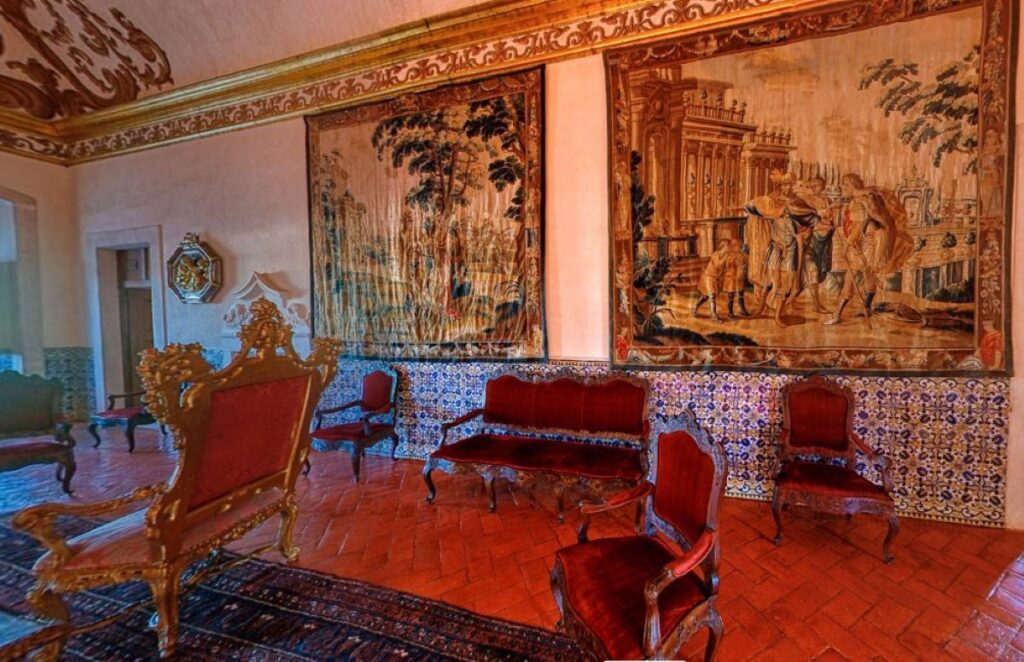
The Tapestry Room – featuring tapestries from the 17th and 18th centuries, a bust of Queen Amelia by the sculptor Teixeira Lopes, and, on the walls, 17th-century polychrome tiles in blue and yellow.
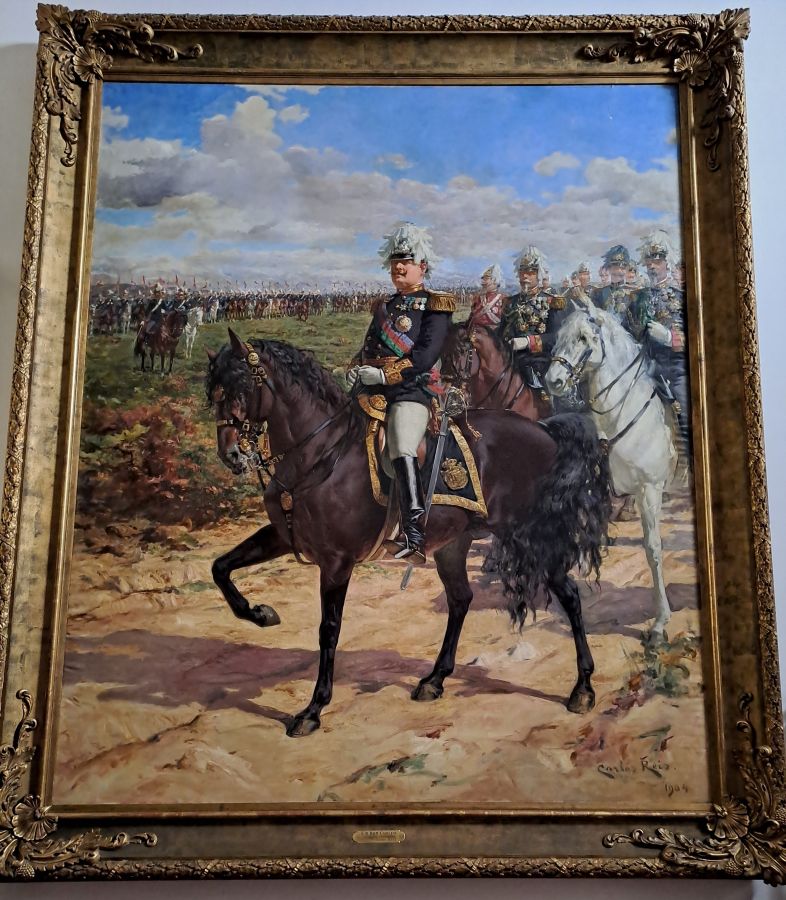
The Medusa Room – featuring ducal portraits commissioned by King Charles from painters such as José Malhoa, Columbano and Carlos Reis, depicting Queen Mary I, King John VI, King Peter IV, Queen Mary II, King Peter V, King Luís Filipe and King Charles. The walls are adorned with polychrome tiles from Talavera de la Reina.
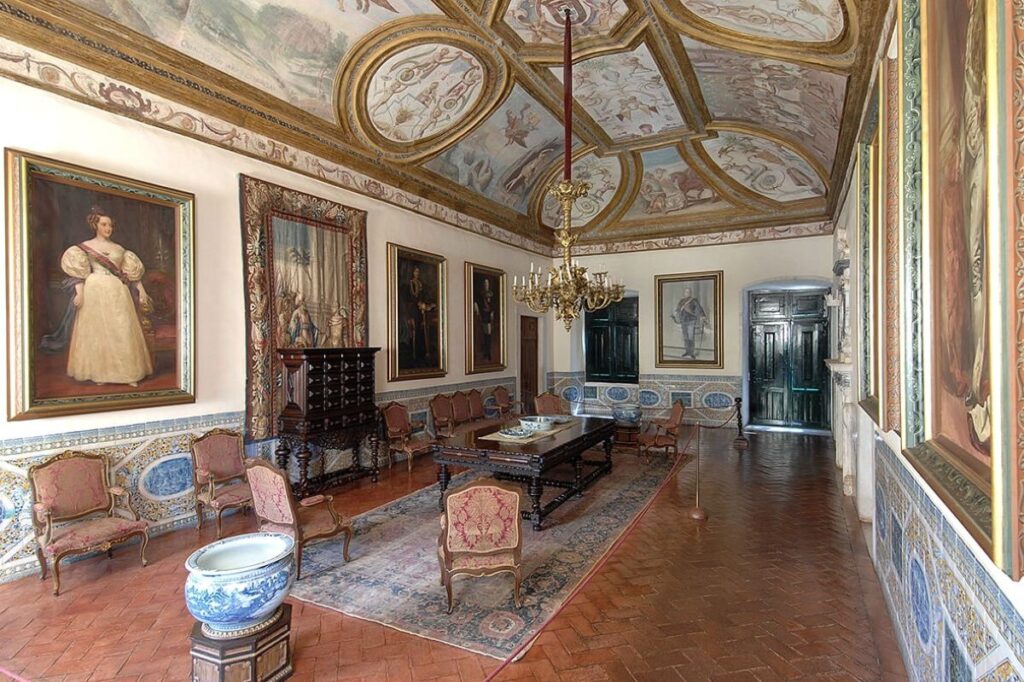
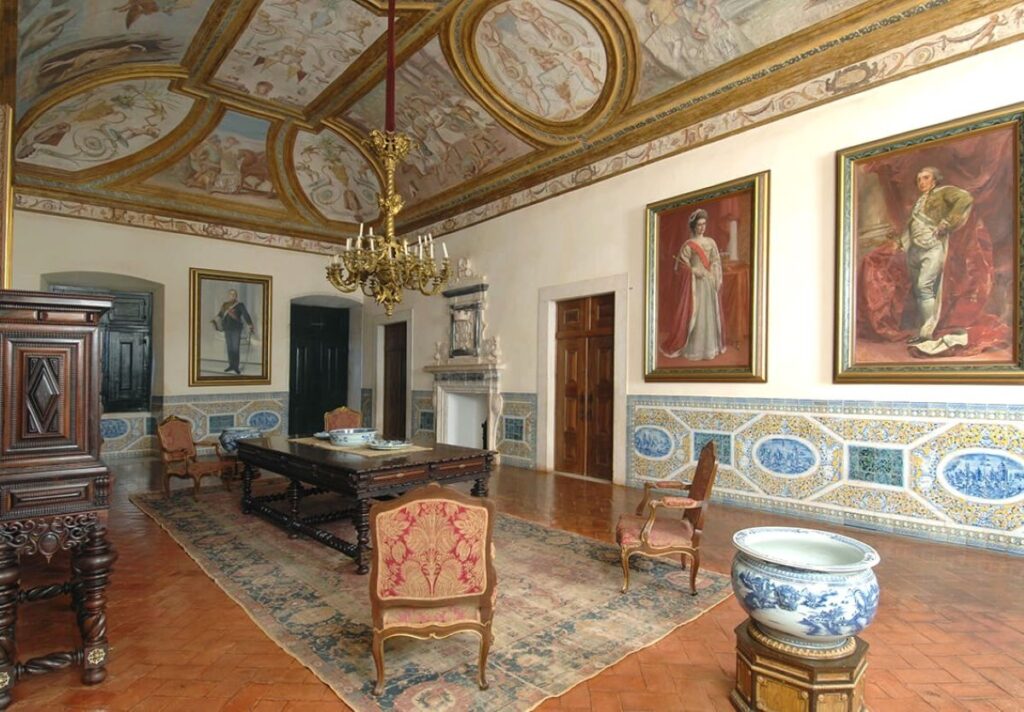
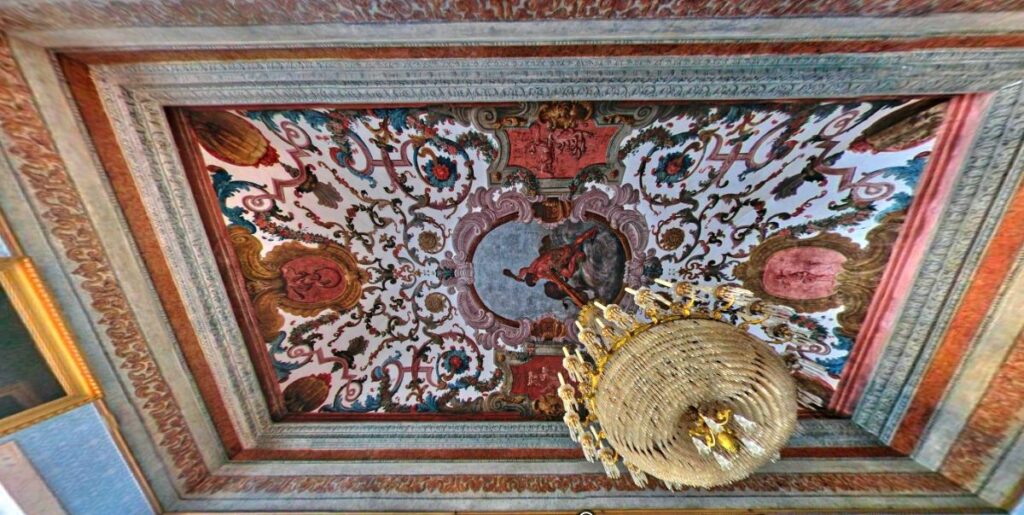
The ceiling frescoes, by Tomás Luís, depict the mythological story of Medusa and Perseus.
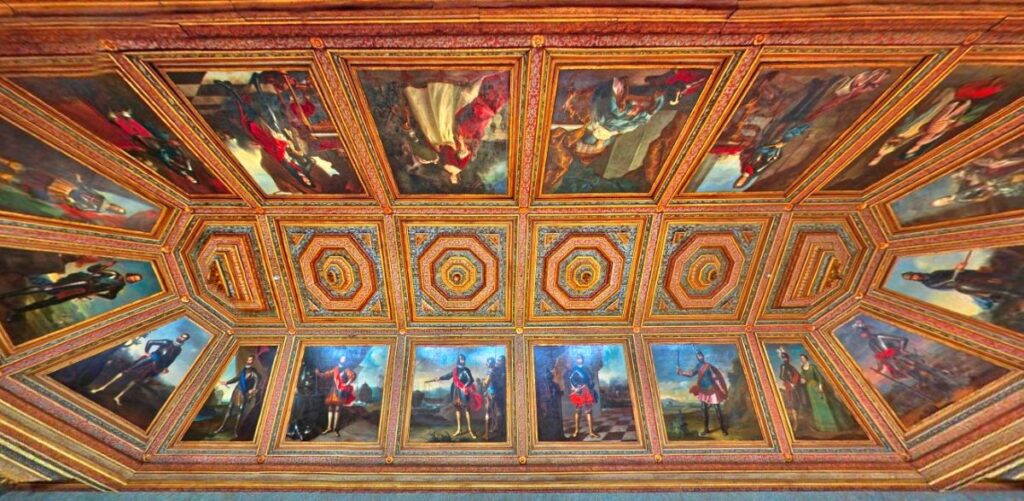
The Hall of the Dukes or the Tudescos is the grand hall and the largest room in the palace.
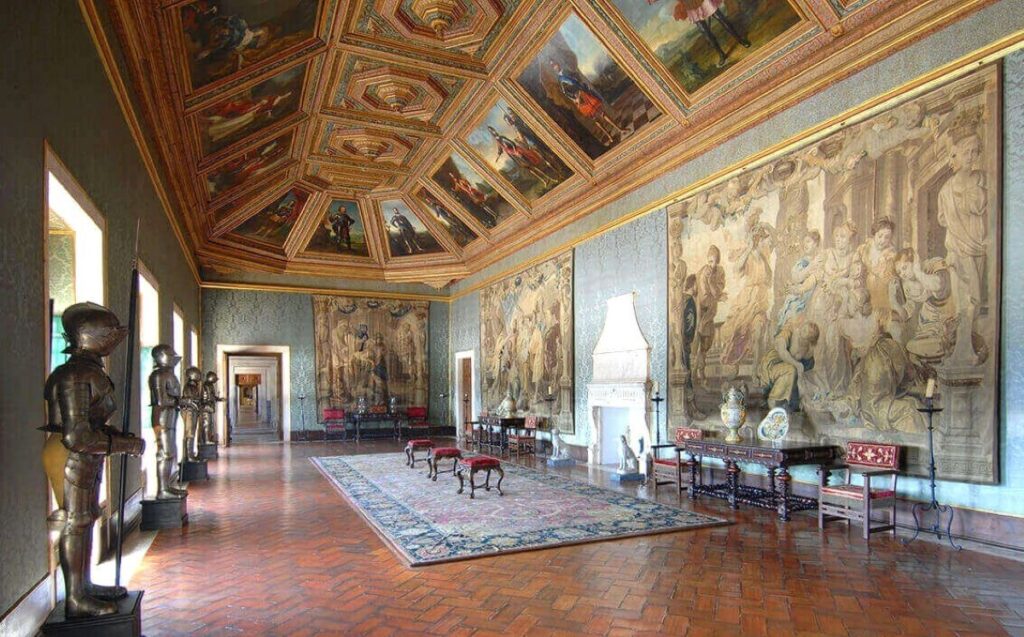
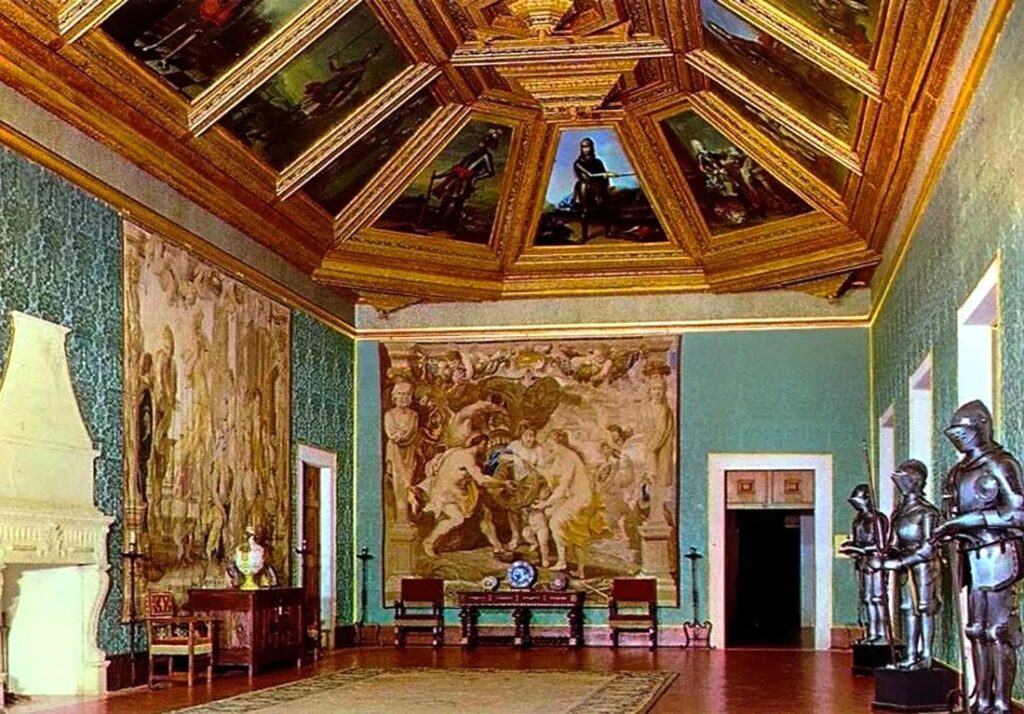
Late 18th-century dining room, designed by Queen Mary I.
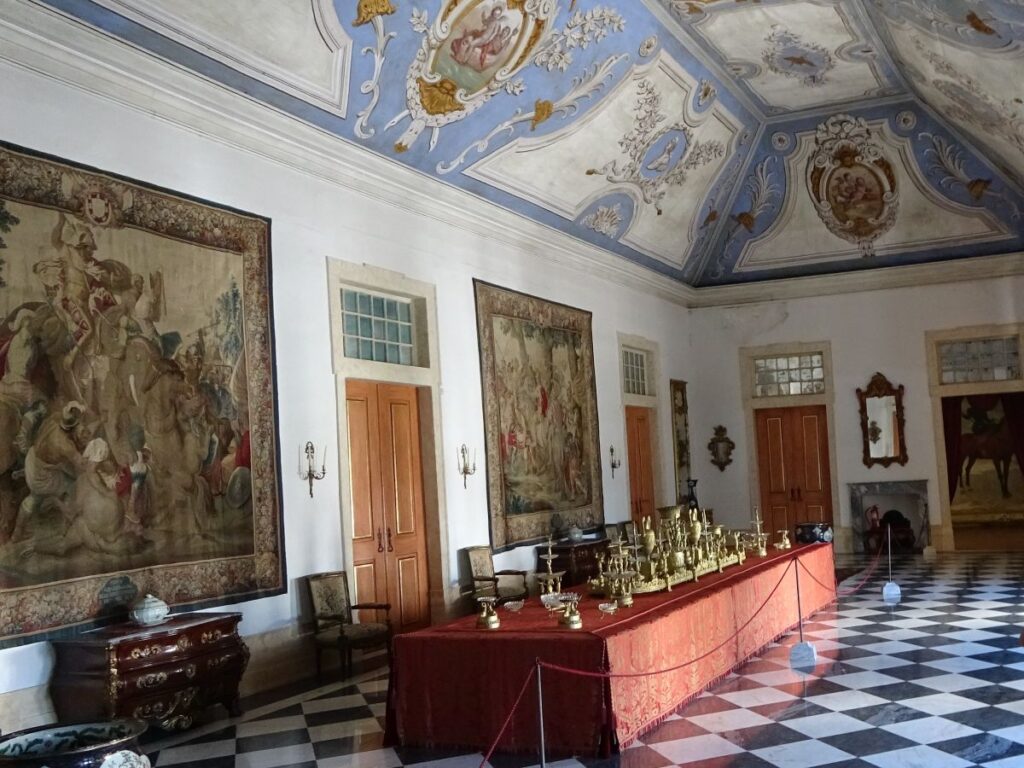
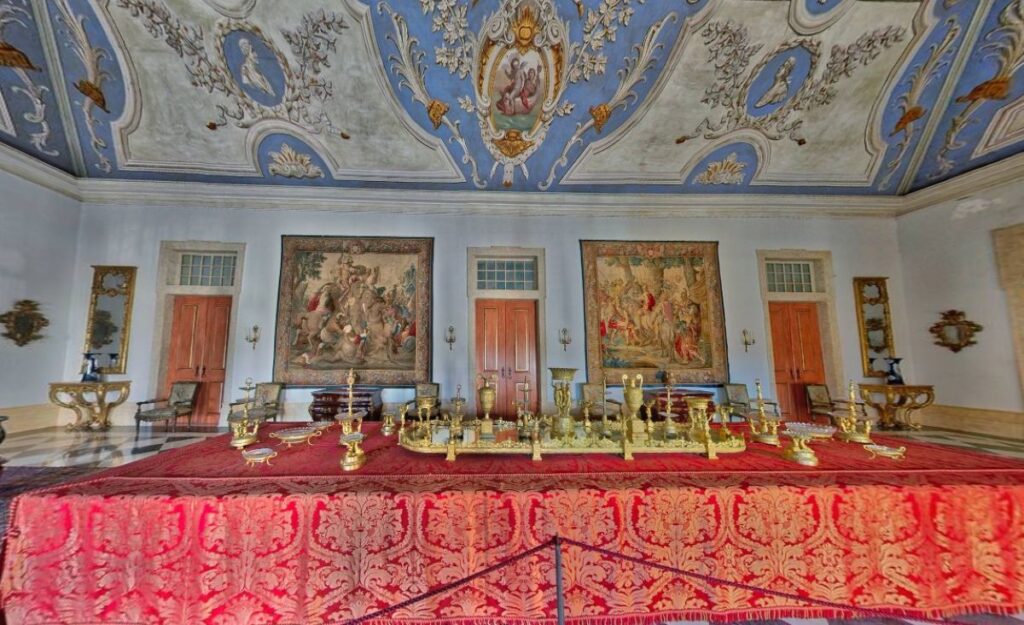
Below are Aubusson tapestries depicting episodes from the life of Alexander.
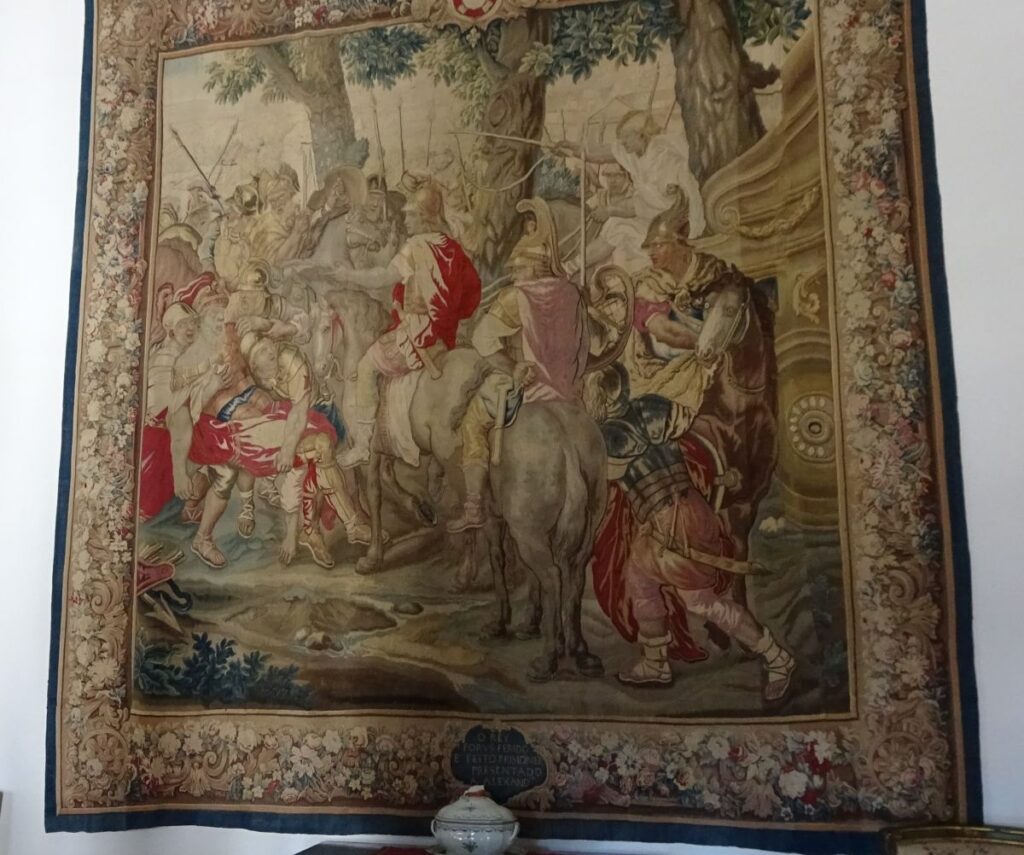
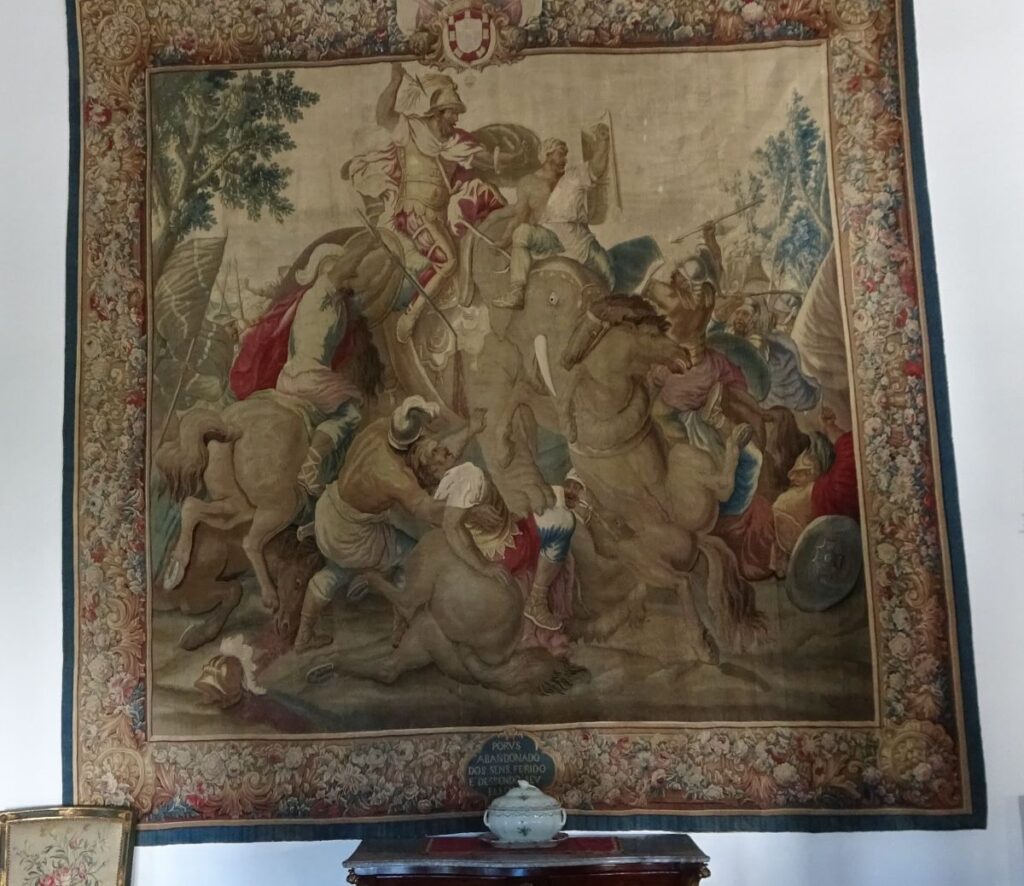
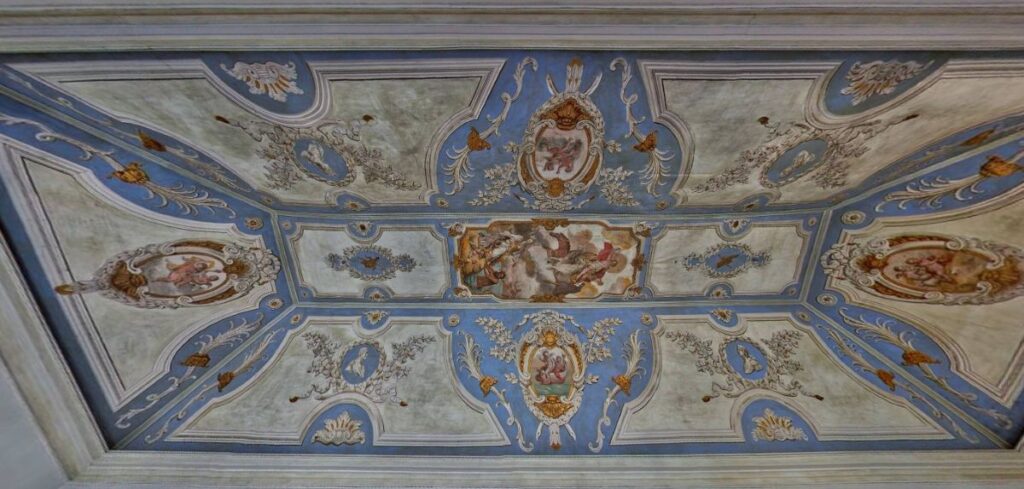
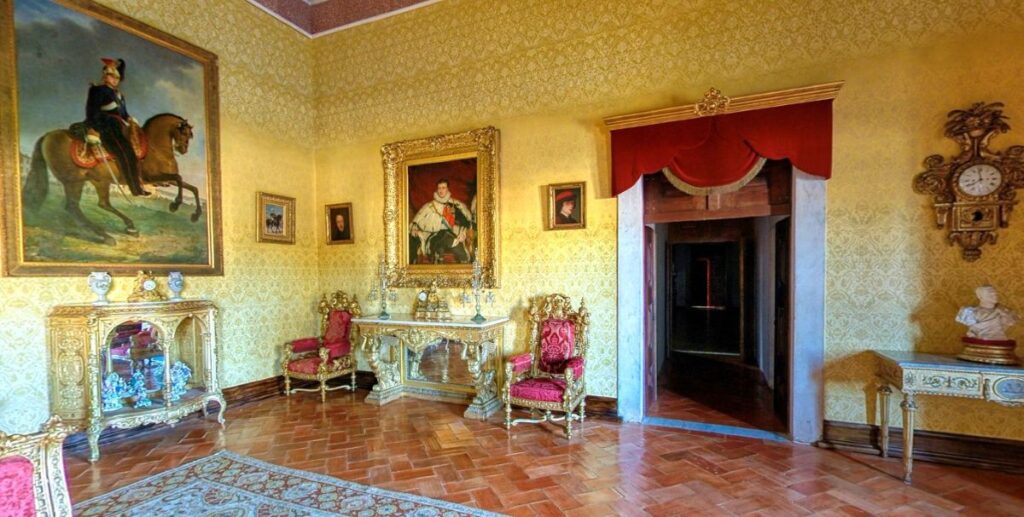
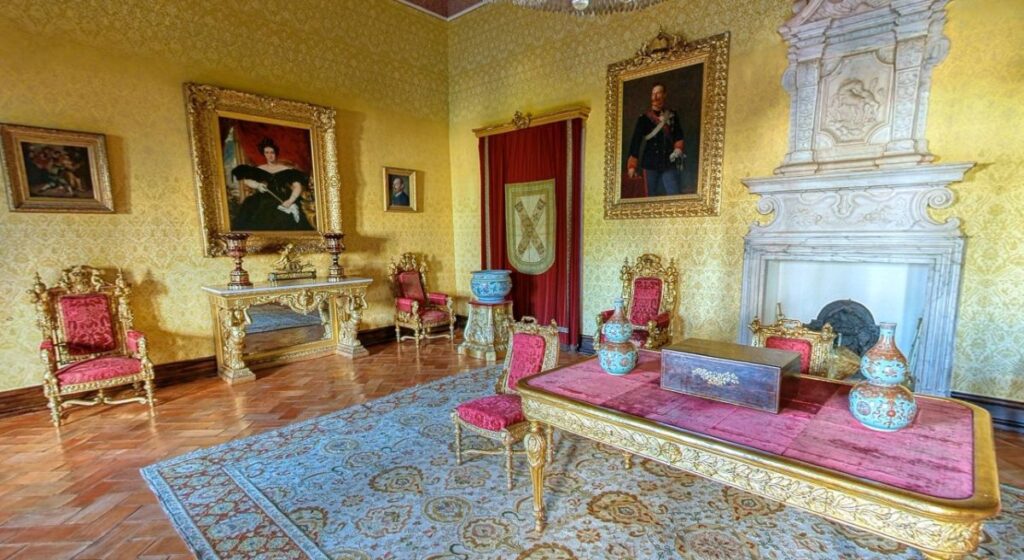
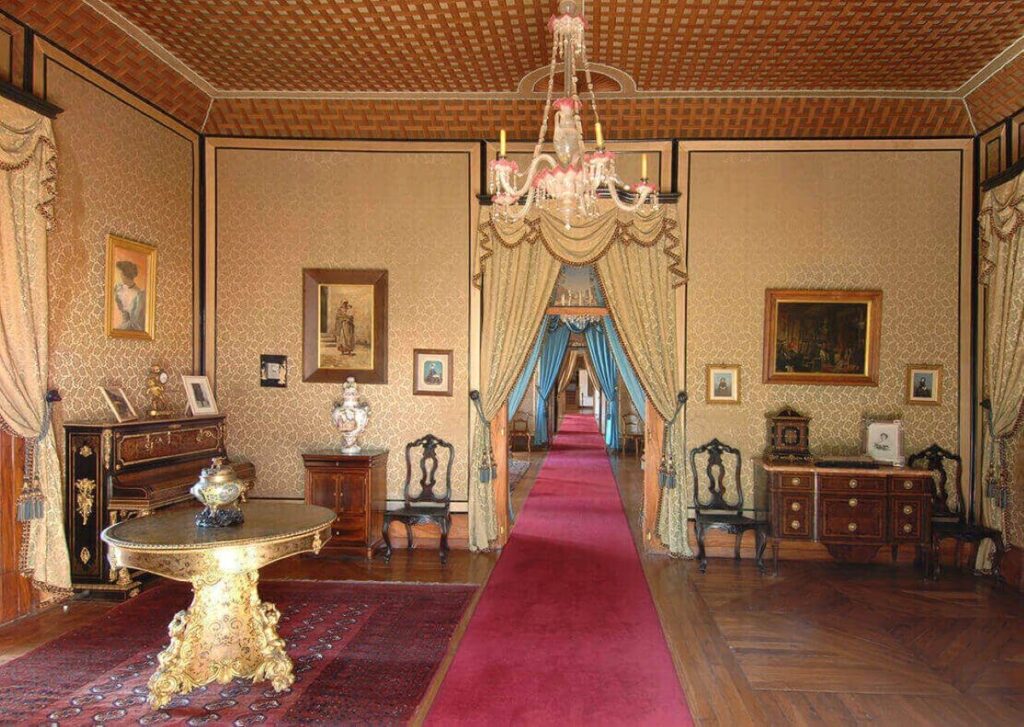
The Golden Room or the Duchess’s Room – these were the chambers of Lady Catherine, and the furnishings were brought from the Palace of Necessities.
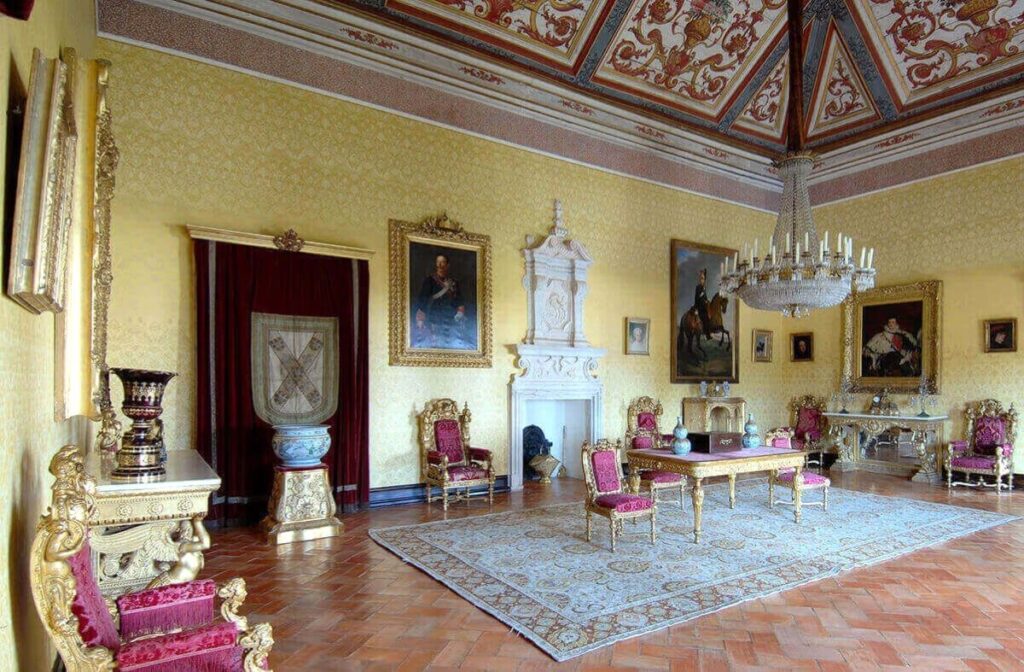
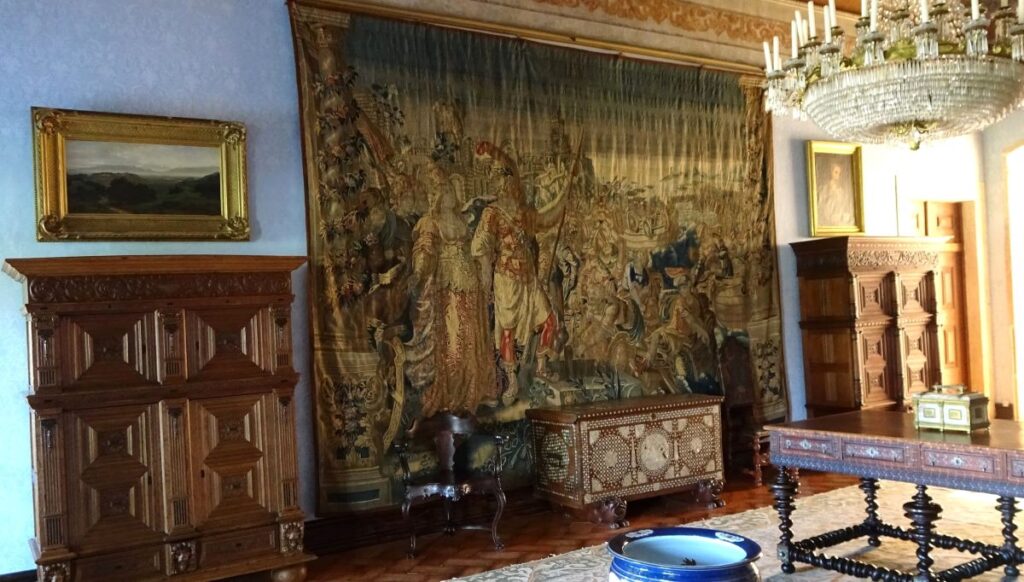
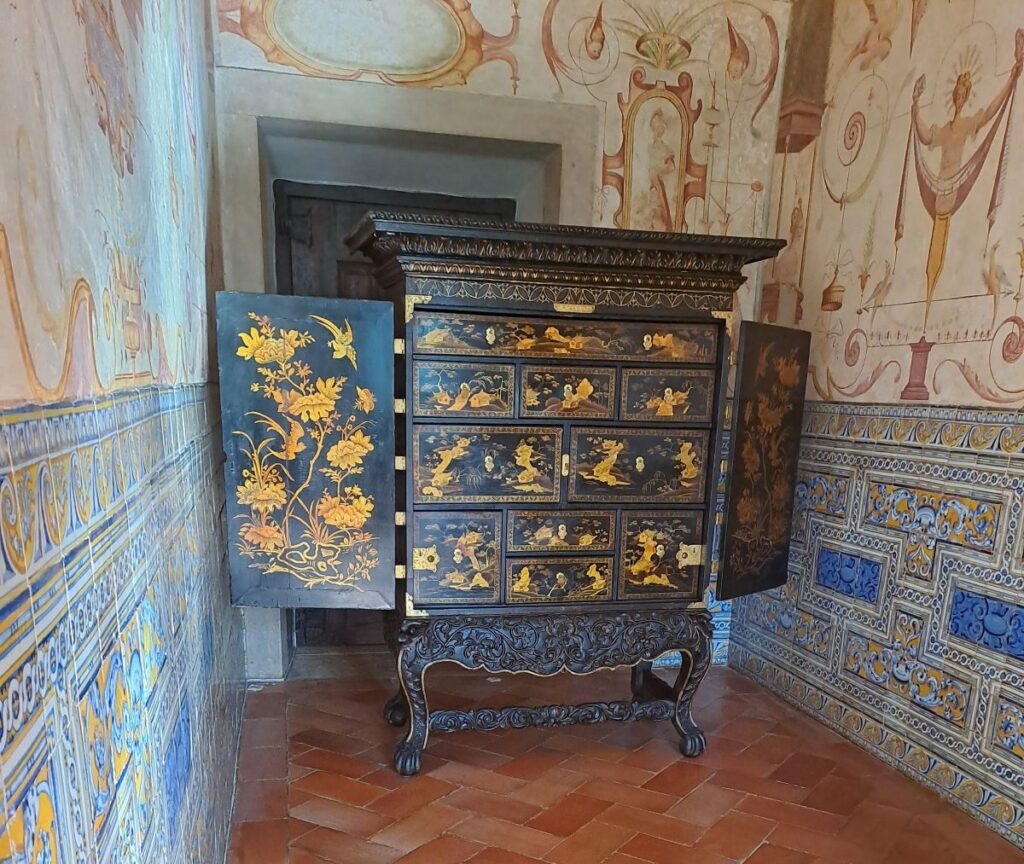
Hercules Room – 17th- and 18th-century Dutch cabinets and Domingos Sequeira’s painting ‘The Preaching of St John the Baptist’.
The Hall of Virtues – featuring 17th-century Gobelins tapestries depicting two episodes from the life of Moses. The bust is of King Ferdinand II.
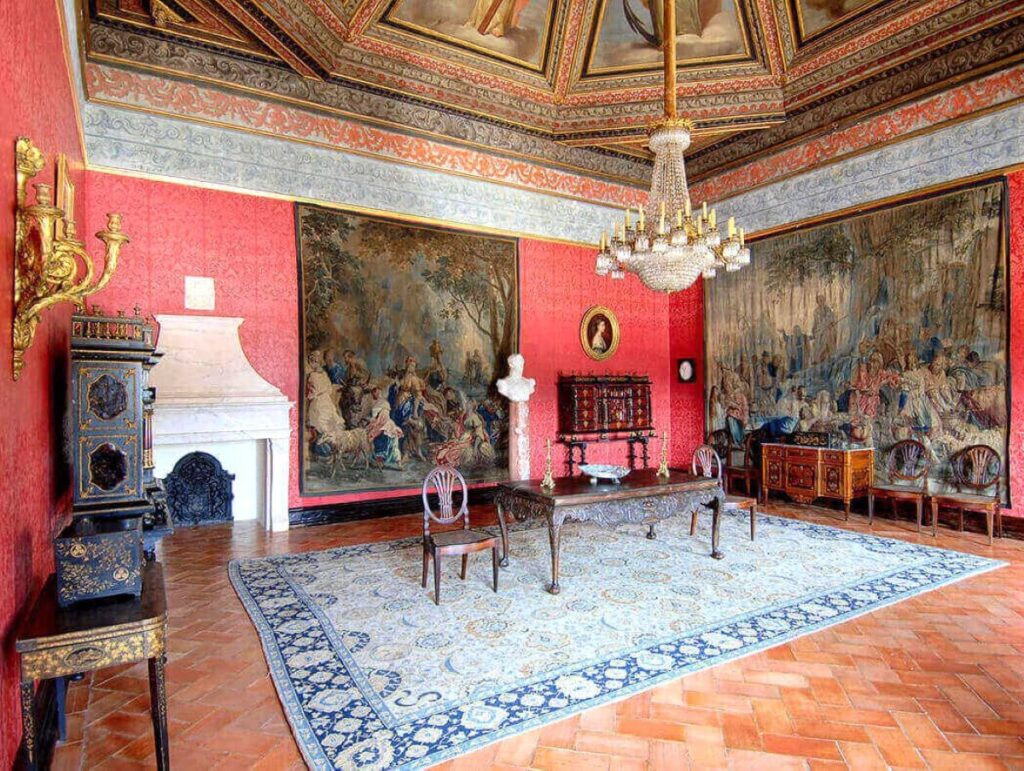
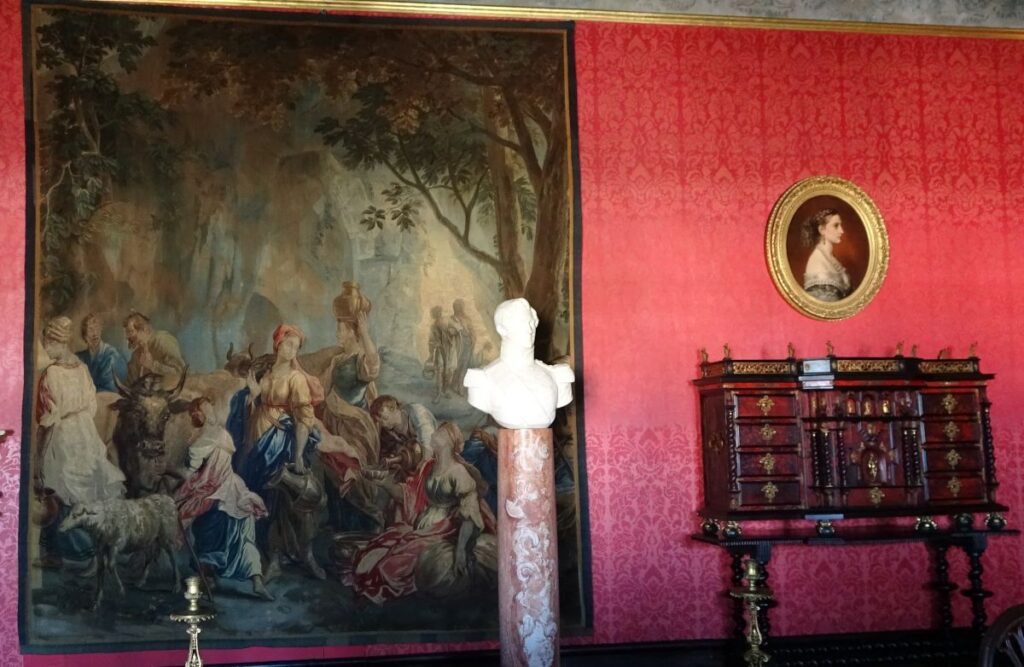
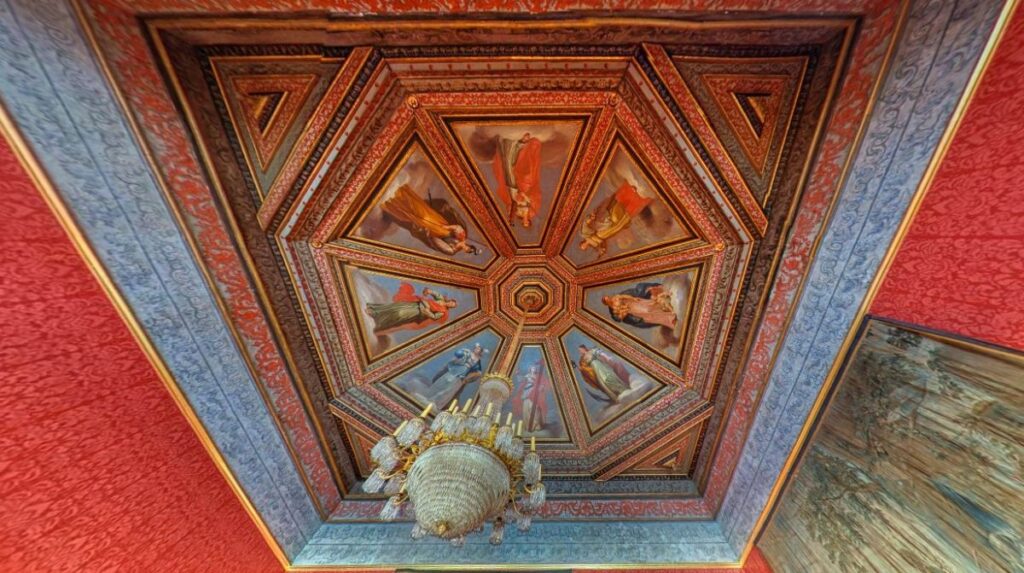
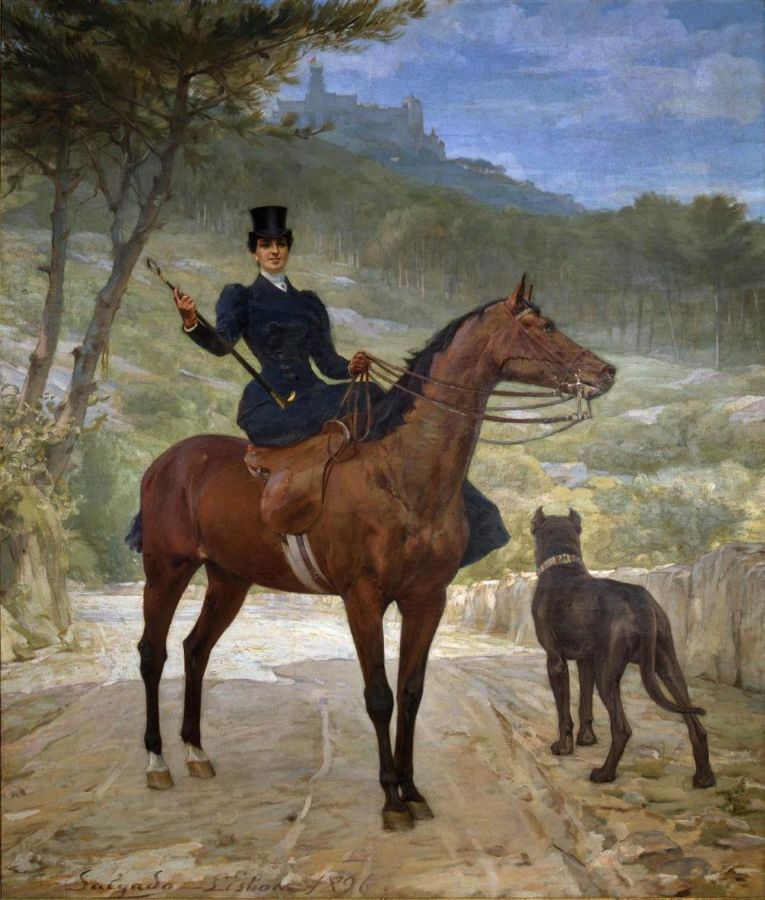
David’s Room or the Giant’s Room – featuring paintings of King Charles I, such as ‘The Cork Oak’ and ‘The Moroccan’. On the walls are rare 17th-century tiles from Talavera de la Reina.
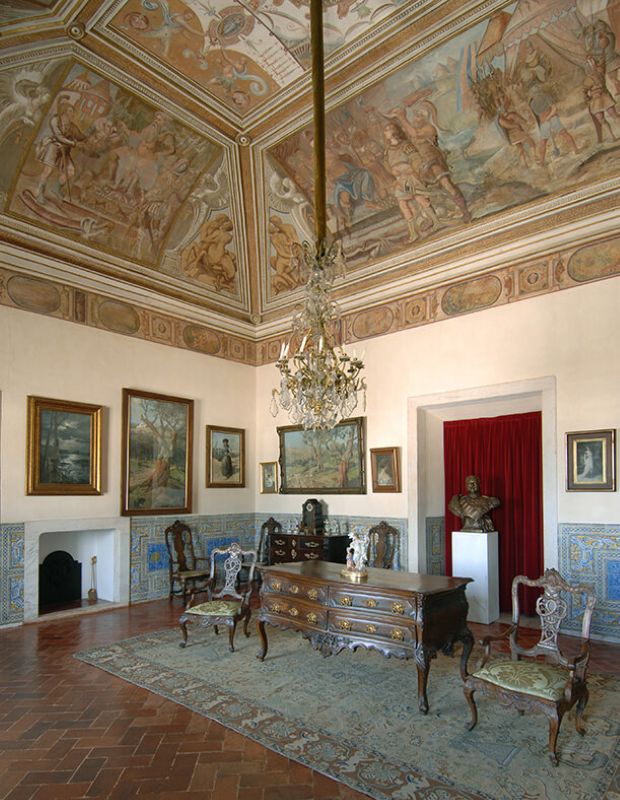
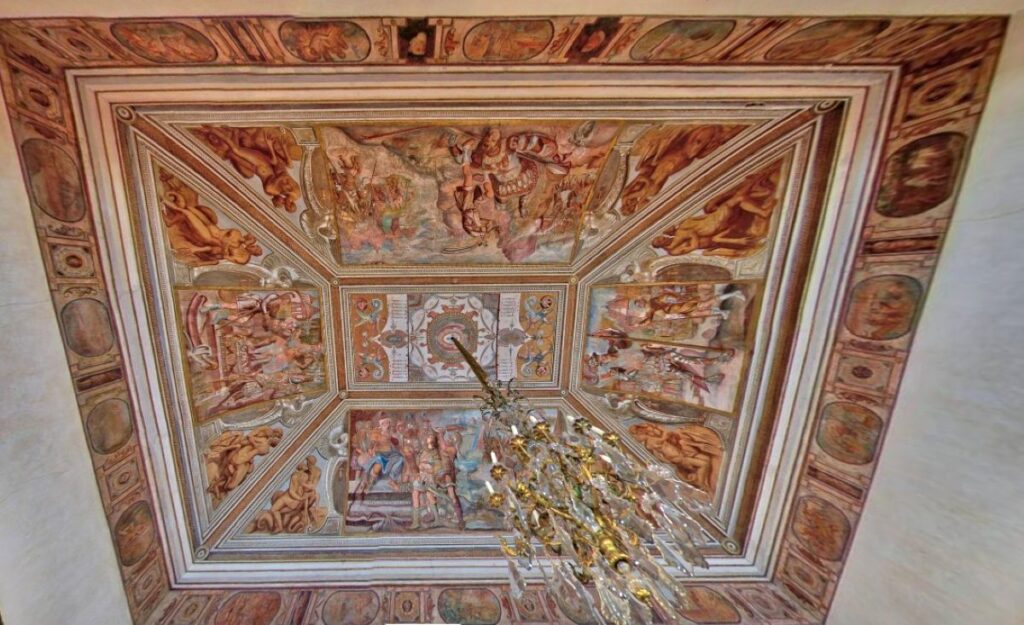
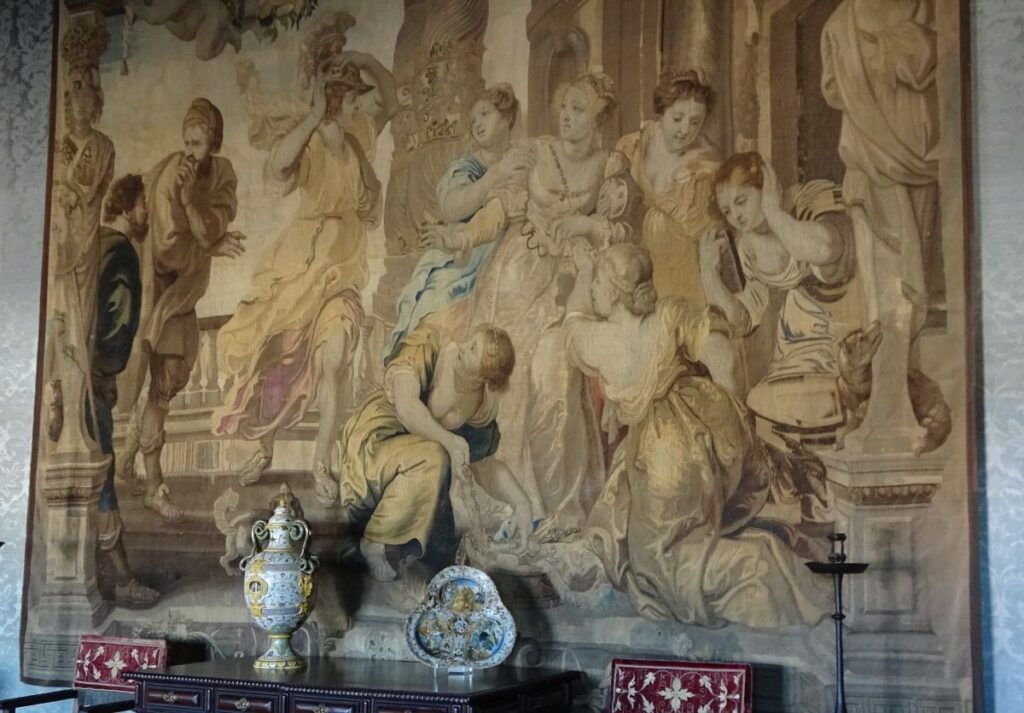
D. Duarte Room – A 17th-century tapestry on cardboard, created in Brussels by Paul Rubens.
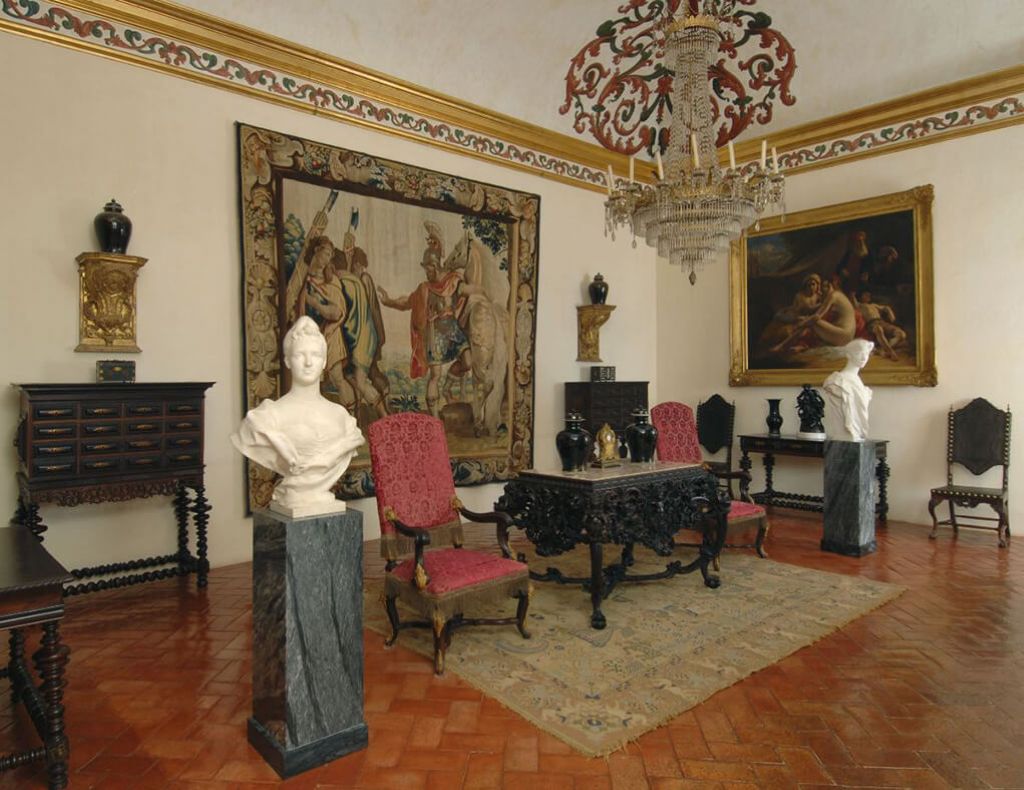
Indo-Portuguese Room
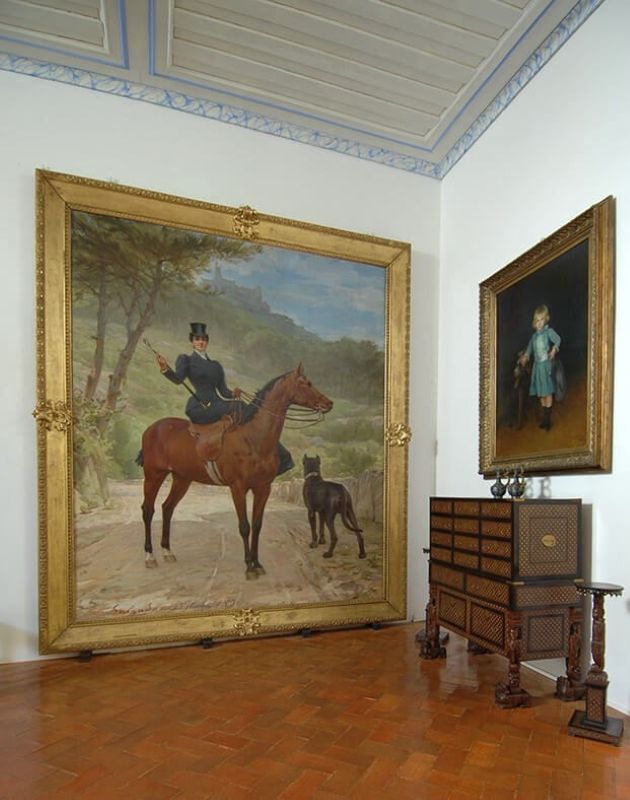
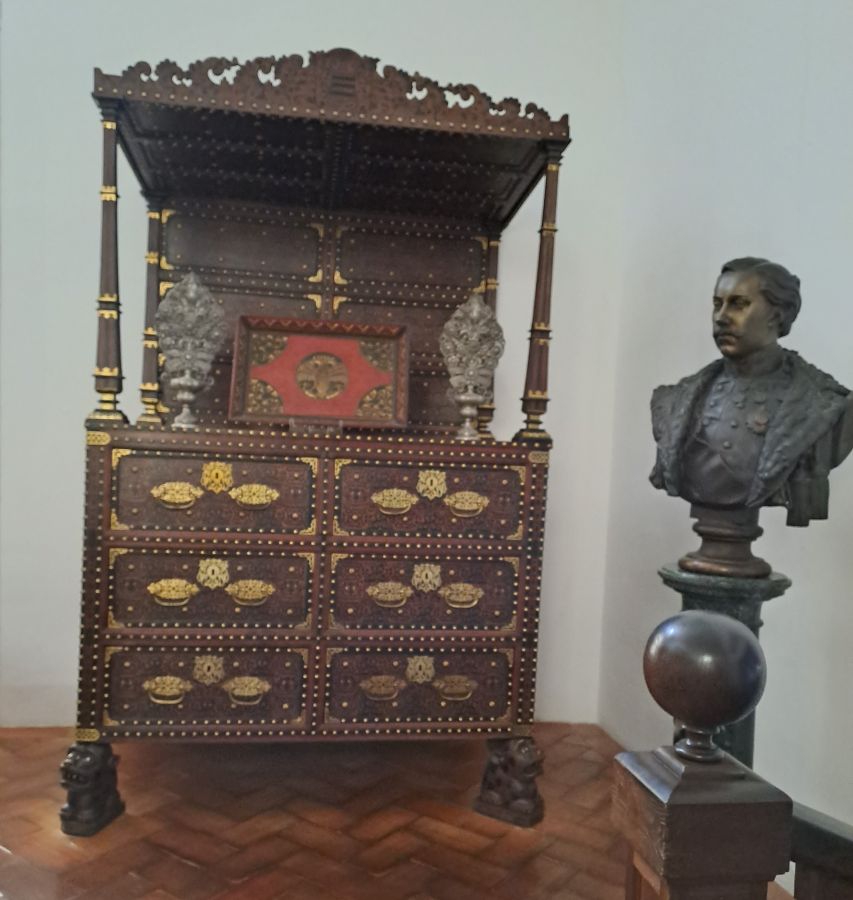
Small Gallery
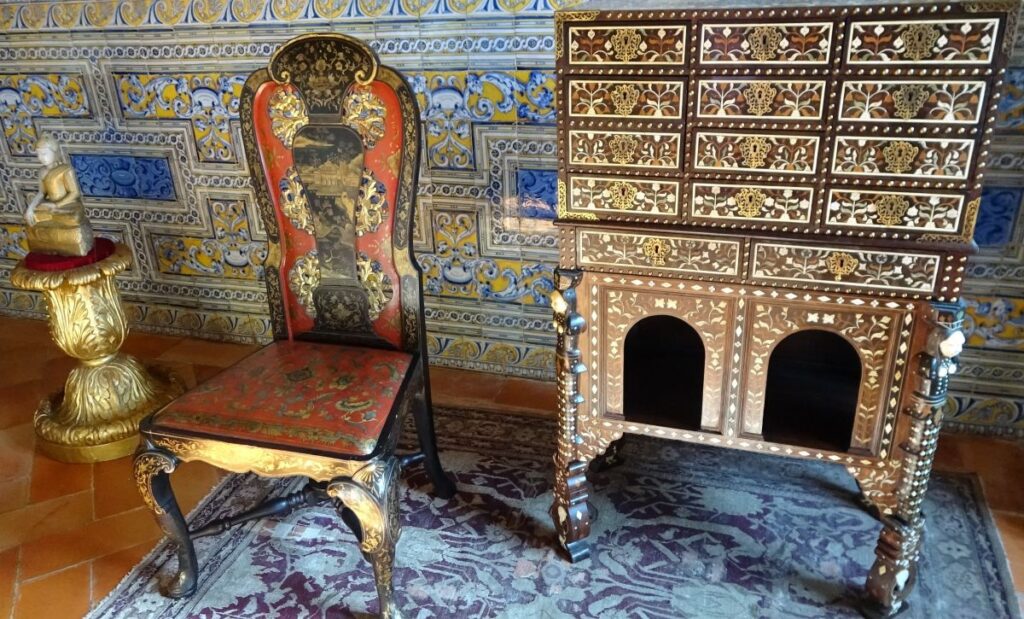
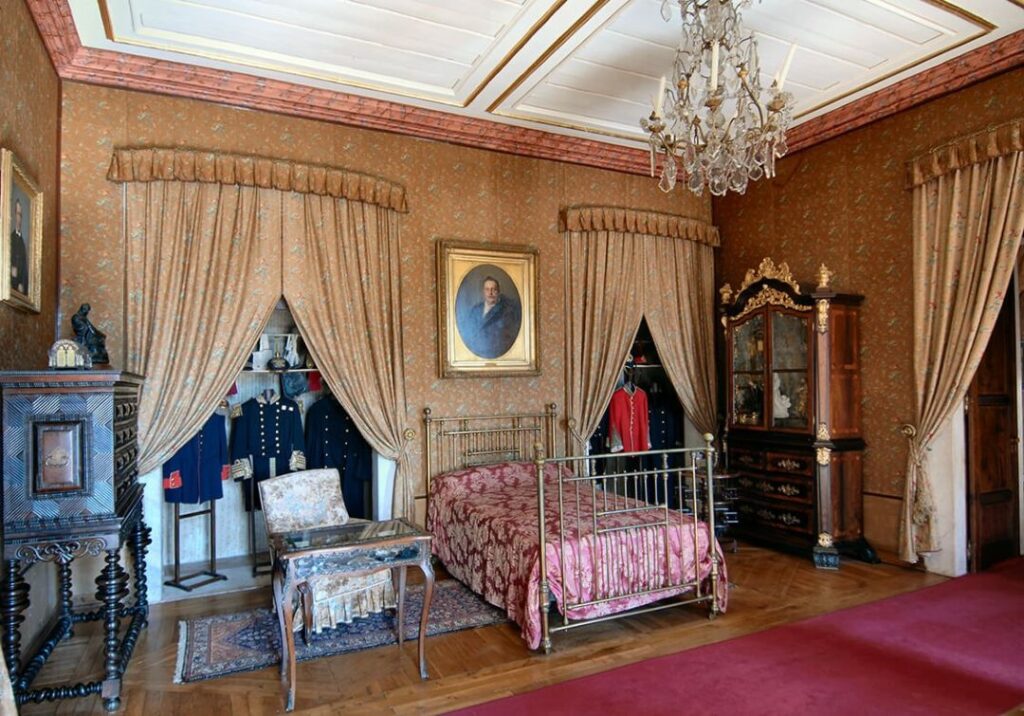
The King’s Room – the room where King Charles spent his last night before being assassinated and where some of his uniforms are on display.
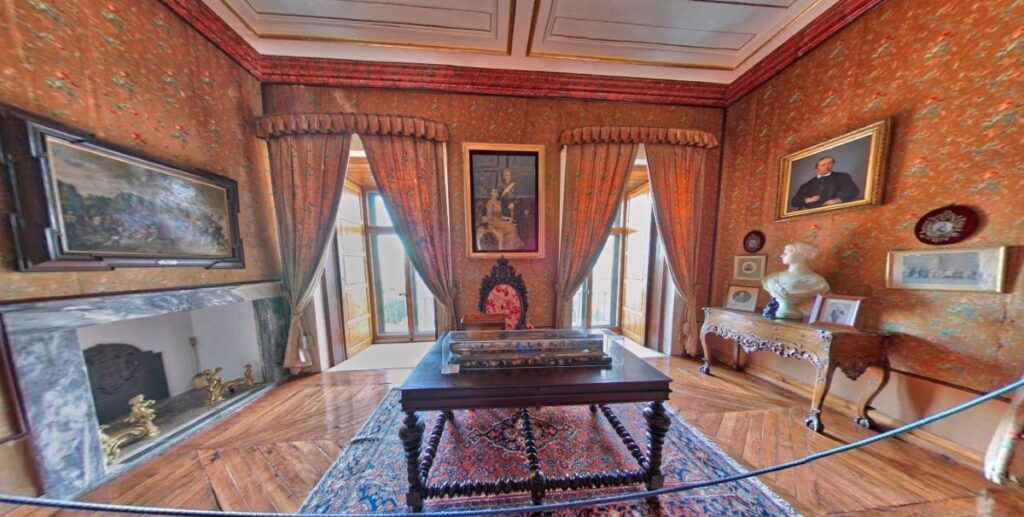
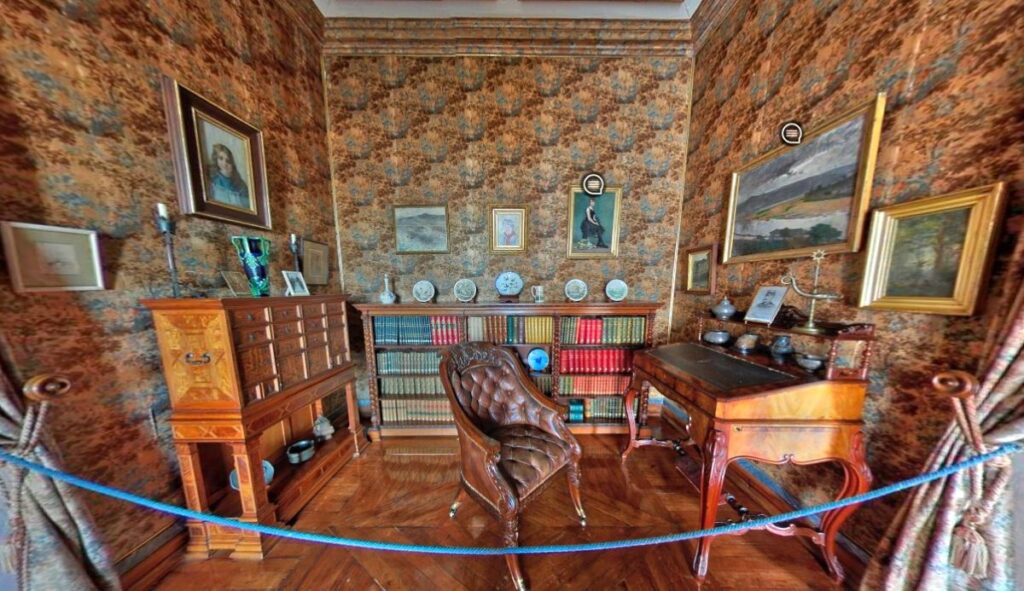
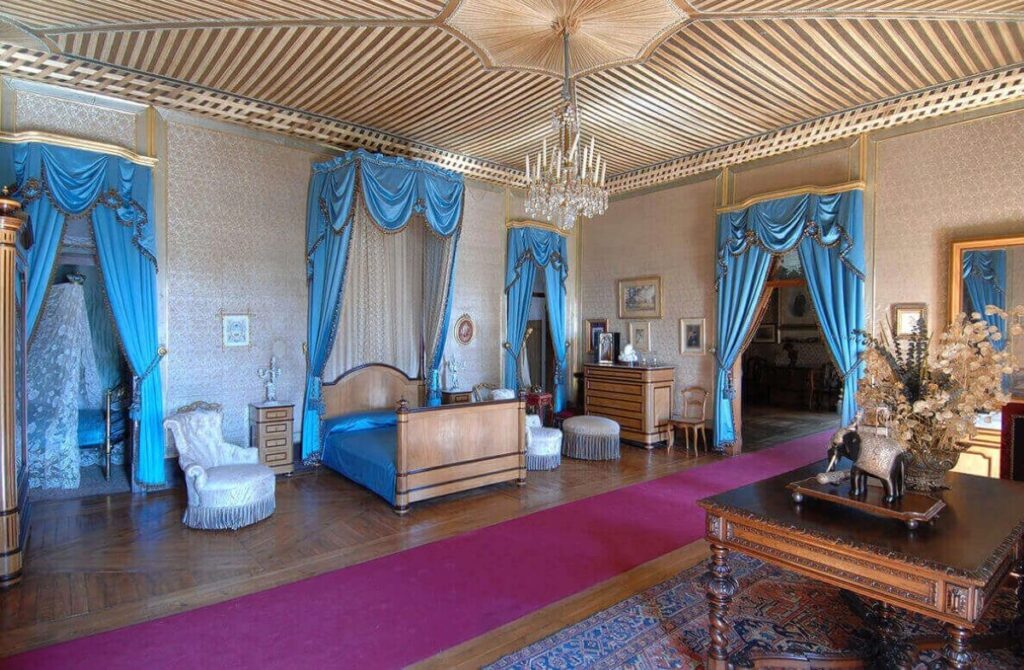
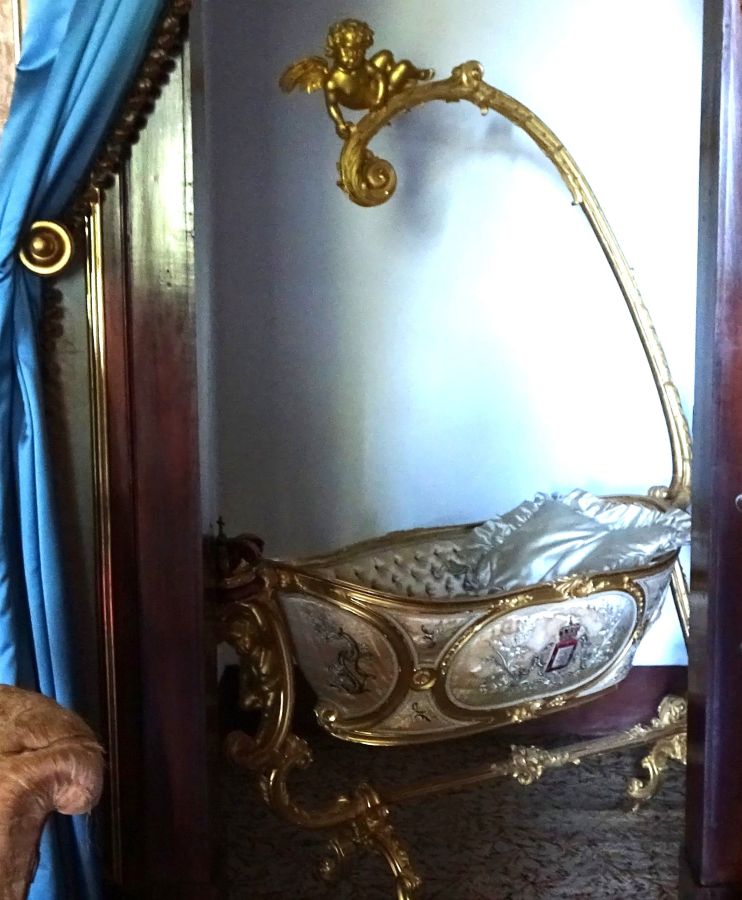
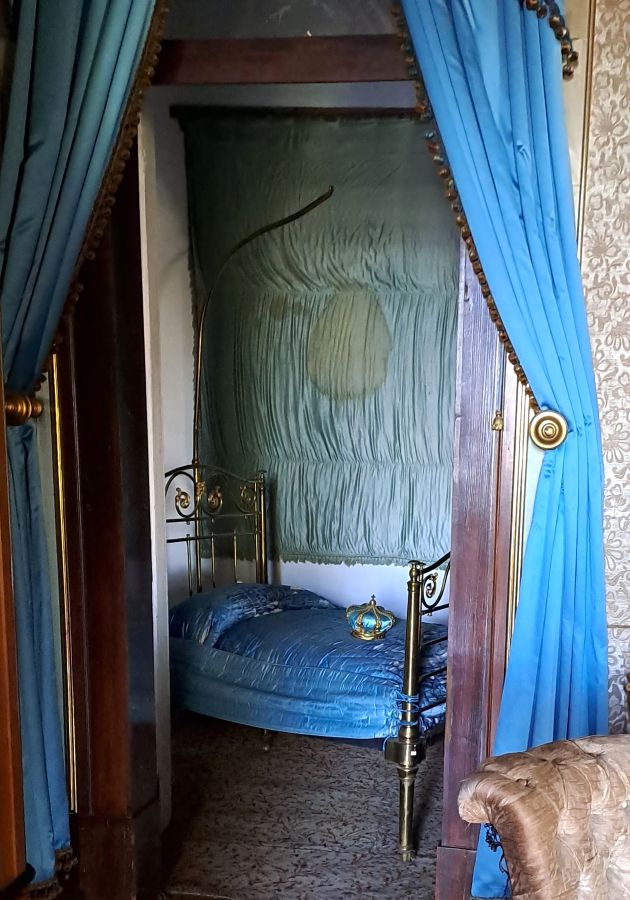
Queen Amelia’s bedroom
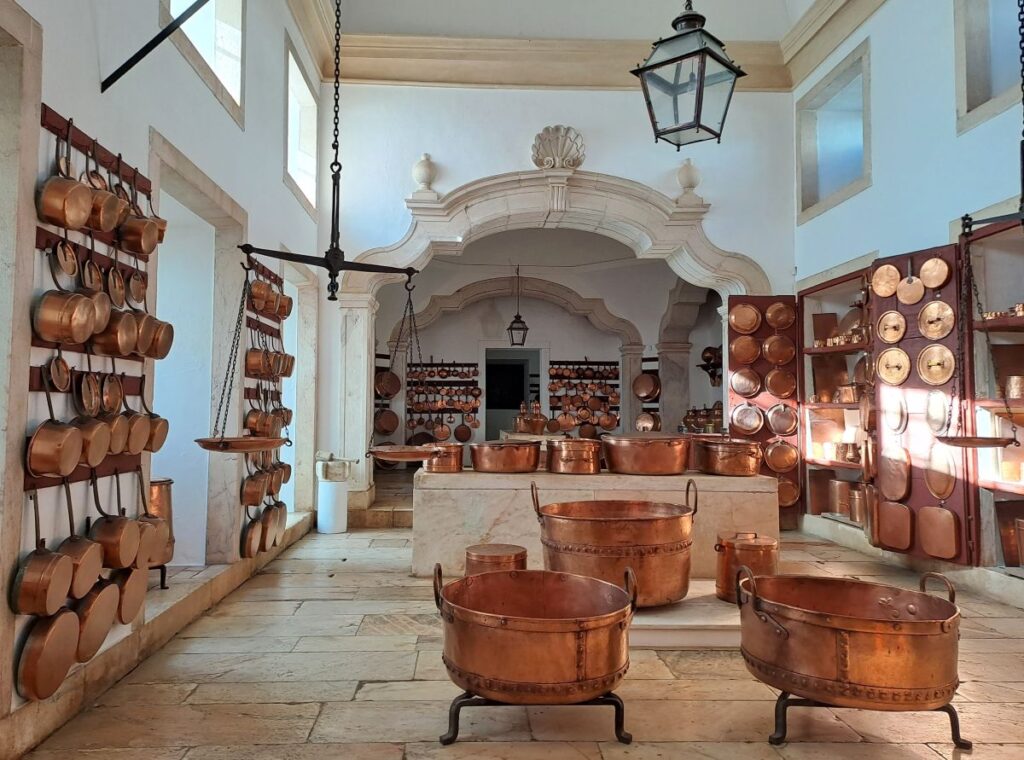
Kitchen – built in the second half of the 18th century, during the reign of King John V, it houses over 600 copper utensils spread across three distinct areas: the food preparation area, the oven and the barbecue.
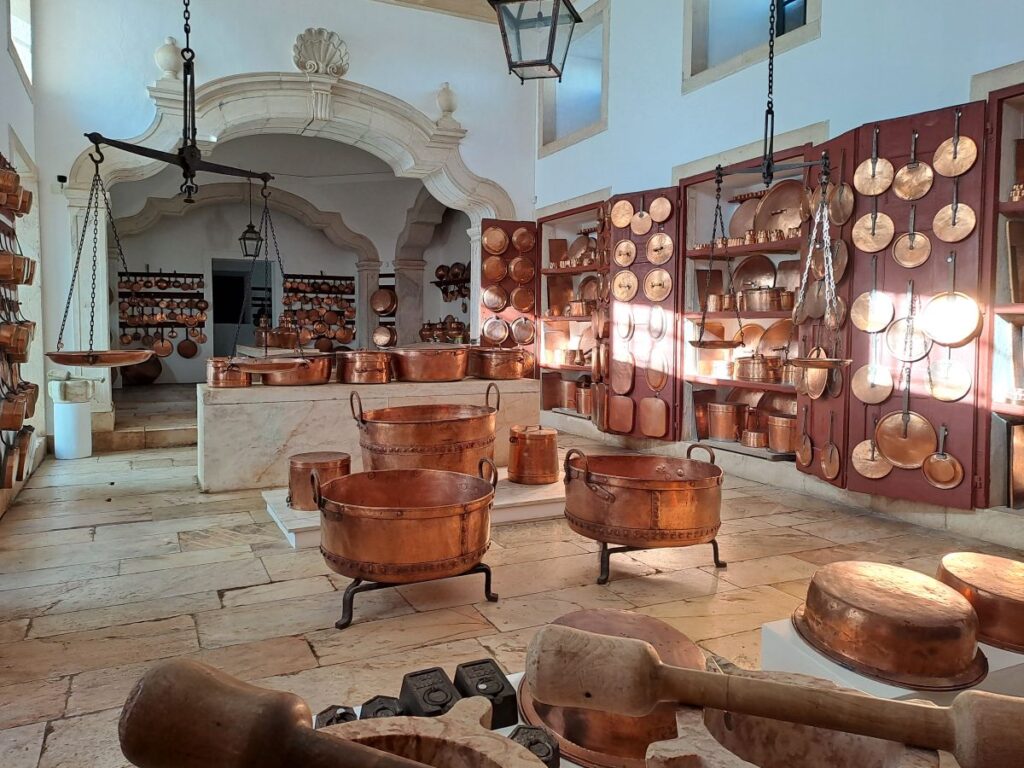
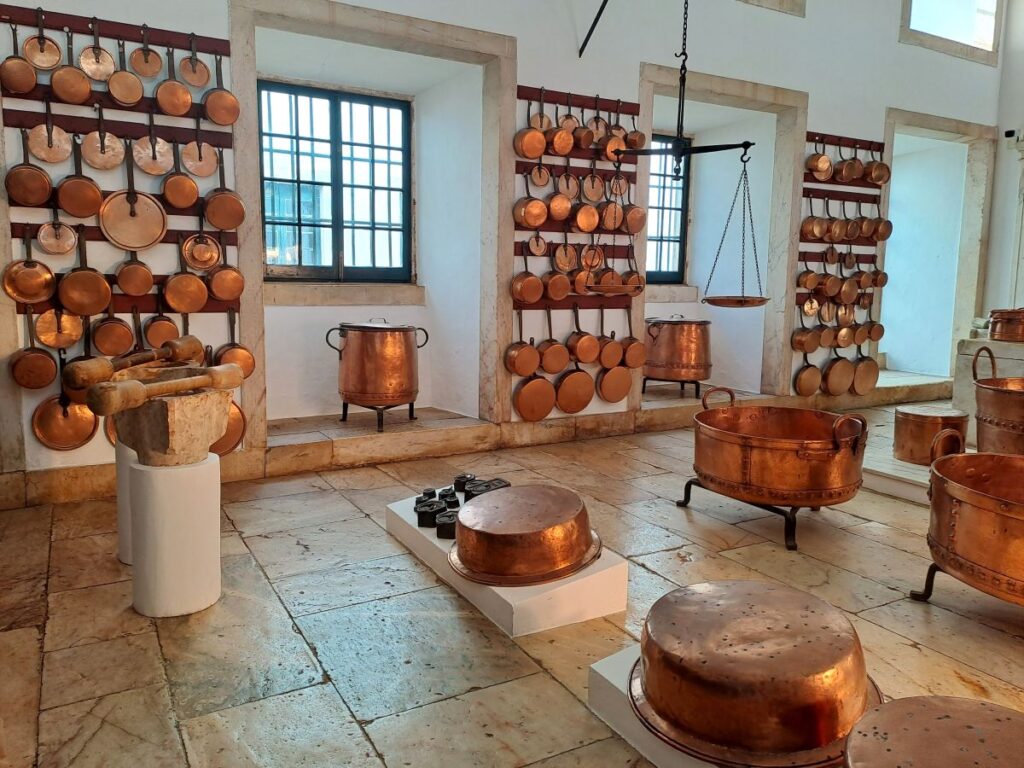
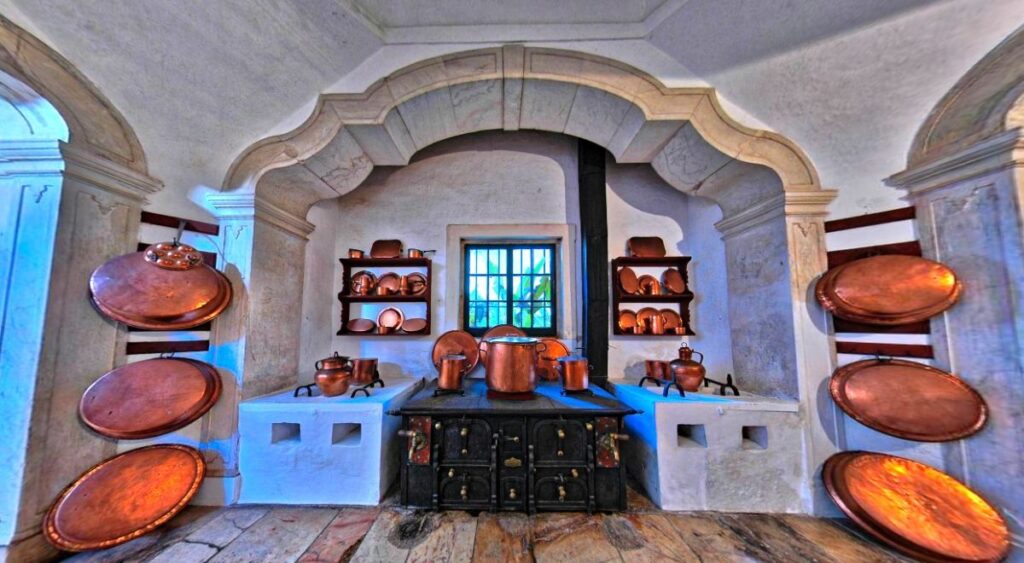
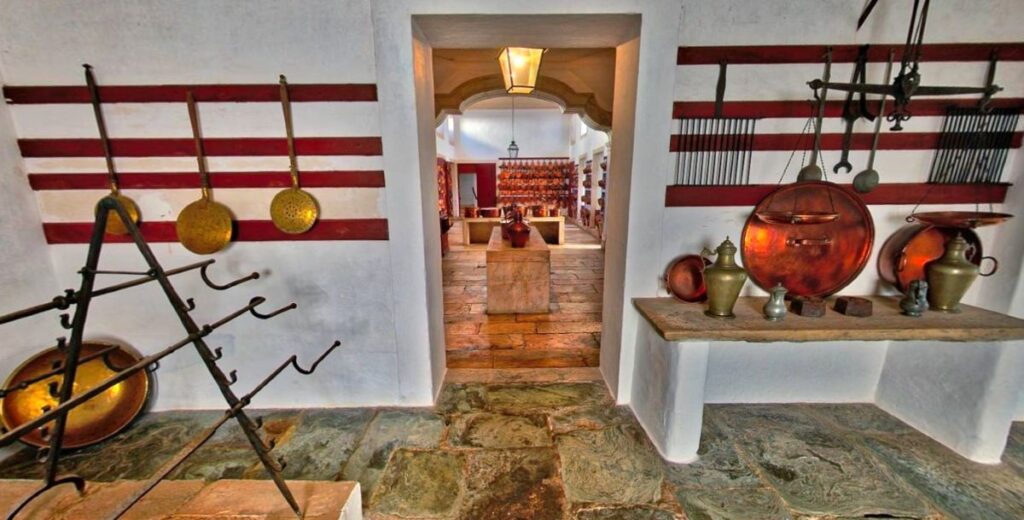
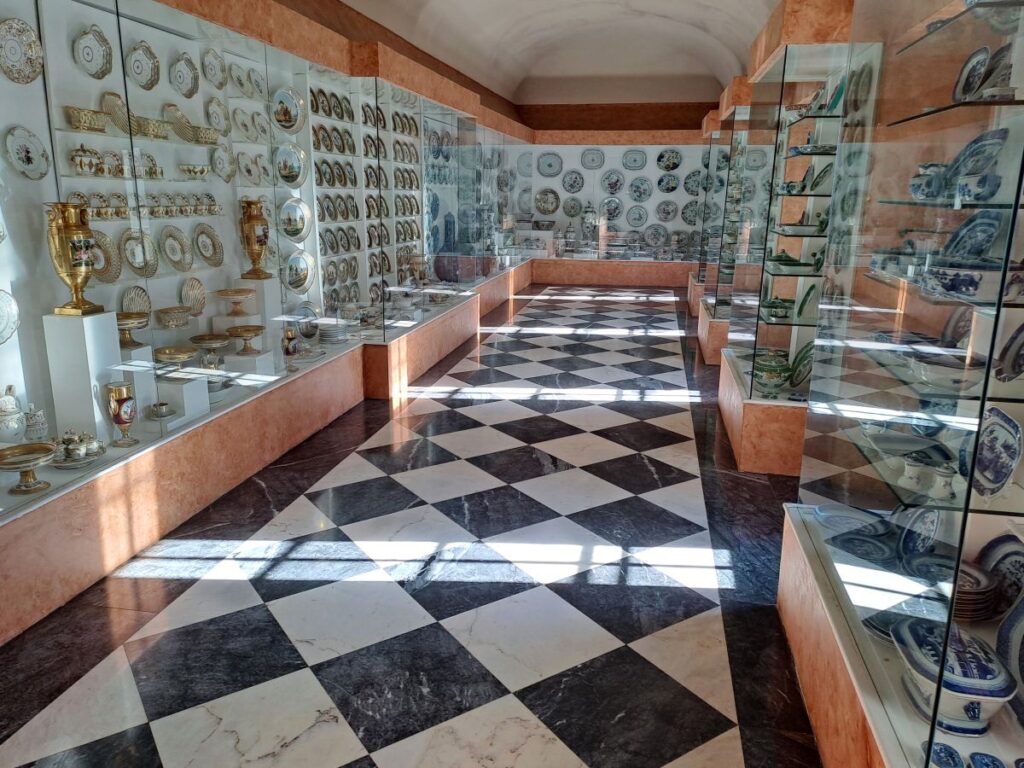
Porcelain Galleries – an exhibition of over a hundred pieces from China dating from the 12th to the 19th centuries, mainly from the 16th and 17th centuries, from the Amaral Cabral collection.
Estremoz
In Estremoz, we took a guided tour of the Berardo Museum, housed in the Tocha Palace, which boasts a remarkable collection of tiles. There, we learnt about the techniques, designs and production methods of tiles from ancient Persia, through Dutch, Italian and Japanese styles, and particularly those of Al-Andalus and the Portuguese period of the 16th and 17th centuries, right up to the present day – in other words, the history of tile-making over the last eight centuries.
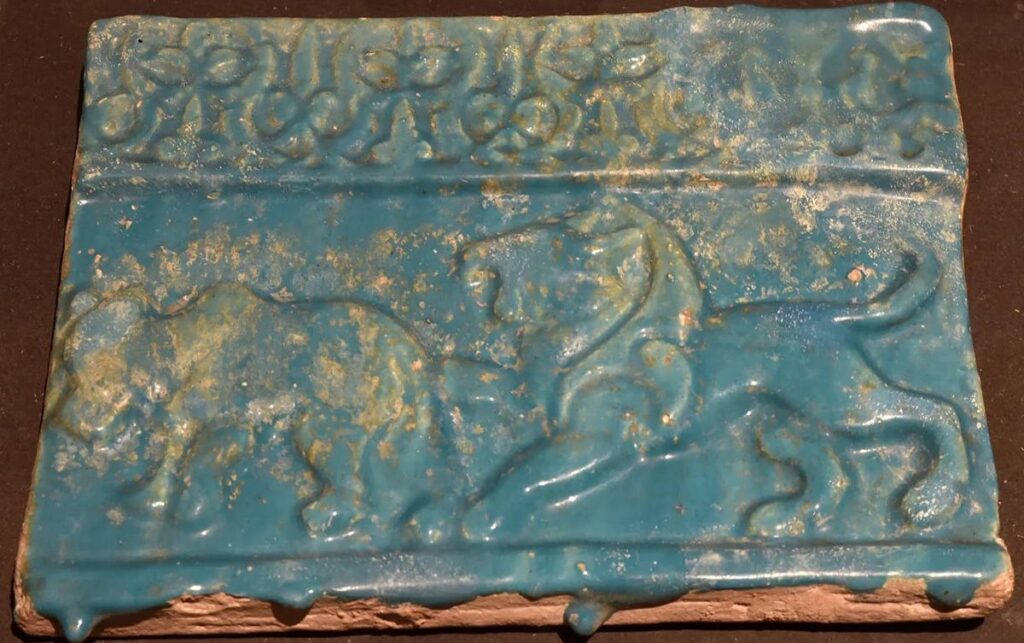
We began our tour on the ground floor with Islamic art.
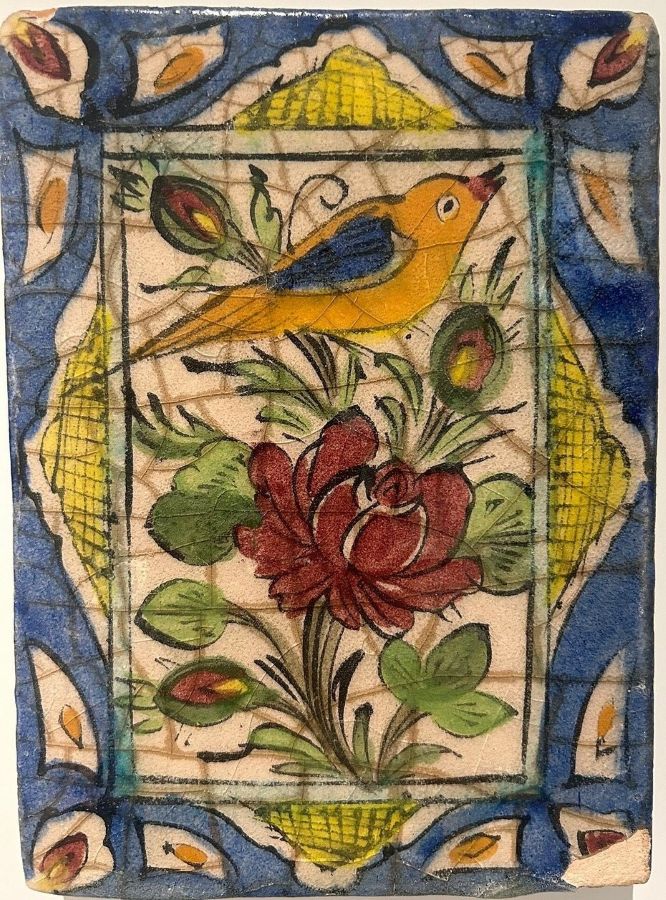
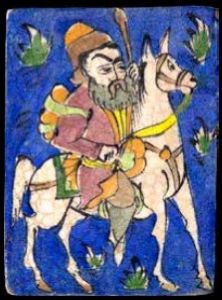
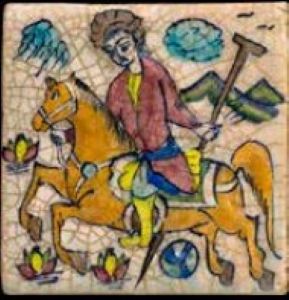
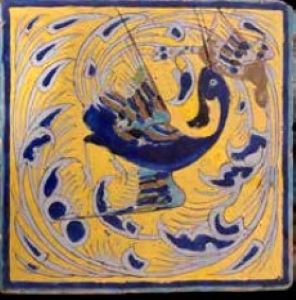
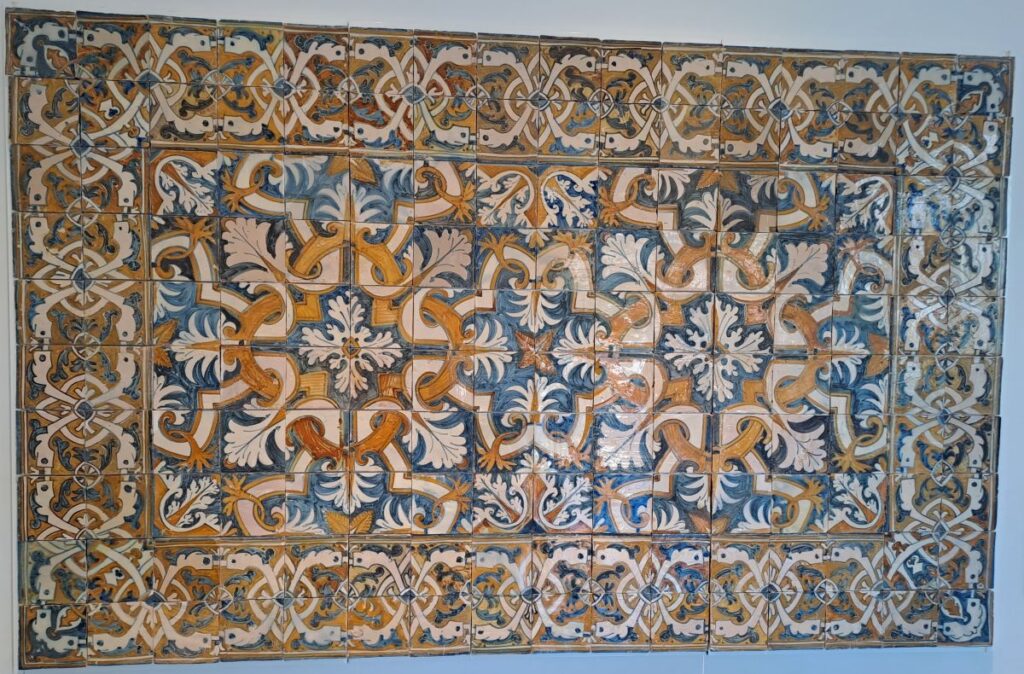
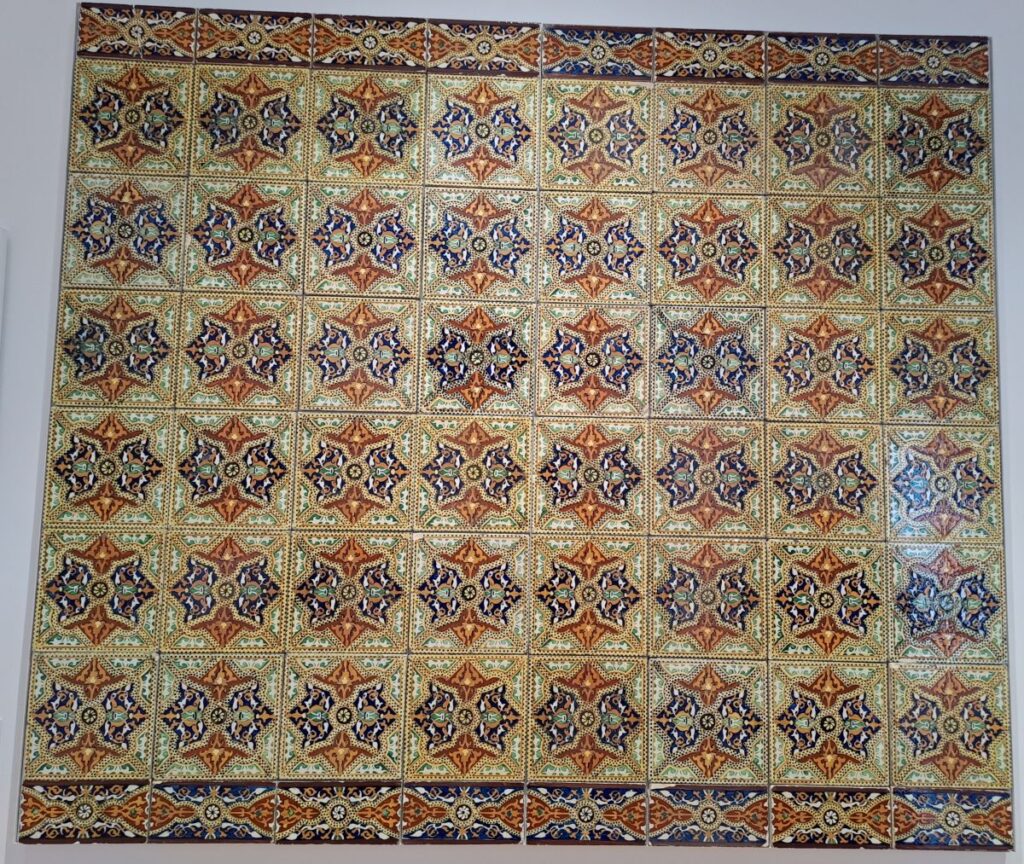
This was followed by the legacy of Al-Andalus.
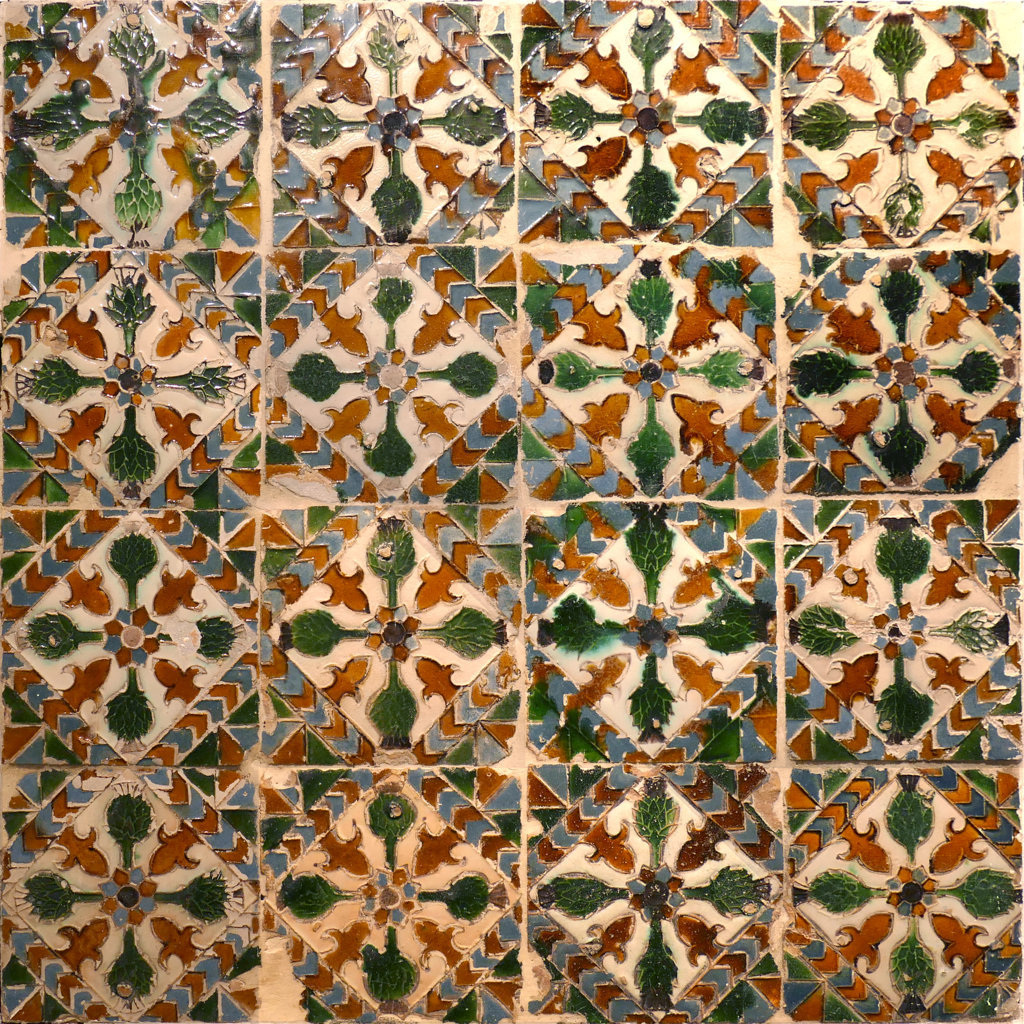
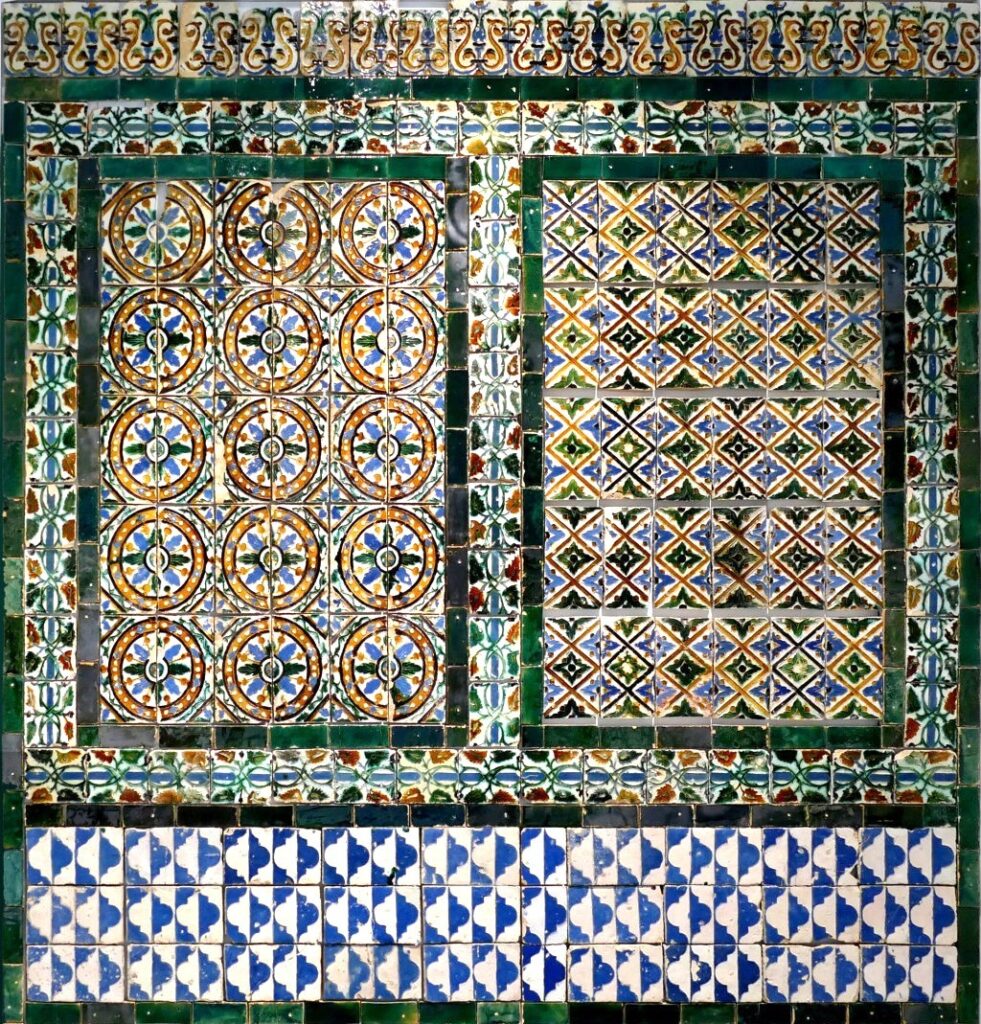
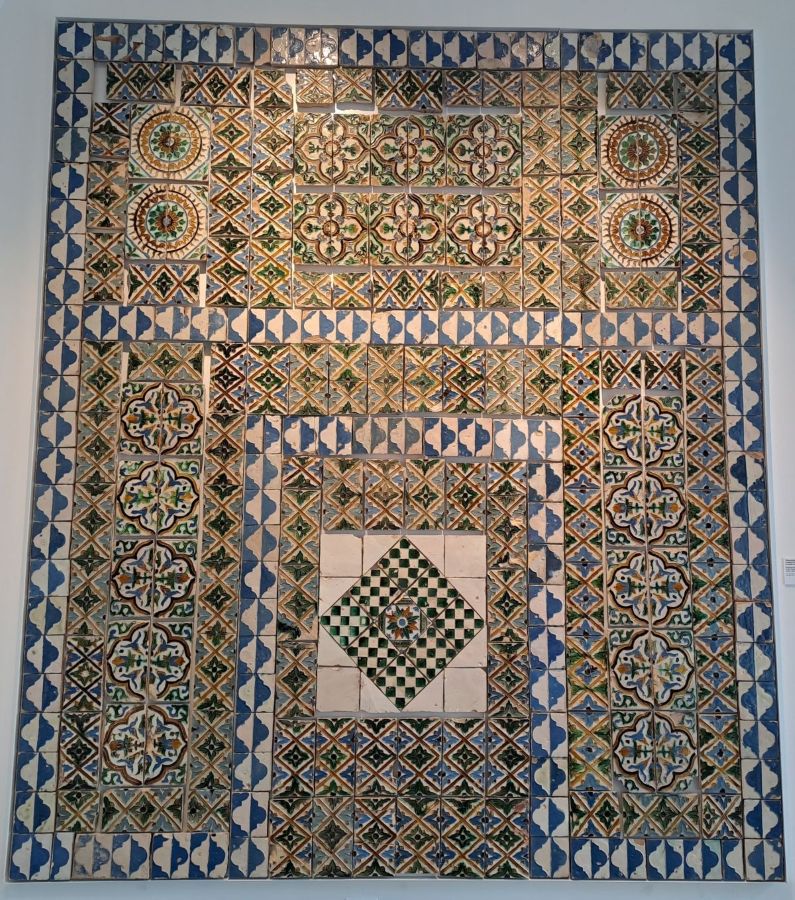
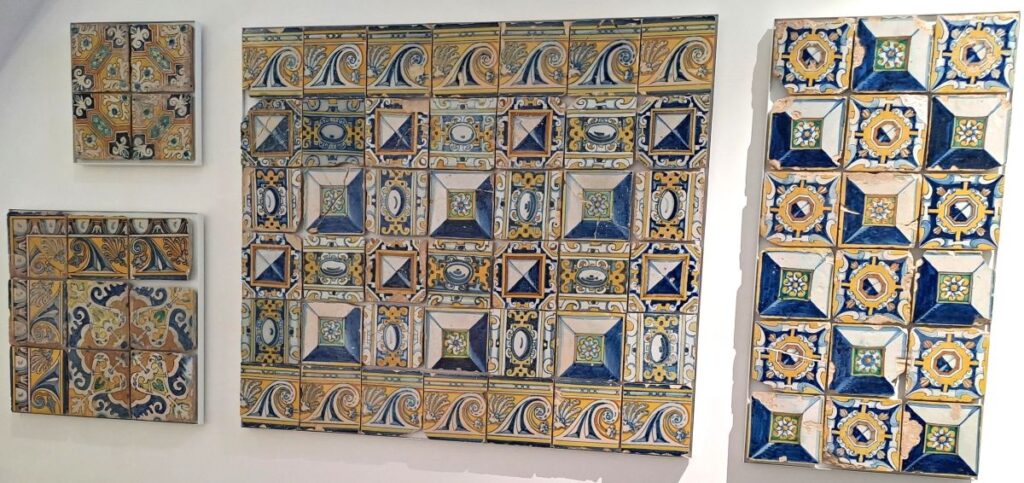
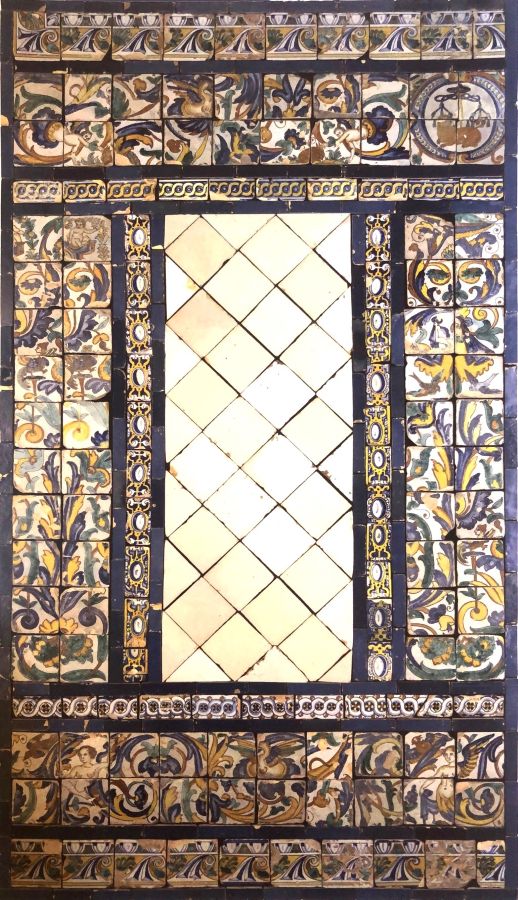
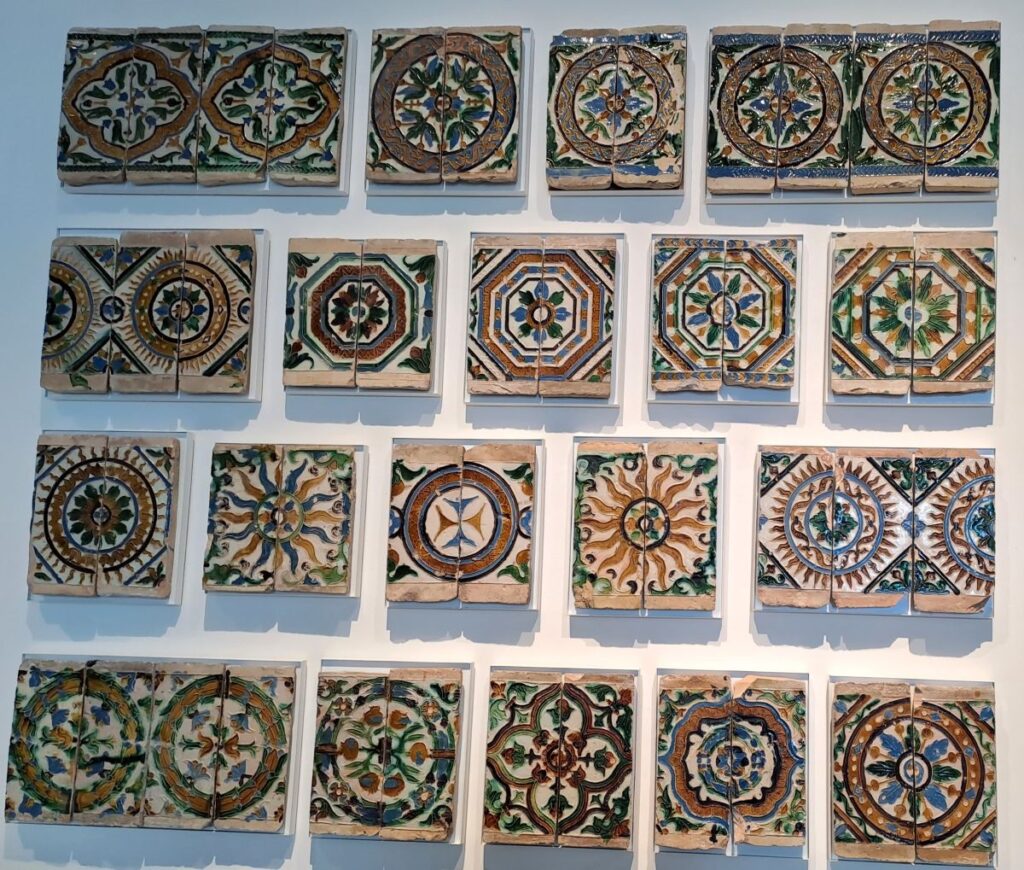
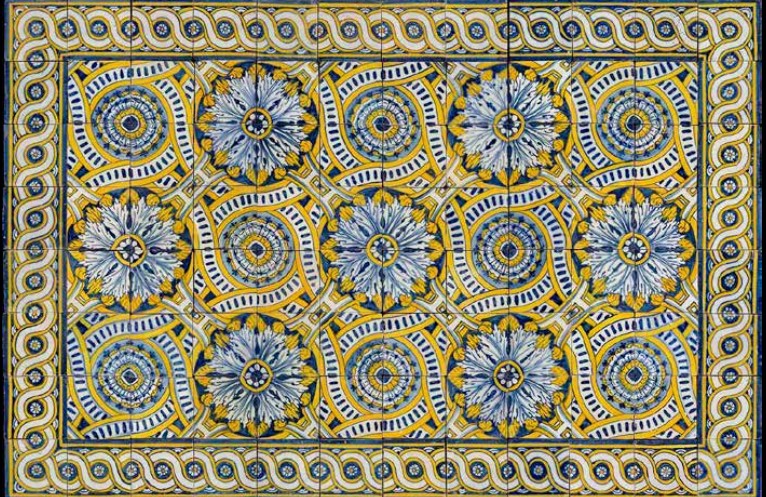
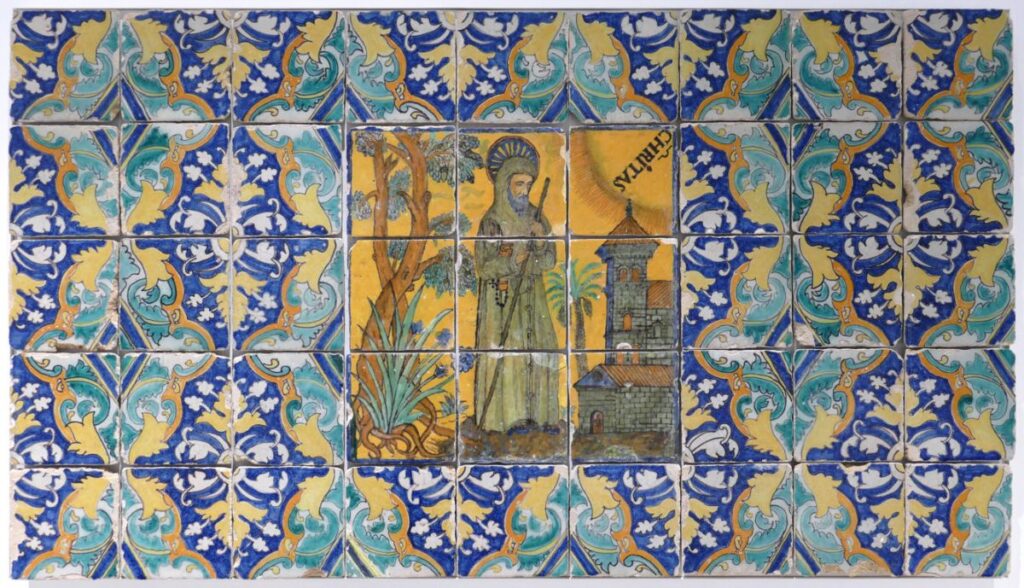
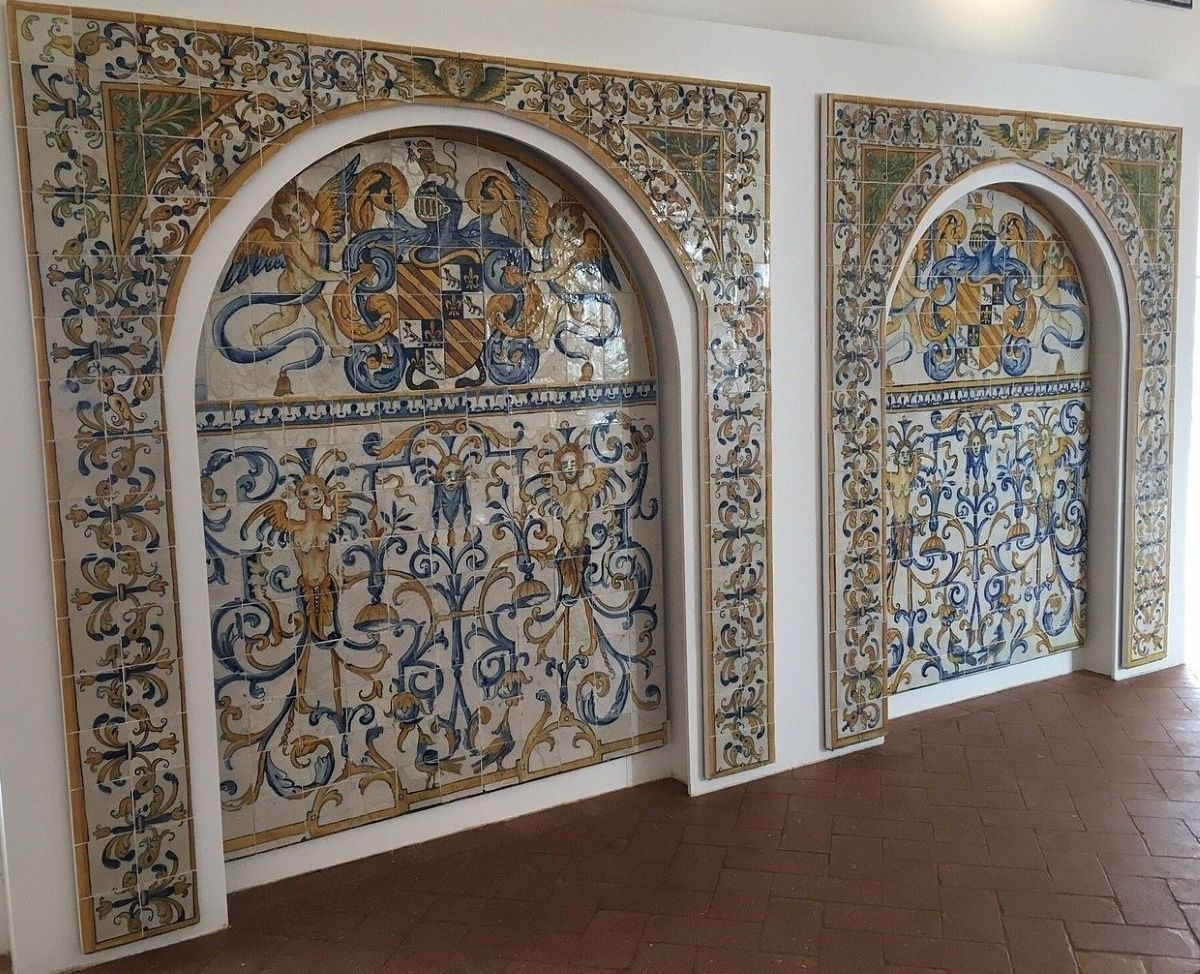
17th-century tiling
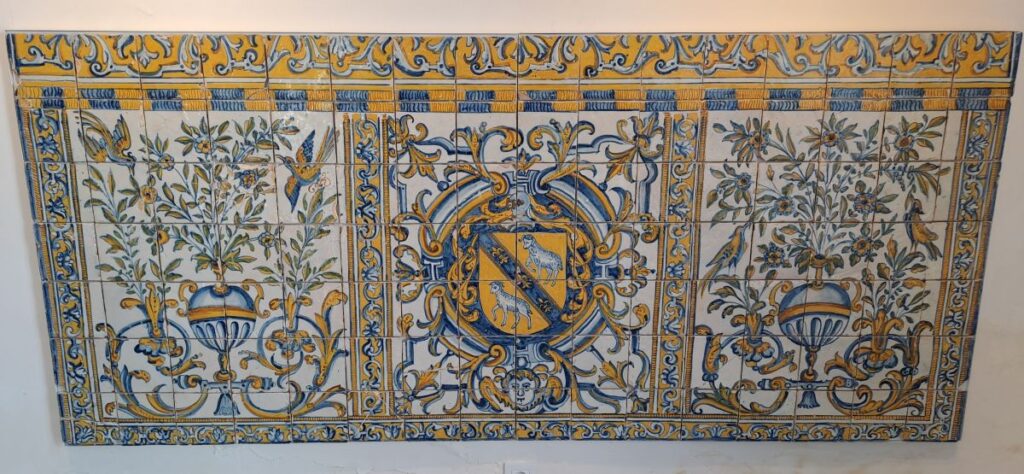
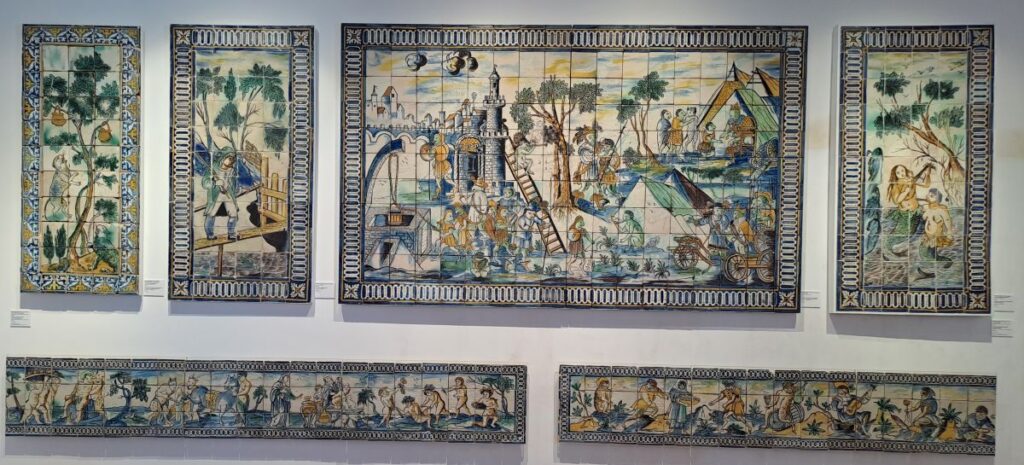
Below, a set of 17th-century panels known as the Monkey Series – satirical scenes featuring apes, intended to decorate a room with over 25 panels belonging to the Henriques de Miranda family. In the centre, ‘Assault on a Fortress’. On the right, ‘Tristan and the Sirens’ playing musical instruments, with a ‘Pair of Big Cats’ trying to reach the pots hanging from the tree on the left.
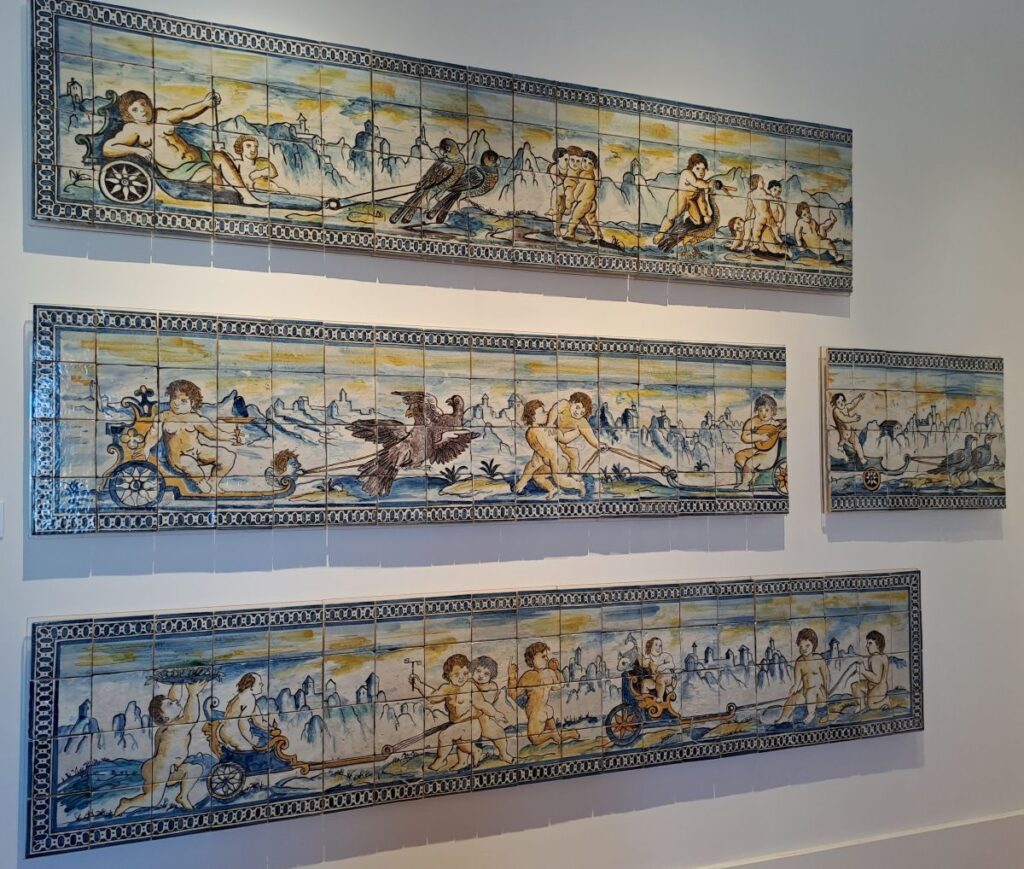
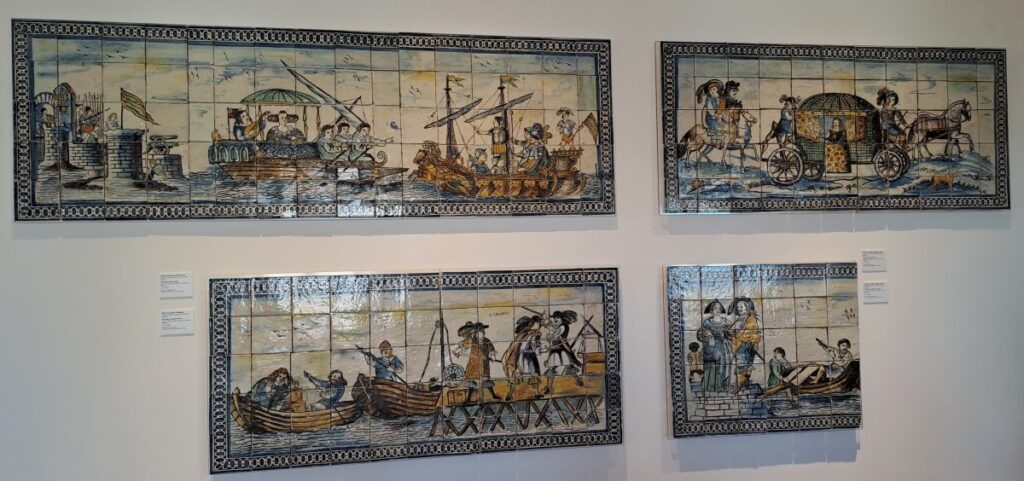
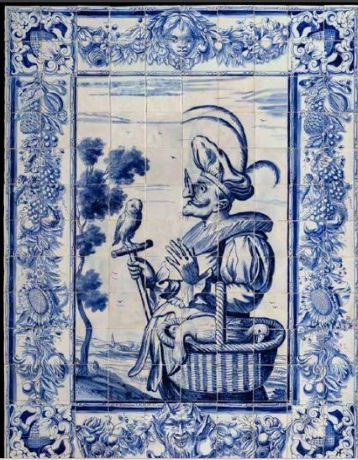
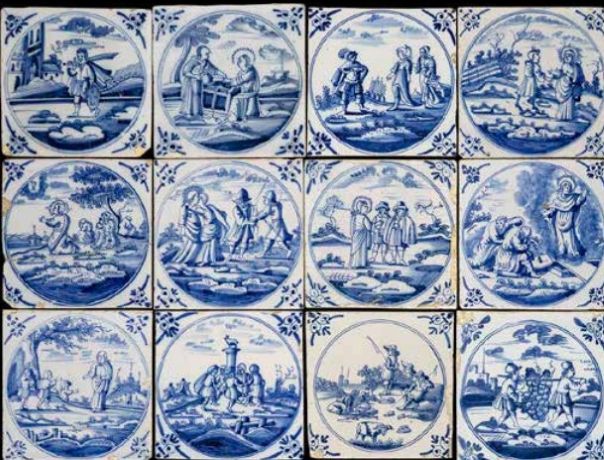
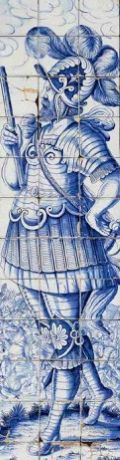
Dutch Tiles
Some examples of Dutch tile art, from left to right: ‘The Old Man’, a Delft tile panel depicting scenes from the daily lives of various social classes (a recurring theme in the tiles produced in this city) and ‘The Warriors’ (first quarter of the 17th century).
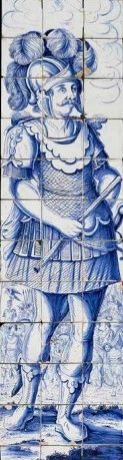
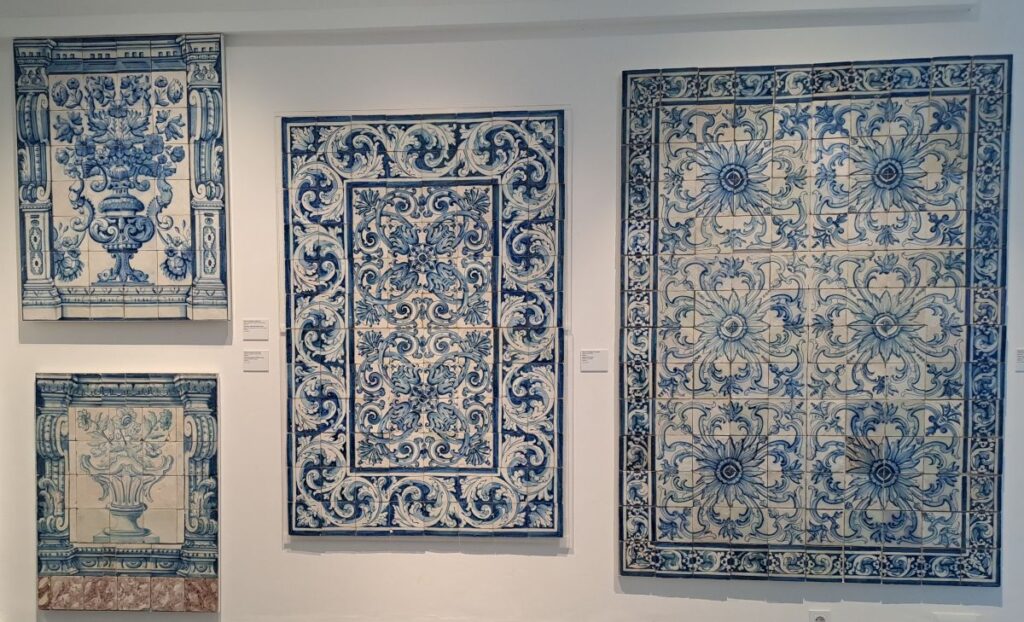
Baroque Tiles
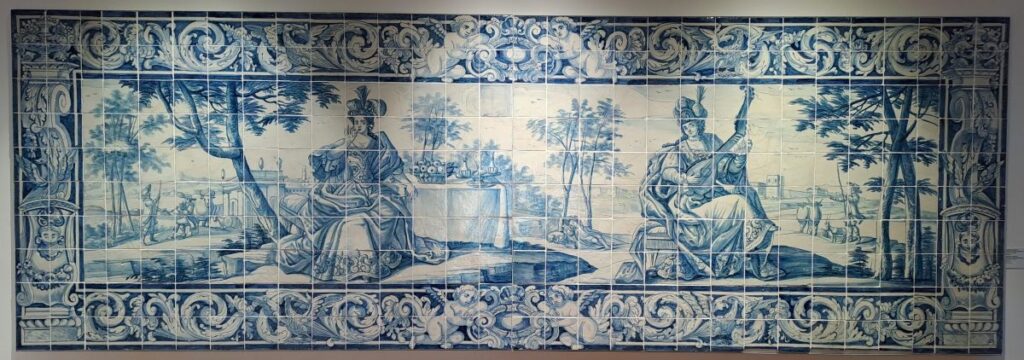
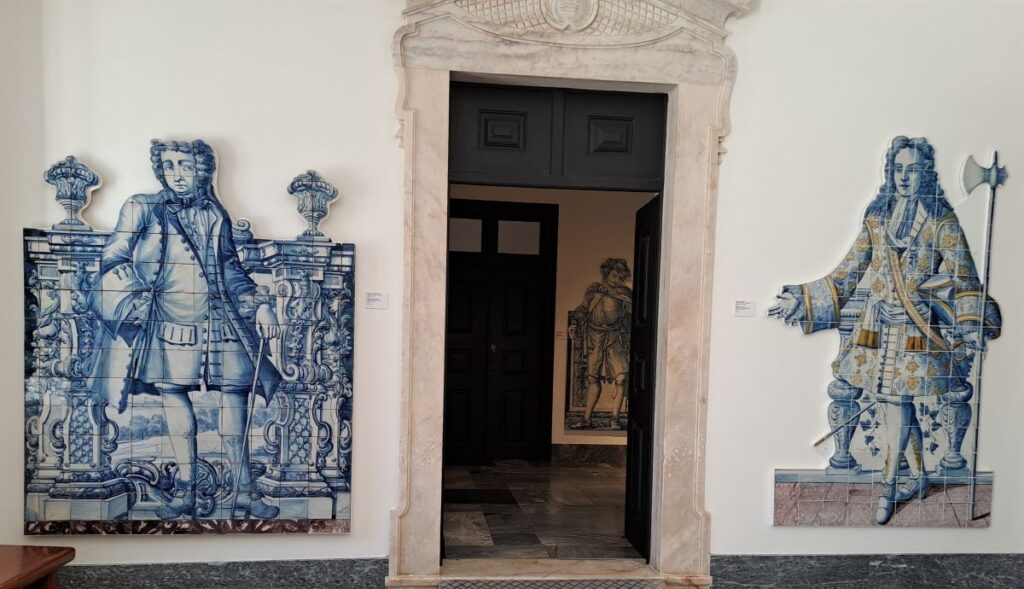
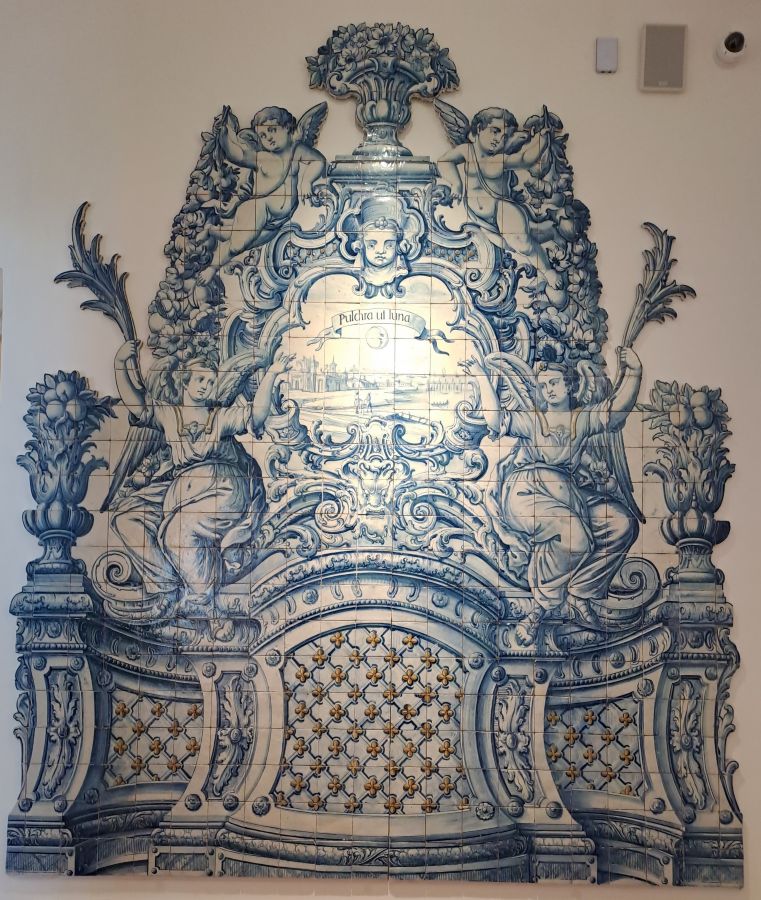
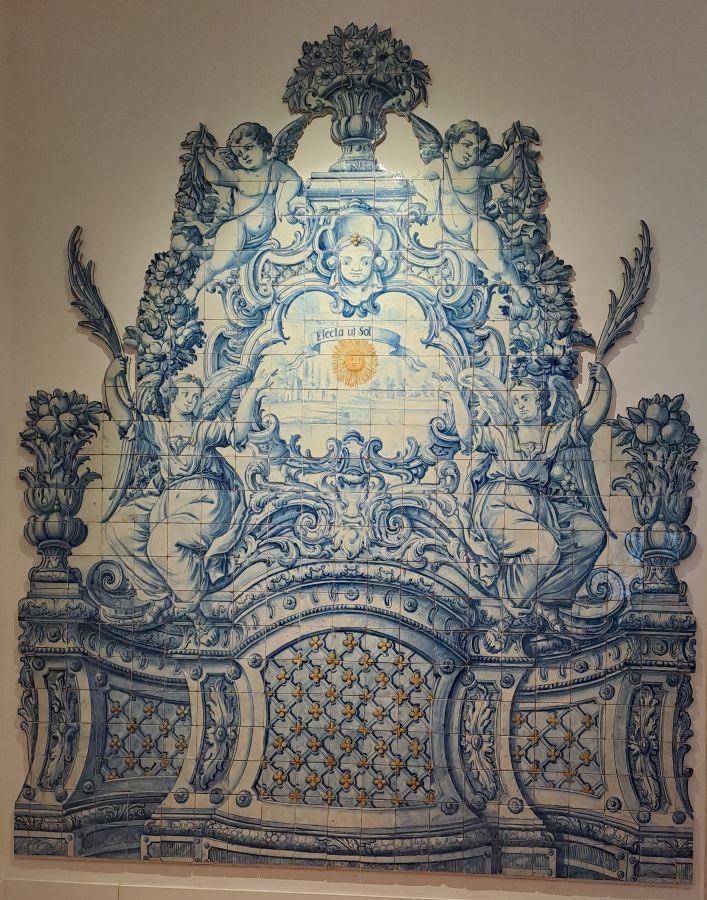
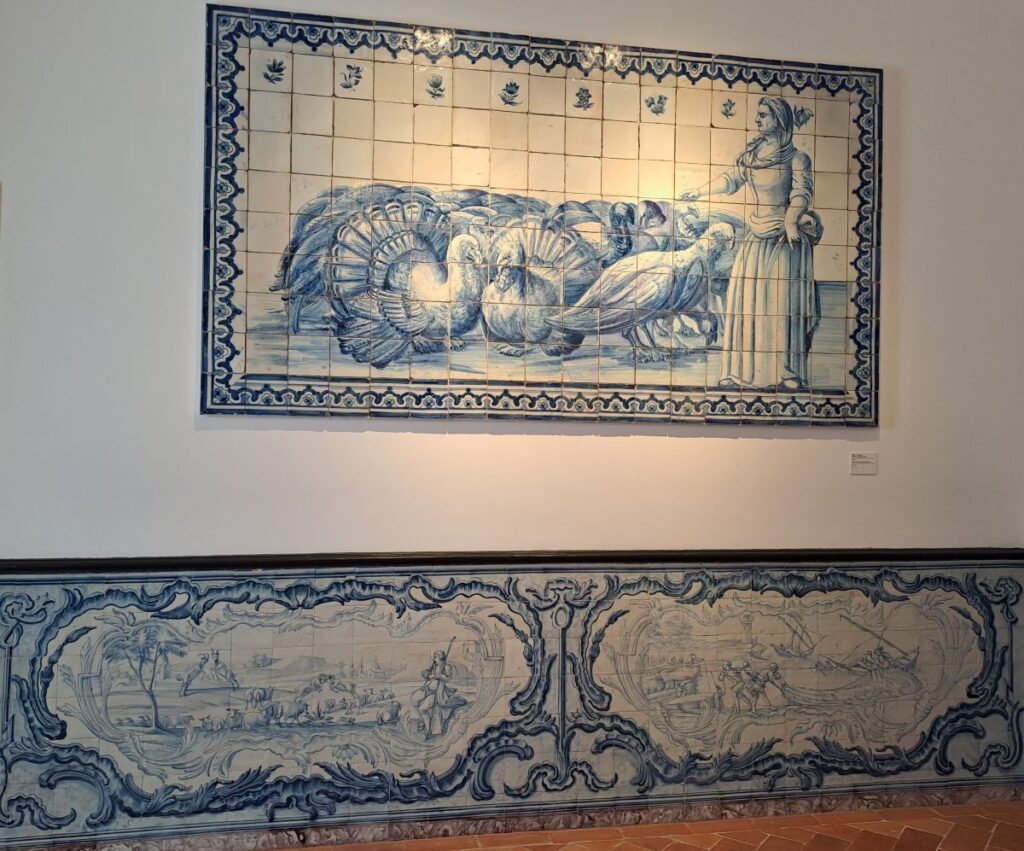
Below, a set of five panels by Domingos de Almeida with a Eucharistic theme, 18th century.
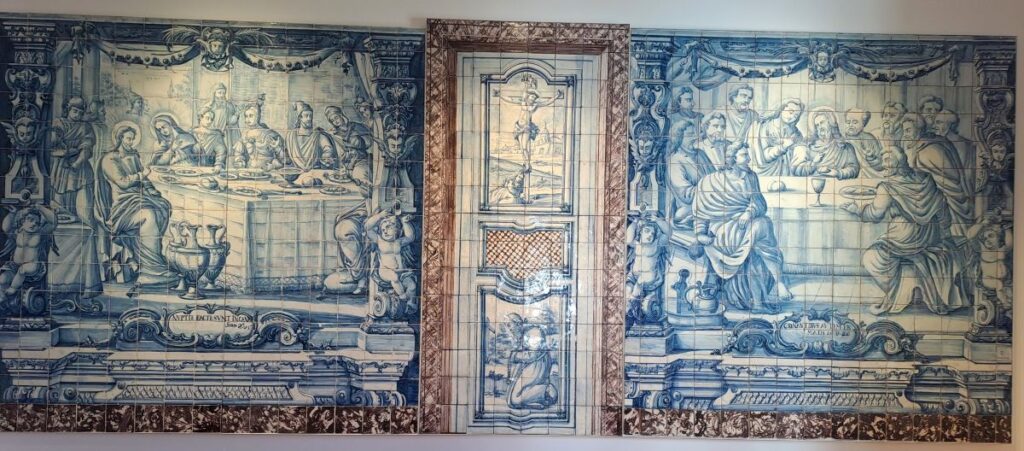
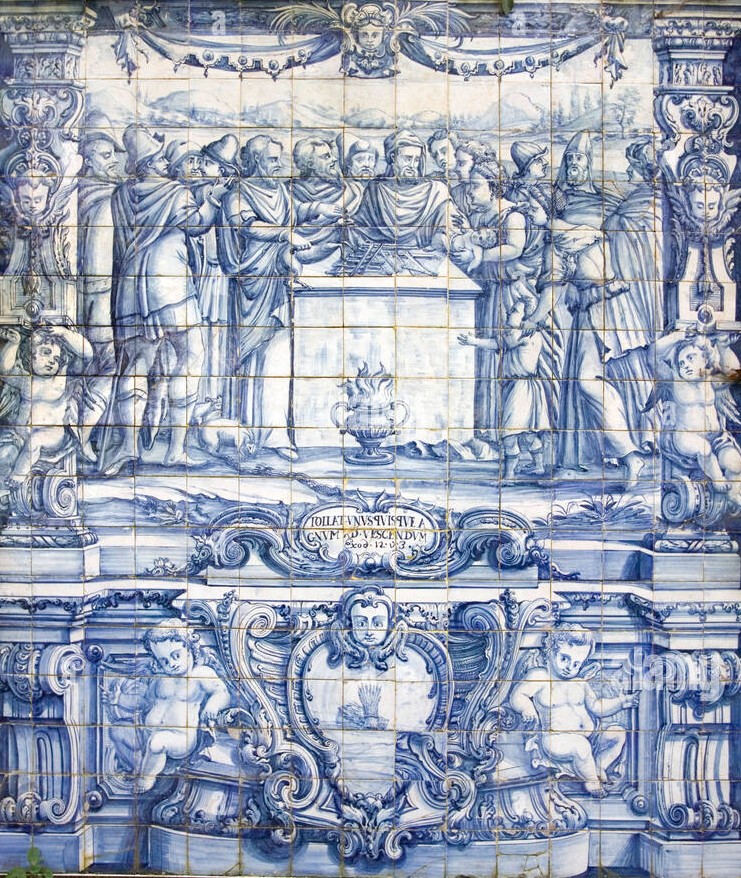
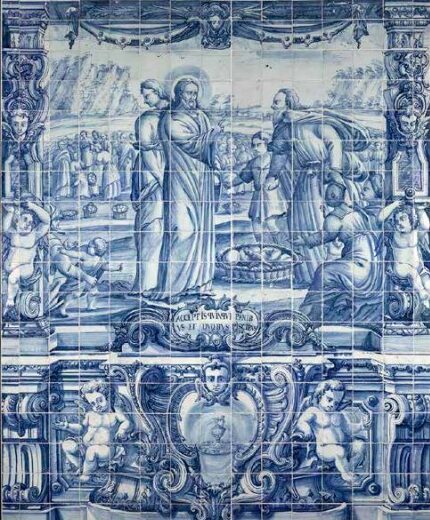
Regency and Rococo Tiles
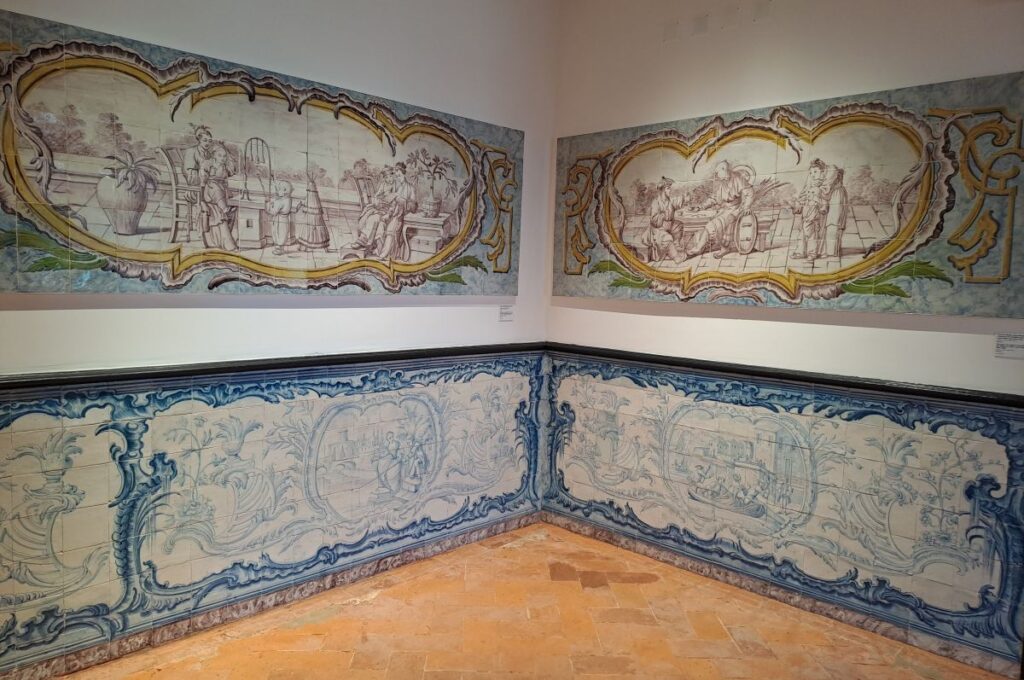
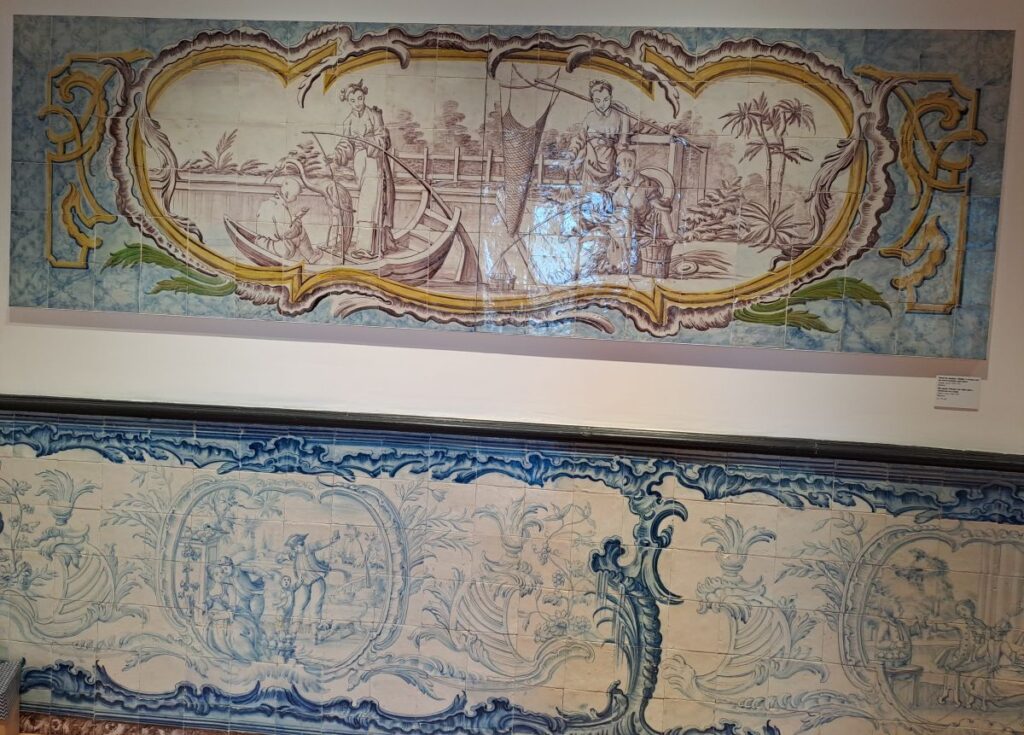
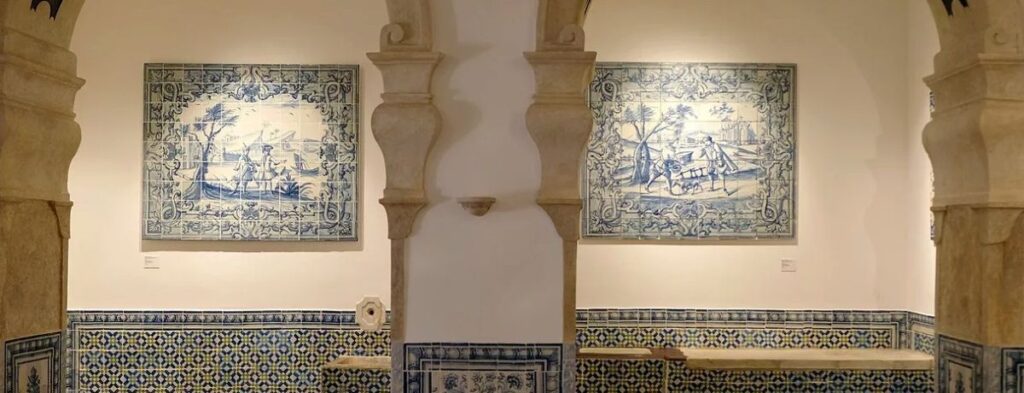
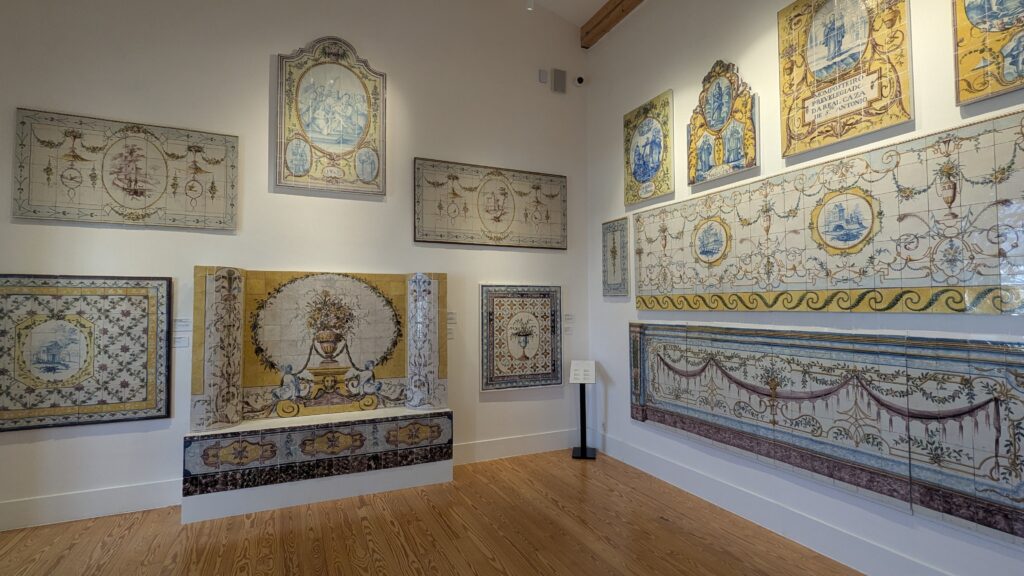
Neoclassical Tiling
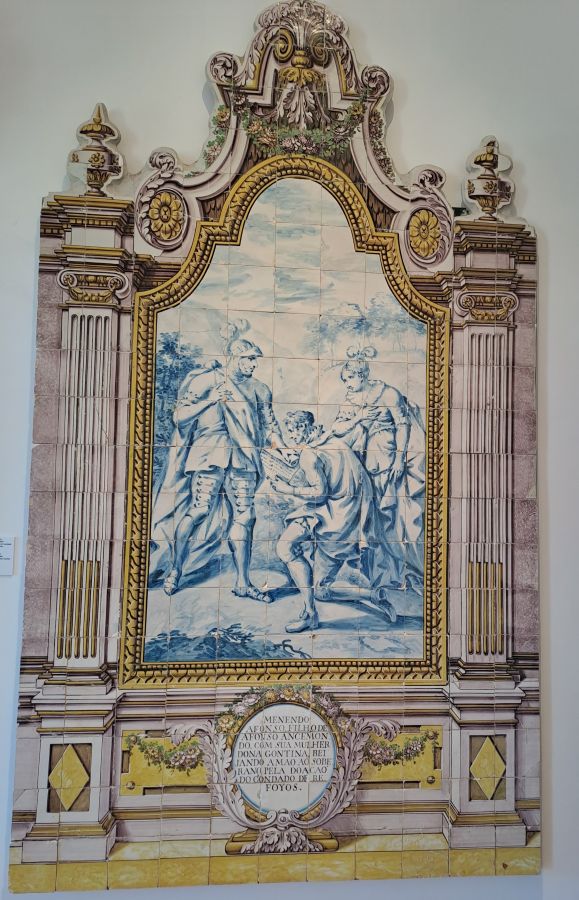
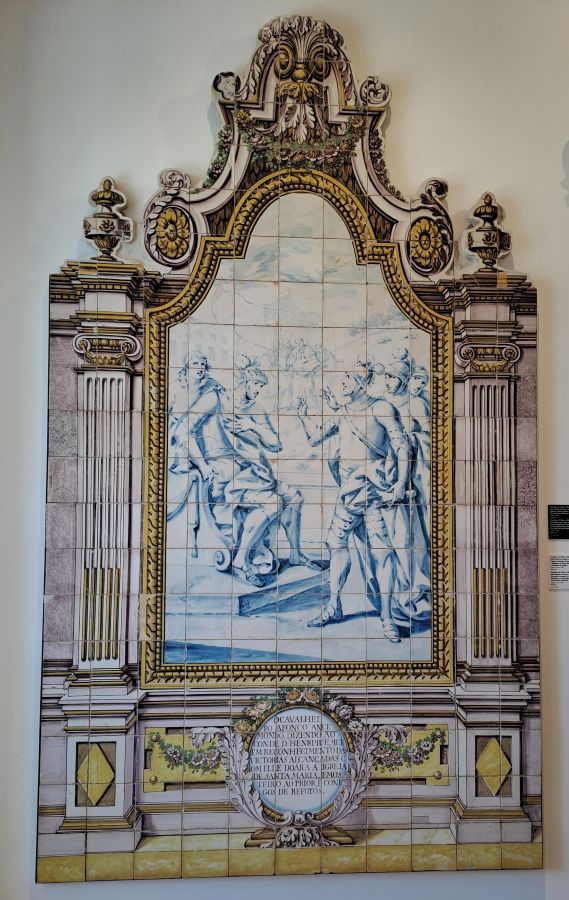
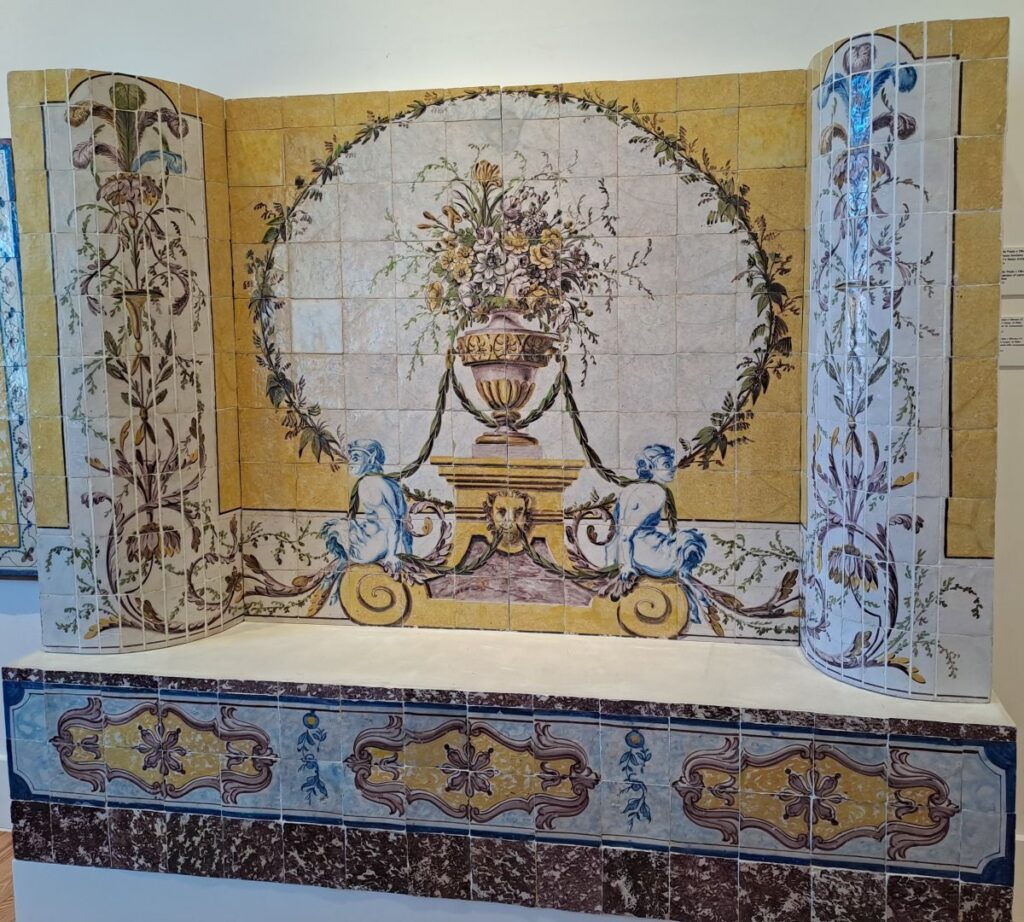
Tiles from Caldas da Rainha
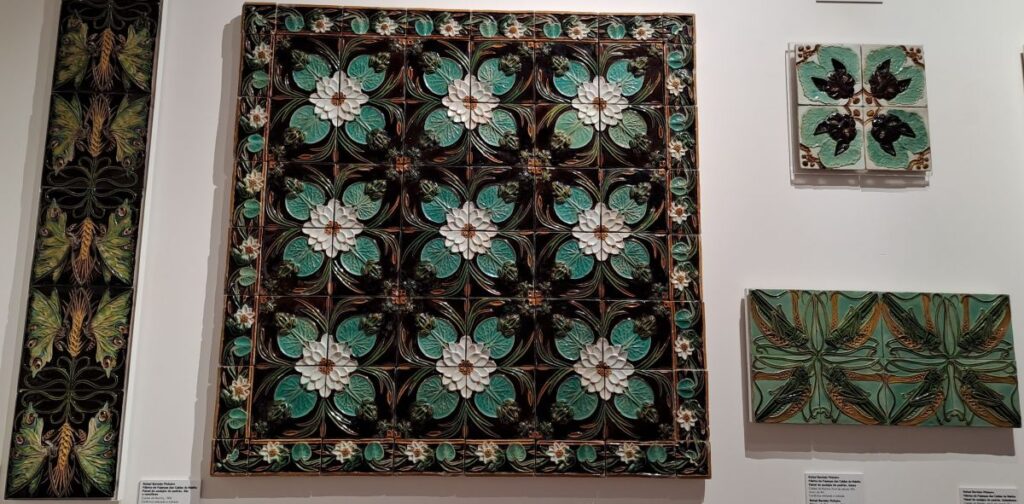
Above, in the centre, a panel by Rafael Bordalo Pinheiro entitled ‘Frogs and Water Lilies’, in relief and glazed tiles, 1904. On either side, panels entitled ‘Grasshoppers’ and ‘Butterflies and Ears of Corn’ from the early 20th century.
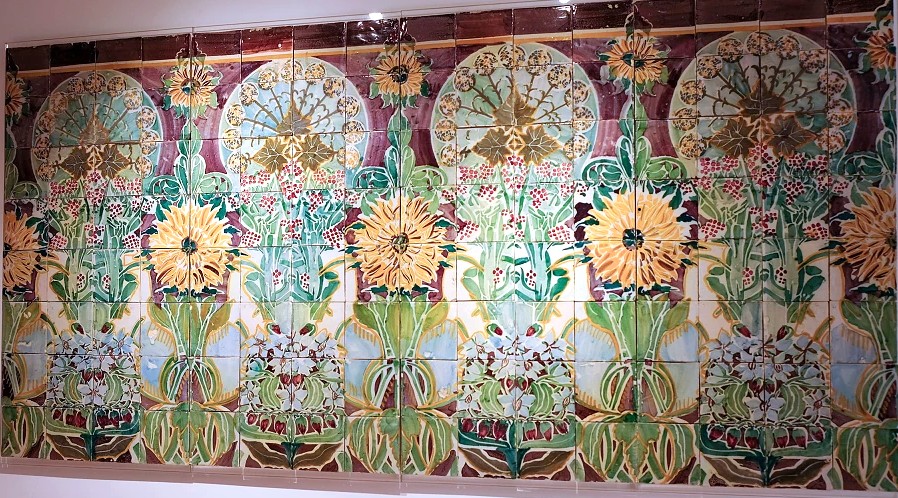
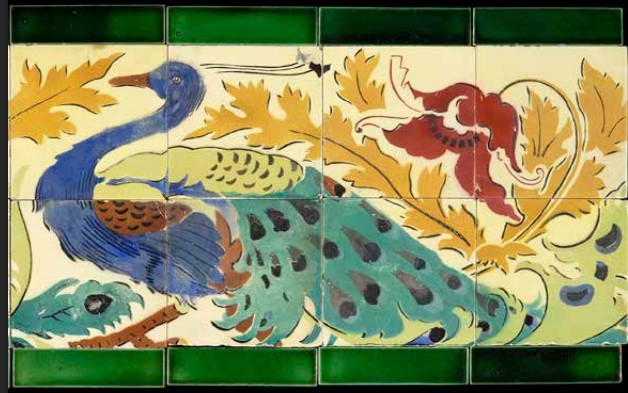
Art Nouveau Tiles
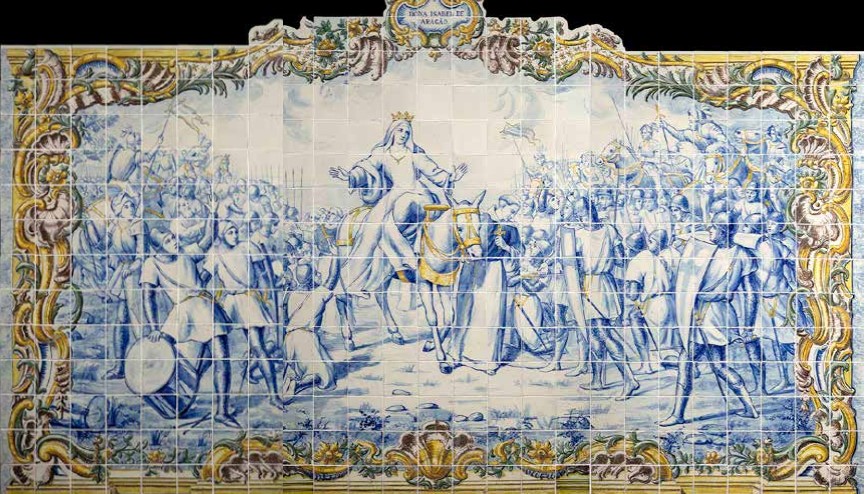
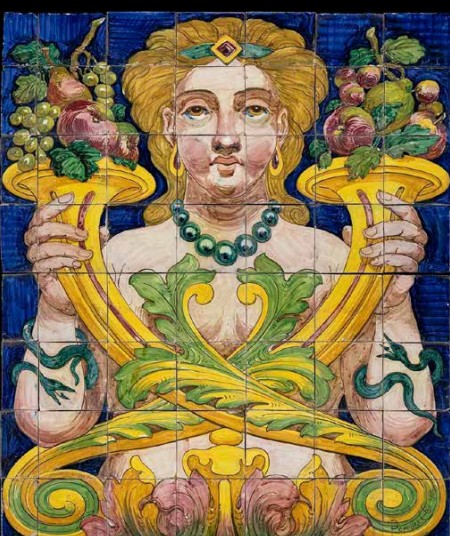
Historicist and Revivalist Tiles
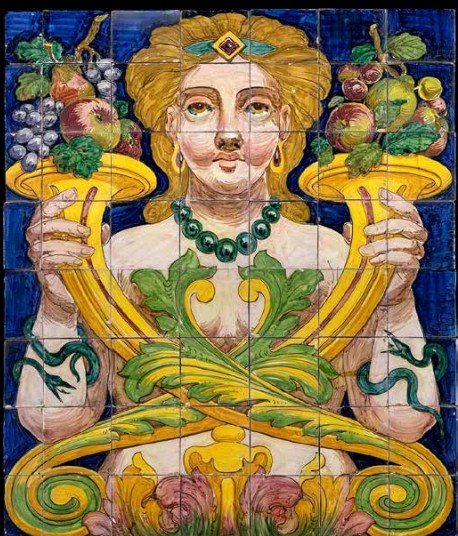
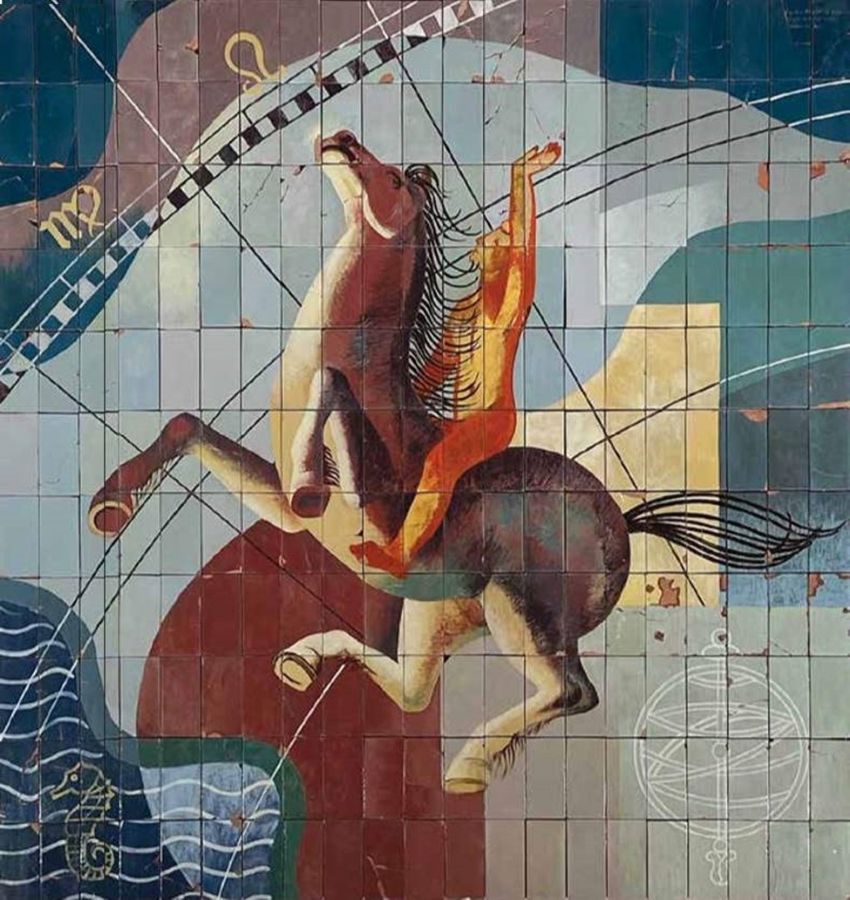
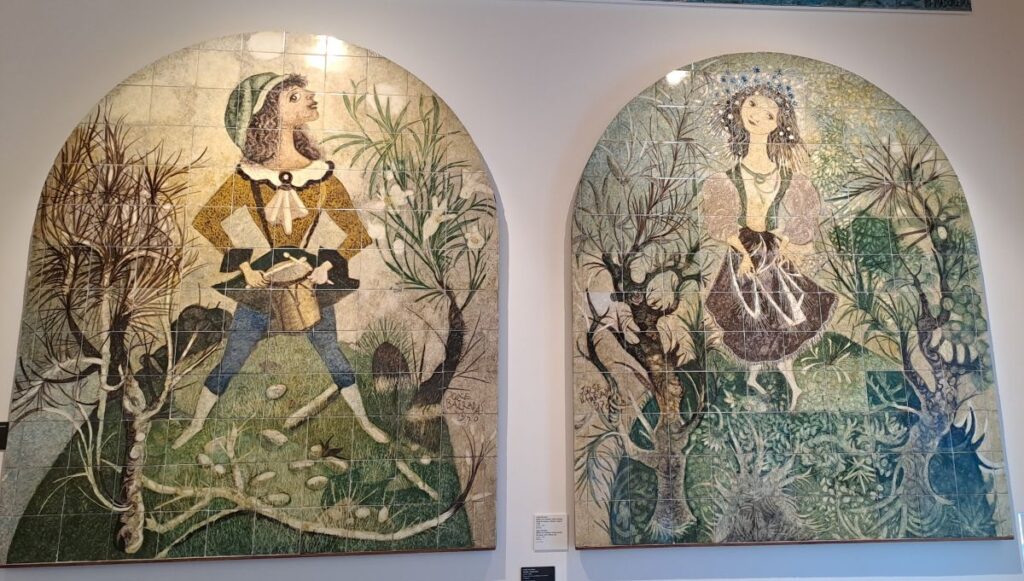
Contemporary and Designer Tiles
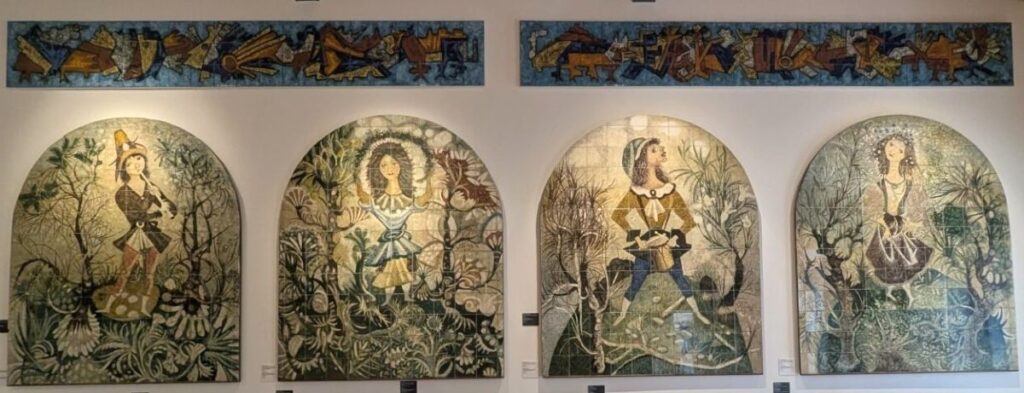
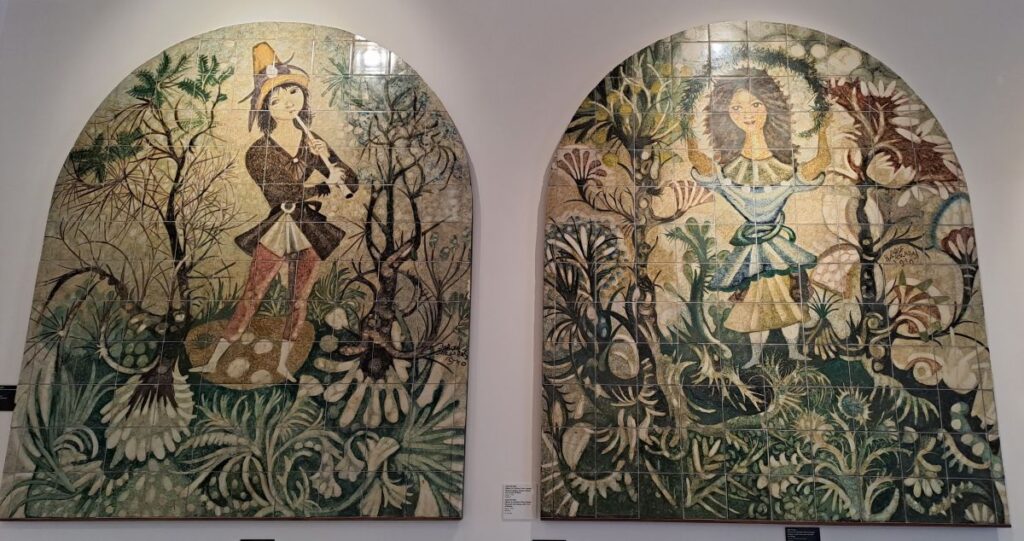
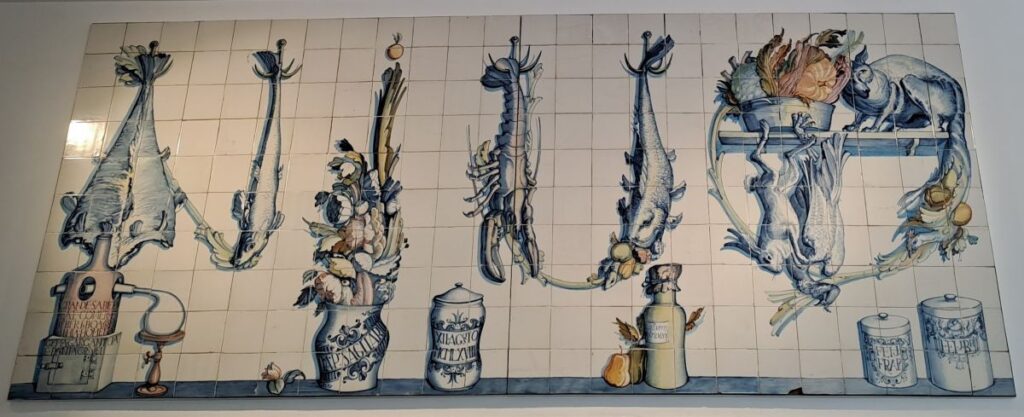
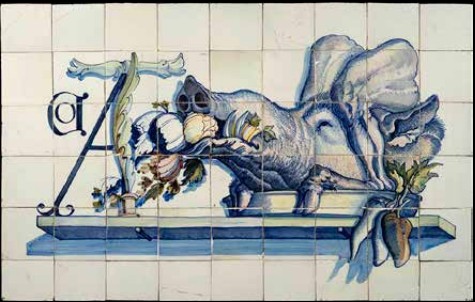
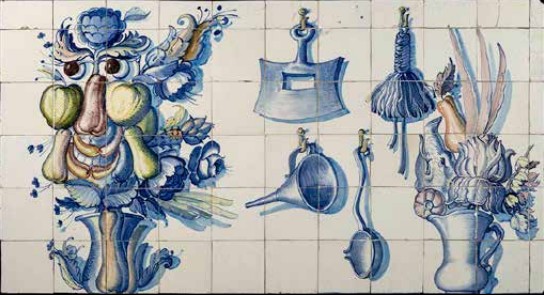
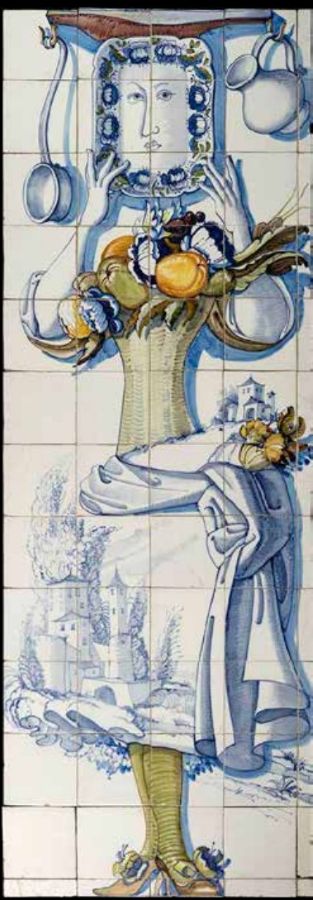
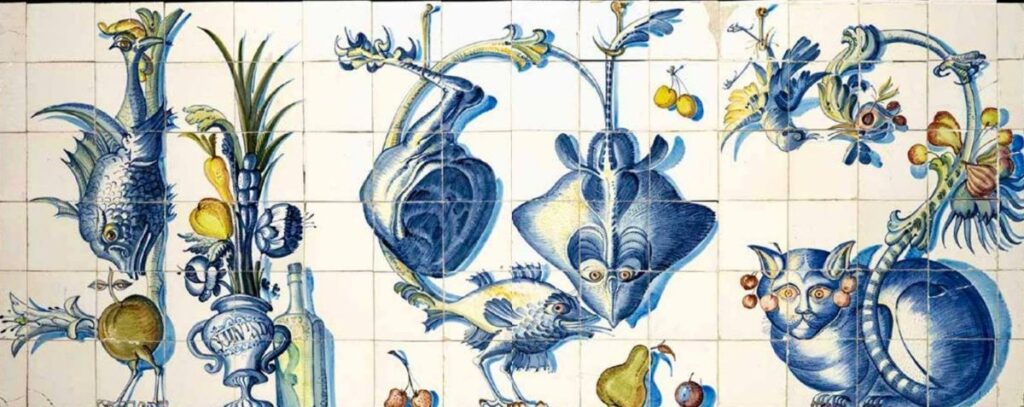
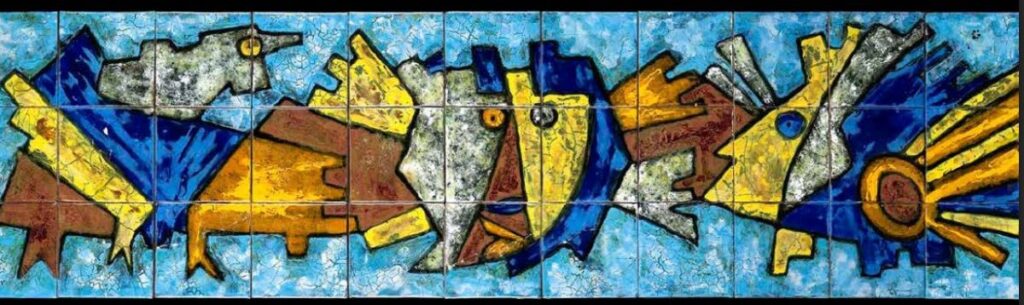
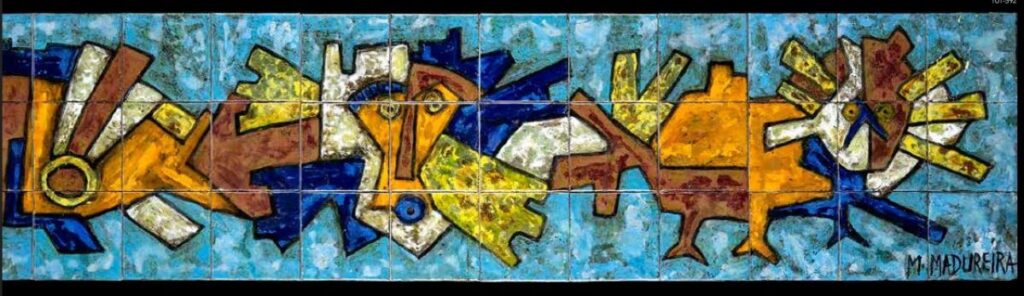
From Querubim Lapa, five panels created in 1968 for a farmhouse kitchen, inspired by 18th-century kitchen décor. They are on display in the former kitchen of the Tocha Palace. The message ‘Quinta do Sol’ is concealed and can only be read when reflected in a mirror.
Tocha Palace or Palace of the Henriques
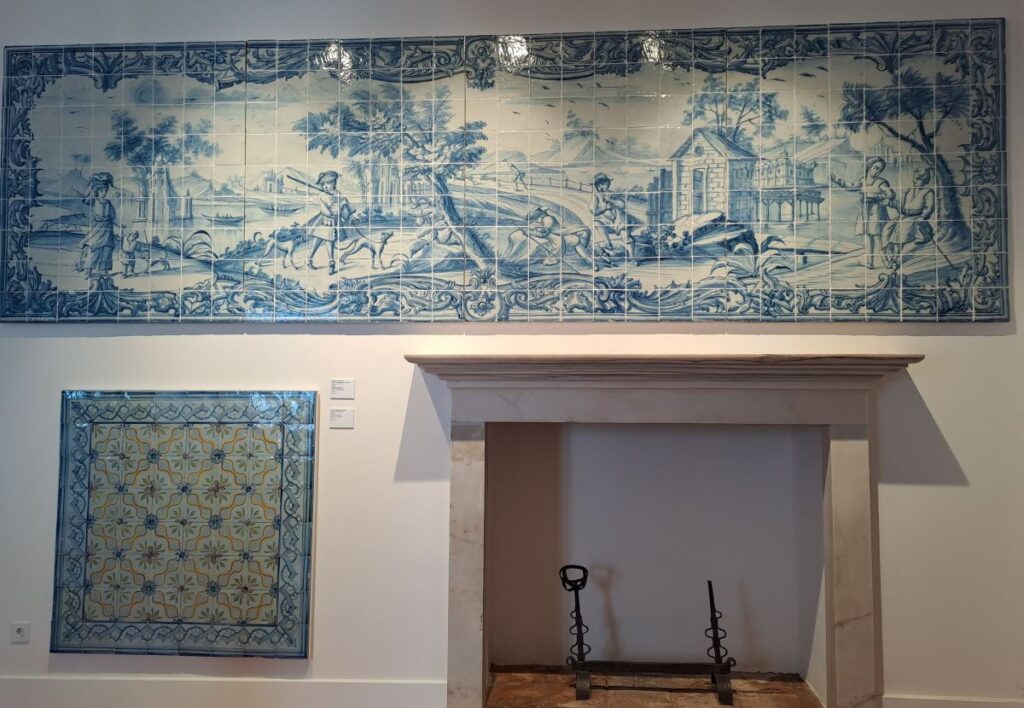
The palace boasts a remarkable collection of tiled panels on the staircase and in various rooms. On the staircase leading to the main hall, known as the ‘Hall of Battles’, there are panels depicting hunting scenes, dating from the late 18th century.
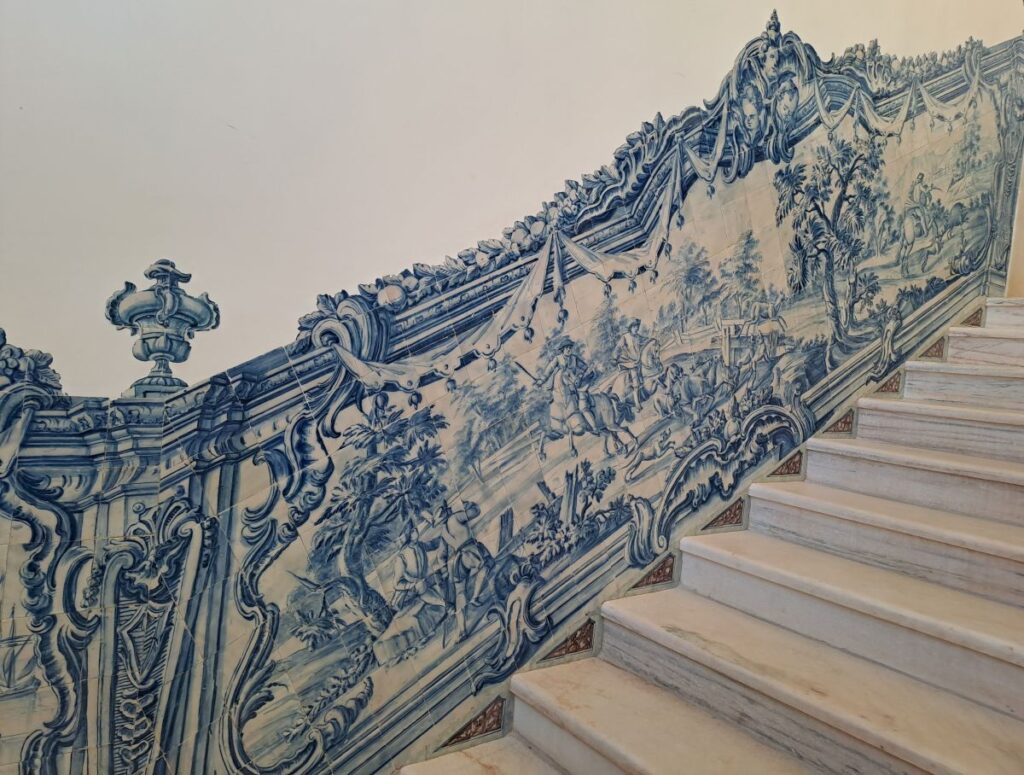
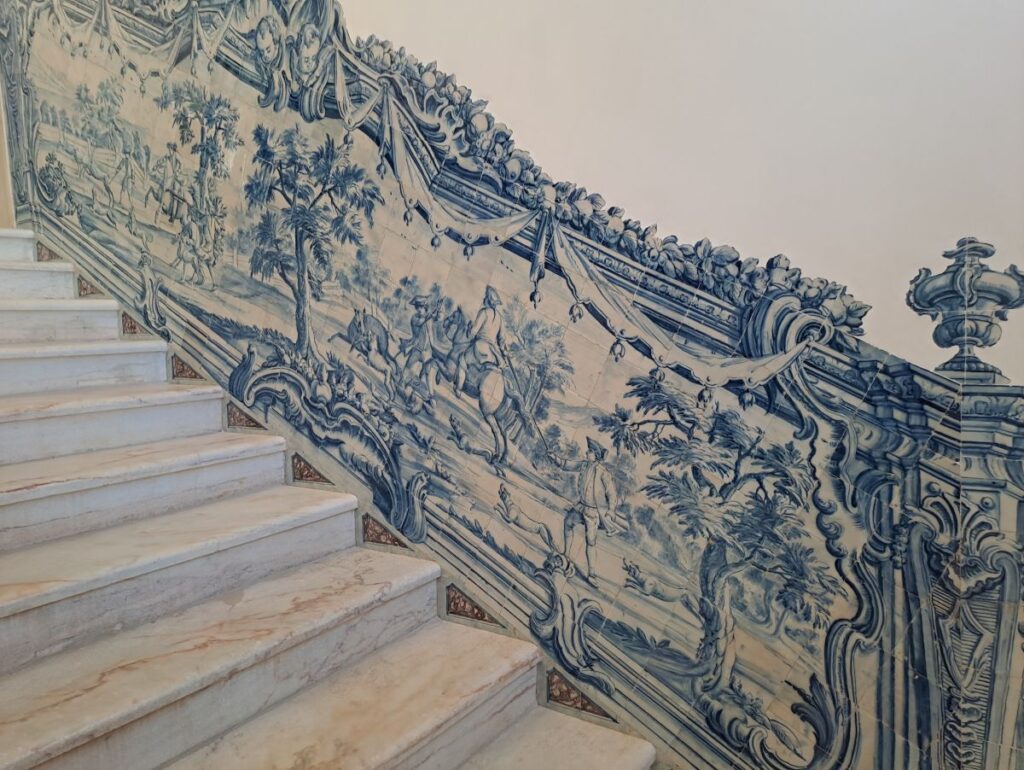
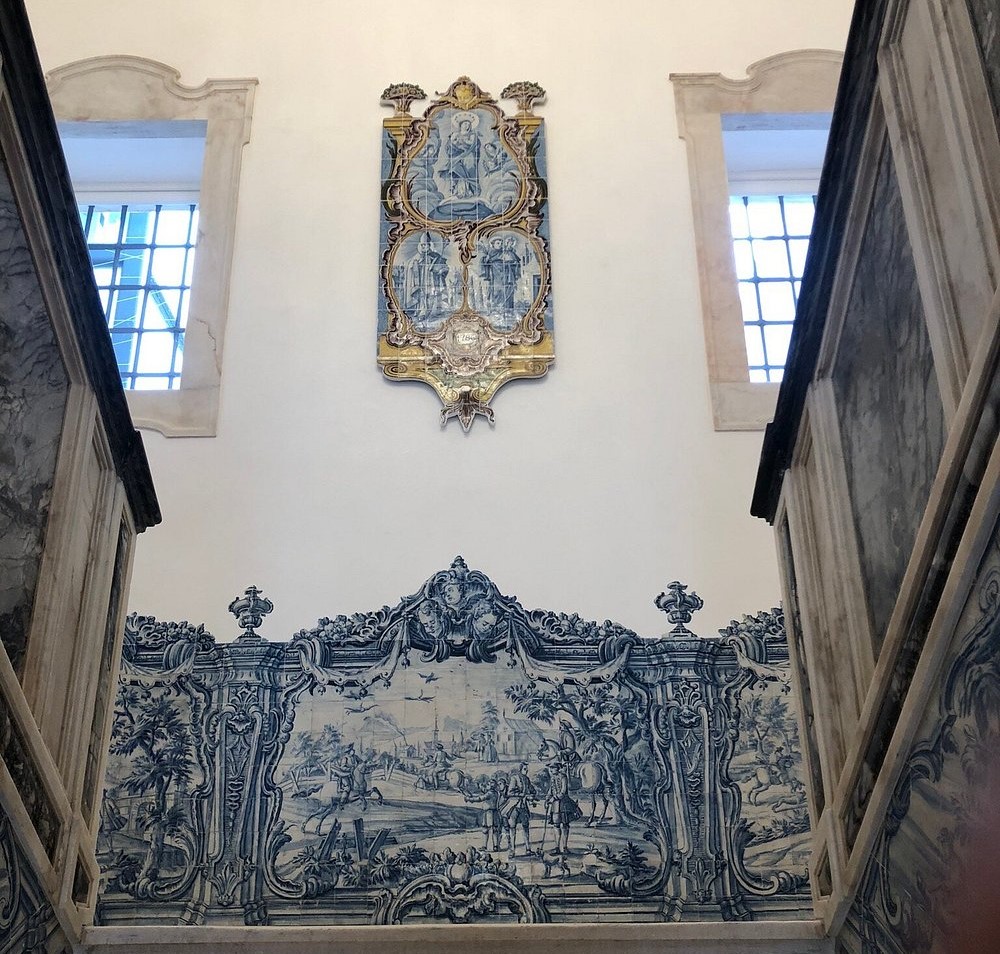
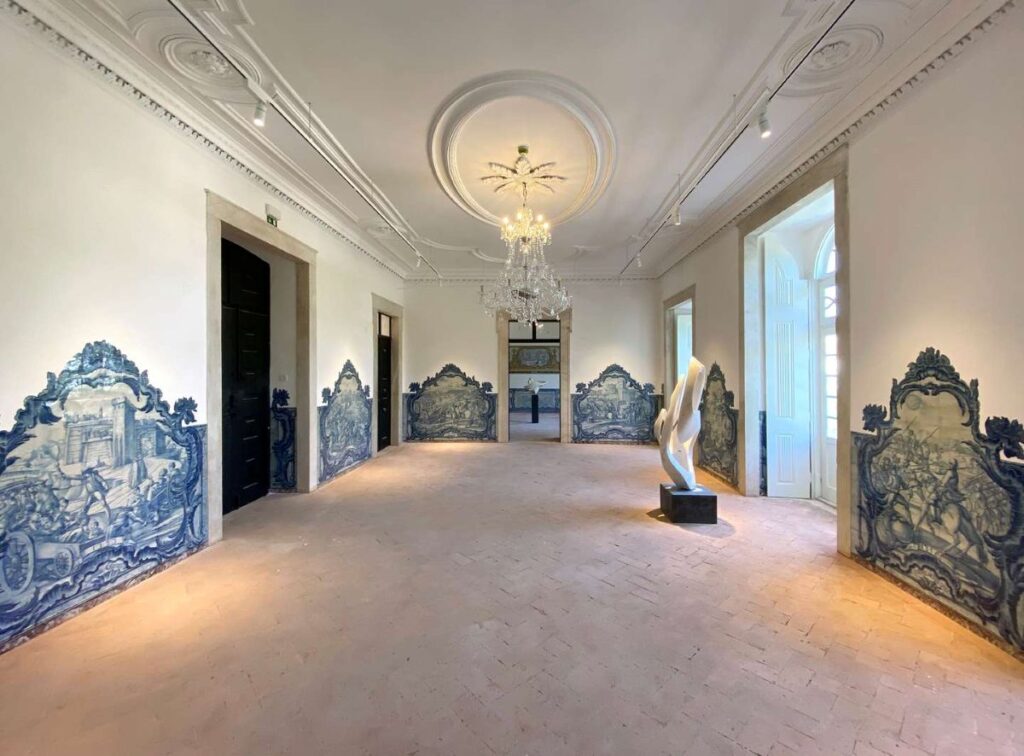
Hall of Battles – decorated with eight cobalt-blue panels depicting historic military events that took place in the Estremoz area.
Further details
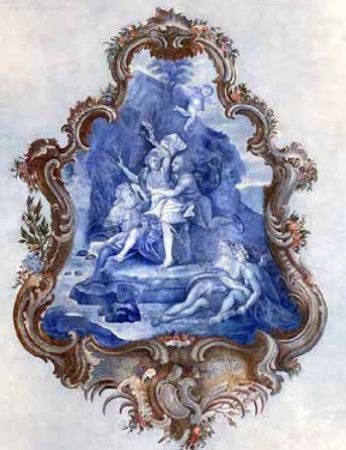
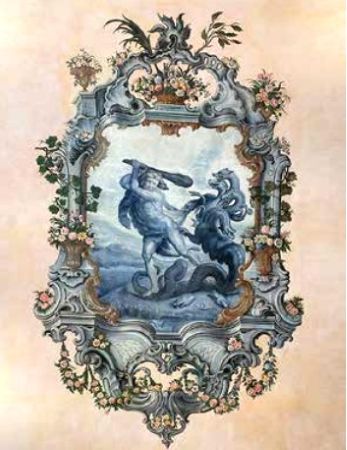
The visit ended with a wine tasting, after which we went on to have lunch at Pateo dos Solares.
After lunch, we visited the Flores Sisters’ workshop, where we watched the meticulous process of handcrafting the characteristic Estremoz dolls.